REVIEW · PRIVATE
10 Days Private Tour in Romania from Bucharest
Romania rewards the curious. This 10-day private circuit links Bucharest’s communist-era landmarks with medieval towns, painted monasteries, wooden churches, mountain roads, and several of the country’s best castles. I like the private car and guide, which give you room to adjust the pace, and I like the unusual mix of famous sights and small cultural stops such as Ciocănești and the Lucia Condrea egg museum. The main concern is simple: this is a very full itinerary, with long road days and little spare time in some places.
You travel with a private English-speaking guide and driver throughout, rather than joining a large coach group. Nicolas is the named guide connected with the experience, and the personal service is a clear part of its appeal. The price is $3,472.81 per person, before your hotels, meals, drinks, and entrance fees, so you should treat this as a high-cost touring package that earns its value through convenience and coverage, not low-budget travel.
In This Review
- Key details to know before you book
- Bucharest begins with communism, village life, and revolution
- Curtea de Argeș and the Transfăgărășan road
- Dacian ruins and the remarkable Corvin Castle
- Salt, gardens, and wooden churches in Transylvania
- Maramureș: humor, grief, and the past of communism
- Wooden monasteries and painted houses in Bukovina
- Folk art, a mountain gorge, and Sighișoara
- Brașov, Bran, and royal Peles
- What the $3,472.81 price really covers
- Who should book this private Romania circuit?
- Final verdict: a strong choice for a full first visit
- FAQ
- Is this a private tour?
- Is an English-speaking guide included?
- Are hotels and meals included for participants?
- Are entrance tickets included in the price?
- When is the Transfăgărășan Highway fully open?
- Can the itinerary be changed during the tour?
Key details to know before you book
- A true cross-country route: You go from Bucharest through Wallachia, Transylvania, Maramures, Bukovina, Moldavia, and back toward Brașov and the royal castles.
- A private car or minibus: Only your own group rides together, with wireless internet, fuel, parking, and road tolls covered.
- An unusually broad culture list: The route includes communist history, Dacian ruins, Saxon towns, painted monasteries, wooden churches, folk art, and local food.
- Season matters on the Transfăgărășan: The high road is fully open only from June through October, and its highest point reaches 2,042 meters.
- Most entrance fees are extra: The guide’s accommodation, meals, and admissions are covered, but your own entrance tickets are not.
- Flexible planning: The daily schedule can be changed after the tour begins, a useful feature on such an ambitious route.
Bucharest begins with communism, village life, and revolution
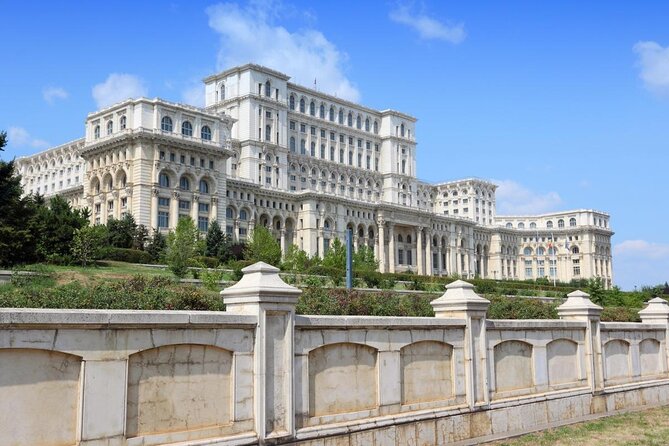
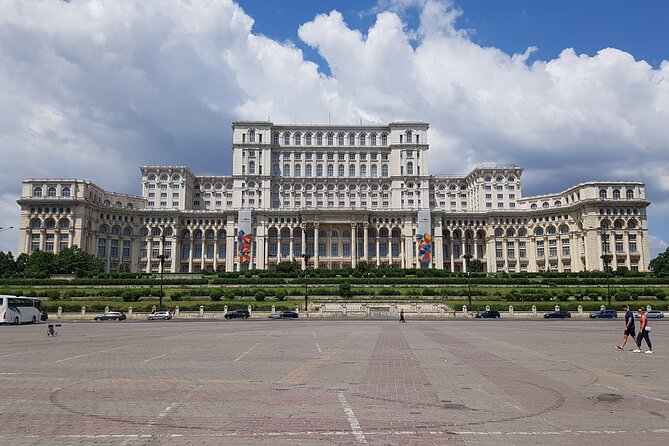
Your first day gives you a strong introduction to modern Romania. At the Palace of Parliament, you confront the scale of Nicolae Ceaușescu’s megalomania. It is described as the world’s second-largest administrative building after the Pentagon, and two hours here gives your guide time to explain why this massive project mattered beyond architecture.
I find this a valuable opening because the building is not presented as simple sightseeing. It helps you understand how totalitarian power reshaped Bucharest, wasted national resources, and changed daily life. Bring patience for security and indoor touring, and remember that the building’s size makes photography surprisingly awkward.
The National Village Museum offers a sharp change of mood. In about an hour, you see traditional Romanian homes, farm buildings, and village customs gathered in one open-air setting. It gives you a quick way to understand older rural life and the practical relationship between homes, work, faith, and the natural world.
The Romanian Athenaeum then brings you back to the city’s cultural side. Allow 45 minutes for this elegant symbol of Romanian music and national identity. Its place on the European Heritage list adds weight, but the stop works best as a compact architectural and cultural visit rather than a long museum session.
At Revolution Square, your guide can connect the physical setting with the December 1989 uprising. You see the former Central Committee building and the Senate Palace, places tied to Ceaușescu’s fall. This 45-minute stop helps make Romania’s recent past feel immediate rather than textbook-distant.
Finish in Bucharest’s Old Town, including Hanul lui Manuc, the large fortified inn built around 1806. Two hours here lets you walk through a district shaped by merchants, restaurants, and layers of old and new Bucharest. It is a good place to begin sampling Romanian food, though the route’s emphasis is on seeing the area rather than including a meal.
A few more Bucharest days worth comparing
- Bucharest: Dracula’s Castle, Peles Castle, & Brasov Old Town
★ 4.5 · 17,858 reviews - Bucharest: Dracula Castle, Peles Castle & Brasov Old Town
★ 4.6 · 10,891 reviews - Bucharest: Dracula’s Castle, Peleș Castle & Brașov Day Trip
★ 4.5 · 5,919 reviews
Curtea de Argeș and the Transfăgărășan road
Day two moves into Wallachia and the Carpathians. At Curtea de Argeș, you see the ruins of the princely court, the 13th-century Royal Church, and the monastery associated with royal tombs. The visit lasts about 45 minutes, so you will get an overview rather than a slow study of every detail.
Poienari Castle requires more time and effort. The fortress ruins sit high above the Argeș River, and the site is tied to Vlad the Impaler, the historical figure later linked with Dracula. Two hours allows time for the approach and the fortress visit, but you should be ready for a physically demanding stop. The ruins matter less for polished architecture than for their setting, military purpose, and connection to Vlad’s flight through the mountains after the Ottoman attack.
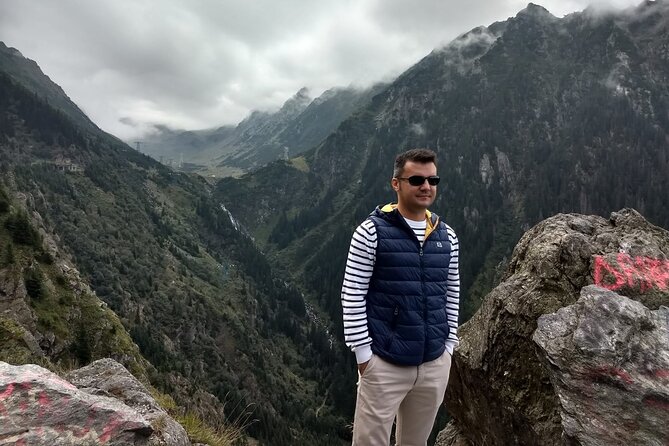
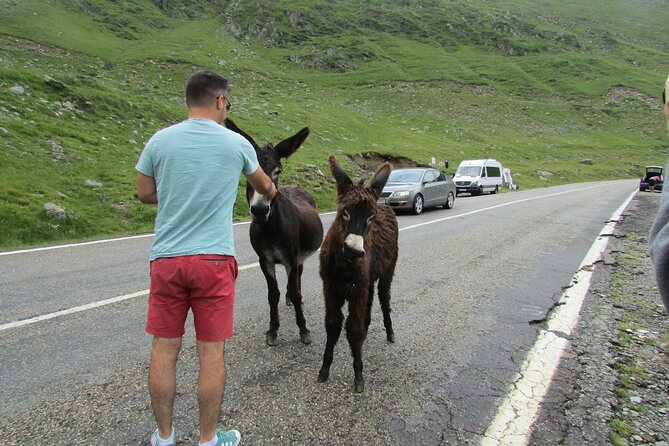
The Transfăgărășan Highway is the day’s great road experience. It stretches more than 150 kilometers, climbs to 2,042 meters, and reaches the tunnel at Lake Bâlea. The schedule gives it two hours, which means you should expect selected viewpoints and a scenic crossing, not a leisurely stop at every bend.
This part of the plan is strongly seasonal. The road is fully open only from June through October. If your dates fall outside that window, ask Nicolas exactly how the day will be adjusted. Weather and road access matter here, and the route cannot be judged properly without considering the month.
Sibiu’s Big Square closes the day with a more polished urban experience. The Evangelical Cathedral, old center, and surrounding streets reflect the city’s 900-year story and its time as European Capital of Culture. After rugged mountain scenery, Sibiu gives you cafés, architecture, and time to slow down. The one-hour stop is enough for an introduction, but you may wish you had more time to explore independently.
Dacian ruins and the remarkable Corvin Castle
Day three moves west into a less familiar corner of Romania. Corvin Castle in Hunedoara is a Gothic-Renaissance fortress with turrets, courtyards, and a strong medieval presence. Two hours is a sensible allocation because this is one of the major architectural highlights of the route.
The castle is often linked with legends, but its real appeal is the building itself and the political world it represents. You can take your time with the rooms and exterior views, and your private guide can help keep the visit grounded in Romanian and Hungarian history.
Densuș Church is a smaller, stranger stop. Built in its present form in the 13th century on the site of a 2nd-century Roman temple, it incorporates materials connected with the Dacian fortress at Sarmizegetusa. Inside, 15th-century paintings show Jesus in Romanian traditional clothing.
You get one hour here, enough to appreciate the church’s unusual construction and murals. I like the contrast with Corvin Castle: one is grand and theatrical, the other is compact, old, and full of reused stones and local memory.
Sarmizegetusa Regia takes three hours and rewards visitors who care about ancient history and mountain settings. It was the Dacian capital and a major military, political, and religious center before the Roman wars. Built on a mountain about 1,200 meters high, it formed part of a defensive system in the Orăștie Mountains.
This is one of the route’s more demanding cultural visits. The attraction is not a complete city with restored walls. You are seeing an archaeological site in a mountain location, so the experience depends on your interest in ruins, ancient peoples, and the setting itself.
Salt, gardens, and wooden churches in Transylvania
Turda Salt Mine is one of the itinerary’s biggest surprises. Two hours underground brings you into a former salt-working site that has become one of Transylvania’s most unusual attractions. The saline air is often presented as helpful for people with allergies or asthma, but you should treat that as a feature of the environment, not medical treatment.
The mine is visually striking and offers a welcome change from castles and churches. It also gives you a break from outdoor sightseeing if the weather is poor. Your guide can help you understand how salt shaped the site, while the unusual interior does much of the work.
Cluj-Napoca follows with an hour at the Alexandru Borza Botanical Garden. The city also has Baroque, Renaissance, and Gothic buildings in its old center, along with a strong food scene. The schedule seems to focus on the garden, so ask in advance if you want more time in central Cluj.
Surdești Wooden Church is a short but memorable stop. Its tower reaches about 54 meters, and the church was built in 1721. The listed height figures are not entirely consistent in the tour description, but there is no doubt that the church is a major piece of wooden architecture and a fine example of local craftsmanship.
The 45-minute visit is enough for a close look, though the short timing may feel tight if you want photographs or a detailed explanation. This is the kind of place that makes a private tour useful, since your guide can explain why a modest-looking village church deserves serious attention.
A completely different kind of day out:
- Bucharest: Palace of Parliament Tickets and Guide
★ 4.3 · 3,182 reviews - Bucharest: Day Trip to Dracula Castle, Peles Castle & Brașov
★ 4.4 · 3,049 reviews - Bucharest to Dracula Castle, Peles Castle and Brasov Guided Tour
★ 4.5 · 2,933 reviews - Bucharest: Palace of Parliament Tickets and Guided Tour
★ 4.4 · 1,877 reviews
Maramureș: humor, grief, and the past of communism
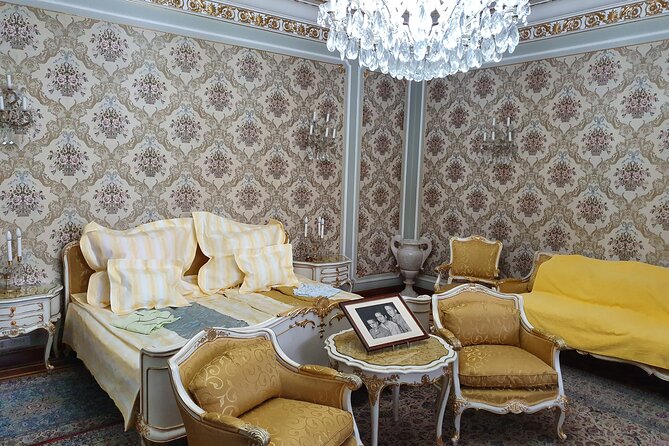
Day five reaches Săpânța and the Merry Cemetery, one of Romania’s most distinctive cultural stops. Brightly painted crosses show scenes from the lives of the dead, accompanied by humorous poems. The tone is unusual, but not careless. Humor becomes a way to remember ordinary work, family life, habits, and human faults.
Give yourself time to look beyond the colors. The cemetery is valuable because it feels local and personal, not because it fits a tidy tourist category. One hour is enough for the main visit, and your guide can help explain the customs and symbolism.
The Memorial of the Victims of Communism and of the Resistance in Sighet adds a much darker chapter. Two hours here confronts the repression, imprisonment, and suffering caused by the communist regime. This visit is emotionally heavier than the day’s first stop, but it gives necessary depth to the political story introduced in Bucharest.
I appreciate the pairing. The Merry Cemetery shows a community shaping memory through art and humor. The memorial shows what happens when a state tries to control memory through fear. Together they offer a more honest picture of Romania than a castle-only itinerary could provide.
Wooden monasteries and painted houses in Bukovina
Barsana Monastery begins day six with one of the route’s most photogenic religious sites. Its wooden church reaches about 57 meters, and the complex is known for its carefully maintained setting and traditional building style. You have 45 minutes, enough for a focused visit but not a long spiritual retreat.
Tihuța Pass connects Transylvania with Bukovina and Moldavia. The pass is tied to the Borgo Pass in Bram Stoker’s Dracula, although Stoker most likely knew the name from a map and never visited the region. That detail is worth keeping in mind: the Dracula connection is literary, not evidence that the author saw the site himself.
The stop lasts two hours and includes the area around Hotel Castel Dracula. You can enjoy the mountain setting while separating historical Romania from the fictional vampire story. That makes the visit more fun, not less.
Ciocănești is a fine example of why this tour includes smaller villages. Houses are decorated with painted traditional motifs, and the village stretches along the Golden Bistrița River among pine and spruce forests and meadows. You get one hour here, enough to see the distinctive façades and understand how local identity has become part of the village itself.
Day seven is devoted to Bukovina’s famous painted monasteries. Voroneț is known for its intense blue frescoes and was founded by Stephen the Great in 1488 after his victory at Vaslui. Its nickname, the Sistine Chapel of the East, sets high expectations, but the exterior paintings give the site a strong visual identity of its own.
Humor Monastery, built about 500 years ago, shows another side of the region’s religious architecture. Its fortified design reflects the need to protect spiritual and material treasures during periods of conflict. At 45 minutes, this is a concise visit.
Sucevița Monastery has fortified walls, defensive towers, and extensive biblical scenes painted on the church. It is part of the UNESCO-listed group of painted churches of northern Moldavia. Moldovița Monastery, built in 1532, combines Byzantine, Gothic, and Moldavian elements, with murals inside and outside.
Four monasteries in one day can feel repetitive if you are not interested in religious art. If you are, this is one of the tour’s strongest stretches. To get the most from it, pay attention to differences in color, composition, fortification, and setting instead of treating each church as another photo stop.
Folk art, a mountain gorge, and Sighișoara
Day eight adds two very personal museums. The Lucia Condrea International Egg Museum in Moldovița contains more than 5,500 exhibits arranged across two floors and 56 display cases. One hour gives you a lively look at decorated eggs and the artistic traditions of Bukovina.
The Popa Museum in Târpești is more intimate. It was created in the founder Nicolae Popa’s own house and presents his naive sculpture and folklore work. His story includes wartime injury, imprisonment under communism, and a decision to preserve Romanian values through art.
These museums are not grand national institutions. That is their strength. You see how individual artists and local communities preserve culture through patient, highly specific work.
Bicaz Gorges brings you outdoors again. Over two hours, you follow the route beside a river that cut through the mountains and forests. The gorge provides a change of pace after museums and monasteries, although conditions and walking comfort may affect how long you want to spend outside.
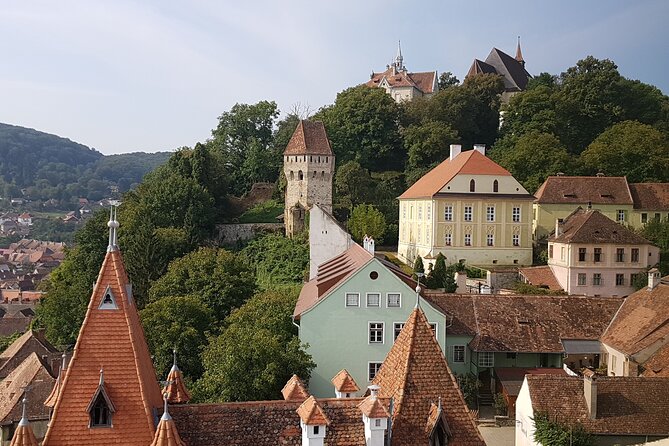
Sighișoara on day nine is one of the trip’s most rewarding town visits. The inhabited citadel dates from the medieval period and is associated with Vlad the Impaler’s birthplace. The Clock Tower and Arms Museum anchor a two-hour walk through the old town.
Sighișoara works best when you allow yourself to look past the Dracula connection. Its value is the living medieval street plan, fortified walls, towers, and continuing town life. You are not visiting a preserved stage set. You are seeing a historic town that remains part of everyday Romania.
Biertan Fortified Church follows with another two-hour visit. The church sits on a hill in a town dating to 1224 and is surrounded by three defensive walls and seven bastions. Its UNESCO status reflects the importance of the Transylvanian Saxon settlements, and the site gives you a clear view of how religion and defense were joined in medieval communities.
Brașov, Bran, and royal Peles
The final day gathers three major names. In Brașov, you walk through the old town, see the Black Church, visit the main square, and view medieval city walls. Two hours gives you a useful introduction, with some time for a café break.
The Black Church is the central sight, but Brașov’s appeal comes from the whole old center. You get a more relaxed urban finish here than at some of the archaeological and mountain stops.
Bran Castle is the most obvious Dracula stop. Its connection to Bram Stoker’s fictional castle is based on resemblance and popular association, not on proof that Stoker used the building directly. The visit is still enjoyable if you keep the distinction clear.
Outside the castle, you can try handmade cheeses, plum and pear brandy, ham, and sausages. These tastings are listed as an opportunity rather than an included meal, so budget accordingly. Two hours gives you time for the castle and the food stalls around it.
Peles Castle provides the grand finale. It was the Romanian royal family’s summer residence and is one of the country’s most polished castle visits. The two-hour stop lets you appreciate the interiors and setting without rushing through the final attraction.
The final day is busy. Brașov, Bran, and Peles could each justify a longer visit, so you will need to accept an overview. The reward is variety: medieval city life, a famous Gothic-looking fortress tied to Dracula, and a royal residence with a different sense of refinement.
What the $3,472.81 price really covers
The price is high, but it includes more than a standard day tour. You receive a private car or minibus, an English-speaking licensed guide and driver, wireless internet, fuel, parking, and road tolls. The company also covers the guide’s accommodation, meals, and entrance fees.
You still pay for your own accommodation, meals, drinks, and entrance tickets. That distinction matters. Before booking, ask for a complete estimate that includes your hotels and admissions, since the final trip cost will be higher than the advertised per-person price.
The value lies in the route and the private format. Romania is spread across several regions, and arranging this sequence independently would require careful driving, hotel planning, and research. A private vehicle also helps on a route where small villages, mountain passes, and rural churches are as important as major cities.
The tradeoff is pace. Ten days covers a remarkable amount of ground, but you will spend substantial time on roads. The ability to change the daily itinerary after the tour starts is therefore important. You can discuss removing a stop, spending longer in a town, or adjusting a day if the schedule becomes too heavy.
Who should book this private Romania circuit?
I would recommend it to couples, families, and small groups who want a guided overview without sharing a coach with strangers. It suits you especially well if you care about history, architecture, folk art, religious sites, and scenic roads, and if you prefer having transport handled for you.
It is less suitable if you want long, lazy stays in each town. It may also disappoint visitors seeking only Dracula attractions, since Dracula is one thread in a much larger story about communism, Dacian identity, village life, royal Romania, and Christian art.
The tour has a small review base, but the available feedback repeatedly praises Nicolas for personal care, enjoyable company, and service that exceeded expectations. One couple specifically valued centrally located hotels chosen with care, although accommodation is not included in the stated price. That is useful evidence about the style of service, but I would still confirm hotel standards and locations before paying.
Free cancellation is available up to 24 hours before the start time. Changes or cancellations inside that window are not accepted for a refund. Pickup is offered, confirmation arrives at booking, and the activity is private, with only your group participating.
Final verdict: a strong choice for a full first visit
Book this tour if you want Romania presented as a connected story rather than a collection of isolated sights. You will see the monumental damage of communism, the endurance of village traditions, the remains of the Dacians, the beauty of Transylvania, and the striking churches of Bukovina.
I would ask about the exact accommodation plan, the total cost of admissions, and the Transfăgărășan road before booking. If you accept long driving days and a brisk schedule, the private format and Nicolas’s attentive service make this an efficient and unusually broad introduction to Romania. If you want more free time, ask to trim the itinerary rather than trying to force every stop into ten days.
FAQ
Is this a private tour?
Yes. Only your own group participates, and transport is provided by private car or minibus.
Is an English-speaking guide included?
Yes. A private, licensed English-speaking guide and driver is available throughout the tour.
Are hotels and meals included for participants?
No. Your accommodation, meals, and beverages are not included. The company covers accommodation, meals, and entrance fees for the guide.
Are entrance tickets included in the price?
Your entrance fees are not included. The listed inclusions cover entrance fees for the guide, while the itinerary identifies admission tickets at several attractions.
When is the Transfăgărășan Highway fully open?
The highway is fully open only from June through October. Its highest point is the tunnel near Lake Bâlea, at 2,042 meters.
Can the itinerary be changed during the tour?
Yes. The tour allows considerable flexibility, including changes to the daily itinerary after the tour has started.
Just added in Bucharest
- Bucharest: Dealu Mare Winery Private Trip with Wine Tasting★ 4.9 · 6 reviews
- Winery touring & private wine tasting – one day private tour★ 5.0 · 3 reviews
- Village Museum Bucharest Guided Tour★ 5.0 · 6 reviews
- Transylvania Tour: Dracula’s Castle, Peles Palace & Brasov★ 5.0 · 19 reviews
- Transfer Airport Otopeni – Bucharest★ 5.0 · 2 reviews
- Private Transfer Bucharest Otopeni Airport (OTP) to/from Brasov★ 5.0 · 2 reviews
- Airport Henri Coanda (Otopeni) to Bucharest – Private Transfer – Driver★ 5.0 · 5 reviews
- Private Bucharest Otopeni Airport (OTP) Transfer★ 5.0 · 2 reviews
Private, compared.

Castles of Transylvania: Private Day Trip from Bucharest
Read our review →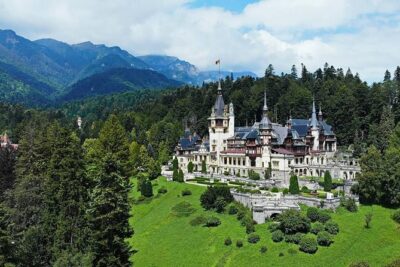
Dracula’s Castle, Peles Castle and Brasov – Private Day Trip from Bucharest
Read our review →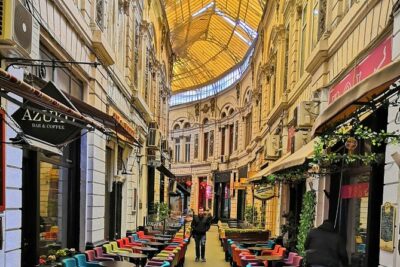
Bucharest Panoramic Sightseeing – Private City Tour
Read our review →
THERME “Take It Easy” Pack: Full Spa Access + Private Transfers
Read our review →
Piatra Craiului National Park Private Hiking Tour from Brasov
Read our review →
4h Bucharest Private Tour (2h by Car and 2h Walking in Old Town)
Read our review →