REVIEW · PRIVATE
13 Days Private Tour in Romania from Bucharest
Romania rewards the curious. This 13-day private tour links Bucharest’s communist-era landmarks with medieval towns, painted monasteries, mountain roads, wooden churches, and unusual local museums. I especially like the private car and flexible daily plan, which matter greatly on a route covering so much ground. I also like the mix of major sights and less familiar places, from Densuș Church to the Merry Cemetery. The main drawback is the pace: several days involve long drives and many stops, so this suits an active schedule more than a slow holiday.
You travel with a private English-speaking guide and driver throughout the trip, rather than joining a large coach group. The advertised price is $4,654.26 per person, a serious sum, but it covers the vehicle, fuel, parking, road tolls, guide expenses, and a great deal of planning. You still pay for your own hotels, meals, drinks, and listed entrance fees, so the final cost will be higher.
One especially useful detail is the ability to change the daily plan after the tour begins. That gives you room to linger at a castle, shorten a walk, or adjust plans around road conditions. The guide, Nicolas, is praised for his explanations and company, which is important on a journey built around history, politics, religion, and local traditions.
In This Review
- The five details that shape this Romanian journey
- Bucharest begins with power, art, and revolution
- From Curtea de Argeș to Sibiu along the Transfăgărășan
- Castles, Roman echoes, and the Dacian highlands
- Fortified churches and the Turda Gorge
- Salt, gardens, and Maramureș woodwork
- Barsana, painted houses, and the road into Bukovina
- Bukovina’s blue, red, and green monasteries
- Egg art, folk sculpture, and the Bicaz Gorges
- Sighișoara, Viscri, and the castles near Brașov
- Brașov, Bran, and royal Peleș
- Prejmer, mud volcanoes, and Snagov’s Dracula legend
- What $4,654.26 buys you
- Who should book this private Romania tour?
- FAQ
- Where does the tour begin?
- How long does the tour last?
- Is this a private tour?
- Is hotel pickup available?
- What kind of vehicle is provided?
- Is an English-speaking guide included?
- Are accommodation and meals included for me?
- Are entrance fees included?
- Is the Transfăgărășan Highway open all year?
- Can the itinerary be changed during the tour?
- How does cancellation work?
- Should you book it?
The five details that shape this Romanian journey
- A genuinely private road trip: Your group has its own tourism car or minibus, driver, and English-speaking guide.
- A route across several Romanian regions: The journey moves from Bucharest through Wallachia, Transylvania, Maramureș, Bukovina, Moldavia, and back toward Bucharest.
- Major sights mixed with unusual stops: You get Bran Castle and Peleș Castle, but also the Condrea Egg Museum, Nicolae Popa Museum, Densuș Church, and the Berca Mud Volcanoes.
- The Transfăgărășan depends on the season: This dramatic road is fully open only from June through October, with its highest point at 2,042 meters.
- History is not softened: The Palace of Parliament and the communist prison memorial offer a serious look at dictatorship and its human cost.
- A demanding but rewarding rhythm: Most days combine several stops, so comfortable walking shoes and patience with road time will help.
Bucharest begins with power, art, and revolution
The opening day gives you a useful reading of Romania before the road trip begins. At the Palace of Parliament, you confront the physical scale of Nicolae Ceaușescu’s communist project. It is the world’s second-largest administrative building after the Pentagon, and its size is the point. You do not simply admire grand rooms here. You consider what happens when a regime spends heavily on its own image while ordinary people face hardship.
Allow about two hours for the visit. The building is enormous, so expect a tour built around grand interiors, long corridors, and political context. Photography may be awkward because the structure is simply too large for an easy close-up picture.
The Dimitrie Gusti National Village Museum provides a useful change of mood. In about an hour, you see traditional Romanian homes and rural buildings gathered in one setting. It helps explain how village life was organized around local materials, household work, social ties, and religious practice. I like this stop because it gives context to the wooden churches and painted villages you see later.
The Romanian Athenaeum adds a graceful cultural note. The 45-minute visit focuses on one of Bucharest’s best-known symbols, a handsome reminder that the capital is more than communist architecture and traffic.
At Revolution Square, the tour turns back to December 1989. You see the former Central Committee building and the Senate Palace, places linked to the fall of Ceaușescu. The stop is short, but the subject is weighty. A guide can help connect the buildings to the popular uprising and the human cost of removing the regime.
Finish in Bucharest’s Old Town, where two hours gives you time to see the historic center and Hanul lui Manuc, the large fortified inn built around 1806 by Manuc Bei. This area is useful for your first taste of Romanian food and city life, though the old center can feel more commercial than the village stops later on.
A few more Bucharest days worth comparing
- Bucharest: Dracula’s Castle, Peles Castle, & Brasov Old Town
★ 4.5 · 17,858 reviews - Bucharest: Dracula Castle, Peles Castle & Brasov Old Town
★ 4.6 · 10,891 reviews - Bucharest: Dracula’s Castle, Peleș Castle & Brașov Day Trip
★ 4.5 · 5,919 reviews
From Curtea de Argeș to Sibiu along the Transfăgărășan
Day two quickly shifts from royal Wallachia to the Carpathians. Curtea de Argeș offers the ruins of the Wallachian princely court, the 13th-century Royal Church, and the monastery known for royal tombs. Its story also carries the familiar old idea that lasting beauty demands sacrifice, giving the visit a strong local legend alongside its architecture.
Poienari Castle requires more effort. The ruins sit high on a cliff above the Argeș River, and the fortress is tied closely to Vlad the Impaler. According to the historical account presented here, Vlad repaired and strengthened the site, then escaped through a secret mountain passage when Ottoman forces captured it in 1462. Allow two hours, and be ready for a climb and uneven ground. This is not the easiest castle stop, but the setting is more dramatic than a polished palace.
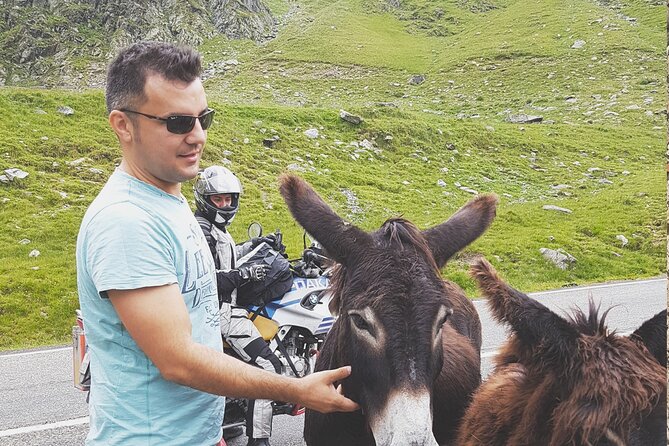
The Transfăgărășan Highway is the day’s scenic prize. It runs for more than 150 kilometers and reaches 2,042 meters at the tunnel near Lake Bâlea. The road is fully open only from June through October, so confirm seasonal access before booking around this section. Even when open, weather can affect mountain travel. The two-hour visit listed here is best understood as a scenic road segment, not a complete drive of the entire highway.
Sibiu closes the day with a gentler urban experience. Spend time around Big Square, the Evangelical Cathedral, and the old center. Sibiu’s long history and European Capital of Culture designation make it an excellent place to walk, eat, and recover from the mountain road.
Castles, Roman echoes, and the Dacian highlands
Day three is one of the most historically unusual parts of the tour. Corvin Castle in Hunedoara is a large Gothic-Renaissance fortress with towers, courtyards, and a strong storybook presence. Two hours lets you see why it is counted among Romania’s major castles, though the long drive between attractions means you should not expect a leisurely castle day.
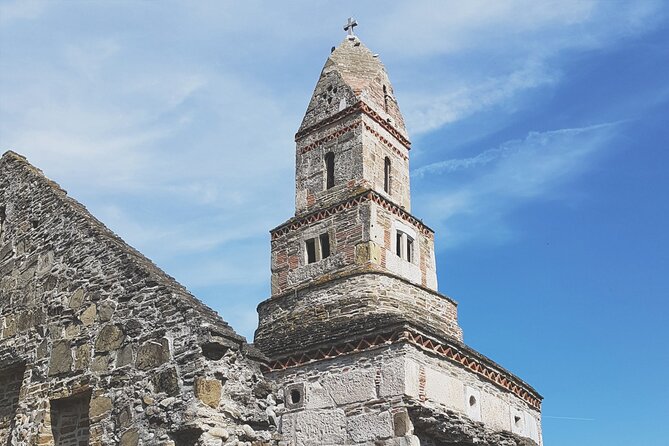
Densuș Church is smaller and stranger. Its present form dates to the 13th century, but it was built on the site of a 2nd-century Roman temple and includes materials connected with the Dacian fortress at Sarmizegetusa. Inside are 15th-century murals, including an unusual image of Jesus wearing Romanian traditional clothing. The 45-minute stop rewards close attention more than quick photography.
Sarmizegetusa Regia takes you into the Orăștie Mountains. This was the Dacian capital and the center of a wider military, religious, and political system. Built at about 1,200 meters, the site includes six defensive citadels. Two hours is enough for an introduction, but the mountain setting and archaeological remains deserve a slower pace if your group enjoys ancient history.
Fortified churches and the Turda Gorge
Biertan introduces the Transylvanian Saxons, whose fortified churches shaped many villages in the region. The church sits on a hill in the town center, protected by three defensive walls and seven bastions. The 90-minute visit gives you time to understand why these were places of worship and defense at once.
At Cheile Turzii, you trade masonry for rock walls and a cool stream. The gorge has routes of different lengths and difficulty, with the easiest option following the bottom beside the water. Two hours is enough for a taste of the reserve, but your enjoyment will depend on footwear, weather, and how far you choose to walk. It is one of the few stops where you can stretch your legs after a long run of historical sites.
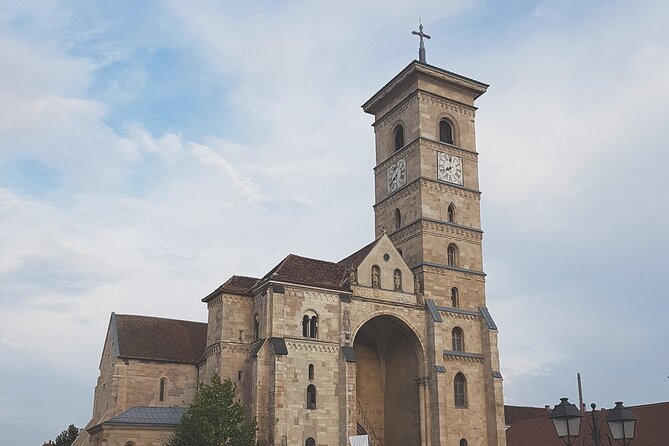
Alba Carolina Citadel in Alba Iulia is a large star-shaped Habsburg fortress built between 1715 and 1738. Around 20,000 serfs worked on its construction, and it replaced earlier Roman and medieval fortifications. The two-hour visit helps connect Roman Apulum, medieval Transylvania, and Habsburg military design in one place.
A completely different kind of day out:
- Bucharest: Palace of Parliament Tickets and Guide
★ 4.3 · 3,182 reviews - Bucharest: Day Trip to Dracula Castle, Peles Castle & Brașov
★ 4.4 · 3,049 reviews - Bucharest to Dracula Castle, Peles Castle and Brasov Guided Tour
★ 4.5 · 2,933 reviews - Bucharest: Palace of Parliament Tickets and Guided Tour
★ 4.4 · 1,877 reviews
Salt, gardens, and Maramureș woodwork
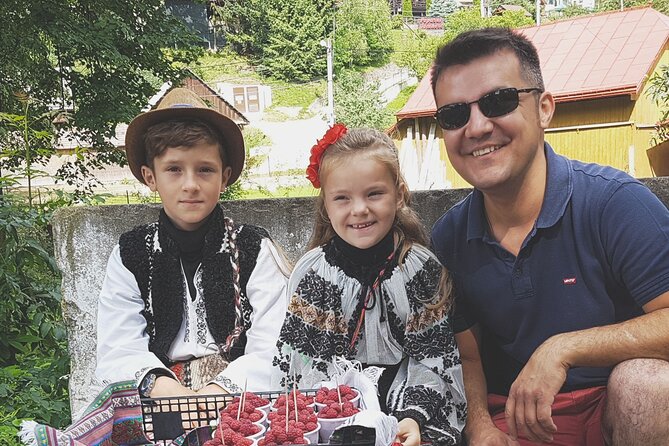
Salina Turda is one of the route’s most memorable changes of scale. Two hours underground gives you a look at a former salt mine turned major attraction. The saline air is often promoted for respiratory benefits, but you should treat that as a feature of the environment, not medical treatment. The mine can also be cool, so a light layer is sensible.
Cluj-Napoca follows with the Alexandru Borza Botanical Garden and an introduction to the old city center. One hour at the garden is brief, while the city itself offers Baroque, Renaissance, and Gothic buildings, along with restaurants serving local food. If you enjoy cities, you may wish the schedule allowed more time here.
The Surdești Wooden Church is a powerful example of Maramureș craftsmanship. Its tower reaches about 54 meters, while the church’s total height is described as about 72 meters. Built in 1721, it shows what local builders could achieve with wood long before modern equipment. The stop lasts only 45 minutes, so look up as much as you look inside.
The Merry Cemetery in Săpânța is unlike any burial ground most people know. Brightly painted crosses carry humorous poems about the lives and deaths of local people. The humor can feel startling at first, but it reflects a different way of facing death, memory, and community.
At the Memorial of the Victims of Communism and of the Resistance, the tone changes sharply. Allow two hours for a serious account of imprisonment, political oppression, and suffering under the communist regime. It is one of the most important stops for understanding modern Romania, and it deserves more attention than a quick photo stop.
Day seven gives you a full day in Maramureș County. The description is broad, with eight hours devoted to nature and the region rather than a fixed list of attractions. That open space may be welcome after the packed schedule, though you should ask Nicolas what the day will include before setting expectations.
Barsana, painted houses, and the road into Bukovina
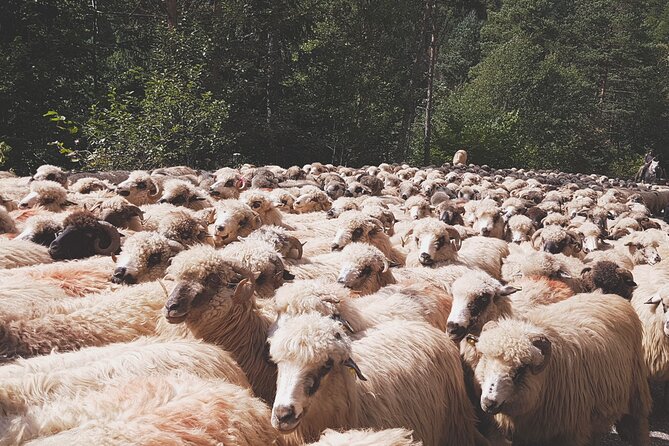
Barsana Monastery offers one of the tour’s most graceful settings. Its wooden church reaches about 57 meters, and the monastery grounds connect traditional building with religious life. The visit lasts 45 minutes, enough for the main impression but not a long spiritual retreat.
Tihuța Pass links Bistrița with Vatra Dornei through the Bârgău Mountains. It became famous as the Borgo Pass in Bram Stoker’s Dracula, although Stoker never visited the area. The pass also has Hotel Castel Dracula, built in 1976 at an elevation of 1,116 meters. The connection to the novel is literary rather than historical, which makes this a good place for a little myth without confusing it with fact.
Ciocănești is a practical example of living tradition. Houses along the Golden Bistrița River are painted with traditional motifs, and the village is surrounded by spruce and pine forests and meadows. One hour here lets you see how local design has become part of the village’s public identity.
Bukovina’s blue, red, and green monasteries
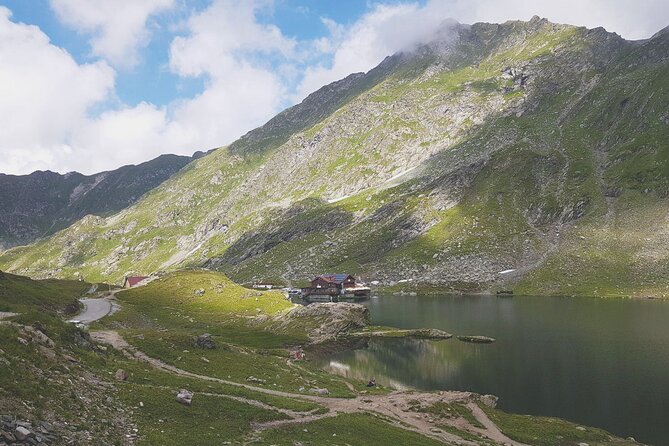
Day nine is devoted to the painted monasteries of Bukovina. Voroneț is the star, famous for its intense Voroneț blue and murals on the exterior. Built by Stephen the Great in 1488 in only three months and three weeks, it commemorated his victory at Vaslui. The nickname Sistine Chapel of the East is easy to understand once you see the painted walls, though the Romanian colors and setting give it a character of its own.
Humor Monastery offers another fortified religious site, built roughly 500 years ago. Its history includes destruction and rebuilding, a pattern repeated across Romania as communities protected sacred places through war and political change.
Sucevița Monastery is another major stop, with biblical scenes covering the fortified church walls. The paintings work almost like a visual book, making the site accessible even if you do not know the Bible well.
Moldovița Monastery completes the day. Founded in 1532, it combines Byzantine, Gothic, and Moldavian elements, with murals inside and outside. Forty-five minutes at each monastery is efficient, but the repeated schedule may feel tiring if you want time for quiet observation.
Egg art, folk sculpture, and the Bicaz Gorges
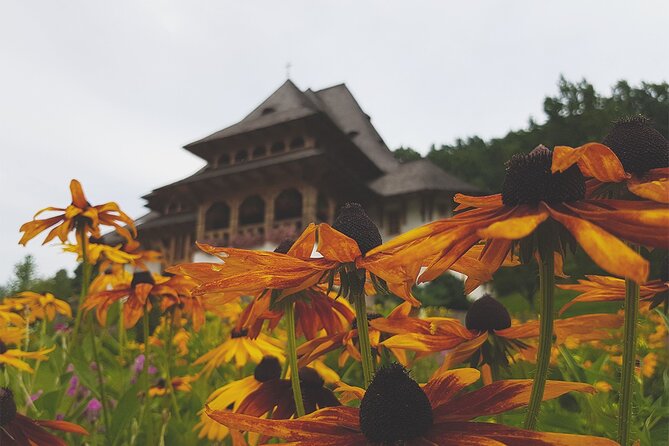
The Lucia Condrea International Egg Museum is one of the tour’s most distinctive stops. Opened in Moldovița in 1993, it contains more than 5,500 decorated eggs displayed across two floors and 56 cases. One hour is enough to appreciate the range of artistic work, and it adds a household craft perspective after days of monumental churches.
The Nicolae Popa Museum in Târpești offers a more personal story. Popa founded the museum in his own home in the 1970s. After being wounded in the Second World War and imprisoned by the communist regime, he created sculptures and folklore art focused on Romanian values. The 45-minute stop is especially worthwhile if you prefer artists’ homes and personal collections to formal museums.
At the Bicaz Gorges, a two-hour walk follows a river through mountain rock and forest. It is another welcome outdoor break, though the tour gives no detailed route or difficulty level. Ask about the walking plan if anyone in your group has mobility concerns.
Sighișoara, Viscri, and the castles near Brașov
Sighișoara’s Clock Tower and Arms Museum anchor a two-hour visit to one of Romania’s best-preserved medieval towns. The citadel dates to 1280 and has remained inhabited for more than 700 years. Its connection with Vlad the Impaler adds Dracula-era interest, but the real value is the living medieval street plan and fortified setting.
Viscri’s white fortified church gives you a quieter village experience. The church began with a 12th-century Szekler building, expanded under German colonists, and gained defensive walls in the 15th century. Two hours lets you appreciate the church and its changing uses, including fortification spaces later used for storage and even a kindergarten.
Rupea Fortress rises on a 120-meter basalt cliff. Built by Transylvanian Saxons and first recorded in 1324, it was restored between 2010 and 2013. The one-hour visit is compact, but the elevated position gives the fortress a clear visual impact.
Brașov, Bran, and royal Peleș
Brașov’s Black Church, old square, and medieval walls make an excellent walking day. Two hours is enough for a guided introduction, followed by café time if the schedule allows. The town is attractive and easy to enjoy, but its popularity means you may prefer the quieter village churches elsewhere on the route.
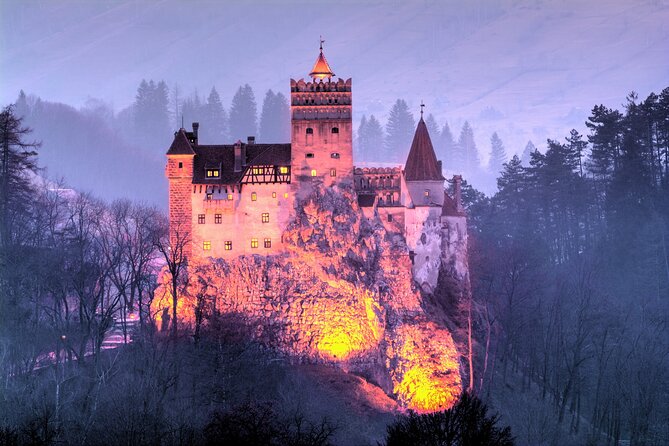
Bran Castle is the most famous Dracula stop, though its link to Bram Stoker’s fictional castle is based on resemblance and popular belief. The visit lasts two hours, and outside the castle you can sample handmade cheeses, plum and pear brandy, ham, and sausages. Those food tastings add a practical local flavor, but remember that meals and drinks are not included in the tour price.
Peleș Castle offers a different kind of grandeur. It was the Romanian royal family’s summer residence, and two hours here lets you see the contrast between a royal palace and Bran’s fortress image. If you want polished interiors and royal history, Peleș may be the strongest castle of the trip.
Prejmer, mud volcanoes, and Snagov’s Dracula legend
The final day begins at Prejmer’s fortified church, a UNESCO World Heritage site. Founded by the Teutonic Knights and later taken over by the Transylvanian Saxon community, it changed from Catholic to Lutheran after the Reformation. The 45-minute visit is short, but the church completes the tour’s long story of fortified religious life.
The Berca Mud Volcanoes offer an entirely different sight. Natural gas rising from about 3,000 meters pushes salty water and mud toward the surface, creating small cone-shaped formations. Allow three hours, and expect a geological reserve rather than a polished attraction. The ground can be uneven, and the visual appeal depends on your interest in unusual natural processes.
Snagov Monastery closes the journey with the Dracula legend. It is associated with the tomb of Vlad the Impaler, although Dracula himself belongs to fiction. The 90-minute stop works best as a final look at how Romanian history, local tradition, and global pop culture have become linked.
What $4,654.26 buys you
At $4,654.26 per person, this is not a budget tour. The value comes from having a private vehicle, a dedicated English-speaking guide and driver, fuel, parking, tolls, guide accommodation and meals, internet in the car, and flexibility to change the route.
Your own accommodation, food, drinks, and entrance fees are excluded. That distinction matters. The information also describes entrance fees as included at individual stops while later stating that entrance fees are not included, so confirm exactly what your payment covers before booking. The safest approach is to request a written cost breakdown for your group size.
The price makes more sense for families or friends sharing a private vehicle than for a solo visitor. Group discounts are available, and a private minibus can spread the cost across several people. You are also paying for time saved on planning, a continuous driver-guide, and access to a route that would be complicated by public transportation.
Who should book this private Romania tour?
I would choose this tour if you want to see a large part of Romania in one trip and prefer a guide who can explain the country’s political, religious, and medieval past as you go. It is a strong fit for families, couples, and small groups who value privacy and route flexibility.
You should think twice if you want long stays in each town, relaxed mornings, or independent evenings. The schedule is packed, some roads are long, and several attractions receive only 45 minutes. The Transfăgărășan also requires seasonal planning.
Nicolas is specifically praised for his company and explanations, so the guide relationship appears to be a major part of the experience. If you book, ask him early about walking intensity, seasonal road access, hotel arrangements, and the unclear entrance-fee wording.
FAQ
Where does the tour begin?
The tour begins in Bucharest, Romania.
How long does the tour last?
The tour lasts approximately 13 days.
Is this a private tour?
Yes. Only your group participates, and the vehicle is reserved for you and your friends or family.
Is hotel pickup available?
Pickup is offered.
What kind of vehicle is provided?
The tour uses a private tourism car or minibus reserved for your group.
Is an English-speaking guide included?
Yes. A private licensed English-speaking guide and driver is available throughout the tour.
Are accommodation and meals included for me?
No. Your accommodation, meals, and beverages are not included. The provider covers accommodation and meals for the guide.
Are entrance fees included?
The published information is inconsistent. Individual stops are marked with included admission, while the exclusions state that entrance fees are not included. Confirm this point before booking.
Is the Transfăgărășan Highway open all year?
No. The road is fully open only from June through October.
Can the itinerary be changed during the tour?
Yes. The tour allows substantial flexibility, including changes to the daily itinerary after the tour has started.
How does cancellation work?
You can cancel at least 24 hours before the start time for a full refund. Cancellations or changes made within 24 hours are not accepted for a refund.
Should you book it?
Book this private Romania tour if you want a broad, guided introduction to the country and are happy to trade slow travel for variety. You will see communist Bucharest, Dacian ruins, Saxon churches, Carpathian roads, Maramureș traditions, Bukovina monasteries, Transylvanian castles, and Dracula-linked sites in one sweeping route.
Before paying, confirm the entrance-fee policy, the exact hotels, the group discount, and the seasonal plan for the Transfăgărășan. If those details fit your budget, the private format and Nicolas’s guide service make this an ambitious but practical way to see Romania well beyond Bucharest.
Just added in Bucharest
- Bucharest: Dealu Mare Winery Private Trip with Wine Tasting★ 4.9 · 6 reviews
- Winery touring & private wine tasting – one day private tour★ 5.0 · 3 reviews
- Village Museum Bucharest Guided Tour★ 5.0 · 6 reviews
- Transylvania Tour: Dracula’s Castle, Peles Palace & Brasov★ 5.0 · 19 reviews
- Transfer Airport Otopeni – Bucharest★ 5.0 · 2 reviews
- Private Transfer Bucharest Otopeni Airport (OTP) to/from Brasov★ 5.0 · 2 reviews
- Airport Henri Coanda (Otopeni) to Bucharest – Private Transfer – Driver★ 5.0 · 5 reviews
- Private Bucharest Otopeni Airport (OTP) Transfer★ 5.0 · 2 reviews
Private, compared.

Castles of Transylvania: Private Day Trip from Bucharest
Read our review →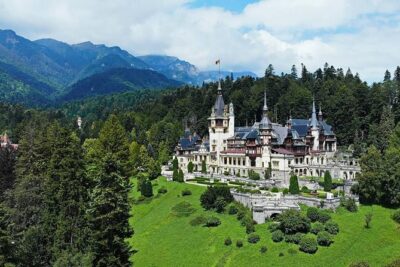
Dracula’s Castle, Peles Castle and Brasov – Private Day Trip from Bucharest
Read our review →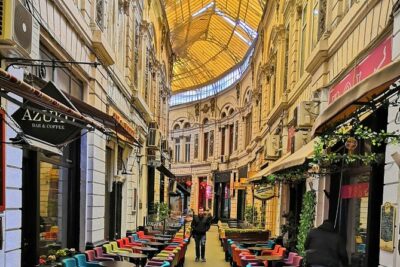
Bucharest Panoramic Sightseeing – Private City Tour
Read our review →
THERME “Take It Easy” Pack: Full Spa Access + Private Transfers
Read our review →
Piatra Craiului National Park Private Hiking Tour from Brasov
Read our review →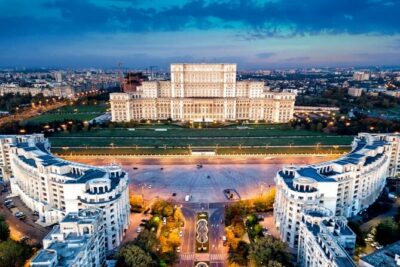
4h Bucharest Private Tour (2h by Car and 2h Walking in Old Town)
Read our review →