REVIEW · TOURS
14-Day The Best of The Balkans Small Group Tour from Bucharest to Budapest
Ten countries, two weeks, one small bus. This fast-moving route links Orthodox monasteries, Adriatic ports, Roman ruins, mountain lakes, and grand Danube cities without asking you to plan every border crossing or hotel. I especially like the maximum group size of 15 and the included transport, since both make a complicated region easier to handle. I also like the mix of famous sights and less expected stops, such as the Bay of Bones and Kruja’s old bazaar. The main drawback is pace: you cover a huge part of southeastern Europe, so several days involve long drives and brief visits.
The tour costs $3,009.77 per person and includes 13 hotel nights, 13 breakfasts, an air-conditioned vehicle, and a tour director who also drives. That is a fair package price for this route, but it is not a fully paid sightseeing pass. Church, museum, fortress, cave, and boat fees are often extra, and tips are not included.
In This Review
- Key points to know before booking
- What $3,009.77 buys you on this Balkans route
- Days 1 and 2: Bulgarian churches, Tsars, and mountain faith
- Days 3 and 4: Skopje, Ohrid, and the old roads into Albania
- Days 5 and 6: Kruja, Budva, Kotor Bay, and Dubrovnik
- Day 7: A full free day in Dubrovnik
- Days 8 and 9: Mostar, Split, and the waterfalls of Plitvice
- Days 10 and 11: Postojna Cave, Ljubljana, and Zagreb
- Days 12 to 14: Belgrade, Novi Sad, and Budapest
- How the small group and guide affect the trip
- Who should book this trip?
- Final verdict: a strong route for first-time Balkan explorers
- FAQ
- How long is the tour?
- Where does the tour begin and end?
- How large is the group?
- Are hotels and breakfast included?
- Are entrance fees included?
- What clothing is required at religious sites?
Key points to know before booking
- A remarkable cross-border route: You travel from Bucharest through Bulgaria, North Macedonia, Albania, Montenegro, Croatia, Bosnia and Herzegovina, Slovenia, Serbia, and Hungary.
- A very small group: The vehicle carries no more than 15 people, allowing a more personal trip than a large coach tour.
- Thirteen hotel nights included: Accommodation is in 3-star and 4-star hotels, with breakfast every morning.
- The scenery changes constantly: Expect the Danube, Ohrid, the Adriatic coast, Plitvice Lakes, Postojna Cave, and the Danube in Budapest.
- A guide-driver handles the hard parts: Border crossings, route changes, local timing, and daily visit order are managed for you.
- Bring extra money for admissions: Many major sights are visited but are not included in the tour price.
What $3,009.77 buys you on this Balkans route
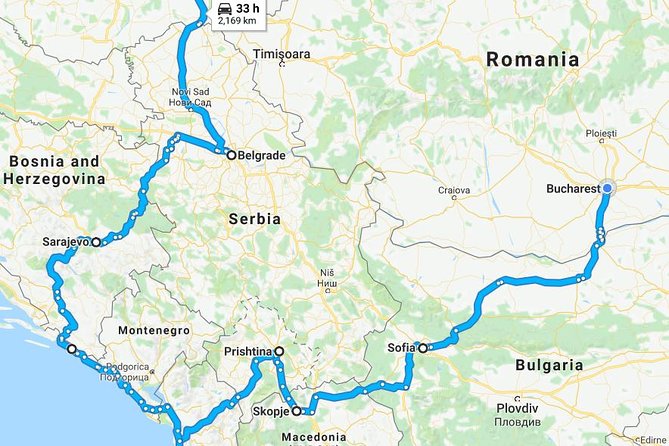
The strongest value here is time. Planning a trip across ten countries can mean researching transport, checking border requirements, booking hotels in different currencies, and working out how to reach places such as Rila Monastery, St. Naum, Plitvice, and Postojna Cave. This tour puts those pieces under one roof.
You receive 13 nights in 3-star and 4-star hotels, plus breakfast each morning. The exact hotels vary by stop, but the route specifies stays in places such as Lapad in Dubrovnik, Korenica near Plitvice Lakes, and a 4-star hotel in Budapest. For a multi-country trip, that removes a large amount of daily friction.
The price is less attractive if you planned to visit only two or three countries. It becomes more reasonable if you value convenience and want a broad first look at the Balkans. Transportation is included, but the phrase all-inclusive should not be read too literally. Admissions to many churches, museums, fortresses, caves, and boat trips come separately.
You should also budget for tips to the driver and guide. Breakfast is included, but the supplied details do not say that lunches, dinners, or optional activities are covered. Free time is available in Dubrovnik and Budapest, and the tour company says the newer version includes more free time and a free day at your disposal, but the daily schedule remains full.
A few more Bucharest days worth comparing
- Bucharest: Dracula’s Castle, Peles Castle, & Brasov Old Town
★ 4.5 · 17,858 reviews - Bucharest: Dracula Castle, Peles Castle & Brasov Old Town
★ 4.6 · 10,891 reviews - Bucharest: Dracula’s Castle, Peleș Castle & Brașov Day Trip
★ 4.5 · 5,919 reviews
Days 1 and 2: Bulgarian churches, Tsars, and mountain faith
You leave Bucharest at 9:00 am and cross the Danube into Bulgaria. The first stop is a 16th-century Church of the Nativity in Arbanasi, known for its painted interior. Admission is extra, and the visit lasts about an hour.
Next comes Veliko Tarnovo, the former capital of the Second Bulgarian Kingdom. Two hours here cover the main sights, including Tsarevets Fortress, the Asenevtsi monument, and Samovodska Charshia. The fortress gives the city its grand historical setting, while the old craft street offers a more everyday feel.
Sofia arrives in the early evening. The walking tour takes in Alexander Nevsky Cathedral, the small but important Saint Sofia Church, Banya Bashi Mosque, the Sofia Synagogue, and Vitosha Boulevard. This compact list shows one of the route’s strengths: you get a useful first orientation rather than spending your entire day inside one museum.
On Day 2, Rila Monastery is the major stop. This UNESCO World Heritage Site began in the 10th century under Saint Ivan of Rila and served for centuries as a center of Bulgarian Orthodox culture. The church is the focus, with 19th-century painting and woodcarving from several Bulgarian artistic schools.
The visit lasts about an hour, and admission is not included. From there, you cross into North Macedonia and reach Skopje in the evening. The short orientation around Skopje helps you get your bearings, but you should not expect a full city visit until the next morning.
Days 3 and 4: Skopje, Ohrid, and the old roads into Albania
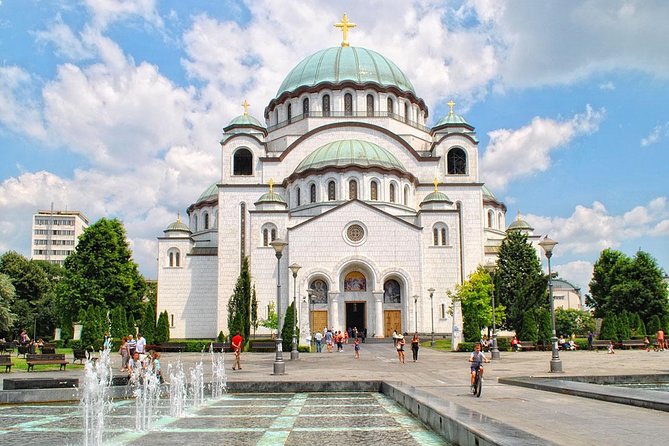
Skopje gets a proper walking tour on Day 3. You see the Vardar riverfront, Macedonia Square, the Mother Teresa Memorial House, the Old Bazaar, and Kale Fortress. The bazaar is one of the most atmospheric parts of the city, with narrow streets and a long connection to Ottoman-era commerce.
The route also includes the large statue of Alexander the Great on horseback. It is an important reminder that Skopje’s modern center has been shaped as much by recent public projects as by older buildings.
Then you drive to Ohrid, another UNESCO-listed place. The old city climbs above the lake, with narrow streets, churches, basilicas, the Ancient Theater, Samuel’s Fortress, and a pedestrian shopping street. Lake Ohrid is described as more than three million years old, giving the setting a scale that goes beyond a pretty waterfront stop.
Three hours in Ohrid is enough for a strong introduction, but not enough for every church and viewpoint. Wear shoes with a good grip, since old-town streets and fortress approaches can be uneven. Some admissions are extra.
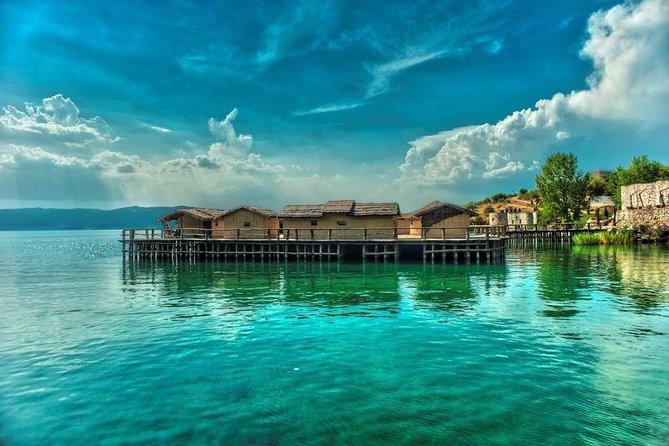
Day 4 begins at the Bay of Bones Museum, a reconstruction of a prehistoric pile-dwelling settlement dating from roughly 1200 to 700 BC. The site also includes a Roman military fortification. It is a smart addition because it gives the lake a human story from long before the medieval churches.
At Saint Naum Monastery, you visit a dramatic religious site above Lake Ohrid and take a small rowing boat to the springs of the Black Drim River. The boat ride and monastery admission are not included, so ask the tour manager about the day’s costs before setting out.
Tirana follows the Macedonian-Albanian border crossing. The city tour covers Skanderbeg Square, the National History Museum, the Palace of Culture, the National Bank, Et’hem Bey Mosque, and Skanderbeg’s statue. The day ends in Kruja, where the fortress and old bazaar connect directly to the story of Albania’s national hero, George Castriot Skanderbeg.
Days 5 and 6: Kruja, Budva, Kotor Bay, and Dubrovnik
Kruja receives a second visit on Day 5, this time with the castle museum and traditional market. The museum provides a short lesson in Albanian history, while the old bazaar is the place to look for local souvenirs. Do not rush the market if you enjoy browsing, but remember that the overall day also includes a border crossing into Montenegro.
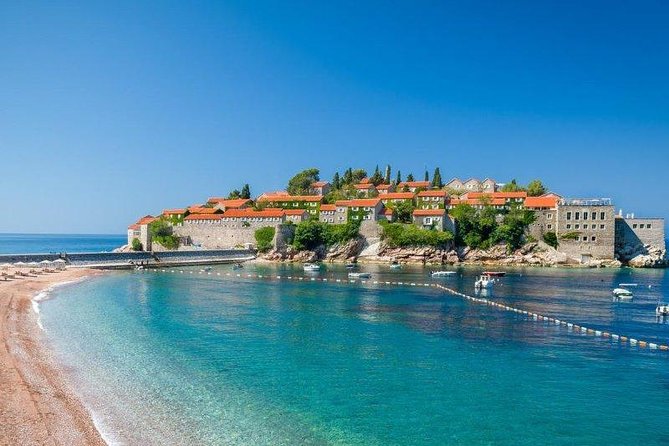
Budva offers a quick taste of Montenegro’s Adriatic coast. The two-hour visit covers the old town, city walls, Citadel, marina, beaches, church square, and several streets and viewpoints. This is a photo-heavy stop, but the time is limited. If you want a slow coastal morning, this schedule will feel brisk.
The evening arrival is in Kotor, where you explore Stari Grad, the fortified old town. Its UNESCO designation reflects the importance of the medieval walls and stone streets. The itinerary wording shifts between Stari Bar and Kotor, so confirm the exact stop order with the tour manager on the day.
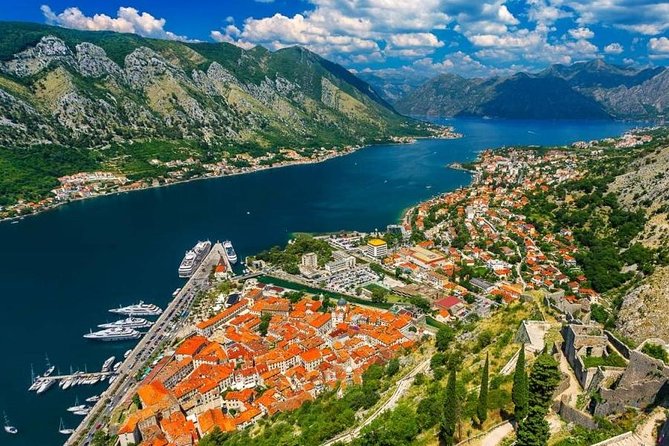
Day 6 is devoted to the Bay of Kotor. You visit Perast, take a boat to Our Lady of the Rocks, and continue toward Tivat and Porto Montenegro. Boat costs are extra. This is one of the route’s most scenic sections, but conditions on the bay and traffic along the coast can affect timing.
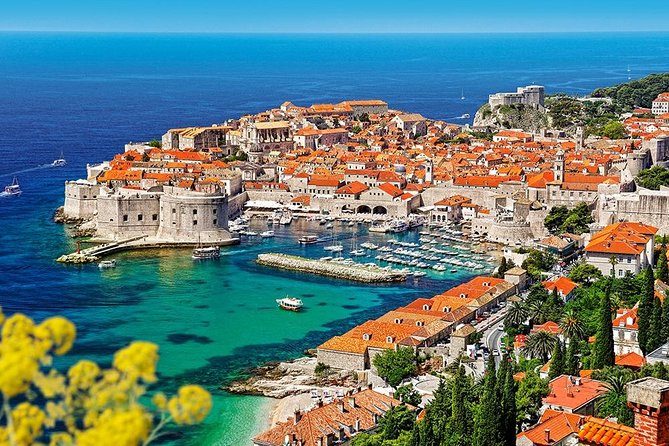
After crossing into Croatia, you reach Dubrovnik. The guided walk includes Onofrio’s Fountain, Prijeko Street, and the Old Port. Dubrovnik is compact, polished, and visually powerful, but the old town can feel crowded and expensive during busy periods. The included walk gives you the essential shape of the city without forcing you into every paid attraction.
A completely different kind of day out:
- Bucharest: Palace of Parliament Tickets and Guide
★ 4.3 · 3,182 reviews - Bucharest: Day Trip to Dracula Castle, Peles Castle & Brașov
★ 4.4 · 3,049 reviews - Bucharest to Dracula Castle, Peles Castle and Brasov Guided Tour
★ 4.5 · 2,933 reviews - Bucharest: Palace of Parliament Tickets and Guided Tour
★ 4.4 · 1,877 reviews
Day 7: A full free day in Dubrovnik
A full day in Dubrovnik is one of the smartest choices in the program. You stay in the same 3-star hotel in Lapad, avoiding a pack-and-unpack routine after the previous coastal drive.
You can use the day for an optional boat trip to the Elafiti Islands or a Blue Cave excursion through local operators. The tour manager can help with directions and choices, but these activities are not part of the tour price. If you would rather keep costs down, Lapad’s promenade and beach offer a simple alternative.
This free day also gives you time to explore at your own speed. You might walk the old town again, sit by the Adriatic, or use public transport from Lapad if you want more independence. After several tightly arranged days, the breathing room matters.
Days 8 and 9: Mostar, Split, and the waterfalls of Plitvice
The next morning takes you into Bosnia and Herzegovina for Mostar. The Old Bridge Area and old city are UNESCO-listed, and the two-hour visit focuses on the bridge and historic center. Mostar is a place where the setting and the recent past are closely linked, so a little free time to pause and look beyond the main crossing is useful.
You return to Croatia for Split, home to the 4th-century Palace of Diocletian. The palace is not an isolated ruin. It forms the core of the modern historic center, where streets, shops, and daily city life occupy the Roman structure.
The following day brings Plitvice Lakes National Park. A five-hour walk lets you see the connected lakes and waterfalls, with water colors changing according to sunlight and conditions. This is among the tour’s biggest nature stops, and it deserves the long visit.
Good footwear is important. The park visit depends on weather, and the administration may close the site in poor conditions. The tour manager can adjust the schedule if possible, but there is no guarantee that a substitute visit will match Plitvice.
You spend the night in Korenica, close to the park. That location is practical because it avoids an unnecessary return drive after the walk.
Days 10 and 11: Postojna Cave, Ljubljana, and Zagreb
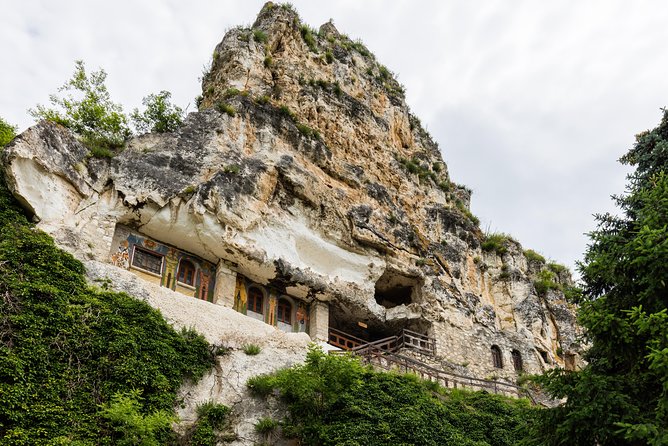
Crossing into Slovenia, you visit Postojna Cave, described as Europe’s largest show cave. The experience includes an electric train and a guided cave visit, though admission is extra. After several open-air historic towns, this offers a welcome change of setting.
You arrive in Ljubljana later in the day, then explore the city properly on Day 11. The walk includes Congress Square, the National University Library, Cobbler’s Bridge, Prešeren Square, the Franciscan Church, the Three Bridges, the riverfront, the market, St. Nicholas Cathedral, Butcher’s Bridge, Dragon Bridge, and the town hall area.
Ljubljana works well on foot, and the three-hour tour covers a lot without requiring a separate excursion. Keep your camera ready around the river and bridges, but allow time to look up at the facades and church interiors.
Zagreb follows, with a three-hour walk through the Upper and Lower Towns. You see Lotrščak Tower, St. Catherine’s Church, the Stone Gate, Parliament, Tkalčićeva Street, Dolac Market, Kaptol, and Ban Jelačić Square. The route gives you both medieval Zagreb and the later city below it.
Days 12 to 14: Belgrade, Novi Sad, and Budapest
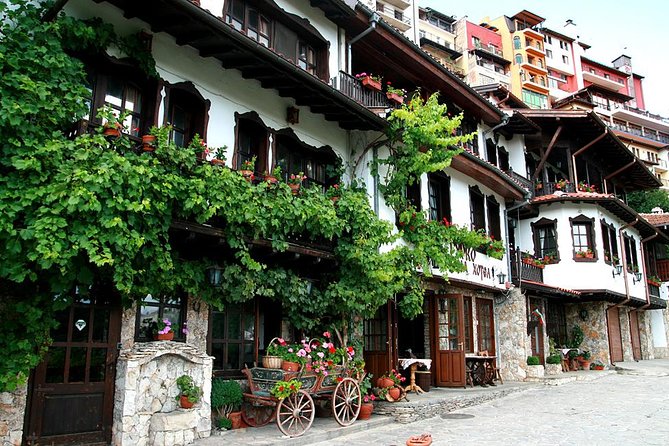
Belgrade arrives on Day 12. The walking tour covers Republic Square, the National Theatre, the National Museum, Skadarlija, Kalemegdan Park, Belgrade Fortress, and the Victor monument at the meeting point of the Sava and Danube rivers.
This is a city where the best moments come from contrasts: Ottoman traces, grand civic buildings, a bohemian quarter, and a fortress overlooking two major rivers. Three hours gives you a solid introduction, but free time is limited.
On Day 13, Novi Sad breaks up the journey to Budapest. You walk Zmaj Jovina Street, Dunavska Street, the promenade, and the Danube embankment, with views toward Petrovaradin Fortress. The stop lasts two hours, so treat it as an orientation rather than a full visit to the fortress.
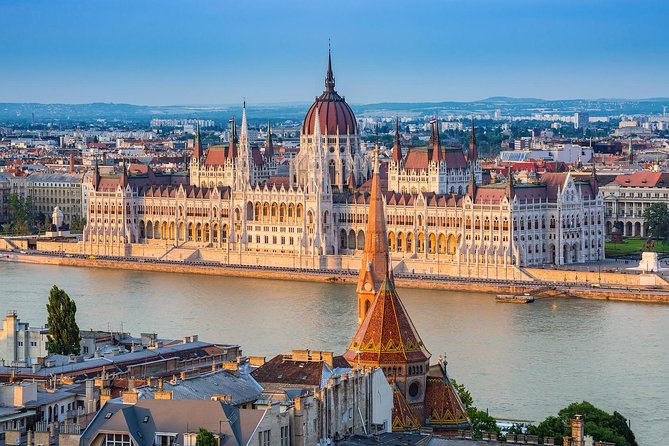
Budapest arrives in the evening, followed by a one-hour Danube cruise. It is a fitting final introduction to the city, with major sights viewed from the river. The cruise depends on weather, water levels, and navigation restrictions. If it moves to the next day, you must make your own way to the dock because the tour manager’s service ends with the scheduled final day.
Day 14 is free in Budapest. Suggested sights include Heroes’ Square, Andrássy Avenue, St. Stephen’s Basilica, the Dohány Street Synagogue, and the Castle District in Buda. You should arrange any airport transfer early, since it is not included and may be available only at an extra cost.
How the small group and guide affect the trip
A group capped at 15 people is a major advantage on a route with frequent stops and border crossings. You can hear the guide more easily, get through short orientation walks without losing the group, and ask for help when weather or traffic changes the plan.
The tour director also drives, which has both benefits and limits. You get one person responsible for the route and daily decisions, but the guide must divide attention between driving and commentary. The supplied feedback praises the guide’s effort to meet the needs of a small group and notes that the Romanian guide spoke English well enough to make the trip work.
There are only two published ratings, so I would treat that praise as encouraging but not decisive. The practical lesson is to expect a hardworking escort rather than a specialist historian at every stop.
Who should book this trip?
I would recommend it to you if you want a broad first visit to the Balkans and prefer someone else to manage hotels, transport, and border crossings. It suits people with moderate physical fitness, since the itinerary includes long walking tours, old stone streets, fortress approaches, nature trails, and busy travel days.
It is less suitable if you want deep time in each city. You often get one to three hours at major stops, with a longer free day in Dubrovnik and Budapest. You should also be comfortable with changing the order of visits because of traffic, weather, national holidays, or local restrictions.
Pack modest clothing for churches and selected museums. Knees and shoulders must be covered for both men and women, and shorts or sleeveless tops may lead to refused entry.
Final verdict: a strong route for first-time Balkan explorers
Book this tour if your priority is range. In 14 days, you see mountain monasteries, old bazaars, Roman remains, Adriatic towns, Balkan capitals, national parks, caves, and the Danube. The small group, included breakfasts, and air-conditioned transport make the $3,009.77 price easier to justify.
Skip it if you prefer slow mornings, long museum visits, or the freedom to change plans daily. This is a packed introduction, not a relaxed regional stay. For an energetic first sweep through southeastern Europe, though, it offers an impressive amount of ground with surprisingly little planning left for you.
FAQ
How long is the tour?
The tour lasts approximately 14 days and includes 13 nights of accommodation.
Where does the tour begin and end?
It begins in Bucharest, Romania, and ends in Budapest, Hungary.
How large is the group?
The maximum group size is 15 people.
Are hotels and breakfast included?
Yes. The price includes 13 nights in 3-star and 4-star hotels and 13 breakfasts.
Are entrance fees included?
No. Admissions to many museums, churches, fortresses, caves, and boat trips are not included.
What clothing is required at religious sites?
Knees and shoulders must be covered for both men and women. Shorts and sleeveless tops may result in refused entry at places of worship and selected museums.
Just added in Bucharest
- Bucharest: Dealu Mare Winery Private Trip with Wine Tasting★ 4.9 · 6 reviews
- Winery touring & private wine tasting – one day private tour★ 5.0 · 3 reviews
- Village Museum Bucharest Guided Tour★ 5.0 · 6 reviews
- Transylvania Tour: Dracula’s Castle, Peles Palace & Brasov★ 5.0 · 19 reviews
- Transfer Airport Otopeni – Bucharest★ 5.0 · 2 reviews
- Private Transfer Bucharest Otopeni Airport (OTP) to/from Brasov★ 5.0 · 2 reviews
- Bucharest Airport Transfer To Constanta Mamaia★ 5.0 · 3 reviews
- Airport Henri Coanda (Otopeni) to Bucharest – Private Transfer – Driver★ 5.0 · 5 reviews
Tours, compared.
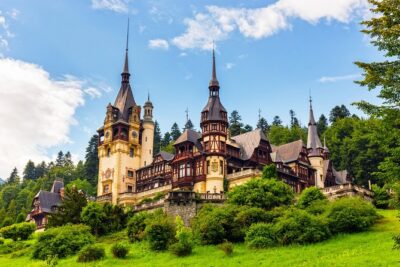
Bucharest to Dracula Castle, Peles Castle and Brasov Guided Tour
Read our review →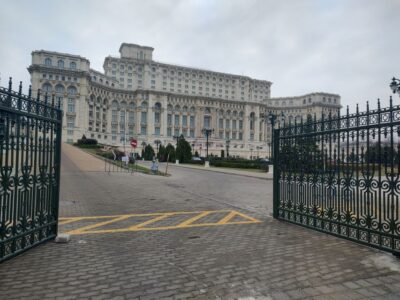
Transylvania and Dracula Castle Full Day Tour from Bucharest
Read our review →
Peles Castle, Bran Castle, & Brasov Old Town Tour
Read our review →
Small-group tour Bran, Rasnov, and Peles Castles
Read our review →