
REVIEW · 3-DAY EXPERIENCES
3-Day Medieval Transylvania Package Tour
Medieval towns, mountain roads, and Dracula country make this three-day trip a strong introduction to central Romania. From Bucharest, you visit monasteries, fortified Saxon villages, Sibiu, Sighișoara, Brașov, Bran Castle, Peleș Castle, and Sinaia Monastery without having to arrange several hotel changes yourself.
I especially like the small-group format, limited to 16 people, and the two nights in central hotels with breakfast included. I also like the range of sights: this is not just a Dracula tour, but a broad look at Romanian religious art, German-speaking Saxon towns, royal architecture, and Carpathian scenery. The main drawback is the pace. You spend long stretches in the vehicle, then face queues and plenty of walking at major castles.
In This Review
- Key points to know before booking
- What the $588 price really covers
- Day one: Curtea de Argeș, Cozia, and Sibiu
- Day two: Biertan and the Saxon world
- Day three: the Black Church, Bran Castle, and Peleș
- How the guiding and driving affect the trip
- Who will enjoy this route most
- Should you book the 3-Day Medieval Transylvania Package Tour?
- FAQ
- How long is the tour?
- Where does the tour begin and end?
- What accommodation is included?
- Are entrance fees included?
- Are meals included?
- Is the tour available in languages other than English?
- Can the route run in a different order?
- Is Peleș Castle open every day?
- Is the Clock Tower in Sighișoara always open?
- Is there an extra charge for solo visitors?
Key points to know before booking
- Two very different castle visits: Bran is tied to the Dracula story, while Peleș offers a more substantial look at Romania’s royal past and decorative arts.
- Sibiu and Sighișoara are the heart of the trip: both reward time on foot, with medieval squares, towers, churches, and old homes.
- The road days are long: several stops are packed into each day, and some reviews describe extended vehicle time and short breaks.
- Weekend departures may run in reverse: this can affect the order of visits, and one Sunday departure did not include Curtea de Argeș as expected.
- Meals and admission tickets cost extra: the $588 price covers transport, guide services, parking, fuel, accommodation, and breakfast, but not entry fees or lunch and dinner.
- The tour suits active adults best: comfortable shoes are essential, and the experience is not suitable for children under 7 or people with mobility impairments.
What the $588 price really covers
At $588 per person, this is not a shoestring bus ride, but it can be fair value for a three-day route covering so much ground from Bucharest. You receive transportation by car or minibus, fuel and parking, an English-speaking driver-guide, two nights in 3-star hotels, and breakfast each morning.
The hotels are in Sibiu and Brașov, with the accommodation in town centers. That matters. You are not dropped at an anonymous roadside hotel, and you can reach the historic core more easily in the evening. The available feedback describes both hotels as comfortable, with very good breakfasts. Another assessment called the accommodation basic but comfortable, which is a useful way to set expectations. Think practical 3-star lodging, not grand palace hotels.
You still need to budget for entrance fees, lunches, and dinners. Bran Castle, Peleș Castle, the Clock Tower in Sighișoara, and other monuments may each add to the total. Traditional Romanian meals are part of the suggested stops, but they are not included in the package price.
Solo visitors should note the additional €60 single supplement, paid in cash to the guide at the beginning. For two people sharing a room, the advertised per-person price is easier to judge because the accommodation cost is shared.
The tour has free cancellation up to 24 hours before departure, and you can reserve now and pay later. Those terms are useful if your Bucharest plans are still shifting, but the route itself needs more careful planning than the booking conditions suggest.
More Transylvania trips:
- Transylvania and Dracula Castle Full Day Tour from Bucharest
★ 4.5 · 1,589 reviews - Castles of Transylvania: Private Day Trip from Bucharest
★ 4.5 · 248 reviews - 2-Day Transylvania from Bucharest: Brasov, Bran, Sighisoara
★ 5.0 · 60 reviews
Day one: Curtea de Argeș, Cozia, and Sibiu
The first day begins with pickup from your Bucharest hotel and heads toward the foothills of the Carpathians. The first scheduled major stop is Curtea de Argeș, home to a striking monastery built in 1514 by Neagoe Basarab, ruler of Wallachia.
The monastery is often described as Moorish because of its unusual decorative forms and ornate exterior. It gives you an early reminder that Romanian architecture does not fit neatly into one western European category. Religious buildings here draw from several traditions, and the effect is especially striking after leaving Bucharest’s urban streets.
Next comes Cozia Monastery, a smaller site but an important one for Romanian medieval art. The stop is valuable because it shifts the focus from grand appearance to artistic and religious importance. You get a second look at the region’s medieval church tradition before the route turns toward Transylvania.
Lunch is taken at a traditional Romanian restaurant, at your own expense. Since lunches and dinners are excluded, you should carry some Romanian currency or confirm what payment methods are accepted. The schedule gives you a chance to eat before the longer drive to Sibiu.
The road through the mountains and forests is one of the pleasures of this day. One particularly positive account praised the scenery and said the guide pointed out interesting sights along the roadside. At the same time, a less favorable experience felt the driver moved too quickly, especially when bears were spotted near the road. That detail tells you something important about the trip: roadside moments can be memorable, but the schedule may not allow long pauses for every surprise.
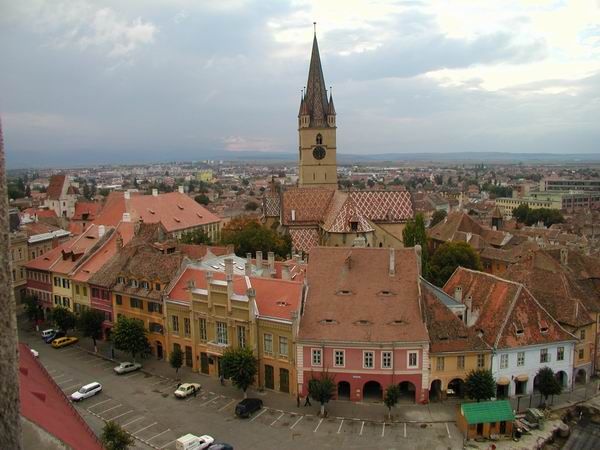
Sibiu is the payoff at the end of the drive. Once the capital of the Principality of Transylvania, it has German medieval roots and written records reaching back to 1191. Your walking tour takes you through the Old Town, where historic buildings, squares, and former defensive areas create a clear sense of the old citadel.
I would treat Sibiu as more than a stop for dinner. The town is one of the places where the tour slows down enough for you to notice scale and texture: old façades, pedestrian streets, and the feeling of a former political center. Your overnight stay in the town center is a real advantage because you are not seeing Sibiu only through a minibus window.
Dinner is not included, but the evening is arranged around a traditional Romanian meal. After a full first day, the central hotel location should make the night easier than another long transfer.
Day two: Biertan and the Saxon world
After breakfast, the route leaves Sibiu for Biertan, one of Transylvania’s most important Saxon villages. The fortified church here was built between 1490 and 1524 and is described as the largest fortified church in Transylvania.
The fortifications are not just decorative walls. They reflect the needs of communities that had to protect both worshippers and local supplies. The church gives you a look at the German-speaking Saxon presence that shaped many towns in Transylvania. It also breaks up the castle-heavy theme with a site that feels more connected to village life and regional defense.
Biertan is a short stop compared with the larger towns, so listen carefully during the visit and take time to look at the position of the church within the village. The setting is part of the appeal. You are seeing a religious building that served as a local center, not only a monument selected for dramatic photographs.
The next stop is Sighișoara, whose medieval citadel dates from 1280. It is known as the only medieval citadel in Europe that is still populated. That means the upper town is not simply an empty museum set. Its old houses and lanes remain part of an active town, even though the historic center is the clear focus of the visit.
The landmark Clock Tower offers panoramic views across the old houses. Check the day of your departure carefully because the Clock Tower is closed on Mondays. This is exactly the kind of detail that can affect your experience more than the headline attractions do.
Sighișoara requires walking on historic surfaces, stairs, and uneven routes. Comfortable shoes are not optional advice here. If you prefer to move slowly and study architectural details, the scheduled walking tour may feel brisk, especially after the morning visit to Biertan.
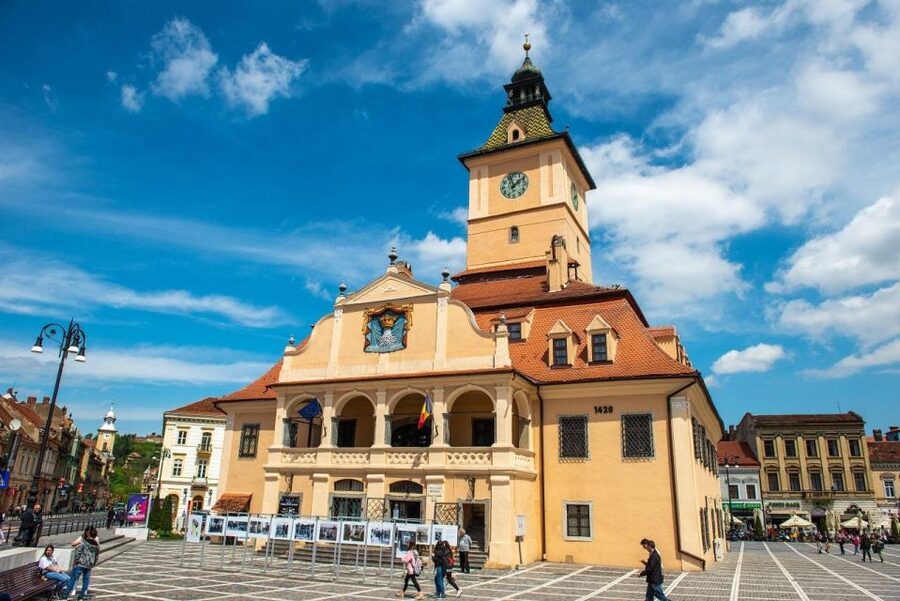
After lunch, you continue to Brașov, surrounded by the Southern Carpathians. The medieval citadel is documented from 1235, and its story includes both Romanian and German influences. The city was briefly renamed Stalin City during the Communist period, a reminder that its past is not limited to medieval walls and Gothic churches.
The walking tour includes the Black Church area, medieval buildings, and Strada Sforii, often identified as the narrowest street in Romania. Brașov has a livelier urban feel than Sighișoara, but the old center remains compact enough to explore on foot.
You stay overnight in Brașov. The town-center accommodation means you can get a stronger sense of the city than a quick daytime photo stop would allow. The tradeoff is that day two is demanding. Biertan, Sighișoara, lunch, the drive to Brașov, and the walking tour create a full schedule.
Day three: the Black Church, Bran Castle, and Peleș
The final morning begins in Brașov with the Black Church, built in 1383. It is the city’s most important tourist site and gives the day a strong architectural start before the route heads toward the Dracula story.
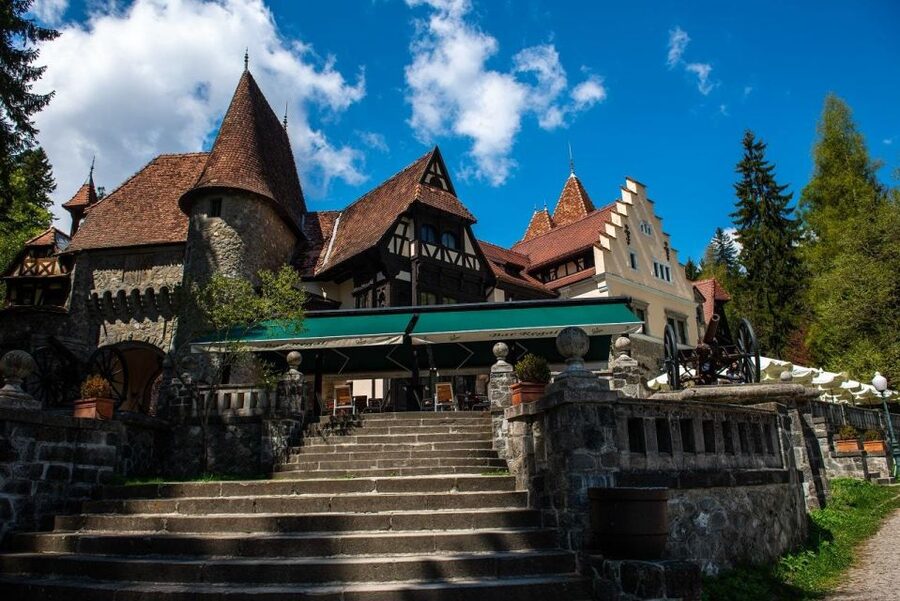
Bran Castle is the famous stop. Perched near the border between Transylvania and Wallachia, it is presented as Dracula’s Castle because of its connection to Bram Stoker’s fictional Count Dracula. The castle itself is a real historic building, but the literary connection is stronger than any direct link to the fictional character.
That distinction matters. If you arrive expecting a fully preserved vampire residence, you may find the popular image a little theatrical. If you treat Bran as a castle shaped by later legend, with grounds and a museum to explore, the visit makes more sense. It is a worthwhile stop for the setting and the story, but it can be crowded.
Queues are a practical issue at both Bran and Peleș. One account specifically described long waits for restrooms and entry at the castles. Keep this in mind when judging the itinerary. The tour includes the sites, but it cannot remove the crowds that gather at Romania’s best-known attractions.
Lunch follows Bran Castle and is paid separately. Then the route continues to Sinaia, a mountain resort in the Prahova River valley. The shift from medieval fortification to royal resort architecture gives the final day a different tone.
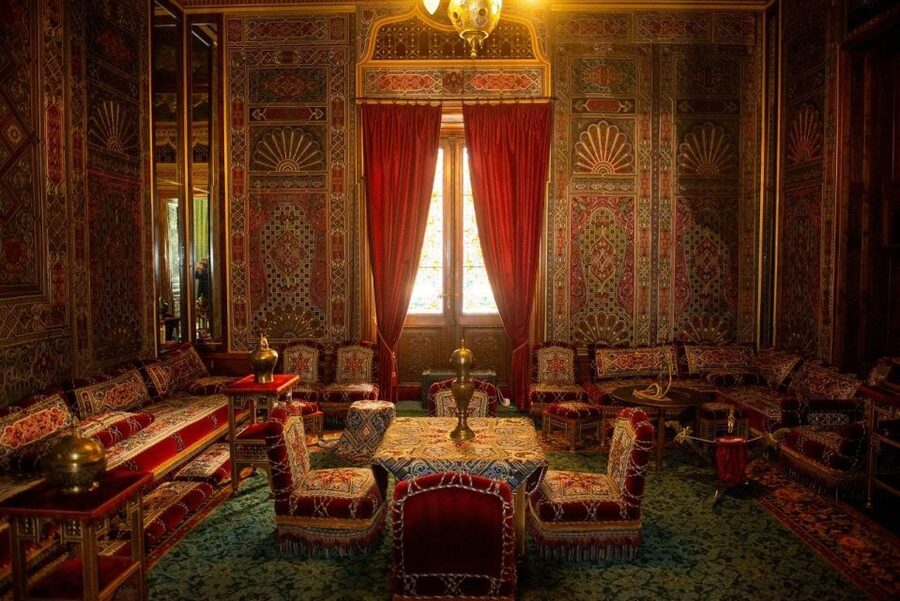
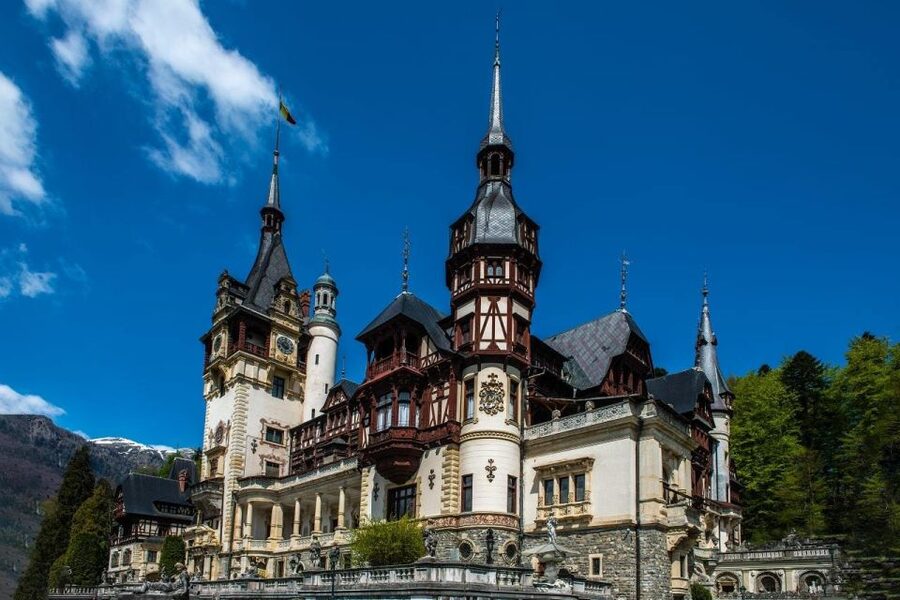
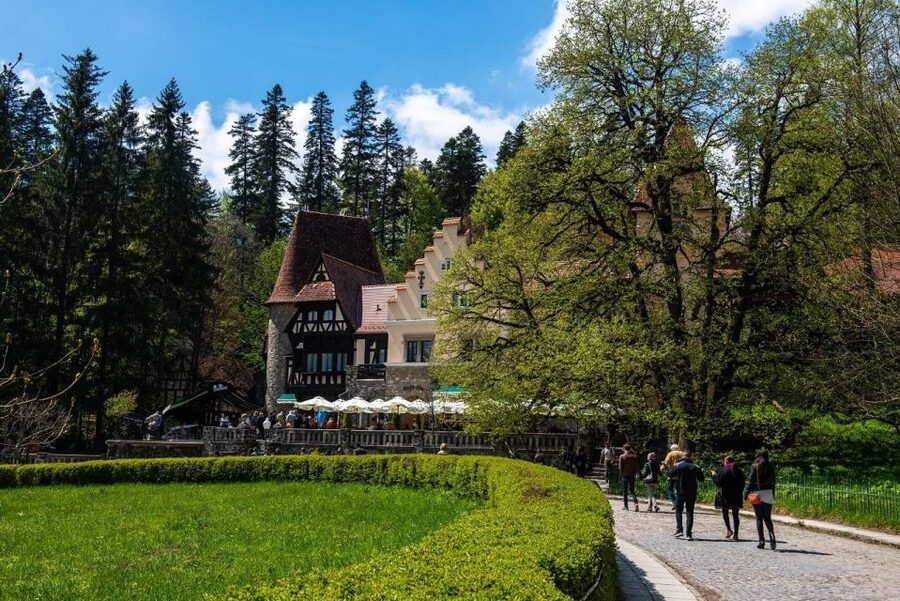
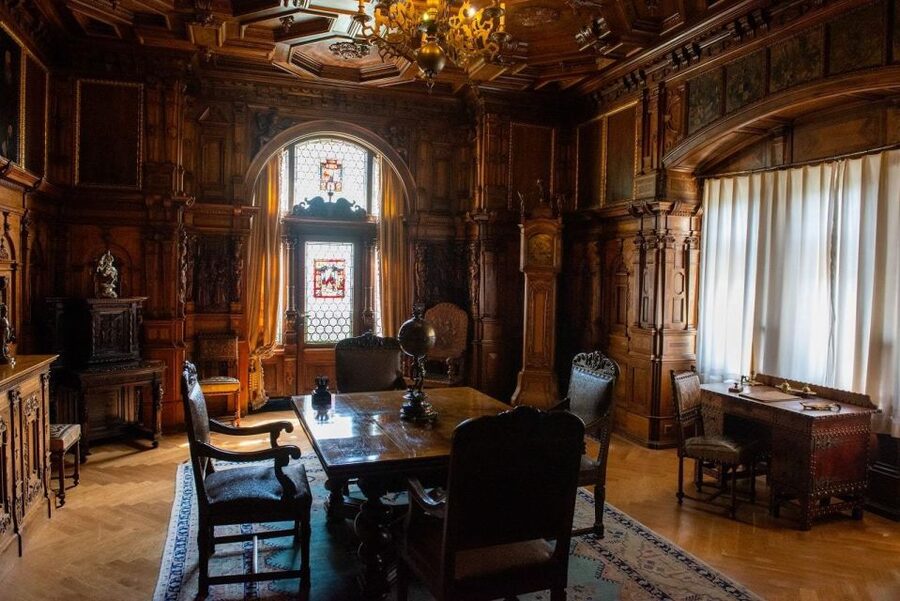
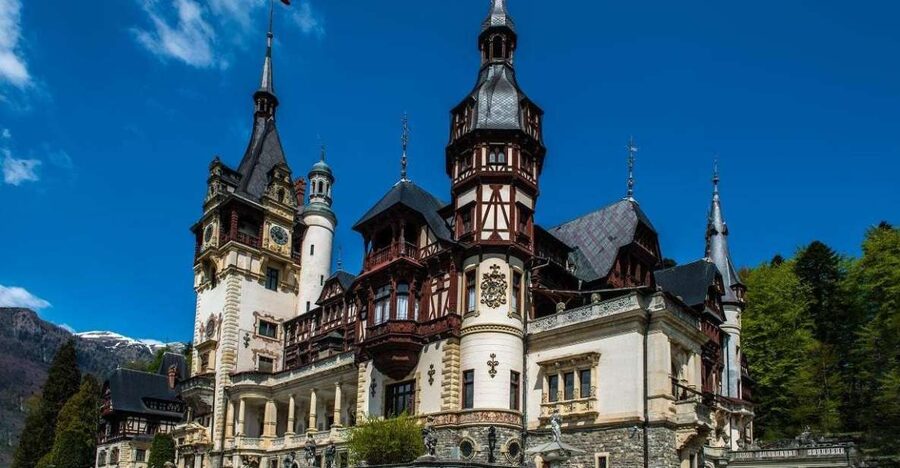
Peleș Castle is the architectural high point for many people. Built for Romania’s first king, Carol I, between 1875 and 1914, it is a Neo-Renaissance building with elaborate interiors. Compared with Bran, Peleș offers a fuller picture of royal Romania and the country’s ambitions in the late 19th and early 20th centuries.
Peleș is closed on Mondays and Tuesdays. If your trip falls on one of those days, the attraction cannot be visited as planned, so check the departure date before paying. Weekend departures may also reverse the entire route. That does not automatically make the trip worse, but it can change which sites you see first and how much time you have at each one.
The final cultural stop is Sinaia Monastery, founded by Prince Mihail Cantacuzino in the 17th century after his pilgrimage to Mount Sinai. The visit includes the Old Church and the 19th-century Great Church. It is a quieter ending than another castle, and it brings the journey back to Romanian religious architecture.
The drive returns you to Bucharest after Sinaia. The total route is ambitious, and your final arrival time may depend on traffic and the day’s order. One Sunday experience returned to Bucharest around 2 p.m., while still involving roughly five hours of driving and only a short stop at Biertan. That is a good warning not to schedule a tight onward flight or train connection without checking the exact plan.
A few more Bucharest days worth comparing
- Bucharest: Dracula’s Castle, Peles Castle, & Brasov Old Town
★ 4.5 · 17,858 reviews - Bucharest: Dracula Castle, Peles Castle & Brasov Old Town
★ 4.6 · 10,891 reviews - Bucharest: Dracula’s Castle, Peleș Castle & Brașov Day Trip
★ 4.5 · 5,919 reviews - Bucharest: Palace of Parliament Tickets and Guide
★ 4.3 · 3,182 reviews
How the guiding and driving affect the trip
The guide is also the driver, so the quality of that person’s work shapes the entire experience. The strongest feedback praised Mathew, sometimes spelled Matthew, for safe driving, humor, historical explanations, and a warm manner. A small group of four made that particular trip feel relaxed and personal.
Another account described the guide as an excellent driver who knew the history and found attractive roadside viewpoints. That is exactly what you want on a route where the vehicle time is unavoidable.
The less positive feedback is also important. One person felt the guide drove too brusquely and acted more like a driver and escort than an active guide. Another wished for more information about places passed along the road. These are not minor distinctions. In Transylvania, the road between the monuments is part of the experience, and you may want context during those hours.
The group limit of 16 is better than a large coach, but the actual group size can vary. A very small group gives you easier conversation and less waiting. A fuller minibus will feel less flexible, especially at photo stops and rest breaks.
Who will enjoy this route most
I would choose this tour if you are based in Bucharest and want a concentrated introduction to Transylvania without renting a car. It is particularly suitable if you want several major places in one trip: monasteries, fortified churches, medieval towns, Dracula lore, royal architecture, and mountain roads.
It also suits first-time visitors who value coverage over free time. You will see far more than you could manage casually in three days. The price includes the costly practical parts of a point-to-point tour, especially fuel, parking, and two nights of accommodation.
I would hesitate if you dislike long drives, queues, or tightly arranged days. You may prefer an itinerary with fewer towns and more time in each one. The tour is also a poor fit for anyone with limited mobility because of walking and historic surfaces, and it is not designed for children under 7.
Bring comfortable shoes, water, and patience for castle entry lines. Keep extra money available for admissions, meals, and the single supplement if you are traveling alone.
Should you book the 3-Day Medieval Transylvania Package Tour?
Book it if your priority is seeing the major Transylvanian highlights from Bucharest in a short time, with transport and accommodation handled for you. The strongest parts are Sibiu, Sighișoara, Brașov, Peleș, and the range of sites included in one compact route.
Before booking, confirm three things: the departure-day order, the status of Curtea de Argeș on reverse itineraries, and whether your dates include a Monday or Tuesday closure at Peleș. If you accept long road days and extra admission costs, the $588 package can be a sensible way to cover a large, fascinating part of Romania.
FAQ
How long is the tour?
The experience lasts three days and includes two nights of accommodation.
Where does the tour begin and end?
Pickup is provided from hotels in Bucharest, and the tour returns to Bucharest at the end.
What accommodation is included?
Two nights in 3-star hotels are included, with stays in Sibiu and Brașov town centers. Breakfast is included.
Are entrance fees included?
No. Entrance fees for attractions are not included in the tour price.
Are meals included?
Breakfast is included, but lunch and dinner are not. Traditional Romanian restaurants are included in the route for meal stops.
Is the tour available in languages other than English?
The listed live guide language is English. Other languages may be available on request.
Can the route run in a different order?
Yes. Departures on Saturday and Sunday may operate in reverse order.
Is Peleș Castle open every day?
No. Peleș Castle is closed on Mondays and Tuesdays.
Is the Clock Tower in Sighișoara always open?
No. The Clock Tower is closed on Mondays.
Is there an extra charge for solo visitors?
Yes. Solo visitors must pay an additional €60 in cash to the guide at the beginning of the tour.
Just added in Bucharest
- Bucharest: Dealu Mare Winery Private Trip with Wine Tasting★ 4.9 · 6 reviews
- Winery touring & private wine tasting – one day private tour★ 5.0 · 3 reviews
- Village Museum Bucharest Guided Tour★ 5.0 · 6 reviews
- Transylvania Tour: Dracula’s Castle, Peles Palace & Brasov★ 5.0 · 19 reviews
- Transfer Airport Otopeni – Bucharest★ 5.0 · 2 reviews
- Private Transfer Bucharest Otopeni Airport (OTP) to/from Brasov★ 5.0 · 2 reviews
- Bucharest Airport Transfer To Constanta Mamaia★ 5.0 · 3 reviews
- Airport Henri Coanda (Otopeni) to Bucharest – Private Transfer – Driver★ 5.0 · 5 reviews
3-Day Experiences, compared.
3-Day Tour of Transylvania’s Landmarks from Bucharest
Read our review →
3-Day Private Tour of Medieval Transylvania from Bucharest
Read our review →
3 Days Private Tour in Romania from Bucharest with Tour Guide
Read our review →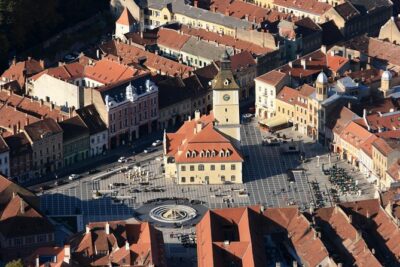
Medieval Transylvania: Shared 3-Day Tour from Bucharest
Read our review →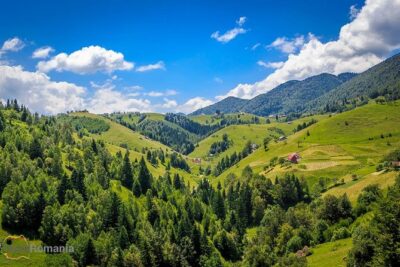
3-Day Tour from Bucharest: Transylvania Villages and Medieval Towns
Read our review →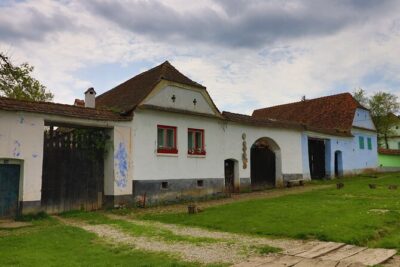
3 Days UNESCO Tour of Transylvania. Private tour from Bucharest
Read our review →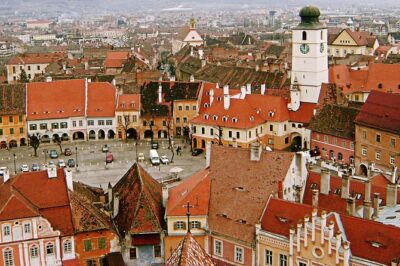
Browse the lists this tour appears in