
REVIEW · 4-DAY EXPERIENCES
4-Day Private Tour from Bucharest to Transylvania
The long way is the good way. This four-day private circuit links Romania’s great castles, monasteries, and medieval towns with time for rural meals and independent wandering. You travel from Bucharest through Wallachia and Transylvania, then return to the capital for a final look at communist-era landmarks and the Village Museum.
I like the flexible private format and the mix of major sights with farmhouse and traditional restaurant meals. I also like that guide Vlad is praised for his enthusiasm, clean small bus, and strong command of the places along the route. The main drawback is the pace: you cover a lot of ground, and several stops allow only 30 to 60 minutes.
In This Review
- Key points to know before booking
- Why this four-day route works
- Day 1: Chindia Tower and the Wallachian road
- Day 2: Fagaras Fortress and medieval Brasov
- Day 3: Dracula’s castle and Romania’s royal palace
- Day 4: Bucharest, Revolution Square, and village life
- Meals, transport, and the practical side
- Who will get the most from this tour?
- Should you book the four-day private tour?
- FAQ
- How long is the tour?
- Where does the tour take place?
- Is this a private tour?
- Is hotel pickup available?
- What meals are included?
- Is transportation included?
- Are admission tickets included?
- Can I cancel for a full refund?
Key points to know before booking
- Vlad’s clean small bus and guiding style are a strong part of the experience, based on the praise attached to this tour.
- Chindia Tower, Curtea de Arges, and Cozia Monastery give the first day a useful Wallachian history lesson before Sibiu.
- Bran Castle and Peles Castle appear together, but they offer very different experiences: one is tied to Dracula, the other to Romania’s royal family.
- Three breakfasts and three dinners are included, while lunches, gratuities, and personal expenses are not.
- Private transportation, WiFi, bottled water, and an air-conditioned vehicle make long road days easier.
- The itinerary finishes in Bucharest, with Revolution Square, the Parliament Palace from outside, and the Dimitrie Gusti Village Museum.
Why this four-day route works
This is not a single-base tour. It is a moving circuit through several chapters of Romanian history. You begin in Bucharest, cross into the old Wallachian heartland, continue along the Olt River toward Transylvania, spend time in Sibiu and Brasov, then return to Bucharest through two of the country’s best-known castles.
That route gives you variety, but it also demands stamina. You are not spending a full day at any one castle or city. Instead, you get a guided introduction, a chance to take photographs, and some free time to explore on your own.
The private setup matters. Your group alone participates, so the guide can explain a church fresco or city legend without waiting for a large crowd to gather. Pickup is offered, and the vehicle is air-conditioned with WiFi and bottled water. Those are small comforts, but they matter on long drives.
The price is listed at $1,274.47 per person. That is a serious outlay, so the value depends on how much you want handled for you. Three breakfasts, three dinners, transportation, guiding, and admission tickets are included. Lunches, gratuities, and personal spending are extra. For a private four-day trip covering this much territory, the price may suit you if you prefer convenience and close guiding. It will feel less attractive if you want to travel slowly or arrange each stop yourself.
More Transylvania trips:
- Transylvania: Dracula’s Castle and Birthplace Tour
★ 4.8 · 123 reviews - Day trips and excursions in nature, cities in Transylvania, Brasov!
★ 5.0 · 84 reviews - 2-Day Transylvania from Bucharest: Brasov, Bran, Sighisoara
★ 5.0 · 60 reviews
Day 1: Chindia Tower and the Wallachian road
The first stop is Chindia Tower in Targoviste, one of the fortifications linked with Vlad the Impaler. The tower rises from the former princely court, and the panoramic view from the Sunset Tower gives you a quick sense of the area’s defensive importance.
You have about 45 minutes here, with admission included. That is enough for the main view and a short look around, but not enough for a long museum visit or a slow study of every part of the complex. The site is especially useful for setting up the Vlad the Impaler connection before you later reach Bran Castle.
Curtea de Arges Monastery follows, with a planned 30-minute visit. It is the burial place of Romania’s royal family, so this stop shifts the focus from medieval rulers to the modern monarchy. The guide explains the church and its royal role, while the building’s ornate exterior gives you one of the day’s strongest visual moments.
The comparison with the Taj Mahal is often made because of the monastery’s appearance, but it is best treated as a loose visual comparison rather than a literal connection. Your visit is short, so listen closely to the guide’s explanation and make time for the main church rather than trying to see every detail.
Cozia Monastery sits beside the Olt River and dates to the 14th century. It was built by Mircea the Elder, Vlad the Impaler’s grandfather, and once had a defensive role. The guide explains the wall frescoes and the monastery’s past, giving you another piece of the ruling family story.
Again, the stop lasts only about 30 minutes. That is enough for a focused visit, especially if you are interested in religious art and medieval rulers. If you like to sit quietly in old churches or take careful photographs, you may wish for more time.
The day ends in Sibiu with a 90-minute walking tour of the old town. Sibiu was European Cultural Capital in 2007, and its historic center is a fitting place to finish the day. The guided walk shows you the main sights and gives you an introduction to the city rather than a full afternoon of free exploration.
For me, this is a smart first day in terms of content. You get princely courts, royal burials, Orthodox monastic art, and a Saxon-influenced medieval city. The tradeoff is the number of short stops. You will see a lot, but you should not expect deep time at each monument.
Day 2: Fagaras Fortress and medieval Brasov
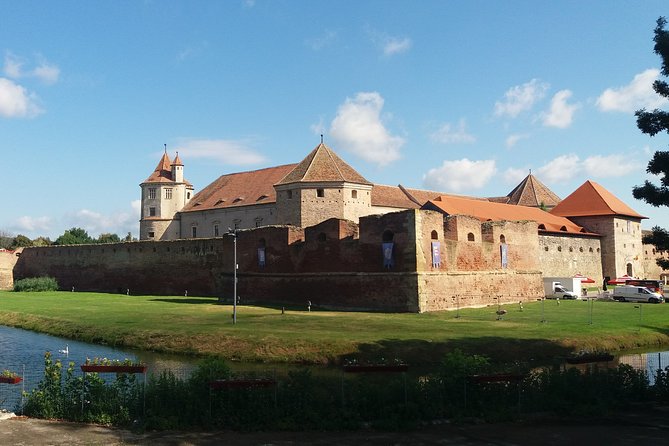
Fagaras Fortress is the first stop on day two. Its high walls, reported at 10 meters, and surrounding moat make the defensive design easy to understand from the outside. The fortress is also connected with Michael the Brave, the ruler associated with the first unification of Transylvania, Wallachia, and Moldavia.
You have 45 minutes with admission included. That gives you a solid first look at the fortification and its historical setting. The guide’s explanation is valuable here because the fortress is not just a photogenic wall. It helps explain the political divisions that shaped Romania.
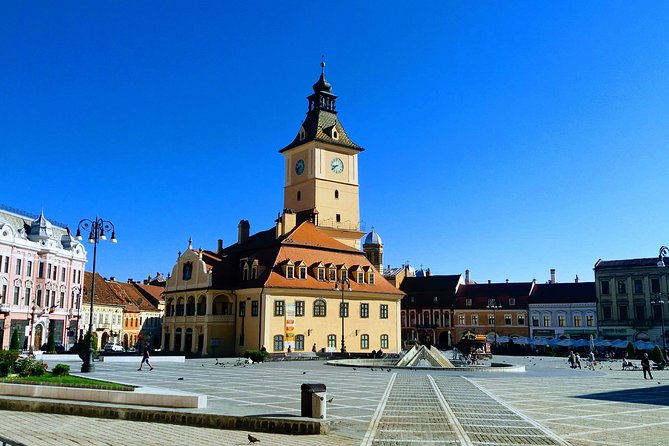
Brasov gets 90 minutes for a guided visit through the historical center. The old town was founded in 1235, and the tour focuses on its medieval character, historical facts, and local legends. This is one of the places where a private guide can add real value. You can ask about the stories behind the streets and buildings rather than simply following a route with no context.
The pace is still brisk. Ninety minutes is enough to get your bearings, see the principal sights, and decide what deserves a longer return visit. It is not enough for a leisurely café stop, several museums, and a full walk through every corner of the old center.
The Black Church receives a separate 30-minute visit. It was considered the largest evangelical church between Istanbul and Vienna when built, and it contains Romania’s largest organ along with the world’s second-largest collection of oriental rugs, according to the tour information.
This is an important stop for understanding Brasov’s German and Protestant connections. Give yourself time to look up into the interior and notice the scale of the building. With only half an hour, you will want to follow the guide’s main points and avoid wandering too far from the group.
Day two is more concentrated than day one. Fagaras explains military power, Brasov shows urban life, and the Black Church brings religion, trade, and Central European influence into the picture. It is a good day for history, though anyone wanting long independent walks in Brasov may find the schedule tight.
Day 3: Dracula’s castle and Romania’s royal palace
Bran Castle is the famous stop. It is linked in popular culture with Bram Stoker’s 1897 Dracula novel, although the castle’s actual story reaches back to the 14th century. The one-hour visit is designed as a guided introduction to the building and its legends.
You should come here expecting a famous attraction, not a literal Dracula film set. The castle’s appeal comes from the meeting of medieval architecture, Vlad the Impaler associations, and the later literary myth. The guide can help separate those threads.
The stairways and rooms make the castle feel compact and dramatic, but the one-hour schedule means you should keep moving with the tour. This is the kind of stop where a short orientation helps you appreciate what you are seeing, while a later return would be better for a slower look.
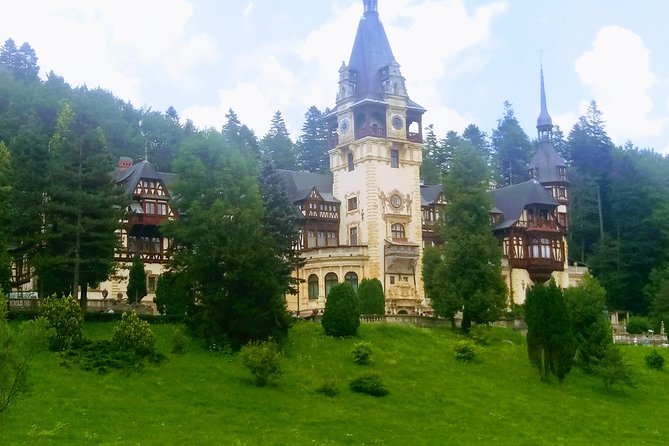
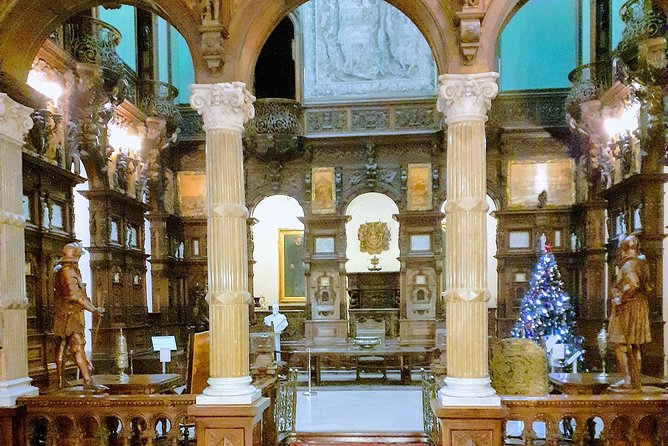
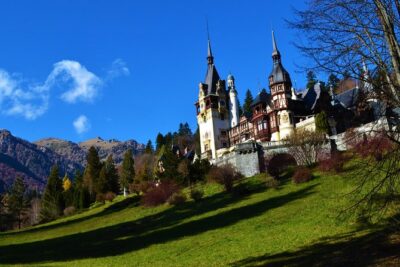
Peles Castle offers a sharp contrast. Built beginning in 1873 by King Carol I, it uses German Neo-Renaissance design and was developed as a royal residence. The interior includes walnut furnishings, and the tour describes the contents as original. The scale of the royal investment is striking, with nearly 16.5 million gold coins spent during the 19th century.
You have one hour here, with admission included. I would pay close attention to the interior details rather than treating Peles as just another castle photograph. The royal palace is polished, decorative, and designed for comfort and ceremony. Bran feels defensive and legendary; Peles feels personal, formal, and royal.
After Peles, the tour heads to Bucharest. The planned city segment is about an hour, with a short briefing before dinner and the hotel. This is not a full Bucharest sightseeing session yet. Think of it as an arrival and orientation period before the final morning.
Day three is likely the highlight for anyone choosing the tour for castles. It also shows why the route can feel rushed. Bran and Peles deserve different kinds of attention, but each receives only about an hour.
More Brasov trips:
- Bucharest: Dracula’s Castle, Peles Castle, & Brasov Old Town
★ 4.5 · 17,858 reviews - Bucharest: Dracula Castle, Peles Castle & Brasov Old Town
★ 4.6 · 10,891 reviews - Bucharest: Dracula’s Castle, Peleș Castle & Brașov Day Trip
★ 4.5 · 5,919 reviews - Bucharest: Day Trip to Dracula Castle, Peles Castle & Brașov
★ 4.4 · 3,049 reviews
Day 4: Bucharest, Revolution Square, and village life
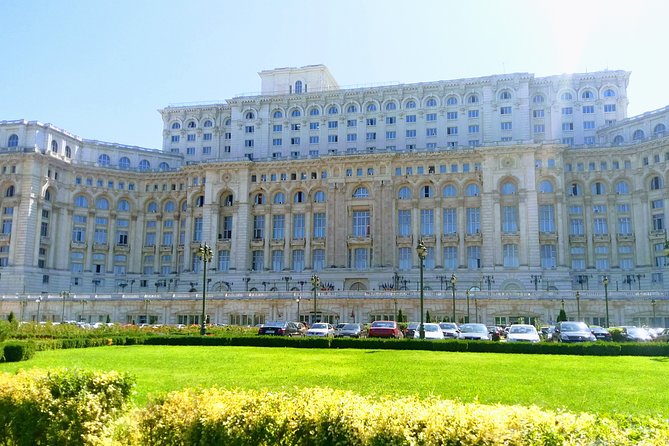
The final day begins with a panoramic drive through central Bucharest and several photo stops. Revolution Square and Constitution Square are included, along with an exterior view of the Parliament Palace.
The Parliament Palace is described as the world’s second-largest administrative building after the Pentagon, with 1,000 rooms. You see it from outside on this tour, so do not book expecting an interior visit. Even from the street, it gives you a clear sense of the scale of Romania’s communist-era building program.
Revolution Square is especially important because it is tied to the fall of Nicolae Ceausescu’s communist government. The tour explains how Ceausescu and his family fled the former Communist Party building by helicopter, an event connected with Romania’s struggle for freedom and democracy.
This is a useful final-day subject because it moves the tour beyond castles and churches. You see how modern Romanian history still shapes the capital’s public spaces. The panoramic format is efficient, but it gives you only a short introduction rather than a long walking visit.
The Dimitrie Gusti National Village Museum adds a different kind of context. This open-air museum contains more than 300 houses, churches, windmills, and watermills brought from different parts of Romania and reassembled in the museum grounds. It represents all three historic Romanian kingdoms and is described as the largest open-air museum in southeastern Europe.
You have about an hour here, with admission included. The museum is a good choice for a short tour because it lets you see examples of rural buildings from across the country without adding more long road travel. It also connects with the tour’s promise of farmhouse meals and rural experiences.
An hour will not allow you to inspect every structure. Focus on the building types that interest you most, and let the guide help you understand why they were built differently in various parts of Romania.
Meals, transport, and the practical side
Three breakfasts and three dinners are included, along with alcoholic beverages. Lunch is not included, so budget for midday meals and drinks beyond what the package covers. The emphasis on farmhouses and traditional restaurants is one of the more appealing parts of the trip because food can show you something that a quick monument stop cannot.
The route involves substantial driving. An air-conditioned private vehicle, bottled water, and WiFi are useful comforts, especially on the longer stretches between Wallachia, Sibiu, Brasov, and Bucharest. A small bus also makes the private format feel more personal than a large coach, and the available feedback specifically praises the vehicle’s cleanliness.
Guide Vlad receives particular praise for his enthusiasm and command of the work. If he is leading your departure, that is a positive sign. Still, guide assignments can matter greatly on a private tour, so you should view this as a strength associated with the experience, not a guarantee that every departure will feel identical.
The company offers free cancellation if you cancel at least 24 hours before the start time. Changes or cancellations inside that window are not accepted for a refund. The tour calls for moderate physical fitness, and it is near public transportation, although pickup is also offered.
Who will get the most from this tour?
I would recommend it to you if you want one organized trip covering the major Transylvanian sights and prefer not to manage Romanian transport, admissions, and daily routing yourself. It suits first-time visitors who want a broad introduction in four days.
It is also a good fit for a private group that values questions, flexible conversation, and a smaller vehicle. Families or friends traveling together may find the per-person price easier to justify because the experience is reserved for one group.
You may want another style of trip if you prefer slow mornings, long museum visits, or several nights in one city. The schedule is full, and the 30-minute church visits plus one-hour castle visits leave little room for spontaneous detours.
The tour also works better for people who want history presented in a clear sequence. Vlad the Impaler, Mircea the Elder, Michael the Brave, the royal family, Dracula mythology, and communist Bucharest all appear in one route. You will not become an expert in any one subject, but you will leave with a useful map of how the stories connect.
Should you book the four-day private tour?
Book it if your priority is breadth, private guiding, and convenience. The combination of Chindia Tower, three monasteries and medieval cities, Fagaras Fortress, Bran Castle, Peles Castle, and Bucharest gives you a lot for four days.
Before paying $1,274.47 per person, make sure the pace suits you and remember that lunches, gratuities, and personal expenses are extra. If that price fits your budget and you like having Vlad or another dedicated guide manage the route, this is a practical way to see Romania’s headline sights without piecing together several separate excursions.
If you want a slower, more local trip, choose fewer destinations and spend longer in Sibiu or Brasov. If you want the big Romanian story in a short, private package, this tour makes a strong case for itself.
FAQ
How long is the tour?
The experience lasts approximately four days.
Where does the tour take place?
The tour covers Bucharest, Wallachia, and Transylvania, with stops including Targoviste, Curtea de Arges, Cozia, Sibiu, Fagaras, Brasov, Bran, and Peles.
Is this a private tour?
Yes. Only your group participates in the private tour or activity.
Is hotel pickup available?
Pickup is offered. The tour information also states that the experience is near public transportation.
What meals are included?
Three breakfasts and three dinners are included. Lunch is not included.
Is transportation included?
Yes. Private transportation in an air-conditioned vehicle is included, along with bottled water and WiFi on board.
Are admission tickets included?
Admission is included for Chindia Tower, Curtea de Arges Monastery, Cozia Monastery, Fagaras Fortress, Brasov Historical Center, the Black Church, Bran Castle, Peles Castle, and the Dimitrie Gusti National Village Museum. The listed Bucharest sightseeing stops are free.
Can I cancel for a full refund?
Yes, if you cancel at least 24 hours before the experience start time. Cancellations or changes made less than 24 hours before the start time are not refunded or accepted.
Just added in Brasov
- Transylvania Tour: Dracula’s Castle, Peles Palace & Brasov★ 5.0 · 19 reviews
- Transfagarasan amazing road trip🐻 from Brasov★ 5.0 · 2 reviews
- Exclusive Tour: Bran Castle, Brasov and Rasnov fortress from Sibiu★ 5.0 · 13 reviews
- Day Tour to Brasov and Bran★ 4.5 · 16 reviews
- Private Transfer Bucharest Otopeni Airport (OTP) to/from Brasov★ 5.0 · 2 reviews
- Gems of Transilvania: Brasov,Sighisoara,Sibiu,Viscri and more★ 5.0 · 6 reviews
- Transylvania’s Trail: Sibiu, Bran Castle, Brasov and Sighisoara★ 5.0 · 1 review
- From Bucharest: Brasov & Dracula’s Castle Transylvania★ 5.0 · 5 reviews
4-Day Experiences, compared.
4-Day Private Tour in Transylvania from Bucharest
Read our review →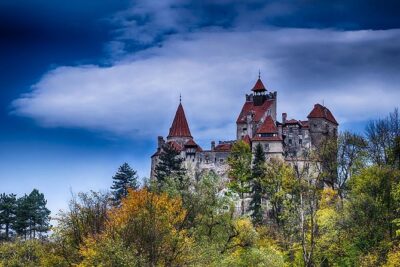
Transylvania Castles 4-day tour from Bucharest
Read our review →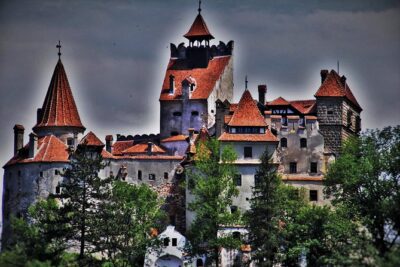
4 Days Private Tour in Transylvania: Sibiu, Sighisoara and Brasov
Read our review →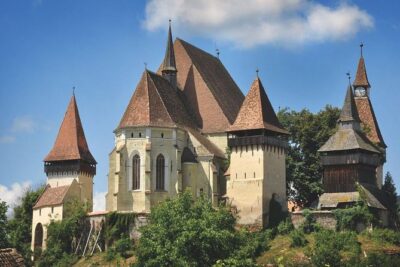
4-Day Private Tour of Transylvania from Bucharest
Read our review →
4-Day Carpathian Trek: Bucegi Mountains and Piatra Craiului National Park
Read our review →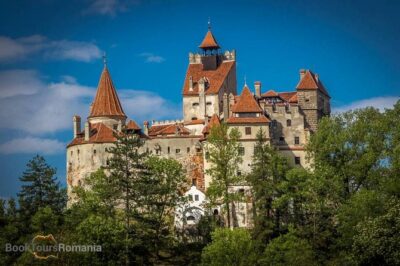
Private Tour: 4-day Transylvania Famous Landmarks
Read our review →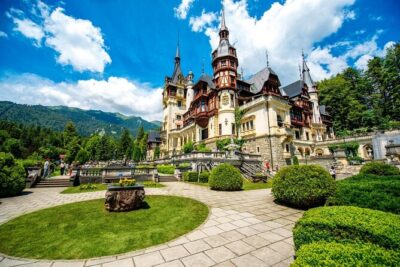
Private 4-Day Tour in Transylvania including Transfagarasan Road from Bucharest
Read our review →
4-Day Transylvania and Dracula Tour from Bucharest
Read our review →Browse the lists this tour appears in