
REVIEW · 4-DAY EXPERIENCES
4 Days Private Tour in Transylvania Brasov Sighisoara Sibiu
Transylvania rewards a slower look. This private four-day route links royal palaces, Saxon villages, fortified churches, medieval towns, and mountain roads without making you follow a fixed group schedule. I like the personal format, and I also like the mix of famous sights and quieter places such as Viscri, Biertan, and Mălâncrav. The main drawback is the cost: at $872.67 per person, you still pay separately for hotels, meals, and attraction tickets.
You travel in an air-conditioned vehicle with only your own group, and the itinerary can be adjusted. Guide Mircea, who also uses the name Frank for visitors who find the Romanian pronunciation difficult, is praised for his history and culture knowledge. Four days is enough to see a great deal, but the final day depends on mountain-road conditions and includes a long chain of stops.
In This Review
- Key points before you book
- What this four-day route does well
- Day 1: Peleș, Bran, and the old streets of Brașov
- Day 2: Rupea and Viscri before medieval Sighișoara
- Day 3: Biertan, Mălâncrav, and Sibiu’s Saxon character
- Day 4: The Transfăgărășan and the road back south
- The real cost and what you receive
- Who will get the most from this tour
- Practical details that affect your decision
- Should you book this Transylvania tour?
- FAQ
- Where does the tour begin?
- How long does the tour last?
- Is this a private tour?
- What transportation is provided?
- Are hotels included?
- Are meals included?
- Are attraction admission fees included?
- Can you visit Bâlea Lake all year by car?
- What is the cancellation policy?
Key points before you book
- Private touring from Bucharest: Your group travels alone, with pickup offered and a 9:00 am start.
- A strong blend of sights: You see Peleș Castle, Bran Castle, Brașov, Sighișoara, Sibiu, Bâlea Lake, and Curtea de Argeș.
- Saxon Transylvania included: Viscri and Biertan add village life, Lutheran churches, towers, and medieval defenses.
- Three overnight bases: You stay in Brașov, Sighișoara, and Sibiu, but accommodation is not part of the price.
- Mountain scenery on Day 4: The Transfăgărășan Highway, Bâlea Lake, and Vidraru Dam bring a dramatic change of pace.
- Extra costs matter: Hotels average about $70 per night with breakfast, meals run $15 to $20, and entrance fees total about $35 to $40 per person.
What this four-day route does well
The smartest feature here is the route itself. Rather than spending four days in one town or chasing only Dracula-related sights, you cross much of central Romania and finish by returning toward Wallachia. The program connects royal Romania, Transylvanian Saxon communities, medieval fortresses, Orthodox architecture, and major mountain engineering.
That range gives you a better sense of the country than a simple castle trip. One hour you may be looking at a fortified church built for a village community, and later you are walking through a polished medieval center or looking across a high mountain lake.
A private vehicle also changes the rhythm. You do not need to wait for a large group at every stop, and the program can be adjusted to suit your group. That flexibility matters on a route with several driving days and a mix of short visits and longer town walks.
The tradeoff is that this is an ambitious schedule. Day 1 gives two hours each to Peleș, Bran, and Brașov. Day 2 gives three hours to Sighișoara, while Day 3 allows only two hours in Sibiu. You will see the highlights, but you will not have unlimited time for museums, shopping, or long meals.
More Transylvania trips:
- Transylvania and Dracula Castle Full Day Tour from Bucharest
★ 4.5 · 1,589 reviews - Castles of Transylvania: Private Day Trip from Bucharest
★ 4.5 · 248 reviews - 2-Day Transylvania from Bucharest: Brasov, Bran, Sighisoara
★ 5.0 · 60 reviews
Day 1: Peleș, Bran, and the old streets of Brașov
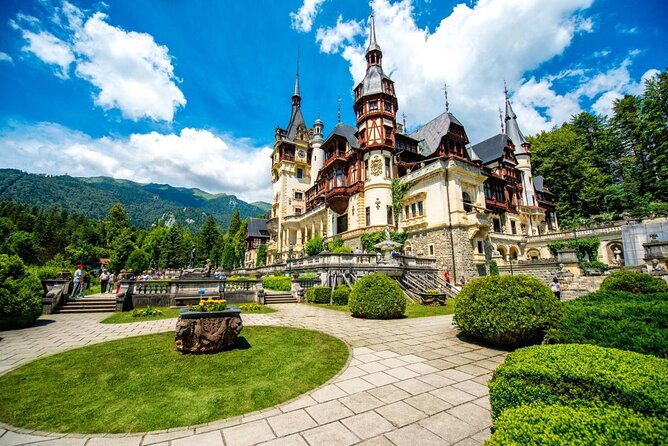
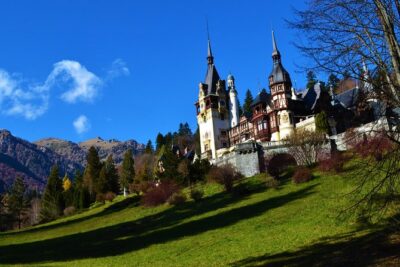
The first stop is Peleș Castle, near Sinaia in the Carpathian Mountains. Built for King Carol I between 1873 and 1914, with its inauguration in 1883, the castle represents Romania’s royal ambitions in a grand Neo-Renaissance form.
The planned two-hour visit gives you time to appreciate the building and its setting. The tour information lists admission as free within the itinerary, but the general cost notes say attraction tickets are not included and may total $35 to $40 per person. Confirm the current ticket arrangements before departure, since the two statements do not match perfectly.
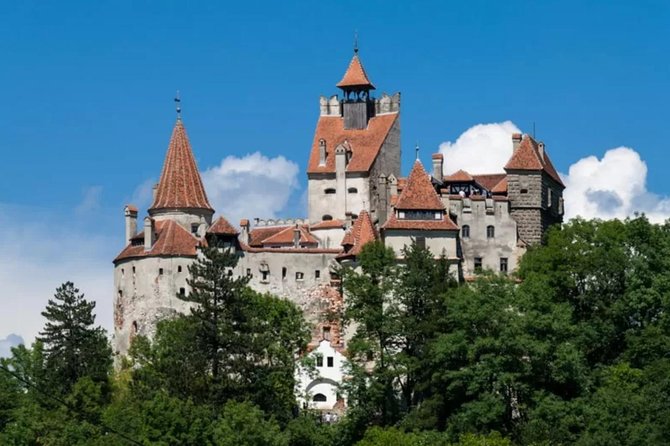
Peleș is the more refined castle of the day. Bran is the more famous one, thanks to Bram Stoker’s Dracula. Its towers sit on a roughly 200-foot-high rock, and the fortress has an imposing profile even before you know anything about the legend.
The historical story is older than the vampire tale. A Teutonic Knights stronghold occupied the site in 1212, and Bran was documented in 1377 when the Saxons of Kronstadt, now Brașov, received permission to build a citadel there. The Dracula connection draws the crowds, but the border-fortress role is the more useful way to understand the building.
You have two hours at Bran. That is enough for a focused visit, though the castle’s fame can make this a busy stop. If Dracula is your main reason for booking, you will appreciate the setting and story. If you prefer quiet ruins, Bran may feel more commercial than Rupea or the village churches later in the route.
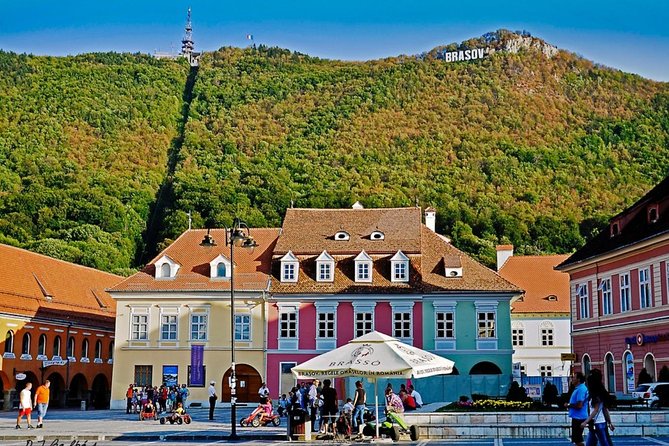
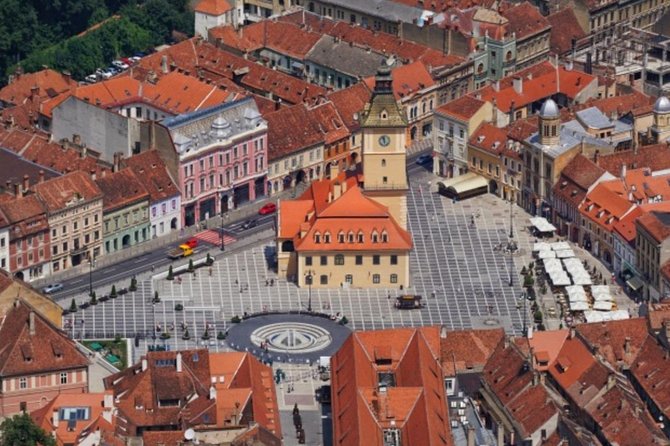
Brașov follows, with another two hours in the historical center. The old town brings together cobbled streets, colorful houses, Baroque buildings, and the Gothic Black Church. Council Square is the natural place to get your bearings, with cafés and historic façades framed by the Carpathians.
This is a good first-night base because it gives you a proper medieval city after two major castles. The schedule is not designed for a full museum program, but it should let you walk the center and see the main architectural sights. You overnight in Brașov.
Day 2: Rupea and Viscri before medieval Sighișoara
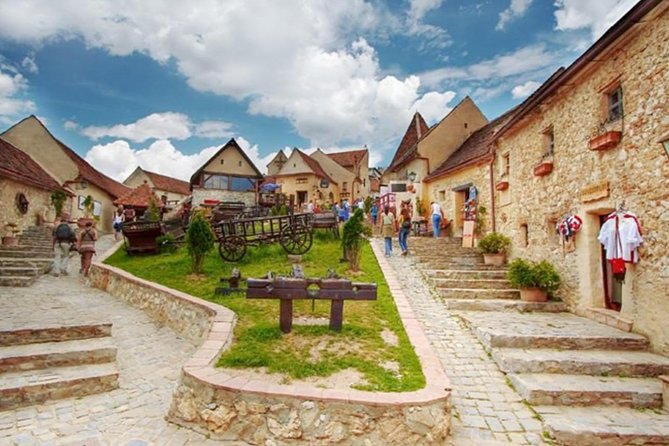
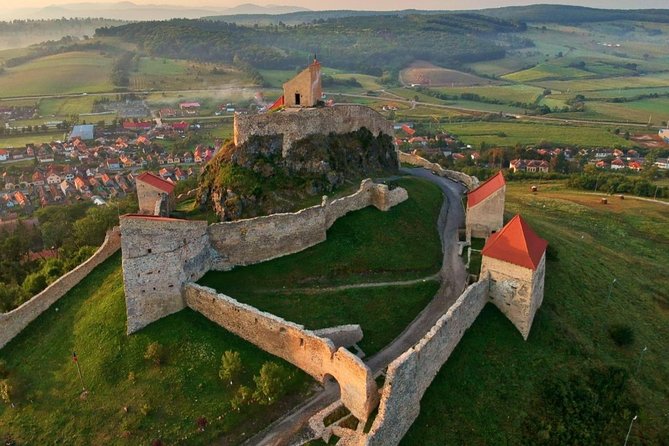
Rupea Fortress is a useful contrast to the polished castles of Day 1. Human settlement in the area reaches back to the Paleolithic and early Neolithic periods, while the citadel’s first documentary mention dates to 1324.
The fortress occupies a strategic point between Transylvania, Moldavia, and Wallachia. Its name comes from the Latin rupes, meaning stone, and the current fortifications grew over centuries from earlier defenses, including a site associated with the Dacians and later the Romans.
You have one hour here. That makes Rupea a brisk stop, but the high position and military purpose should be clear even during a short visit. It is also a good reminder that Transylvania’s fortresses were not built only for noble display. They protected routes, villages, and borderlands.
Viscri offers a different experience. Its fortified Lutheran church and surrounding village form part of the UNESCO-listed villages with fortified churches in Transylvania. The church began as Roman Catholic and became Lutheran after the Reformation, reflecting the changing religious life of the Transylvanian Saxon community.
The one-hour visit is short, yet it gives you a look at a settlement where defense and daily life were closely linked. Viscri is associated with King Charles, and its appeal comes from the village setting as much as the church itself. Do not expect a large city attraction. The value is in seeing a smaller community and the strong church complex built to protect it.
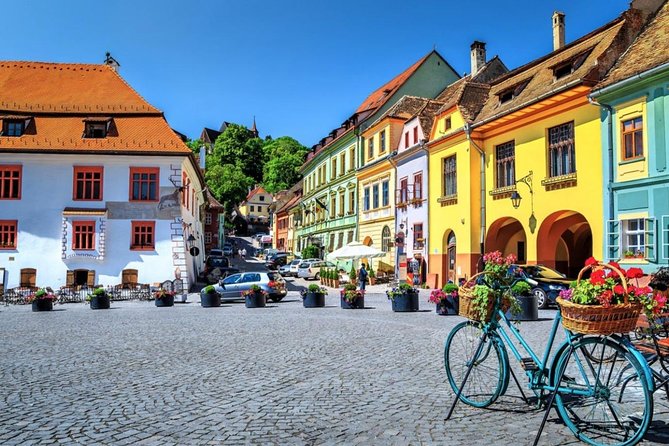
Sighișoara gets the longest stop of the day, with three hours in its UNESCO-listed historical center. This is one of the tour’s strongest stretches. Fortified walls surround cobbled lanes and colorful buildings, while the Clock Tower rises above the old town.
The town’s connection to Vlad Dracula adds a familiar dark note, since his birthplace is identified here. Still, Sighișoara works best when you focus on its urban form: towers, walls, steep lanes, and a compact medieval center that is easy to explore on foot.
Three hours should let you walk at a comfortable pace and pause for food. You may find it tempting to linger, especially if you enjoy old towns more than castles. Since the next day continues through smaller historic places before reaching Sibiu, ask Mircea or your driver how much flexibility is possible if Sighișoara captures your attention.
You spend the night in Sighișoara. Hotel cost is separate, with an average of about $70 per night including breakfast.
Day 3: Biertan, Mălâncrav, and Sibiu’s Saxon character
Biertan is one of the most impressive church stops on the route. Its 15th-century fortified church sits on a hill in the middle of the village, surrounded by three defensive wall tiers about 35 feet high. Towers and gates linked the walls, creating a complex that was difficult to attack.
Inside, the late-Gothic church has heavy doors, double exterior walls, a large multi-panel wooden altar, and a notable wooden sacristy door. Artisans from Vienna and Nuremberg worked on the altar and door, a reminder of the trade and craft links that crossed medieval Central Europe.
The visit lasts about an hour. That is enough to understand the layout and see the major features, though you will want comfortable shoes for the uphill approach and village streets. Biertan is also part of the UNESCO World Heritage listing for Transylvanian fortified churches.
The program also includes Mălâncrav and its fortified church. Details about the stop are limited, so you should treat it as a quieter extension of the Saxon village portion rather than expect a large attraction with a long visit. Its place in the route helps show that these fortified churches were part of a wider regional pattern, not isolated curiosities.
Sibiu receives two hours. The city was once the center of the Transylvanian Saxons and served as European Capital of Culture in 2007, alongside Luxembourg. Its old center is a natural place for an afternoon walk, and its former political and cultural role gives the final city stop more weight than a quick photo break.
Two hours will cover the core of the old city, but it is not enough for every museum or side street. I would use this time for a purposeful walk, a meal, and a little rest before the mountain drive. You overnight in Sibiu.
The three overnight stops are well chosen. Brașov, Sighișoara, and Sibiu each have a distinct feel, and sleeping in them is far better than treating the region as a series of roadside photographs. Just remember that the tour price does not cover those rooms.
More Brasov trips:
- Bucharest: Dracula’s Castle, Peles Castle, & Brasov Old Town
★ 4.5 · 17,858 reviews - Bucharest: Dracula Castle, Peles Castle & Brasov Old Town
★ 4.6 · 10,891 reviews - Bucharest: Dracula’s Castle, Peleș Castle & Brașov Day Trip
★ 4.5 · 5,919 reviews - Bucharest: Day Trip to Dracula Castle, Peles Castle & Brașov
★ 4.4 · 3,049 reviews
Day 4: The Transfăgărășan and the road back south
The final day shifts from medieval towns to mountain engineering and high-altitude scenery. The Transfăgărășan Highway crosses the southern Carpathians for about 90 kilometers and was built in the early 1970s as a strategic military route linking Transylvania and Wallachia.
You have about an hour allocated to the highway. That does not mean one continuous hour of driving only, since the road forms part of the day’s route, but the schedule is still dependent on road access and conditions. The highway is open to cars during the summer toward Bâlea Lake, while outside that period access to the lake is by cable car from Bâlea Cascadă.
Bâlea Lake sits at 2,034 meters in the Făgăraș Mountains. The glacial lake, mountain setting, chalets, meteorological station, and mountain-rescue station give this stop a very different character from the castles and churches. An ice hotel was first built near the lake in 2006, another unusual detail from this high mountain area.
The planned stop is one hour. Bring sensible footwear and a layer of clothing, since the altitude can make the conditions different from those in Bucharest or the lower towns. The tour data does not give a guaranteed operating season beyond the summer road access, so check the road and cable-car situation before you leave.
Vidraru Dam gets only 15 minutes. That is enough for a quick look at the 166-meter arch dam and its reservoir, but not enough for a leisurely visit. Built in 1966 on the Argeș River, the dam produces hydroelectric power and holds a reservoir with a shoreline of about 28 kilometers.
This is a photo stop rather than a major sightseeing visit. Its value comes from the scale of the structure and the change from medieval stonework to modern infrastructure.
The last major stop is Curtea de Argeș Monastery. Its early 16th-century Orthodox cathedral is dedicated to the Dormition of the Mother of God and serves as the seat of the Archdiocese of Argeș and Muscel.
The pale gray limestone exterior was carved before hardening on exposure. Inside, brick walls are covered with plaster and frescoes, and the grounds include a large Moorish-style royal palace. The cathedral also carries the legend of Meșterul Manole, the architect who struggled to complete the walls.
You have an hour here, which should allow time for the exterior, interior, and grounds. It is a fitting final stop because it brings royal, religious, and folk tradition together before the tour returns toward Bucharest.
The real cost and what you receive
The listed price is $872.67 per person. That is a serious amount, but it pays for private transportation, an air-conditioned vehicle, pickup, and a four-day route that would be difficult to organize efficiently by public transport.
The value depends heavily on group size. If two people share the cost, it is expensive once rooms, meals, and admissions are added. For a larger private group, the per-person transport cost becomes easier to justify, especially since the vehicle and schedule belong only to your party.
Plan for these added expenses:
- Accommodation averages about $70 per night with breakfast.
- Three nights therefore come to roughly $210 per person if one person pays the full room rate, though room sharing changes the calculation.
- Restaurant meals cost about $15 to $20 per person.
- Attraction tickets are estimated at $35 to $40 per person, though confirm the exact inclusions before booking.
The overall price buys convenience and flexibility, not an all-inclusive holiday. That distinction is important. You are paying to connect far-flung places with a private driver and guide, while your lodging, food, and admissions remain your responsibility.
Who will get the most from this tour
I would choose this tour if you want a broad first look at Transylvania and prefer a private vehicle to trains and buses. It suits couples, families, and small groups who value control over the day and want to adjust the pace.
It is especially good for you if your interests include:
- Medieval towns and defensive architecture
- Romanian royal history
- Saxon villages and Lutheran fortified churches
- Dracula lore with more serious history around it
- Mountain roads, high lakes, and dams
- A guide who can explain local culture during long drives
It is less suitable if you want deep time in each town, a slow food-focused trip, or a relaxed schedule with late mornings. The plan is full, and several stops last one hour or less.
The tour is also a better match for people comfortable with a changing travel rhythm. You sleep in a new city each night, then spend the final day on a mountain route. Most people can participate, and the activity is private, but the schedule still asks you to handle frequent changes of place.
Practical details that affect your decision
The start time is 9:00 am, and pickup is offered. Confirmation is provided when you book, and the tour is near public transportation. The vehicle is air-conditioned, which matters during several hours of road travel.
Only your group participates. That private setup is the strongest reason to choose this experience over a standard coach trip. You can ask for a custom program, although the supplied schedule already fills four days, so changing one stop may require reducing time elsewhere.
The cancellation policy allows a full refund if you cancel at least 24 hours before the local start time. Cancellations or changes inside that period are not accepted and are not refunded.
The small number of published ratings is worth noting. The overall rating is 5 from three reviews, with repeated praise for the comfortable car, professional driving, relaxed itinerary, accommodation, and the guide’s strong grasp of regional history and culture. Mircea, also called Frank, is the named guide associated with those positive comments.
Should you book this Transylvania tour?
Book it if you want a private, efficient sweep through the region, especially if your group can share the cost. You get the major castles and cities, but also the churches and villages that give Transylvania its character.
I would be cautious if your priority is a slow visit to Sighișoara or Sibiu, or if you are traveling outside the summer window for the Transfăgărășan. Before paying, confirm the current road access, hotel arrangements, entrance fees, and exactly what pickup covers.
For a first visit from Bucharest, this is a strong route. Its best moments are not limited to Bran Castle. The quieter churches, Saxon villages, mountain road, and final Orthodox cathedral make the four days feel like a study of several Romanias at once.
FAQ
Where does the tour begin?
The tour is based in Bucharest, with pickup offered. The listed start time is 9:00 am.
How long does the tour last?
The experience lasts approximately four days.
Is this a private tour?
Yes. Only your group participates, and the itinerary can be customized.
What transportation is provided?
Private transportation is provided in an air-conditioned vehicle.
Are hotels included?
No. Accommodation is not included. A hotel room costs an average of about $70 per night, with breakfast.
Are meals included?
No. Meals are separate. A restaurant meal costs about $15 to $20 per person.
Are attraction admission fees included?
No. Entrance fees are not included and are estimated at about $35 to $40 per person in total.
Can you visit Bâlea Lake all year by car?
The Transfăgărășan road provides car access to Bâlea Lake during summer. During the rest of the year, the lake is accessible by cable car from the Bâlea Cascadă chalet.
What is the cancellation policy?
You can cancel up to 24 hours before the experience starts for a full refund. Cancellations or changes made less than 24 hours before the start time are not refunded.
Just added in Bucharest
- Bucharest: Dealu Mare Winery Private Trip with Wine Tasting★ 4.9 · 6 reviews
- Winery touring & private wine tasting – one day private tour★ 5.0 · 3 reviews
- Village Museum Bucharest Guided Tour★ 5.0 · 6 reviews
- Transylvania Tour: Dracula’s Castle, Peles Palace & Brasov★ 5.0 · 19 reviews
- Transfer Airport Otopeni – Bucharest★ 5.0 · 2 reviews
- Private Transfer Bucharest Otopeni Airport (OTP) to/from Brasov★ 5.0 · 2 reviews
- Airport Henri Coanda (Otopeni) to Bucharest – Private Transfer – Driver★ 5.0 · 5 reviews
- Private Bucharest Otopeni Airport (OTP) Transfer★ 5.0 · 2 reviews
4-Day Experiences, compared.
4-Day Private Tour in Transylvania from Bucharest
Read our review →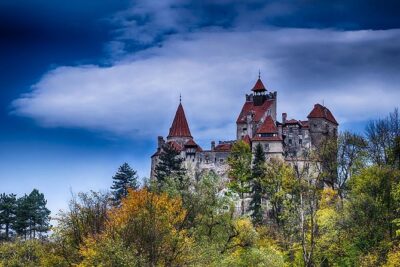
Transylvania Castles 4-day tour from Bucharest
Read our review →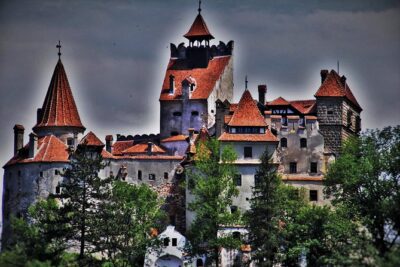
4 Days Private Tour in Transylvania: Sibiu, Sighisoara and Brasov
Read our review →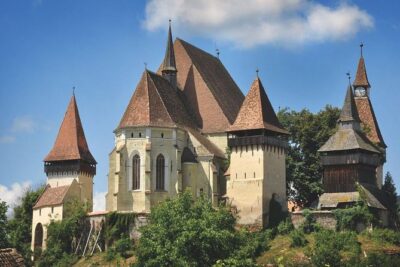
4-Day Private Tour of Transylvania from Bucharest
Read our review →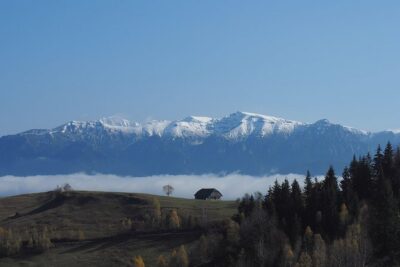
4-Day Carpathian Trek: Bucegi Mountains and Piatra Craiului National Park
Read our review →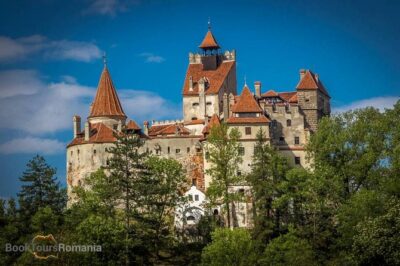
Private Tour: 4-day Transylvania Famous Landmarks
Read our review →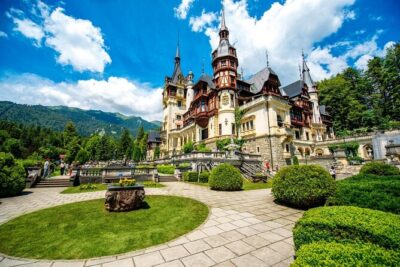
Private 4-Day Tour in Transylvania including Transfagarasan Road from Bucharest
Read our review →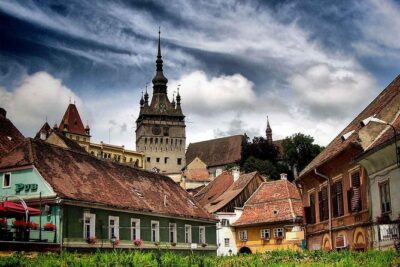
4-Day Transylvania and Dracula Tour from Bucharest
Read our review →Browse the lists this tour appears in