REVIEW · TOURS
7-Days Grand Romania tour from Bucharest
Romania rewards the curious. This seven-day route links Bucharest with Transylvania, Maramures, Bucovina, and the Carpathian mountain roads, giving you a broad look at the country in one well-packed trip. I especially like the small-group format and the chance to sleep in a traditional house in Breb. The English-speaking guide also adds real value, particularly at monasteries and historic towns where a little context makes the sights come alive. The main drawback is the pace: several days involve long drives and short visits, so this suits you if you prefer seeing many regions rather than settling into one.
The tour costs $3,024.60 per person, including six nights in three- to four-star hotels or local lodging, six breakfasts, and two homemade dinners in Maramures. That is a serious price, but transport, guiding, lodging, and a large portion of the route are covered. Be aware that the advertised group limit appears in two forms, maximum six in one place and maximum eight in another, so confirm the final group size before paying.
In This Review
- Five things that define this Romania tour
- Bucharest to Sibiu over the Transfagarasan
- Alba Iulia and the wooden homes of Breb
- Maramures woodcraft and the Merry Cemetery
- Bucovina and the blue of Voronet
- Moldovita, Sucevita, and black pottery
- Bicaz Gorge, Red Lake, and Brasov
- Bran Castle and Peles Palace before Bucharest
- What the $3,024.60 price really covers
- The guide can shape the whole experience
- Who should book this route?
- Should you book the seven-day Grand Romania tour?
- FAQ
- Where does the tour start and finish?
- How many nights of accommodation are included?
- How many meals are included?
- Is the Transfagarasan Highway guaranteed?
- Are entrance fees included?
- What happens if I need to cancel?
Five things that define this Romania tour
- Transfagarasan Highway: Weather permitting, you cross Romania’s famous high mountain road between June and October.
- A night in Breb: Traditional lodging and homemade food bring you closer to village life in Maramures.
- Painted monasteries: Voronet, Moldovita, and Sucevita offer some of Bucovina’s most memorable religious art.
- Real regional variety: In one week, you see Saxon-style towns, wooden churches, medieval citadels, mountain gorges, and royal palaces.
- A guide-led experience: An English-speaking guide handles the route and explains local history, customs, and architecture.
- A demanding schedule: The reward is range, but you should expect long road days and many brief stops.
Bucharest to Sibiu over the Transfagarasan
The tour begins at 9:00 a.m., with pickup from your chosen location in Bucharest or Bucharest Airport. That airport pickup is handy if you are starting the tour soon after landing, although you will want your arrival plans to allow enough time to meet the group.
The first stop is Curtea de Arges Monastery, an Orthodox religious center with a short 30-minute visit. This is a gentle introduction to Romania’s faith and architecture before the road turns toward the mountains. The tour includes admission here, and your guide provides the background that helps you understand why the monastery matters.
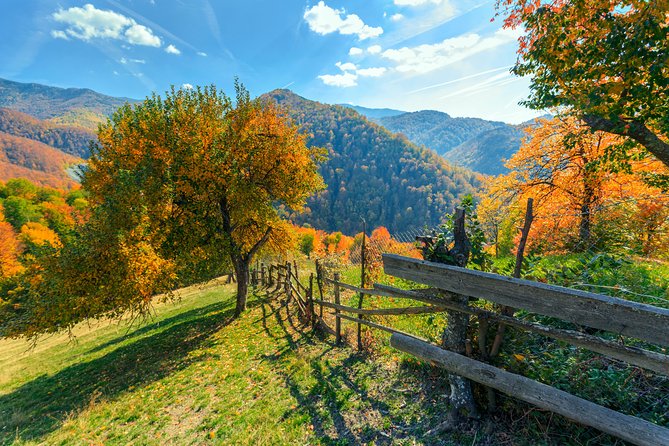
The day’s headline attraction is the Transfagarasan Highway. If the road is open and weather permits, you spend about four hours on this scenic route before reaching Sibiu. The road is available from June through October, according to the tour details. Outside that period, or when conditions close it, the alternative is the Olt Valley River Road.
This seasonal point matters. The Transfagarasan is not a guaranteed part of every departure, so do not book this trip solely for that road. The Olt Valley route still provides a way north, but it is a different experience.
You reach Sibiu in the afternoon and take a guided walk through the old town. Sibiu’s German character reflects the city’s Transylvanian Saxon past, and the compact center works well after a long drive. The 30-minute scheduled stop sounds short, so consider it an orientation walk rather than a full city visit. You will get a first look at the old streets, then move on to your overnight stay.
A few more Bucharest days worth comparing
- Bucharest: Dracula’s Castle, Peles Castle, & Brasov Old Town
★ 4.5 · 17,858 reviews - Bucharest: Dracula Castle, Peles Castle & Brasov Old Town
★ 4.6 · 10,891 reviews - Bucharest: Dracula’s Castle, Peleș Castle & Brașov Day Trip
★ 4.5 · 5,919 reviews
Alba Iulia and the wooden homes of Breb
After breakfast, you head to Alba Iulia. The city’s citadel offers a change of mood from Sibiu, with fortified walls and a historic center tied to Romania’s ancient, medieval, and modern story. The planned visit lasts about an hour, enough for a guided look at the old town without turning the morning into a museum marathon.
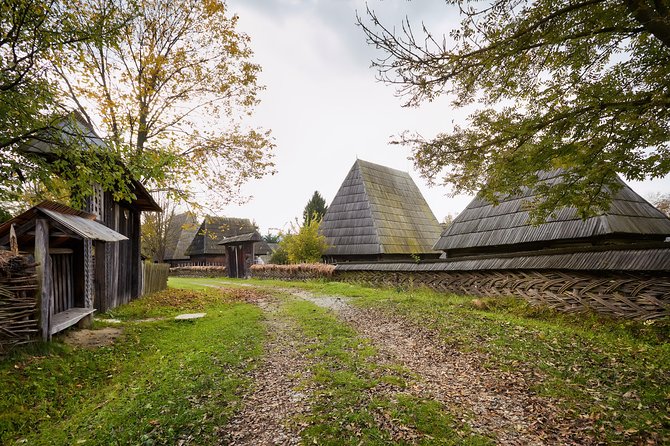
The road then leads into Maramures, one of the most distinctive regions on the trip. You stay in Breb in a traditional wooden house and eat homemade food prepared by local residents. This is one of the tour’s strongest features because it gives you more than a photo stop. You spend the night in a setting connected to local building traditions and daily life.
The tradeoff is comfort and predictability. Traditional lodging can feel more personal than a standard hotel, but it may not offer the same uniform facilities as a three- or four-star property. If you want a polished hotel every night, ask for details about the Breb accommodation before booking.
The included meals are also worth clarifying. The inclusions specify six breakfasts and two traditional homemade dinners in Maramures. The overview refers to three dinners, so the information is inconsistent. Ask the operator to confirm exactly how many evening meals are included and what the other nights cover.
Maramures woodcraft and the Merry Cemetery
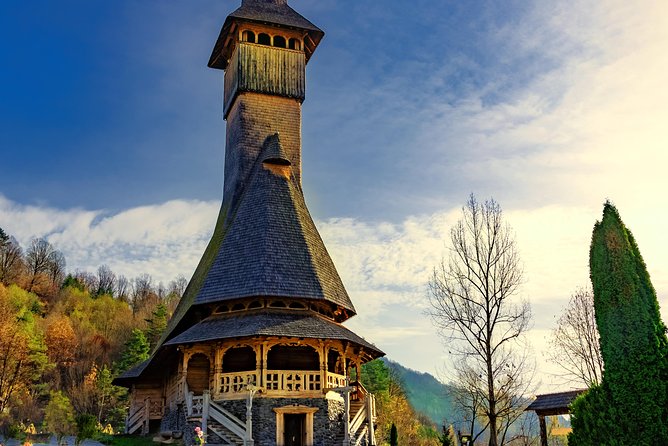
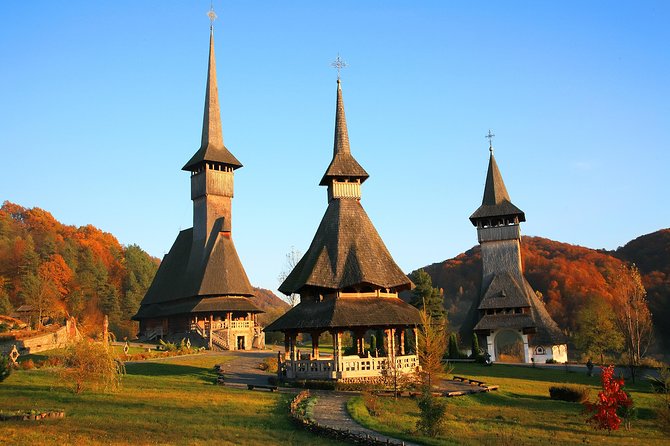
Day three gives Maramures the attention it deserves. You begin with Barsana Monastery, one of the area’s best-known religious sites. The stop highlights local wood carving, an important regional craft, and the monastery offers a useful setting for seeing how religious buildings and woodworking fit together.
Next comes a visit with a wood carver. This is the kind of small-scale encounter that can make a tour feel less packaged. You see how the craft is done and gain a clearer sense of the skill behind the region’s wooden structures. The visit is scheduled for about 30 minutes, so it is a focused demonstration rather than a full workshop.
At Dragomiresti, the Museum of the Romanian Peasant presents Maramures culture through a traditional house and its household belongings. The day also includes a stop at a local whirlpool used for washing clothes and rugs. It is a modest sight, but that is exactly the point. You are seeing a practical village tradition rather than another grand monument.
The final stop is the Merry Cemetery, with about 45 minutes to explore. Created in 1947, the cemetery is known for colorful carved markers and humorous stories about the people buried there. The tone is unusual, using wit to approach death instead of solemnity alone. Admission is not included at this stop, so keep some money available.
This is one of the more distinctive days on the route. It is not built around famous castles. Instead, it focuses on local customs, craft, homes, and a cemetery that presents village life through humor. If you value ordinary traditions as much as major sights, this day may be the most rewarding.
Bucovina and the blue of Voronet
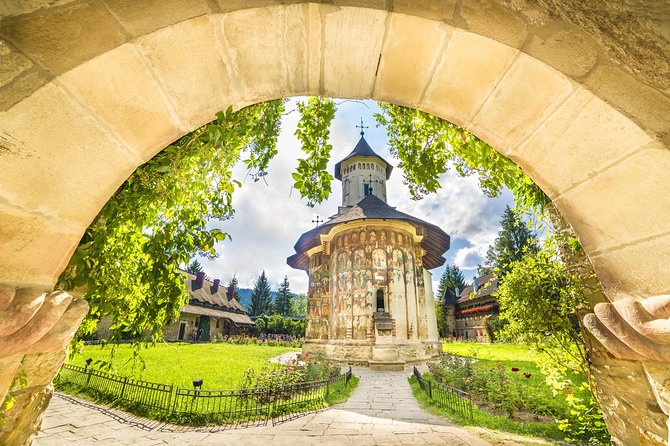
Day four takes you toward Bucovina, with a stop at Tihuta Pass for views across the region. The route then continues to Gura Humorului and Voronet Monastery.
Voronet is associated with Stephen the Great, the Moldavian ruler credited with building more than 300 monasteries during his reign. Its exterior paintings are the main draw, and the guide’s explanation helps you read the religious scenes rather than simply admire the colors.
The visit lasts about 30 minutes. That is enough for a quick look, but not a slow study of every painting. The schedule favors breadth, so bring a camera if photography is allowed and listen closely during the guide’s explanation. Photo fees are not included in the tour price, and some sites may charge them.
The move from Maramures into Bucovina is one of the trip’s best regional transitions. Maramures centers on wood, village customs, and craft. Bucovina shifts toward painted monasteries and religious art. You get a sense of Romania as a collection of regions, not a single uniform destination.
A completely different kind of day out:
- Bucharest: Palace of Parliament Tickets and Guide
★ 4.3 · 3,182 reviews - Bucharest: Day Trip to Dracula Castle, Peles Castle & Brașov
★ 4.4 · 3,049 reviews - Bucharest to Dracula Castle, Peles Castle and Brasov Guided Tour
★ 4.5 · 2,933 reviews - Bucharest: Palace of Parliament Tickets and Guided Tour
★ 4.4 · 1,877 reviews
Moldovita, Sucevita, and black pottery
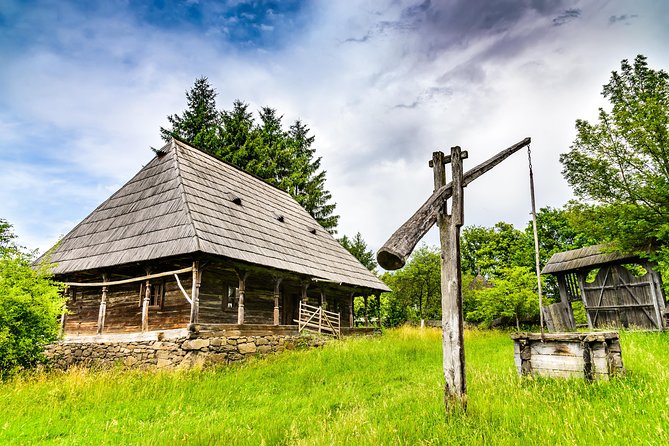
Day five continues through Bucovina with two major monastery stops. Moldovita is a UNESCO-listed monastery known for paintings on its outside walls. The guide explains the scenes and their religious meaning, which is particularly useful because the artwork can otherwise seem decorative when viewed quickly.
Sucevita follows. Like Moldovita, it is a painted monastery with a strong visual presence and a long religious tradition. The scheduled time is about 30 minutes at each monastery, so you should expect a concise visit. Sucevita has an admission charge that is not included, while the tour details separately state that entrance fees total about 20 euros per person. Since individual charges can vary, confirm how that total is collected.
The final stop is Marginea, known for its black pottery. A local craftsperson demonstrates the traditional technique, giving you a chance to watch the process rather than only browse finished objects. This stop adds balance to the day. After two religious sites, you see a living craft that is still practiced today.
I like this combination because it ties art to technique. The monasteries show elaborate painted walls, while Marginea shows the hands-on work behind a regional tradition. Still, the schedule remains tight. If you are passionate about religious art or ceramics, you may wish for more time at both.
Bicaz Gorge, Red Lake, and Brasov
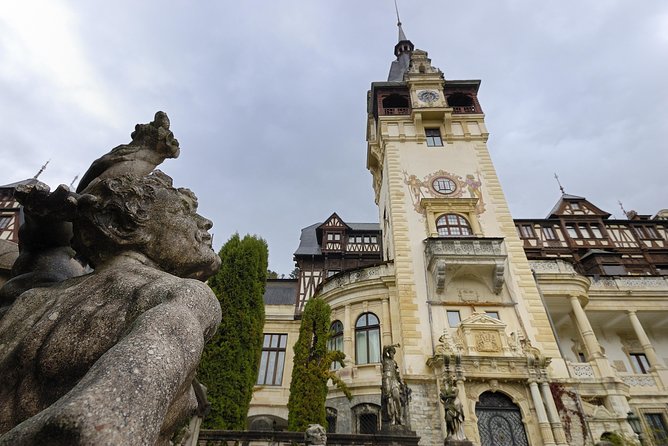
Day six is another major road day. You travel toward Sighisoara through Bicaz Gorge, a dramatic mountain passage, then stop at Red Lake for lunch. Lunch is at your own expense, and the stop lasts about an hour, giving you a practical break during the drive.
Bicaz Gorge is scheduled for roughly 45 minutes. The road itself is part of the experience, but the short stop means you are unlikely to have much time for a long walk. Pack sensible shoes and keep your expectations focused on scenery and a brief look around.
In the afternoon, the route reaches Brasov. You explore the historic center with your guide and see Catherine’s Gate, a former entrance to the city. Brasov is one of the trip’s most appealing urban stops, with a story shaped by its position in Transylvania and its German architectural influence.
The schedule lists about 45 minutes here. That is enough to get oriented and hear the essential background, but not enough for an unhurried city visit. You may want to return to Brasov on a future trip if you prefer time for museums, cafés, and independent wandering.
The day is satisfying for scenery, but the amount of driving is substantial. This is where the small vehicle matters. A standard sedan or minivan should feel more manageable than a large coach, especially on mountain roads, but you should still be comfortable spending many hours on the road.
Bran Castle and Peles Palace before Bucharest
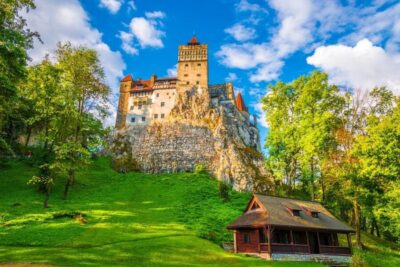
The final morning begins with Bran Castle, marketed as Dracula’s Castle. The building is a medieval castle, but its connection to the fictional Dracula story is stronger than any direct link to Vlad the Impaler. Go for the setting, the castle rooms, and the popular legend, but keep the story in perspective.
The visit lasts about two hours, including time to explore inside and perhaps browse the market in front. Admission is listed as free in the schedule, but the general inclusions say entrance fees are not included and estimate 20 euros per person. This is another detail to verify before departure.
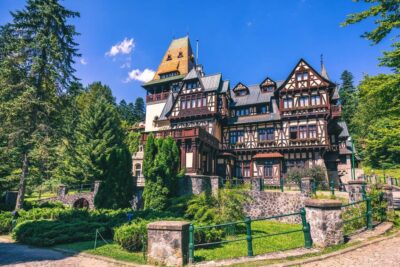
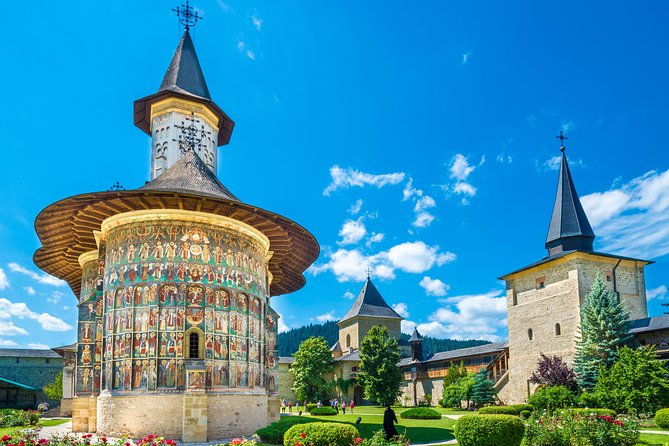
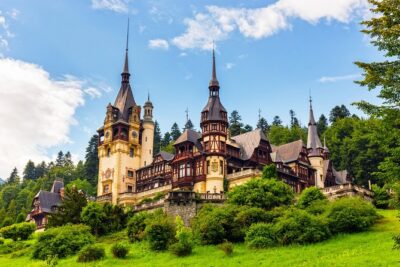
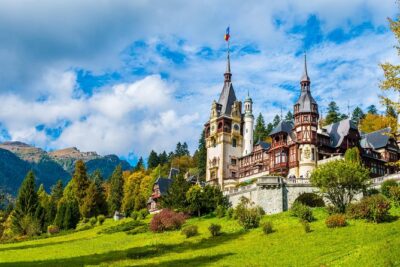
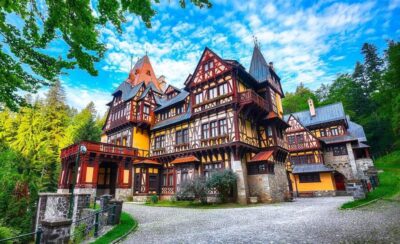
Peles Palace in Sinaia follows. Built in the 19th century for Romania’s first king, it is the grandest interior visit on the tour. The palace offers a sharp contrast with the fortified citadels and rural houses seen earlier in the week. You get two hours here, making it one of the better-proportioned visits on the route.
After Peles, you return to Bucharest in the afternoon, ending at the original meeting point. The tour does not include a separate Bucharest sightseeing program, so plan extra time in the capital if you want to explore its museums, churches, or neighborhoods.
What the $3,024.60 price really covers
At $3,024.60 per person, this is not a budget tour. Its value depends on how much you would otherwise spend arranging a seven-day private route across several Romanian regions.
The price covers six nights of accommodation, transport in a standard sedan or minivan, an English-speaking professional guide, six breakfasts, and two traditional dinners. Entrance fees and most other meals are extra. A single supplement of 300 euros per room applies if you want your own room.
The strongest value comes from the route design and logistics. Romania’s sights are spread widely, and this tour links them without asking you to manage mountain roads, hotel changes, or regional planning yourself. A small group also gives you a better chance to ask questions and adjust small details than a large coach tour would.
The price makes less sense if you want long free periods or plan to visit only Transylvania. You are paying for range, not leisure. Before booking, confirm the room arrangements, dinner count, entrance-fee total, and maximum group size. The details specify a maximum of six in one section and eight in another.
The guide can shape the whole experience
The tour depends heavily on the guide because many stops are brief. A good guide turns a 30-minute monastery visit into a clear story about faith, rulers, art, and local customs. Without that context, the schedule could feel like a rapid series of photo stops.
One named guide connected with this operator is Paul Stanomir. He is praised for excellent English, strong knowledge of Romanian history, and a professional manner. He also led a condensed private route that included places such as Snagov, Peles, Bran, Tihuta, Cluj-Napoca, Sighisoara, Sibiu, Alba Iulia, Targu Mures, and Targoviste.
That account describes Paul as one of the finest guides the writer had encountered, but you should not assume he will lead every departure. Ask who is assigned to your date. The guide’s ability to explain the monasteries, handle road changes, and keep the group comfortable will have a major effect on the trip.
Who should book this route?
I would recommend it to you if you want a first look at many sides of Romania and do not want to drive. It suits people who enjoy history, religious art, mountain scenery, traditional crafts, and small villages, especially when those interests matter as much as famous castles.
It is also a good fit if you value local contact. The Breb overnight stay, homemade dinners, wood-carving visit, traditional house, washing whirlpool, and black-pottery demonstration give the route more character than a simple castle circuit.
I would hesitate if you dislike long drives, need lots of free time, or want dependable access to major attractions in every season. The Transfagarasan is weather-dependent, several visits last only 30 to 45 minutes, and some meals and admission fees are extra.
The tour requires a moderate level of physical fitness. The details do not promise wheelchair access or a low-mobility format, so ask the operator directly if stairs, uneven surfaces, or walking distances are a concern. Pickup is available in Bucharest or at OTP Airport, and the activity returns to the starting meeting point.
The cancellation rule is simple but strict: cancel at least three full days before the start time for a full refund. Later cancellations are not refunded, and poor weather may lead to a different date or a full refund.
Should you book the seven-day Grand Romania tour?
Book it if you want Romania in broad strokes, with the hard transport work handled and a guide beside you. The route covers an impressive amount: Sibiu, Alba Iulia, Maramures, Bucovina, Brasov, Bran, Peles, mountain roads, monasteries, crafts, and village traditions.
Skip it if the high price feels uncomfortable or if you prefer to travel slowly. For the right person, the small group, traditional Breb stay, and strong guiding potential justify the cost. Just confirm the guide, group size, meals, and entrance fees first. Those details will tell you whether this ambitious seven-day trip matches the experience you expect.
FAQ
Where does the tour start and finish?
The tour starts in Bucharest at 9:00 a.m. Pickup is available from a location of your choice in Bucharest or Bucharest Airport. The activity ends back at the meeting point after returning to Bucharest.
How many nights of accommodation are included?
Six nights of accommodation are included, generally in three- to four-star hotels, with traditional-house lodging in Breb.
How many meals are included?
Six breakfasts and two dinners are listed in the inclusions. The dinners are traditional homemade meals in the Maramures region. The overview mentions three dinners, so confirm the exact meal arrangement before booking.
Is the Transfagarasan Highway guaranteed?
No. The road is open between June and October when weather allows. If it is closed, the tour uses the Olt Valley River Road instead.
Are entrance fees included?
The general inclusions say entrance fees are not included and estimate them at 20 euros per person. Some individual stops are marked as free, while others, including Sucevita and the Merry Cemetery, list admission as extra.
What happens if I need to cancel?
You can receive a full refund if you cancel at least three full days before the experience start time. Cancellations or changes made later are not accepted for a refund. If poor weather cancels the tour, you are offered another date or a full refund.
Just added in Bucharest
- Bucharest: Dealu Mare Winery Private Trip with Wine Tasting★ 4.9 · 6 reviews
- Winery touring & private wine tasting – one day private tour★ 5.0 · 3 reviews
- Village Museum Bucharest Guided Tour★ 5.0 · 6 reviews
- Transylvania Tour: Dracula’s Castle, Peles Palace & Brasov★ 5.0 · 19 reviews
- Transfer Airport Otopeni – Bucharest★ 5.0 · 2 reviews
- Private Transfer Bucharest Otopeni Airport (OTP) to/from Brasov★ 5.0 · 2 reviews
- Bucharest Airport Transfer To Constanta Mamaia★ 5.0 · 3 reviews
- Airport Henri Coanda (Otopeni) to Bucharest – Private Transfer – Driver★ 5.0 · 5 reviews
Tours, compared.
Bucharest to Dracula Castle, Peles Castle and Brasov Guided Tour
Read our review →
Transylvania and Dracula Castle Full Day Tour from Bucharest
Read our review →
Peles Castle, Bran Castle, & Brasov Old Town Tour
Read our review →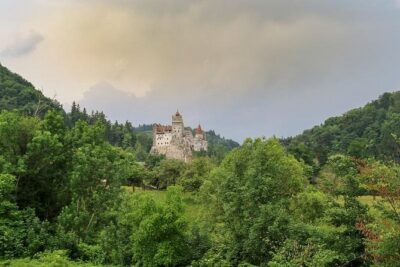
Small-group tour Bran, Rasnov, and Peles Castles
Read our review →