REVIEW · BUCHAREST TOURS
Bucharest: The Italian emigration in Romania
Italian traces run through Bucharest. This two-hour walk links the Palace of Justice, Victory Road, the CEC Palace, Revolution Square, the Atheneum, and the Italian Church while explaining how Italian immigrants shaped the city. I like the focused theme and the compact route through central Bucharest. I also like that a local guide leads the walk in Italian.
The main drawback is meeting-point clarity. The office is on Bulevardul Natiunile Unite 4, but the group meets in Piata Natiunile Unite, about 100 meters away. One visitor had trouble finding the office and found no one there, so arrive early, confirm the exact spot, and keep your phone available for contact.
In This Review
- Key points at a glance
- Why Bucharest’s Italian story is worth your time
- Starting beside the Dambovita River
- Palace of Justice and the first architectural clues
- Victory Road, Bucharest’s grand urban spine
- CEC Palace and the National History Museum
- Revolution Square and the old Senate house
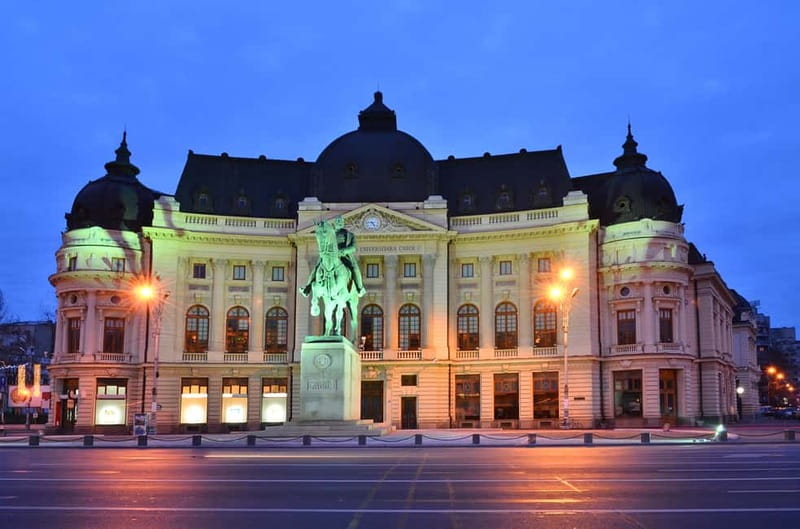
- The Atheneum and the Italian Church
- Finishing in Bucharest’s old town
- What $34 buys you in two hours
- Who will enjoy this walk most
- A note about the guide and meeting arrangements
- Should you book the Italian immigration walk?
- FAQ
- Where does the tour start?
- Where does the tour finish?
- How long does the tour last?
- What language is the tour conducted in?
- What landmarks are included?
- What is included in the price?
- What should I bring?
- Can I cancel for a refund?
- Can I reserve now and pay later?
Key points at a glance
- Italian immigration takes center stage: The tour explains Italian influence in Bucharest from the late eighteenth and early nineteenth centuries.
- A strong central route: You walk from the Dambovita River and Palace of Justice along Victory Road toward the old town.
- Several major landmarks fit into two hours: The CEC Palace, National History Museum, Revolution Square, Atheneum, old Senate house, and Italian Church all feature in the route.
- The tour is conducted in Italian: This is best suited to Italian speakers who want city history explained in their language.
- Daniel has earned high praise: He was described as punctual, friendly, humorous, informative, and willing to adjust the route around specific stop requests.
- Clear footwear matters: Comfortable shoes and clothing suited to the weather will make the walk easier.
Why Bucharest’s Italian story is worth your time
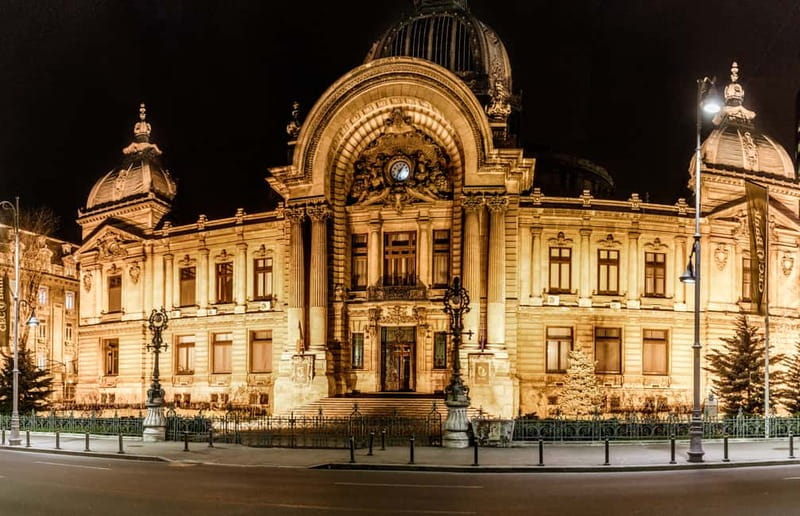
Bucharest is often introduced through its grand avenues, communist-era past, and old-town nightlife. This walk takes a different route into the city’s past by looking at Italian immigration and the work Italians contributed to Bucharest during the late eighteenth and early nineteenth centuries.
That subject gives you a useful thread to follow. Instead of viewing each building as an isolated monument, you hear how people from elsewhere helped shape the capital’s buildings, streets, and institutions. The tour is not simply a checklist of famous facades. It asks you to look for Italian influence in the city center.
I think the theme works especially well for a repeat visitor. If you have already seen Bucharest’s main sights, this tour can give familiar places a new angle. If it is your first visit, it gives you a compact introduction to the historic center before you explore more on your own.
The walk is conducted in Italian, so language is an important part of the choice. It is not presented as a multilingual tour. You should be comfortable following two hours of spoken Italian to get the full value from the guide’s explanations.
A few more Bucharest days worth comparing
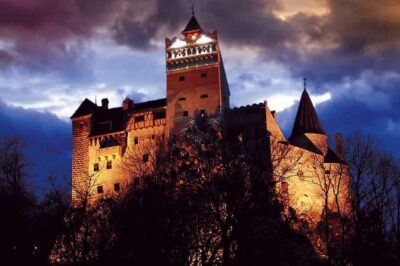
- Bucharest: Dracula’s Castle, Peles Castle, & Brasov Old Town
★ 4.5 · 17,858 reviews - Bucharest: Dracula Castle, Peles Castle & Brasov Old Town
★ 4.6 · 10,891 reviews - Bucharest: Dracula’s Castle, Peleș Castle & Brașov Day Trip
★ 4.5 · 5,919 reviews
Starting beside the Dambovita River
The walk begins at Piata Natiunile Unite, near the Transylvanian Wonders office at Bulevardul Natiunile Unite 4, Bloc 107/A. The practical detail matters here: the group meets in the square, around 100 meters from the office.
I would arrive early rather than trying to locate the meeting point at the last minute. The office can be difficult to identify because there may be no obvious sign, and one booking ended badly when the visitor could not find anyone there. That does not tell you how every departure operates, but it is a useful warning to check the exact meeting instructions before setting off.
From the square, you cross the Dambovita River and move into the central part of Bucharest. The river gives the walk a clear beginning and helps you shift from the meeting area into the older urban core.
Your guide should also set the tone for the route here. Daniel received especially strong praise for his punctuality, friendly manner, humor, and ability to answer questions. He also adjusted the walk to accommodate specific requests, and in one case arranged to begin at a hotel. That kind of flexibility is worth asking about in advance, but it should not be treated as a guaranteed hotel pickup because the published meeting point remains Piata Natiunile Unite.
Palace of Justice and the first architectural clues
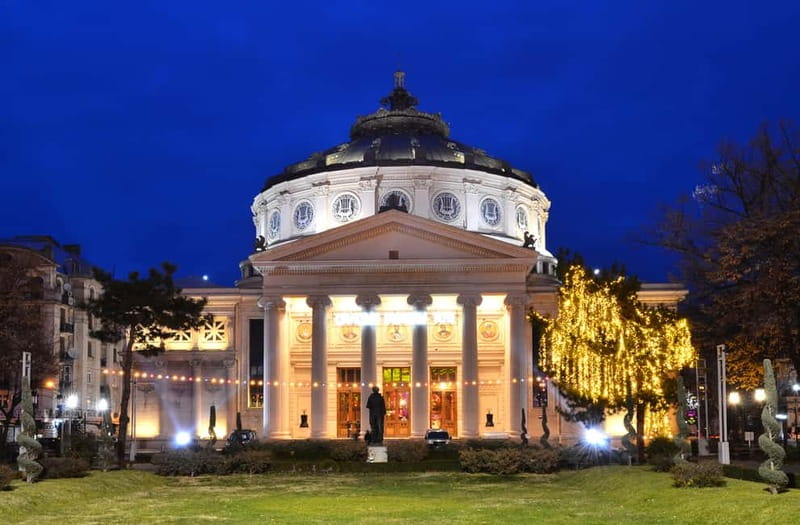
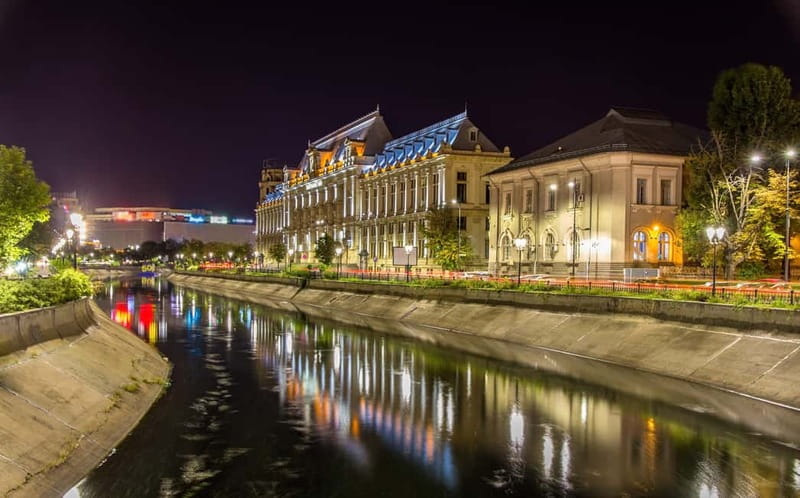
The Palace of Justice sits on the banks of the Dambovita River and is one of the first major sights on the route. Its position by the water makes it an easy landmark to understand, and it helps frame Bucharest as a city shaped by both civic institutions and grand public architecture.
The value here is the guide’s explanation. On a self-guided walk, you might photograph the building and move on. With the Italian immigration theme, you can ask how Italian people and skills affected Bucharest’s development and how that influence appears in the city’s public buildings.
The supplied details do not promise an interior visit, so expect to view the Palace of Justice from the outside. That is typical for a short city walk, and it keeps the route moving. If you want long interior visits, this is not the right format. If you want context while seeing several exterior landmarks, the timing makes more sense.
Victory Road, Bucharest’s grand urban spine
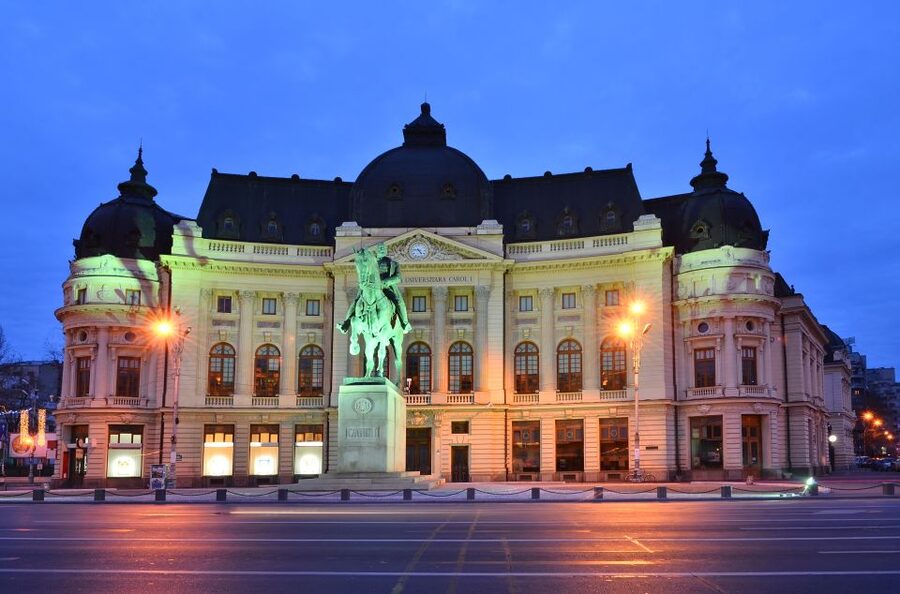
After crossing the river, the walk enters Victory Road, or Calea Victoriei, one of Bucharest’s best-known streets. This is the central stretch of the tour, where the route combines major sights with the Italian story.
The avenue gives you a sense of Bucharest’s changing ambitions. You move past buildings tied to national institutions, finance, culture, and religion. The point is not only to admire the street, but to connect its architecture with the people who helped develop the city.
A two-hour route cannot provide a long lecture at every stop. Instead, you get a guided thread through several important places. I like that arrangement because it keeps the walk focused. You see more than one building, but the theme prevents the outing from becoming a general city tour with random facts.
For the best result, listen for links between the stops. The Italian influence is spread across the route, so the story gains shape as you move from one building to the next.
A completely different kind of day out:
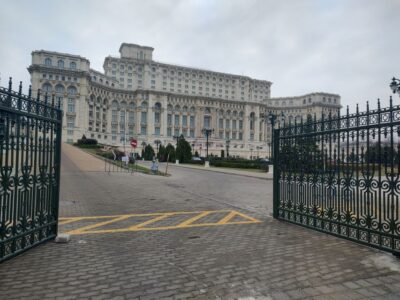
- Bucharest: Palace of Parliament Tickets and Guide
★ 4.3 · 3,182 reviews - Bucharest: Day Trip to Dracula Castle, Peles Castle & Brașov
★ 4.4 · 3,049 reviews - Bucharest to Dracula Castle, Peles Castle and Brasov Guided Tour
★ 4.5 · 2,933 reviews - Bucharest: Palace of Parliament Tickets and Guided Tour
★ 4.4 · 1,877 reviews
CEC Palace and the National History Museum
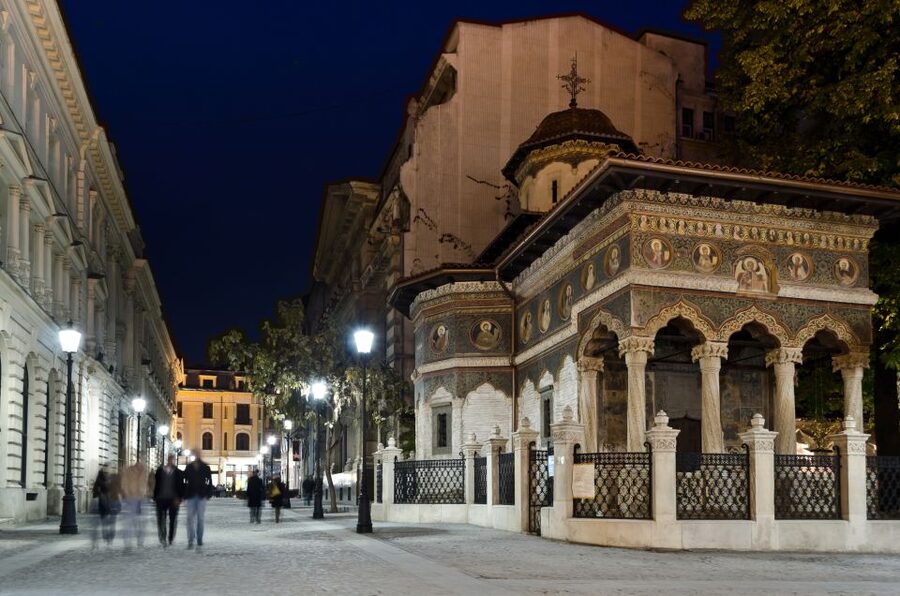
The National History Museum and the CEC Palace are among the main stops along Victory Road. These buildings help show the range of Bucharest’s civic and financial center.
The CEC Palace, in particular, is an important visual pause on the route. Its ornate exterior makes it one of the city’s most recognizable buildings, while its role as a bank building adds an institutional layer to the walk. The tour highlights the CEC bank building rather than treating it as just another photo stop.
The National History Museum adds a different kind of context. Its presence on the avenue points to Bucharest’s effort to present and preserve the story of Romania. You may not enter the museum during this activity, since the advertised format is a walking tour through the old part of town, but the exterior and its place in the route help you understand the city center.
I would keep your expectations realistic: this is not a museum admission tour. The appeal comes from seeing the buildings in sequence and hearing the guide explain where Italian influence fits into Bucharest’s development.
Revolution Square and the old Senate house
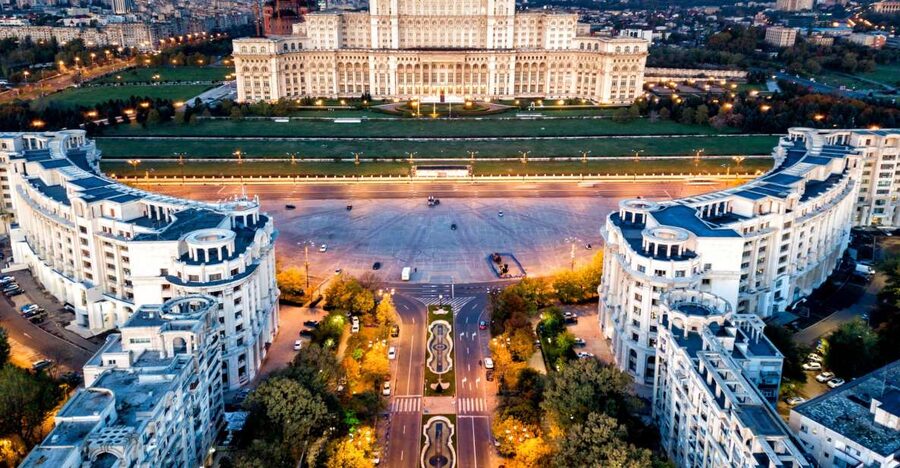
The walk continues to Revolution Square, another major point on Victory Road. The square carries strong political meaning, and the old Senate house adds to the sense that you are walking through places where Romania’s modern public life unfolded.
The tour description calls attention to Bucharest’s troubled history. That phrase matters because the route is not only about attractive architecture. Revolution Square brings a more difficult side of the capital into view, and a guide can explain why the location matters within the city’s past.
The old Senate house also gives the route institutional weight. You are not simply moving between churches and palaces. You are seeing places connected with government and national decisions.
This section may appeal most to you if you like city walks that connect buildings to political change. If you prefer only architecture and decoration, the historical discussion may feel heavier. I see that as a strength, but it is worth knowing before you book.
The Atheneum and the Italian Church
The Atheneum and Italian Church are two of the most distinctive stops for the tour’s central theme. The Atheneum brings culture and public life into the story, while the Italian Church offers a direct connection to the Italian community in Bucharest.
The church is likely to be the clearest expression of the tour’s subject. Rather than hearing about immigration only in abstract terms, you reach a place connected to Italian identity and religious life in the city. The guide can help you understand how an immigrant community left a mark beyond individual buildings or construction work.
The Atheneum broadens the picture again. It shows how the route moves across different parts of Bucharest’s development, from government and finance to culture and community life.
The information provided does not promise entry into either building, so plan on exterior visits unless your guide tells you otherwise. That keeps the walk within its two-hour schedule. It also means you should choose this tour for explanation and city orientation, not for extended indoor sightseeing.
Finishing in Bucharest’s old town
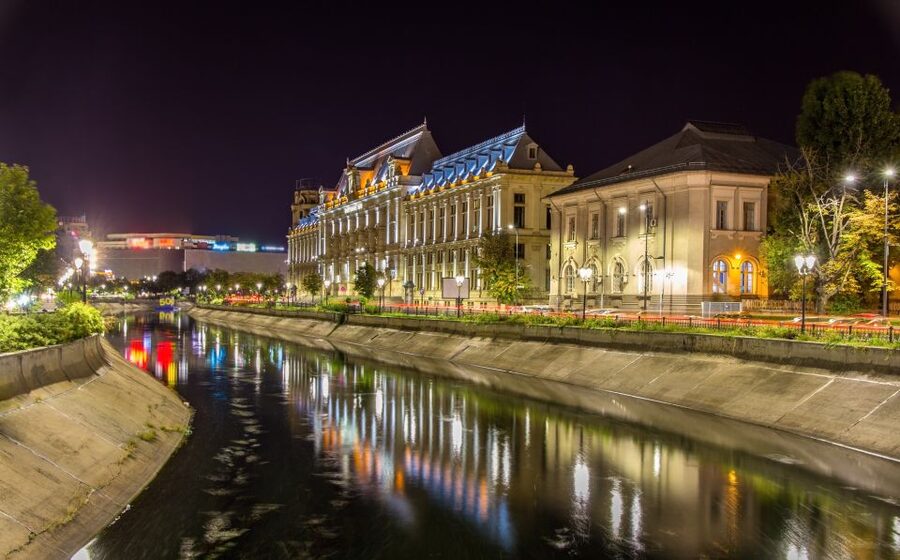
The tour ends in Bucharest’s old town with a short recap of Italian immigration in Bucharest and Romania. Ending there makes practical sense. You finish near one of the capital’s most visited areas, with the rest of the old town available for your own exploration afterward.
The recap is useful because the route covers several landmarks in a relatively short time. A final explanation can tie together the buildings you have seen and clarify the larger importance of Italian immigration to Bucharest’s history.
The activity ends back at the meeting point according to the stated details, so do not assume the old town is the final return location unless your guide confirms it. The description also says the tour ends in Bucharest’s old town, creating a point you should clarify when you meet. If you have dinner plans or a timed reservation, allow some flexibility.
What $34 buys you in two hours
At $34 per person, this is not the cheapest way to walk around central Bucharest. You can see many of the same streets without paying for a guide. The value comes from the specific subject, the Italian-language presentation, and the chance to ask questions while moving between major sights.
I would consider the price fair if you care about architecture, migration, and the less obvious connections between city landmarks. It is also reasonable if you are visiting Bucharest briefly and want a structured introduction in two hours.
The value is weaker if you only want general sightseeing or plan to spend most of your time inside museums. No admissions, transport, food, or other extras are listed. You are paying for the professional local guide and the guided interpretation of the route.
The tour also offers free cancellation up to 24 hours before departure and a reserve-now, pay-later option. Those terms make it easier to fit the walk around a changing city schedule, though you still need to confirm the available start time before booking.
Who will enjoy this walk most
I would recommend this activity to:
- Italian-speaking visitors interested in Bucharest’s past
- Architecture fans who want context for central landmarks
- First-time visitors seeking a short orientation walk
- Repeat visitors looking for a new subject beyond the usual city highlights
- People who prefer a local guide and time for questions
It is less suitable for you if you want a broad tour in English or Romanian, extensive interior access, or a long visit at each landmark. The route is compact and fairly focused. You should also be comfortable walking for two hours and wear suitable shoes.
The activity is not suitable for people over 95 years old according to the stated restrictions. Alcohol and drugs are not allowed, nor are audio recordings or bare feet. The practical advice is simple: wear comfortable shoes, dress for the weather, and arrive at the square early.
A note about the guide and meeting arrangements
Daniel is the guide name connected with the strongest praise for this activity. His punctuality, humor, clear information, and willingness to answer questions all point to the kind of personal service that can make a short walking tour worthwhile.
He also accommodated specific stop requests and, in one case, arranged to start at a hotel. That suggests some flexibility, but I would contact the provider before relying on a special departure arrangement. The normal meeting point is Piata Natiunile Unite, not necessarily the office door.
Transylvanian Wonders SRL operates the tour. Since the experience has a rating of 4 from six reviews, I would read that as a generally positive but not flawless record. The strong guide feedback is encouraging, while the missed meeting complaint is a real logistical concern.
Should you book the Italian immigration walk?
Book it if you speak Italian and want a focused look at how Italian immigration influenced Bucharest. The route covers a lot in two hours, and the combination of Victory Road, the CEC Palace, Revolution Square, the Atheneum, the Italian Church, and the old town gives you a useful central-city overview.
I would skip it if you need an English-language tour, want museum interiors, or dislike checking meeting details carefully. Before booking, confirm the starting time and exact position in Piata Natiunile Unite. If those details are clear, $34 can buy a thoughtful introduction to a side of Bucharest that is easy to miss on a standard sightseeing walk.
FAQ
Where does the tour start?
Meet your guide in Piata Natiunile Unite. The Transylvanian Wonders office is at Bulevardul Natiunile Unite 4, Bloc 107/A, about 100 meters from the meeting point.
Where does the tour finish?
The activity details say the tour ends in Bucharest’s old town and also state that it ends back at the meeting point. Ask your guide to confirm the final location when you arrive.
How long does the tour last?
The walking tour lasts two hours.
What language is the tour conducted in?
The live tour guide speaks Italian, and Italian is the listed tour language.
What landmarks are included?
The route includes the Palace of Justice, the Dambovita River, Victory Road, the National History Museum, the CEC Palace, Revolution Square, the old Senate house, the Atheneum, the Italian Church, and Bucharest’s old town.
What is included in the price?
A professional local guide is included. The provided details do not list admissions, food, transport, or other additions.
What should I bring?
Bring comfortable shoes and clothing suitable for the weather.
Can I cancel for a refund?
Yes. You can cancel up to 24 hours in advance for a full refund.
Can I reserve now and pay later?
Yes. The booking option allows you to reserve your place and pay nothing at the time of booking.
Just added in Bucharest
- Bucharest: Dealu Mare Winery Private Trip with Wine Tasting★ 4.9 · 6 reviews
- Winery touring & private wine tasting – one day private tour★ 5.0 · 3 reviews
- Village Museum Bucharest Guided Tour★ 5.0 · 6 reviews
- Transylvania Tour: Dracula’s Castle, Peles Palace & Brasov★ 5.0 · 19 reviews
- Transfer Airport Otopeni – Bucharest★ 5.0 · 2 reviews
- Private Transfer Bucharest Otopeni Airport (OTP) to/from Brasov★ 5.0 · 2 reviews
- Bucharest Airport Transfer To Constanta Mamaia★ 5.0 · 3 reviews
- Airport Henri Coanda (Otopeni) to Bucharest – Private Transfer – Driver★ 5.0 · 5 reviews
Bucharest Tours, compared.
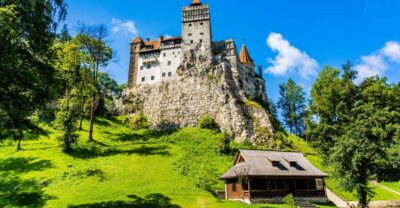
Dracula’s Castle, Peles Castle, & Brasov Old Town
Read our review →
Dracula Castle, Peles Castle & Brasov Old Town
Read our review →
Dracula’s Castle, Peleș Castle & Brașov Day Trip
Read our review →
Day Trip to Dracula Castle, Peles Castle & Brașov
Read our review →
Bucharest to Dracula Castle, Peles Castle and Brasov Guided Tour
Read our review →