
REVIEW · BLACK SEA COAST TRIPS
Constanta: Full Day Tour from Bucharest to the Black Sea
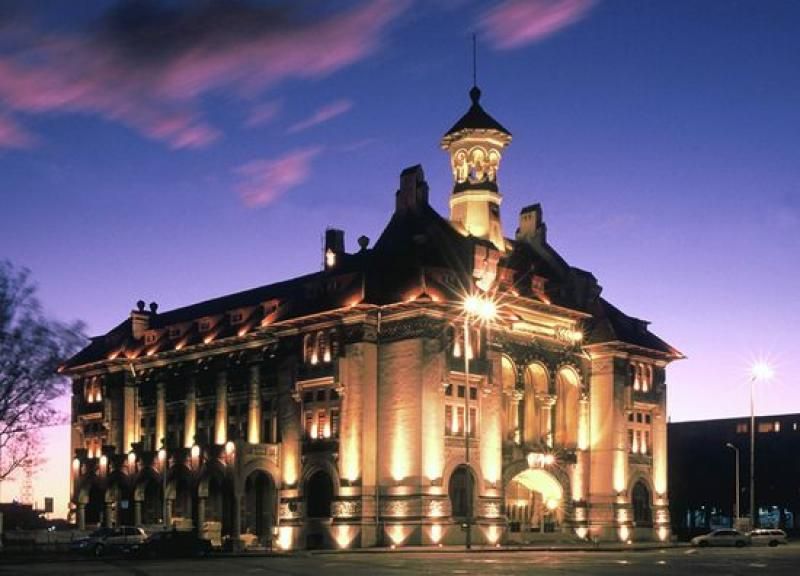
Romania’s Black Sea coast is closer than it feels. This day trip gives you door-to-door transport from Bucharest, a useful English-speaking guide, and a clear look at Constanta’s Roman, Muslim, and Orthodox landmarks. I especially like the chance to visit the Museum of Archaeology and History and the view from the mosque’s minaret. The drawback is the long road time: about three hours each way, with a full schedule that may leave little room for sitting quietly by the sea.
You should also know that several attractions may not be open. The Roman Edifice with Mosaic and Constanta Aquarium are temporarily closed for renovation, and entrance fees are not included in the $210 price. Still, if you want to see more of Romania than Bucharest and prefer a planned day rather than arranging trains, taxis, and city sightseeing yourself, this is a useful outing.
In This Review
- Key points before you book
- Leaving Bucharest at 8 AM
- Crossing the Danube toward the coast
- Constanta, Romania’s oldest attested town
- Roman objects at the Museum of Archaeology and History
- Ovidius Square and the Roman poet
- The mosque and its climb to the minaret
- The Orthodox Cathedral and Constanta’s architectural mix
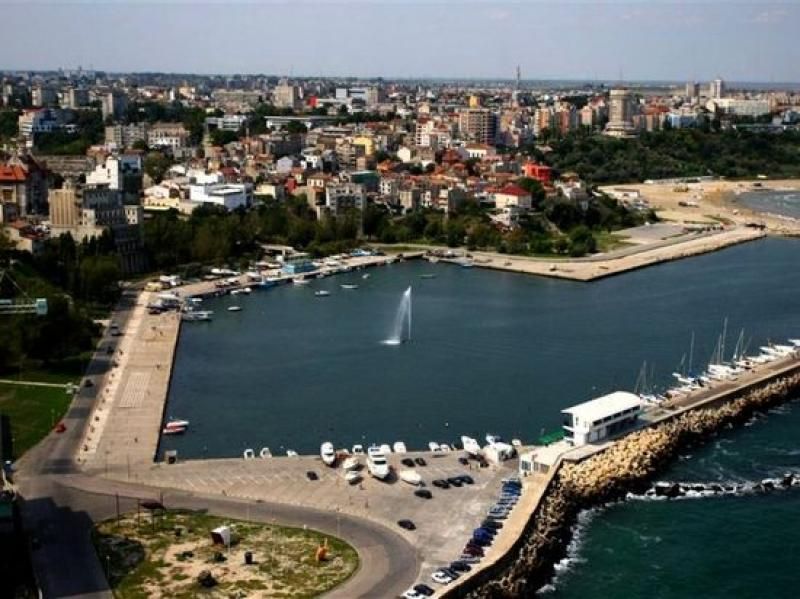
- The harbor and the Black Sea
- Lunch and the afternoon return
- Is $210 a fair price?
- Who will enjoy this day most?
- Practical details to remember
- Should you book the Constanta day trip?
- FAQ
- How long is the Constanta tour from Bucharest?
- Where does the tour depart?
- Is pick-up from my Bucharest location included?
- Is transportation included in the price?
- Is an English-speaking guide included?
- Is lunch included?
- Are entrance fees included?
- Can I swim in the Black Sea?
- Are the Roman Edifice with Mosaic and Aquarium open?
- Is the tour suitable for wheelchair users or people with walking impairments?
- Can children join the tour?
- Are pets allowed?
- Can I cancel the booking?
- Can I reserve now and pay later?
Key points before you book
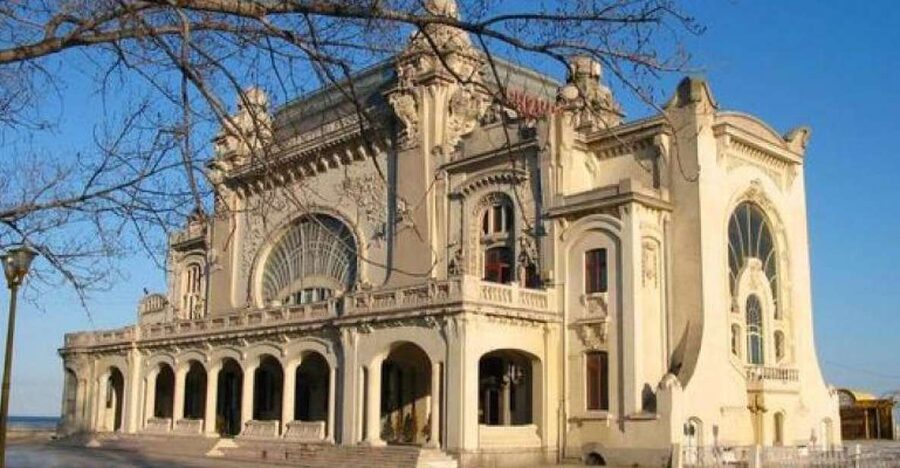
- Three architectural traditions in one city: Constanta brings Roman remains, a Muslim mosque, and an Orthodox cathedral into one compact sightseeing day.
- A long but scenic road journey: You cross the Danube and pass Romania’s nuclear power plant before reaching the coast.
- The best city view comes from above: Climbing the mosque’s minaret offers a broad panorama of Constanta.
- The Roman mosaic may be unavailable: The Roman Edifice with Mosaic is temporarily closed for renovation, so do not book expecting to enter it.
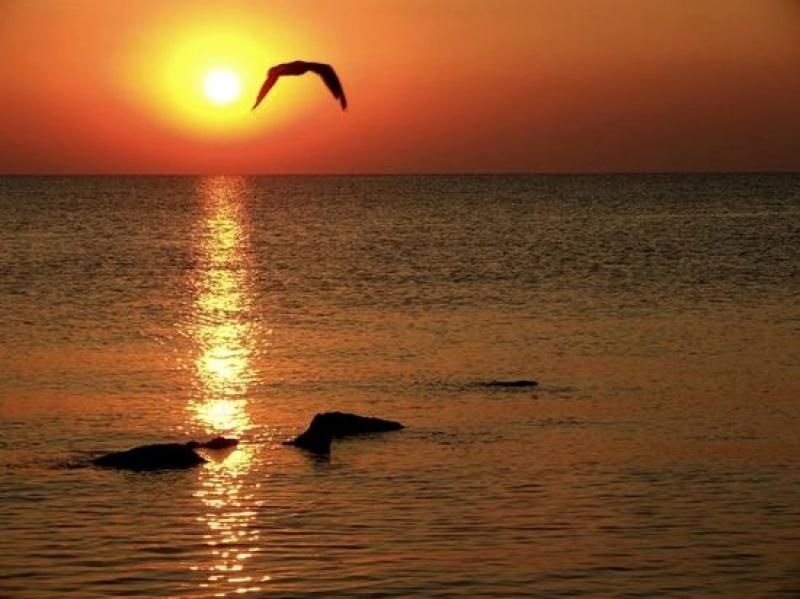
- A beach stop depends on the day: If weather and timing permit, you may swim in the Black Sea, but guaranteed beach lounging is not part of the schedule.
- Plan for extra costs: Lunch runs about €15 to €20 per person, and attraction entrance fees are separate.
Leaving Bucharest at 8 AM
The tour departs at 8 AM from Benjamin Franklin Parking on Strada Benjamin Franklin in District 1. The meeting point is near the Romanian Athenaeum Concert Hall and the Hilton Athenee Palace Hotel, making it fairly easy to reach if you are staying in central Bucharest.
Pick-up and drop-off at your Bucharest location are included, but the stated meeting point is the clearest place to plan around. Transportation is by car or minibus, with fuel included. Since this is a shared group trip, you should expect less control over stops and pacing than you would have on a private excursion.
The return is scheduled for about 7 PM. That makes this a roughly eleven-hour day, though the actual timing can shift because of city traffic and road works. One useful warning: the schedule is not carved in stone. A previous participant returned to Bucharest considerably earlier than the advertised time, so you should not build an important evening reservation around the stated return hour.
Wear comfortable shoes from the start. Constanta’s central sights involve walking, and the mosque visit includes stairs to the minaret. The tour is not suitable for children under seven, wheelchair users, or people with walking impairments.
More Black Sea coast trips:
- Black Sea and Constanța City – Private Tour from Bucharest
★ 5.0 · 67 reviews - Constanta and Mamaia Day Trip from Bucharest
★ 4.5 · 42 reviews - From Bucharest: A Day by the Black Sea Shared Group Tour
★ 4.5 · 38 reviews
Crossing the Danube toward the coast
The road portion is long, but it gives the day some useful Romanian context. On the way to Constanta, you cross the Danube by bridge. The first bridge here was built in 1895 by Romanian engineer Anghel Saligny during the reign of King Carol I.
That detail matters because the crossing is more than a routine highway stop. It connects Bucharest with the eastern part of the country and reflects Romania’s effort to link its interior with the Black Sea coast in the late nineteenth century.
You also pass the nuclear power plant built by a Canadian company at the beginning of 1978. It is an unusual sight on a sightseeing route and adds a modern industrial note to a day otherwise centered on ancient ruins, churches, and nineteenth-century civic buildings.
The highway journey takes about three hours before you reach Constanta. I would bring water, a light snack, and something to read for the drive. The guide provides commentary, but the amount of narration can depend on the person leading your group. Daniel, one guide praised for answering questions and explaining the city well, helped make the long journey more worthwhile for one participant. Guide quality can vary, but an English-speaking guide is included.
Constanta, Romania’s oldest attested town
Constanta is described as the oldest town attested on Romanian territory. Its ancient identity is closely tied to the Greek and Roman periods, while its later buildings show the religious and political changes that shaped the city.
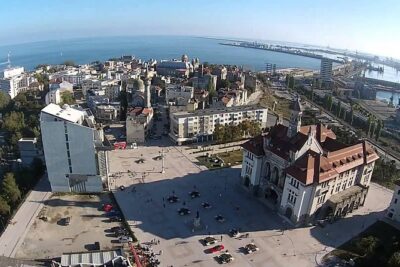
The historical center is the right place to begin because several major sights are close together. You can move from Roman archaeology to a Muslim place of worship and then to an Orthodox cathedral without needing a second vehicle or a long transfer.
This mix is one of the strongest reasons to take the tour. You are not simply visiting a seaside resort. You are seeing how several cultures and periods occupy the same city center.
Roman objects at the Museum of Archaeology and History
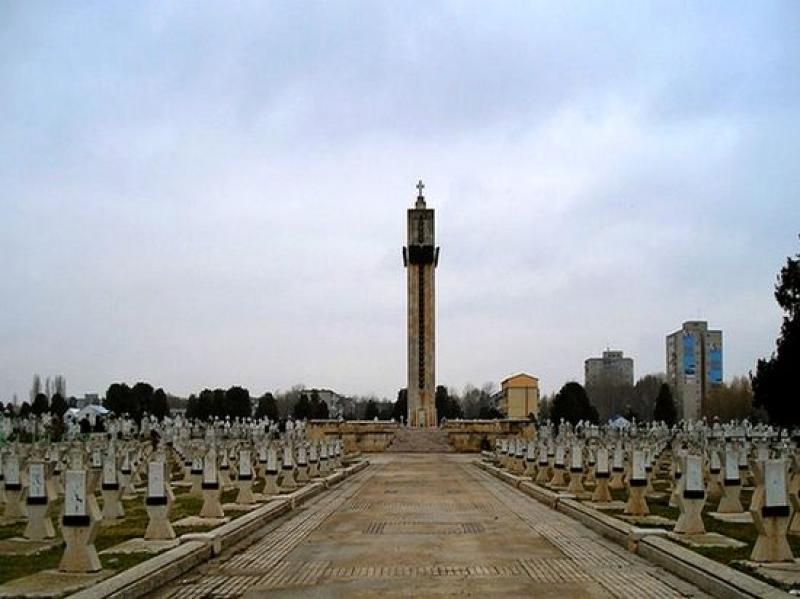
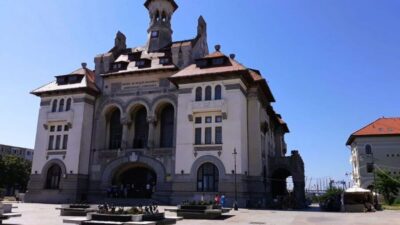
The Museum of Archaeology and History Constanta was founded in 1878. Its collection includes relics and architectural pieces from the Greek and Roman periods, giving you a grounding in the city before you walk through its streets.
I like this stop because it supplies context that outdoor sightseeing cannot. A column fragment or carved piece inside a museum can help you understand what the Roman remains once meant, rather than leaving you to guess from scattered stones and modern buildings.
The museum visit also gives the guide a natural place to explain Constanta’s ancient past. You can ask questions in English and connect the museum objects with the Roman sites you see later.
Do not expect every advertised archaeological sight to be open. The Roman Edifice with Mosaic is temporarily closed for renovation. It was discovered during archaeological excavations in 1959 and contains an original Roman mosaic that formed part of a commercial harbor dating to the fourth century.
That closure is a real limitation. The mosaic would have been one of the most distinctive stops because it links daily trade with the ancient port. You can still learn about it, but you may not be able to see the interior for yourself.
A few more Bucharest days worth comparing
- Bucharest: Dracula’s Castle, Peles Castle, & Brasov Old Town
★ 4.5 · 17,858 reviews - Bucharest: Dracula Castle, Peles Castle & Brasov Old Town
★ 4.6 · 10,891 reviews - Bucharest: Dracula’s Castle, Peleș Castle & Brașov Day Trip
★ 4.5 · 5,919 reviews - Bucharest: Palace of Parliament Tickets and Guide
★ 4.3 · 3,182 reviews
Ovidius Square and the Roman poet
In Ovidiu Square, you see the statue of Publius Ovidius Naso, the Roman poet born in 43 BC who died in AD 17. The statue was made in 1887 by Italian sculptor Ettore Ferrari.
Ovid was buried under the gates of the Roman citadel in the location of the present statue. His connection to Constanta gives the square a literary and Roman character, and it is a useful place to pause before continuing through the center.
The statue itself is not a huge sight, so your guide’s explanation adds much of its value. Take a moment to look at the surrounding buildings and notice how the modern city has grown around its ancient identity.
The mosque and its climb to the minaret
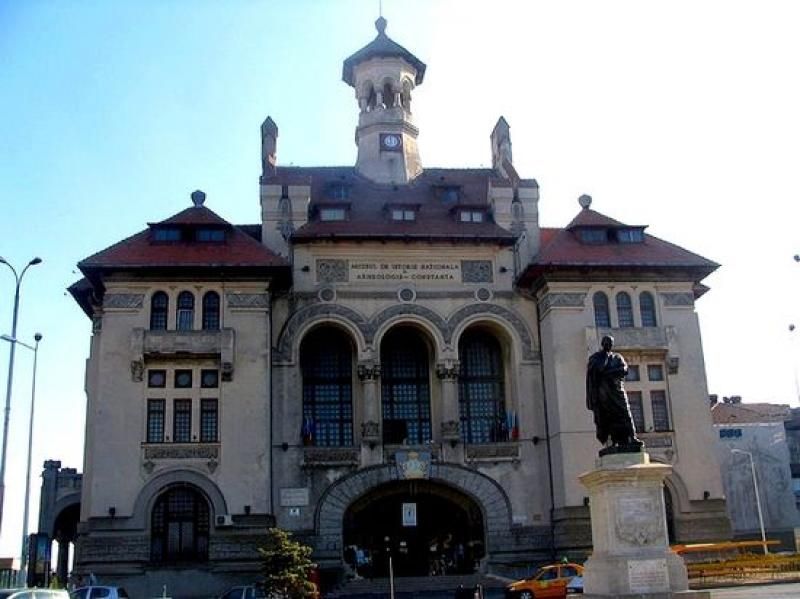
The Muslim Mosque was built between 1910 and 1912 as a tribute to Constanta’s local Muslim community. It was inaugurated in the presence of Carol I, Romania’s first king.
The building was first named Carol I Mosque and later renamed Mahmud the Second. That change reflects the layered identities present in Constanta, a port city where different religious communities have long formed part of the city’s story.
The main reward here is the climb up the minaret tower. From the top, you get a panoramic view across Constanta. This is one of the tour’s most worthwhile moments because it helps you understand the city’s position by the Black Sea and see its buildings from a useful angle.
The stairs also explain why the tour is not suitable for people with mobility impairments. If climbing is difficult for you, ask the guide what parts of the stop you can enjoy from ground level, but the panoramic view depends on reaching the tower.
Bring shoes with a firm sole. Comfortable footwear is listed as essential, and the full day includes both city walking and stairs.
The Orthodox Cathedral and Constanta’s architectural mix
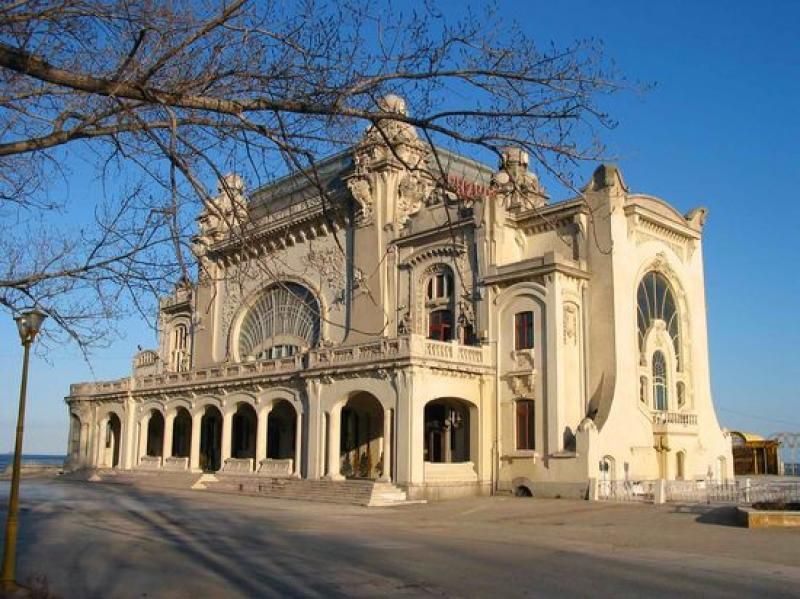
The Orthodox Cathedral was built between 1883 and 1895 by Romanian architect Ion Mincu. It is a monument in the Byzantine architectural style.
Placed beside the mosque and the Roman remains, the cathedral helps deliver one of the tour’s stated highlights: three architectural styles in one place. You see ancient Roman work, Islamic design, and Orthodox Christian architecture within the same city visit.
This comparison is more interesting than rushing from one isolated attraction to another. Pay attention to the different forms, religious purposes, and dates. The point is not to decide which building is best. It is to see how Constanta’s identity has been built in layers.
The cathedral is also a reminder that the city’s importance continued after the Roman period. The late nineteenth century brought major public construction, including both the cathedral and the mosque, at a time when modern Romania was defining its national institutions.
The harbor and the Black Sea
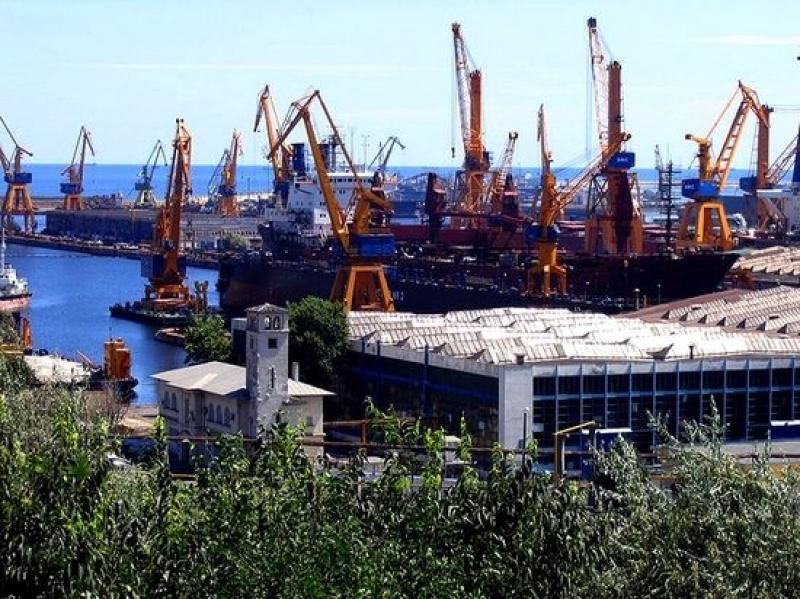
The tour includes a walk on Romania’s largest harbor. The harbor gives you a working coastal setting rather than only a postcard view of the water. It also connects the present city with the ancient commercial harbor represented by the Roman mosaic.
Exact harbor walking time is not specified, so you should not assume a long waterfront stroll. The day has several scheduled sights, and the guide controls the pace for the shared group.
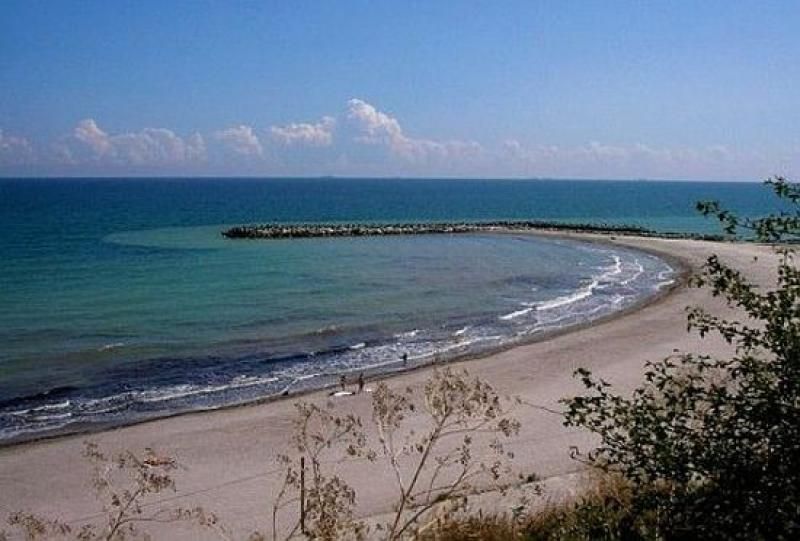
If weather permits and you bring a swimming suit, you may have the chance to take a refreshing bath in the Black Sea. This is an optional possibility, not the central purpose of the tour. Pack a swimsuit only if you are comfortable carrying it all day, and do not count on a long sunbathing session.
One participant appreciated having the driver accompany the group to the beach area but would have preferred an hour or two alone by the water. That is a helpful point for planning. The tour is designed as a sightseeing day with a possible swim, not as a relaxed beach holiday. If private seaside time matters most to you, Constanta would be better visited independently or with a private itinerary.
Lunch and the afternoon return
Lunch is not included. Plan on approximately €15 to €20 per person, plus any attraction entrance fees. The supplied information does not name a specific restaurant or menu, so you should ask the guide about the day’s lunch arrangement and how much time is available.
After lunch, the tour begins the drive back to Bucharest. This makes the day efficient, but it also means the return journey comes after a full morning of driving, city sightseeing, stairs, and possibly a swim.
I would treat the ride home as quiet time. Keep your schedule flexible, especially if traffic or road works slow the group. The stated return is around 7 PM, but the timing can change in either direction.
Is $210 a fair price?
At $210 per person, this is not a cheap day trip. The price includes transport by car or minibus, fuel, pick-up and drop-off at your Bucharest location, and an English-speaking guide.
The value depends on what you want to avoid arranging yourself. You do not need to work out intercity transport, find the historical center, connect the museum with the mosque and cathedral, or organize the return journey. For a first visit to Romania, that structure can save time and reduce stress.
The price looks less attractive if you mainly want beach time. The trip spends about six hours on the road in total, and the swim is optional and dependent on weather and schedule. Lunch and entrance fees are additional, so your final cost will be higher than $210.
I see the strongest value in the guide and transport rather than the admission package. If you are curious about Romanian history and want a broad introduction to Constanta in one day, the cost may make sense. If you want an inexpensive coastal escape, it may feel high for the amount of free time.
Who will enjoy this day most?
I would recommend this tour to you if you:
- Have several days in Bucharest but want to see the Black Sea coast
- Prefer a planned group trip to handling transport alone
- Enjoy museums, religious buildings, Roman archaeology, and city views
- Are comfortable with a long road day and a return around 7 PM
- Can manage stairs and extended walking
- Want an overview of Constanta rather than a slow, beach-centered visit
I would hesitate if you have limited mobility, are traveling with a child under seven, or want a private day by the water. I would also think twice if the Roman mosaic and Aquarium are your main reasons for booking, since both are temporarily closed for renovation.
The strongest praise has gone to the guide’s explanations and willingness to answer questions. Daniel was specifically praised for explaining Constanta and responding to questions, while another participant found the driver helpful throughout the city and beach-area visit. That personal guidance can make the long drive feel more useful.
Practical details to remember
The tour is offered in English and includes a live guide. It allows cancellation up to 24 hours before departure for a full refund, and you can reserve now and pay later.
Pets are not allowed. Bring comfortable shoes, water, a swimsuit if you want to take the optional sea bath, and enough money for lunch and entrance fees.
Most important, keep your evening open. The advertised return is around 7 PM, but traffic, road work, and the group’s pace can change the day’s timing.
Should you book the Constanta day trip?
Book it if you want a broad, guided introduction to Constanta and the Black Sea without managing the transport yourself. The combination of Roman archaeology, Ovidius Square, the mosque’s minaret, the Orthodox cathedral, and Romania’s largest harbor gives you more than a simple seaside outing.
Skip it if you want a slow beach day, guaranteed access to the Roman mosaic or Aquarium, or a private schedule. At $210, the tour earns its value through convenience, transport, and explanation. It is best for an active visitor who sees the coast as one part of a full Romanian history lesson, not as a place to spend the whole afternoon in a deck chair.
FAQ
How long is the Constanta tour from Bucharest?
It lasts one day. Departure is at 8 AM, and the planned return to Bucharest is around 7 PM.
Where does the tour depart?
The meeting point is Benjamin Franklin Parking on Strada Benjamin Franklin in District 1, near the Romanian Athenaeum Concert Hall and Hilton Athenee Palace Hotel.
Is pick-up from my Bucharest location included?
Yes. Pick-up and drop-off at your location in Bucharest are included.
Is transportation included in the price?
Yes. Transportation by car or minibus and fuel costs are included.
Is an English-speaking guide included?
Yes. The tour includes a live English-speaking guide.
Is lunch included?
No. Lunch is not included. The expected cost is approximately €15 to €20 per person.
Are entrance fees included?
No. Entrance fees are separate from the tour price.
Can I swim in the Black Sea?
You may be able to swim if the weather permits and you bring a swimming suit. The sea bath is optional.
Are the Roman Edifice with Mosaic and Aquarium open?
Both are temporarily closed for renovation.
Is the tour suitable for wheelchair users or people with walking impairments?
No. The tour is not suitable for people with mobility impairments or wheelchair users because the itinerary includes climbing stairs.
Can children join the tour?
Children under seven are not permitted on the tour.
Are pets allowed?
No. Pets are not allowed.
Can I cancel the booking?
Yes. You can cancel up to 24 hours in advance for a full refund.
Can I reserve now and pay later?
Yes. The tour offers a reserve-now, pay-later option.
Just added in Bucharest
- Bucharest: Dealu Mare Winery Private Trip with Wine Tasting★ 4.9 · 6 reviews
- Winery touring & private wine tasting – one day private tour★ 5.0 · 3 reviews
- Village Museum Bucharest Guided Tour★ 5.0 · 6 reviews
- Transylvania Tour: Dracula’s Castle, Peles Palace & Brasov★ 5.0 · 19 reviews
- Transfer Airport Otopeni – Bucharest★ 5.0 · 2 reviews
- Private Transfer Bucharest Otopeni Airport (OTP) to/from Brasov★ 5.0 · 2 reviews
- Private Bucharest Otopeni Airport (OTP) Transfer★ 5.0 · 2 reviews
- Bucharest Airport Transfer To Constanta Mamaia★ 5.0 · 3 reviews
Black Sea Coast Trips, compared.
Black Sea and Constanța City – Private Tour from Bucharest
Read our review →
Constanta and the Black Sea Private Tour from Bucharest
Read our review →
Constanta and the Black Sea Coast – Private Tour from Bucharest
Read our review →
Private Bucharest Tour: Discover Constanța & Black Sea Coast
Read our review →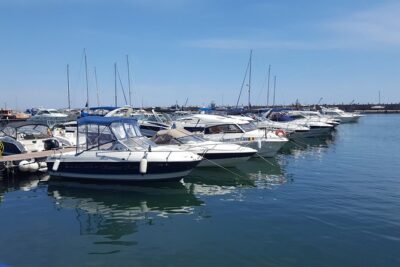
A day by the Black Sea Shared Group Tour from Bucharest
Read our review →Browse the lists this tour appears in