
REVIEW · WINE TOURS
Day Tour: Visit Histria Winery and Ancient Citadel
Ancient ruins meet local wine. This half-day outing pairs the wide archaeological site of Histria with a relaxed tasting at Crama Histria, giving you two very different views of Dobrogea in one trip. I like the chance to walk among Greek, Roman, and Christian remains, then sit down with local cheeses and a salty cheese and leek pie. I also like that the tour includes transport in an air-conditioned vehicle and a bottle of wine to take home.
The main concern is the tour’s minimum number of participants. One booking could not run because there were not enough people, so you should be ready for a possible change of plan. At about $103.56 per person, the price is fair if you value included transport, site admission, tasting, food, and wine, but it is less attractive if you want a long archaeological visit or a broad winery tour.
In This Review
- Key points at a glance
- Why Histria makes a good half-day trip from Constanta
- Walking through the 65-hectare ancient city
- What the natural reserve adds to the ruins
- Crama Histria and the taste of Dobrogea
- How the ancient city and winery work together
- Transport, timing, and group size
- Is $103.56 a fair price?
- Who should book this experience?
- Final verdict: book it for variety and ease
- FAQ
- How long does the Histria and winery tour last?
- What time does the tour start?
- Is pickup available?
- What can I see at the ancient city of Histria?
- What food is included at Crama Histria?
- Is wine included?
- What happens if the minimum number of participants is not reached?
Key points at a glance
- Two very different stops: Spend about two hours at the ancient city of Histria, then about two hours at Crama Histria.
- A large archaeological site: Histria covers about 65 hectares and includes defense walls, Greek temples, Roman baths, and Christian basilicas.
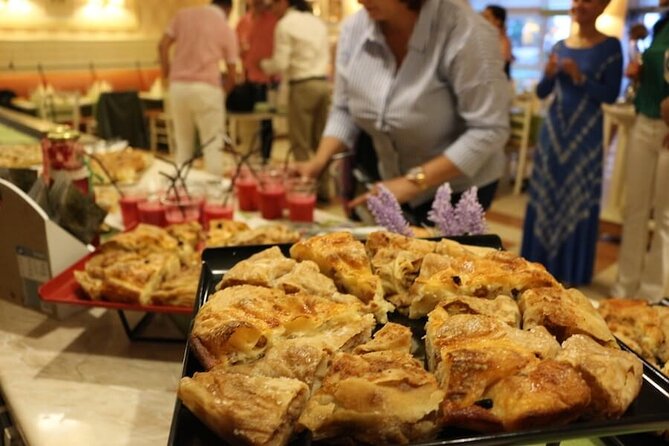
- Local Dobrogean flavors: The tasting comes with local cheeses and Armenian pie filled with salty cheese and leek.
- Wine to take home: The experience includes a bottle of wine as a gift after the tasting.
- Small-group format: The maximum group size is eight people, though a minimum number is also required for the tour to operate.
Why Histria makes a good half-day trip from Constanta
Histria gives you a clear sense of how old the Dobrogea region is. The city was founded by Greek settlers and later developed under Roman rule, with Christian buildings added in a later period. You do not need to be an archaeology specialist to appreciate the scale. The remains spread across roughly 65 hectares, so the site feels like a real ancient city rather than a single monument surrounded by modern streets.
I like the way this visit places several periods beside one another. You can see the western defense wall, the remains of Greek temples, the Roman baths, and Christian basilicas in the same broad setting. Each part offers a different clue about how the settlement changed over time.
The area also includes a natural reserve with birds and vegetation. That adds a quieter side to the visit. You are not simply moving from one stone wall to another. The site includes open ground, a lake, and traces of a buried church, giving the stop a mix of archaeology and nature.
The reference to a lake with miraculous properties belongs to local tradition, not something you should treat as a documented feature of the tour. Still, it helps explain why the setting has long carried spiritual and local importance.
More Wine Tastings in Romania:
- Wine Tasting in Bucharest
★ 5.0 · 183 reviews - Peles & Cantacuzino Castles: Gourmet Wine & Cultural Day trip
★ 4.5 · 67 reviews - Private Tour to Salt Mine, Lunch at Winery and Dracula Grave
★ 5.0 · 60 reviews
Walking through the 65-hectare ancient city
The Histria visit lasts about two hours, with admission included. That is enough time for a useful introduction to the site, though the large area means you should not expect to examine every ruin in great detail.
Start by getting a sense of the scale. The wide expanse helps you picture Histria as a working settlement with defenses, religious buildings, bathing facilities, and homes rather than as an isolated ruin. The western defense wall is one of the practical highlights because it shows how the city protected itself.
The Greek temple remains point to the settlement’s earliest identity. You may find that the stones are easier to understand when you think of them as part of a larger civic center. The Roman baths then show a later phase, when Roman customs and public facilities shaped daily life.
The Christian basilicas bring another layer. Their presence shows that Histria continued to matter after its Greek beginnings and Roman period. I find this sequence more useful than seeing one famous object without context. Here, the site tells its story through different kinds of buildings.
The ruins are spread out, so comfortable footwear is sensible. The supplied information does not specify the exact walking surface, shade, or restroom arrangements, so plan for an outdoor archaeological visit rather than a polished museum experience. The tour may suit most people, but anyone who finds long walks across open ground difficult should ask the provider for current conditions before booking.
What the natural reserve adds to the ruins
The natural setting changes the mood of Histria. Birdlife and vegetation are part of the visit, and the reserve is described as the last natural reserve full of birds and vegetation in Dobrogea. That wording signals an important part of the stop: you are seeing an archaeological site in a living environment, not a ruin stripped from its surroundings.
I would give yourself a little time to look beyond the walls. The lake and surrounding plant life may be especially welcome after focusing on masonry and foundations. You might also find that the open setting makes photography easier, though the tour details do not promise a dedicated photo stop.
The site’s size can be both its strength and its weakness. A large area makes Histria feel substantial, but it also means the two-hour visit is an introduction. If you want a slow study of inscriptions, architectural fragments, and every basilica, you may need more time than this tour allows.
Crama Histria and the taste of Dobrogea
After Histria, the tour continues to Crama Histria for about two hours. This stop shifts from ancient stones to regional food and wine, and that contrast is one of the best reasons to choose this experience.
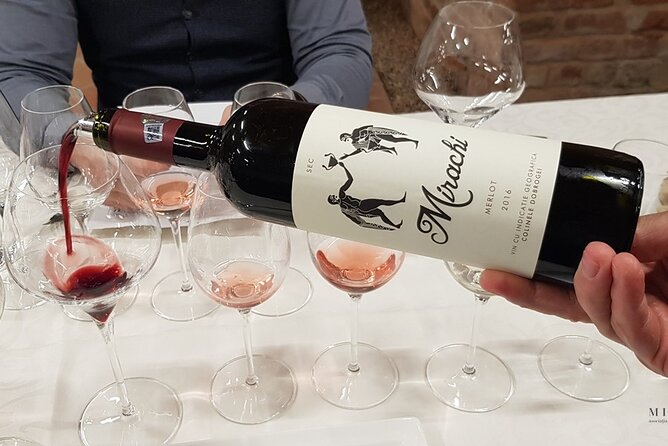
The tasting is led by sommeliers at the winery. The supplied details do not list the wines or grape varieties, so I would not book this expecting a fixed flight of particular bottles. What you can count on is an organized wine tasting with alcoholic beverages included.
The food matters here. The winery serves local cheeses and an Armenian pie filled with salty cheese and leek, described as a recipe from the Dobrogea area. That is more useful than pairing wine with generic crackers. The food gives you a direct taste of the region and makes the tasting feel connected to the place you have just visited.
You also receive a bottle of wine as a gift after tasting. That improves the value, especially if you enjoy taking regional products home. It also gives you a practical reminder of the day instead of leaving you with only photographs.
The winery portion is listed as brunch, but the details describe snacks and pie rather than a full restaurant meal. I would treat it as a substantial tasting accompaniment, not assume it replaces a large lunch. One account of a changed tour arrangement praised the meal and wine, but that alternate outing included two bottles, while this experience specifically promises one bottle. Keep that distinction in mind.
A completely different kind of day out:
- Bucharest: Dracula’s Castle, Peles Castle, & Brasov Old Town
★ 4.5 · 17,858 reviews - Bucharest: Dracula Castle, Peles Castle & Brasov Old Town
★ 4.6 · 10,891 reviews - Bucharest: Dracula’s Castle, Peleș Castle & Brașov Day Trip
★ 4.5 · 5,919 reviews - Bucharest: Palace of Parliament Tickets and Guide
★ 4.3 · 3,182 reviews
How the ancient city and winery work together
This is not simply a sightseeing trip followed by a tasting. The two stops complement each other. Histria gives you the historical setting, while the winery connects you with present-day Dobrogea through food and drink.
I like this format for a first visit to the region. The ancient city can feel broad and slightly abstract if you see it alone. The winery then gives the day a social and sensory finish. After two hours among ruins, sitting down with wine, cheese, and pie creates a natural change of pace.
The balance also makes the tour accessible to people with different interests. You can enjoy Histria for its archaeology and natural setting, while a companion may be more interested in the tasting. Neither stop is an afterthought.
Still, you should choose this tour for the combination, not for maximum depth at either location. A dedicated archaeology tour would likely spend more time on Histria. A dedicated wine experience might offer more detail about production and a wider selection of bottles. This outing gives you a well-shaped sample of both.
Transport, timing, and group size
The tour begins at 10:00 a.m. Pickup is offered, and the vehicle is air-conditioned. At the end, you are transported back to the hotel where you are staying. That door-to-door element is valuable because the experience combines a site outside Constanta with a winery, and arranging separate transport would make the day less simple.
The total duration is about four to five hours. Since the two stops are each listed at roughly two hours, the remaining time covers driving and transitions. Do not plan a tightly timed afternoon appointment immediately afterward. The tour is short enough for a half-day, but not so precise that you should treat the return time as exact.
The maximum group size is eight people. That is small enough for a more personal outing than a large coach trip, particularly during the tasting. A small group can also make it easier to ask questions about Histria, the wines, and the local food.
The minimum group requirement needs attention. A booking once failed to go ahead because there were not eight people, and the operator offered a different day tour with lunch and wine instead. That alternative worked well for the person who accepted it, with an informative guide and enjoyable food and wine, but it was not the original plan.
The lesson is simple: do not build an important travel connection around this tour unless the provider confirms that it will operate. If the minimum is not reached, you may be offered another date or experience, or a full refund.
Is $103.56 a fair price?
At $103.56 per person, I see the price as reasonable for a packaged half-day outing, provided you value convenience. The cost includes the Histria admission, winery admission, alcoholic beverages, brunch or tasting food, an air-conditioned vehicle, and a bottle of wine.
The transport is a major part of the value. You are not only paying to walk around ruins and taste wine. You are paying for the connection between Constanta, Histria, the winery, and your hotel. That can save time and remove the need to work out local transport between two separate destinations.
The bottle of wine adds tangible value, though the exact wine and bottle size are not specified. If you already have a rental car and prefer to arrange your own visits, the package may feel expensive. You would have more control over timing, but you would also lose the included transfers and organized tasting.
The price is also easier to justify for visitors who want an introduction to Dobrogea rather than a specialized tour. You get history, nature, food, and wine in one outing. That variety is the reason I would consider the cost fair.
Who should book this experience?
I would recommend it to you if you want to see a significant ancient site without spending a full day on archaeology. The two-hour Histria visit gives you the main types of remains, while the winery adds an enjoyable regional meal and tasting.
It suits couples, small groups of friends, and curious food-and-history travelers. The small maximum group size should help keep the day personal, and the air-conditioned vehicle is useful during a warm Dobrogea outing.
It is also a good choice if you want an easy excursion from Constanta. Pickup and return transport reduce the planning work, and the mobile ticket keeps the booking simple.
I would hesitate if you want a highly detailed archaeological lecture, a long bird-watching session, or a serious wine course. The supplied information does not promise extensive specialist commentary, a particular guide, named wine varieties, or a full meal menu. You should choose it for a broad, balanced introduction.
The experience is generally suitable for most people, but the site covers a large outdoor area. Ask about current walking conditions if mobility is a concern. Also, remember that the minimum number of participants can affect whether your original plan goes ahead.
Final verdict: book it for variety and ease
Book this tour if you want one practical half-day that combines ancient Histria with Dobrogean wine and food. I especially like the pairing of the 65-hectare archaeological site with the local cheese and salty cheese and leek pie. The bottle of wine and return transport make the package more useful than a simple ruins visit.
Skip it if you want to spend most of the day at Histria or if you need guaranteed plans on a specific date. For everyone else, this is a pleasant way to see an important corner of Constanta County without arranging several separate outings. Just confirm the minimum group requirement and leave some flexibility in your schedule.
FAQ
How long does the Histria and winery tour last?
The experience lasts approximately four to five hours. About two hours are scheduled at the ancient city of Histria and about two hours at Crama Histria, with the remaining time used for transportation and transitions.
What time does the tour start?
The tour starts at 10:00 a.m.
Is pickup available?
Yes. Pickup is offered, and the tour includes transportation in an air-conditioned vehicle. At the end, you are transported back to the hotel where you are staying.
What can I see at the ancient city of Histria?
The site includes the western defense wall, ruins of former Greek temples, Roman baths, Christian basilicas, a buried church, and a lake. The area also includes a natural reserve with birds and vegetation.
What food is included at Crama Histria?
The tasting is accompanied by local cheeses and Armenian pie filled with salty cheese and leek, a recipe associated with the Dobrogea area. The experience also includes brunch.
Is wine included?
Yes. Alcoholic beverages are included, and you receive one bottle of wine as a gift after the tasting.
What happens if the minimum number of participants is not reached?
If the minimum is not met, the experience may be canceled. You will be offered a different date or experience, or a full refund. Free cancellation is available when you cancel at least 24 hours before the start time.
Just added in Romania
- Bucharest: Dealu Mare Winery Private Trip with Wine Tasting★ 4.9 · 6 reviews
- Winery touring & private wine tasting – one day private tour★ 5.0 · 3 reviews
- Turda salt mine and Corvin Castle day tour from Cluj★ 5.0 · 9 reviews
- Private tour to Turda Salt Mine, Rimetea and Alba Iulia★ 4.8 · 5 reviews
- Village Museum Bucharest Guided Tour★ 5.0 · 6 reviews
- Transylvania Tour: Dracula’s Castle, Peles Palace & Brasov★ 5.0 · 19 reviews
- Turda Salt Mine : 1 Day auto tour from Oradea★ 4.4 · 2 reviews
- Turda Salt Mine, Gorge & Rimetea Village (private from Cluj)★ 5.0 · 5 reviews
Wine Tours, compared.
Peles & Cantacuzino Castles: Gourmet Wine & Cultural Day trip
Read our review →
Private Tour to Salt Mine, Lunch at Winery and Dracula Grave
Read our review →
Half-Day Private Food and Wine Walking Tour Oradea Romania
Read our review →
Day trip to Republic of Moldova – visit Chisinau and Cricova Winery
Read our review →
Traditions in Bucharest: Village Museum and Wine Tasting Tour
Read our review →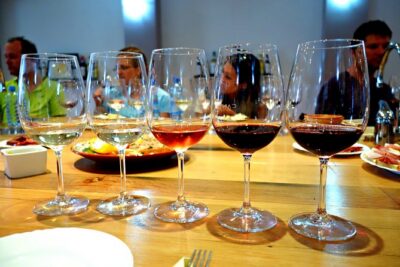
Browse the lists this tour appears in