
REVIEW · BRAN CASTLE AND DRACULA TOURS
Dracula beyond the legend: 8-day private tour in Transilvania
Vlad Tepes needs a history lesson. This eight-day journey connects the real Wallachian prince behind the Dracula legend with Romania’s castles, fortified churches, salt mines, mountain roads, and medieval towns. I like the strong historical thread, and I like that the route includes more than the famous castles, with Sibiu, Sighișoara, Densuș, and the Transfăgărășan Highway adding much-needed variety.
The main drawback is the amount of time spent on the road. Romania is large, and this route covers a lot of ground in eight days. Still, transport, entrance fees, breakfast, airport transfers, and a professional English-speaking guide are included, which makes the price easier to understand.
Florin, the guide praised in the tour feedback, seems to have made a particularly good impression by handling hotel check-ins and looking after the practical details as well as explaining the history. That kind of help matters on a route with frequent changes of town and several long driving days.
In This Review
- Key points to know before booking
- Bucharest begins with dictatorship and Dracula
- Târgoviște introduces the real Vlad Tepes
- The Transfăgărășan Highway changes the mood
- Corvin Castle brings the Gothic drama
- Alba Iulia and Turda go beneath the surface
- Biertan and Sighișoara preserve Saxon Transylvania
- Brașov and Bran deliver the familiar images
- What the $3,113 price really covers
- Pace, group size, and practical comfort
- Who should book this Transylvania tour?
- Should you book it?
- FAQ
- How long is the Dracula Beyond the Legend tour?
- Where does the tour begin?
- Is airport pickup and drop-off included?
- What accommodation is included?
- Is food included?
- Is Bran Castle included?
- Is the tour conducted in English?
- What is the cancellation policy?
Key points to know before booking
- The Dracula story is tied to real places: Visit Târgoviște, Sighișoara, Bran Castle, and Snagov Monastery, all linked in different ways to Vlad Tepes.
- The route goes far beyond Bran Castle: Corvin Castle, Peles Castle, the ASTRA Museum, fortified churches, and Turda Salt Mine add depth and variety.
- The Transfăgărășan Highway is a major highlight: The road crosses the Southern Carpathians at elevations reaching 2,042 meters.
- You get substantial practical coverage: Seven hotel nights, breakfast, transport, airport pickup and drop-off, entry fees, and a carriage ride in Sibiu are included.
- This is a small-group private experience: The tour lists a maximum of eight people, with a stated maximum of 14 per booking.
- The pace is active: You need moderate physical fitness for walking through castles, citadels, old towns, and uneven historic areas.
Bucharest begins with dictatorship and Dracula
The tour opens in Bucharest, a useful starting point because the city’s history reaches back to the same broad period as Vlad Tepes. The first major stop is the Palace of the Parliament, also called the People’s House.
This enormous building was constructed between 1984 and 1997 and now houses Romania’s Parliament. Its scale is the point. You spend about an hour here with admission included, and the visit gives you a sharp look at Romania’s modern past before the tour turns toward medieval princes and Gothic stonework.
The Old Town follows. Known as Centrul Vechi, it is Bucharest’s historic center, filled with cafes, restaurants, and sights. You see Curtea Veche, the Old Court, which was once inhabited by Vlad Tepes.
I like this pairing because it prevents the trip from becoming a single-theme castle hunt. In one morning, you move from the excess of the communist era to the remains of a royal court associated with the man who inspired Dracula.
The Old Town visit lasts about an hour, so do not expect a long, free-form exploration of every lane. It is an introduction rather than a full Bucharest city tour.
More Bran Castle and Dracula trips:
- Bucharest: Dracula’s Castle, Peles Castle, & Brasov Old Town
★ 4.5 · 17,858 reviews - Bucharest: Dracula Castle, Peles Castle & Brasov Old Town
★ 4.6 · 10,891 reviews - Bucharest: Dracula’s Castle, Peleș Castle & Brașov Day Trip
★ 4.5 · 5,919 reviews
Târgoviște introduces the real Vlad Tepes
Day two turns toward Târgoviște, the medieval capital of Wallachia. The city served as a secondary residence for Wallachian princes before the royal court moved there in 1431.
The Princely Court is the key stop. You visit the Princely Church and Chindia Tower, with admission included. The site helps separate the historical ruler from Bram Stoker’s fictional count. Vlad Tepes was a prince, military leader, and harsh lawmaker, not a supernatural vampire living in a remote castle.
Târgoviște also carries a strong military story. The city endured attacks and fires, and Vlad’s Night Attack in 1462 helped stop an Ottoman advance. Those facts give the visit more weight than a simple photo stop.
Next comes Curtea de Argeș Monastery, built between 1512 and 1517. It is linked to the Romanian legend of Manole, centered on the idea that lasting creation requires sacrifice. The monastery is also a final resting place for members of Romania’s royal family.
The contrast works well. Târgoviște is connected to power and conflict, while Curtea de Argeș brings religious art, legend, and royal memory into the trip.
The day ends near the Transfăgărășan Highway at Valea cu Pești. The supplied details name the hotel but do not provide a full hotel description. You should think of this as a road-trip day, with two important historic stops followed by a scenic overnight location.
The Transfăgărășan Highway changes the mood
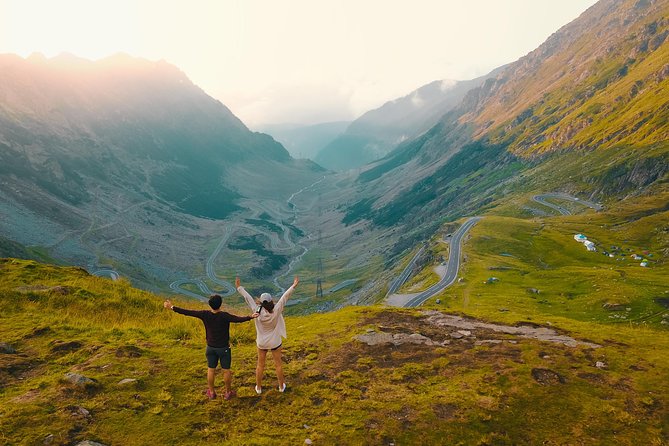
The mountain road gives day three a welcome break from Dracula. The Transfăgărășan crosses the Southern Carpathians through the Făgăraș Mountains, reaching 2,042 meters.
This is one of the strongest reasons to choose the full eight-day route instead of a short castle tour. You get photographs, mountain views, and a sense of Romania’s scale. The route is not only about old stone walls. It also shows why the country’s geography helped shape its history.
The schedule allows about an hour at the highway stop. That means you should expect a scenic pause rather than a full mountain hike. Weather and road conditions can affect how much you see, and the tour details do not promise a specific viewpoint or hiking time.
In Sibiu, the ASTRA Museum offers a different kind of history. Its open-air collection includes more than 300 traditional buildings and thousands of household objects. The included wooden carriage ride adds a hands-on touch and breaks up the walking.
Afterward, you explore Sibiu’s Big Square and central sights. The route includes the Brukenthal Museum, the Roman Catholic Cathedral of the Holy Trinity, and Huet Square with its Evangelical Church. You also have several hours to explore the center independently.
Sibiu is one of the places I would be happiest to have extra time. The city combines Romanian, Saxon, and other cultural influences, and its old center is easier to enjoy at a slower pace than a fortress or castle visit.
Corvin Castle brings the Gothic drama
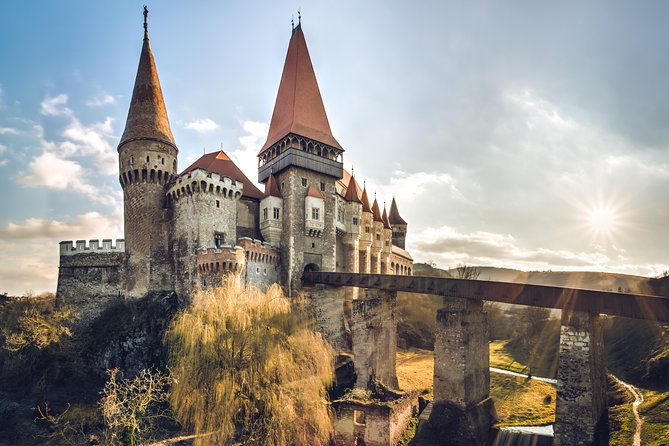
Day four reaches Corvin Castle, also called Hunyadi Castle, in Hunedoara. It is one of Europe’s largest medieval castles, with Renaissance-Gothic architecture, towers, bastions, a moat, and an inner courtyard.
If your main reason for booking is dramatic medieval scenery, Corvin Castle may be the visual high point. Bran is more famous, but Corvin has the stronger fortress appearance. Its towers and defensive design make the castle feel like a military stronghold rather than a polished royal residence.
The Dracula connection here is a legend claiming that Vlad the Impaler was imprisoned at Corvin Castle for seven years. The wording matters. This is part of the story surrounding the site, not a simple confirmed fact. A good guide should help you understand the difference between documented history and later tales.
The next stop, Densuș Church, is smaller and stranger. It is considered one of the oldest Romanian churches still standing, with construction dated in the tour description to the seventh century. Inside are murals from the fifteenth century showing Jesus in traditional Romanian clothing.
The church has competing theories about its earlier purpose. One suggests it began as a pagan temple, while another proposes that it was built as a mausoleum for the Roman general Longinus Maximus. Details such as the unusual altar position, the roof shape, and lion statues linked by their tails support the sense that this is no ordinary village church.
This stop will appeal to you if you enjoy unusual historic sites more than grand interiors. It is also a reminder that the Dracula theme works best when it opens the door to Romania’s older, stranger past.
A few more Bucharest days worth comparing
- Bucharest: Palace of Parliament Tickets and Guide
★ 4.3 · 3,182 reviews - Bucharest: Day Trip to Dracula Castle, Peles Castle & Brașov
★ 4.4 · 3,049 reviews - Bucharest to Dracula Castle, Peles Castle and Brasov Guided Tour
★ 4.5 · 2,933 reviews - Bucharest: Palace of Parliament Tickets and Guided Tour
★ 4.4 · 1,877 reviews
Alba Iulia and Turda go beneath the surface
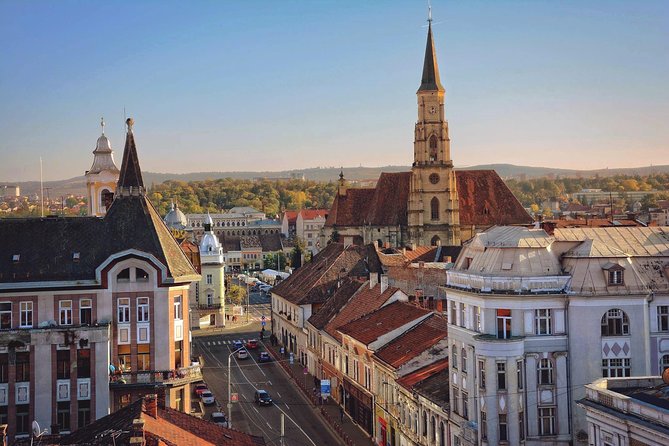
Alba Iulia’s Alba Carolina Citadel begins day five. The present fortress was built between 1715 and 1738, on ground that had already held a Roman fort and a medieval citadel.
The site is one of Transylvania’s leading examples of Vauban-style military design. Its bastions and planned defenses reflect the Habsburg Empire’s effort to control and protect newly conquered territory.
This is not a Vlad Tepes stop, and that is a good thing. The tour needs places that explain the later political and military history of Transylvania. Alba Iulia does exactly that.
Then you head to Turda Salt Mine, one of the route’s most unusual attractions. Salt mining here goes back hundreds of years, with a written mention from 1075. The modern visitor area includes mini-golf, table tennis, bowling, a Ferris wheel, and boat rides on an underground lake.
The salt mine is particularly useful for families or anyone who needs a change of pace after several churches and fortresses. It is also visually unlike the rest of the trip. You leave castles and courtyards behind and enter a huge underground setting shaped by mining.
The description presents the mine as a place where you can spend time on several activities, but the schedule lists about an hour. You may need to choose what interests you most rather than attempt everything.
Biertan and Sighișoara preserve Saxon Transylvania
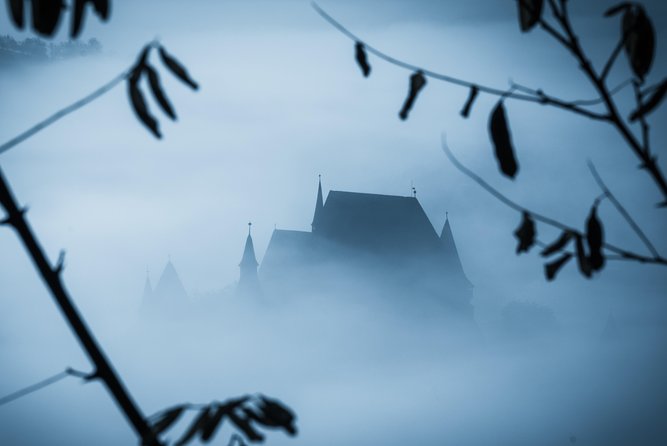
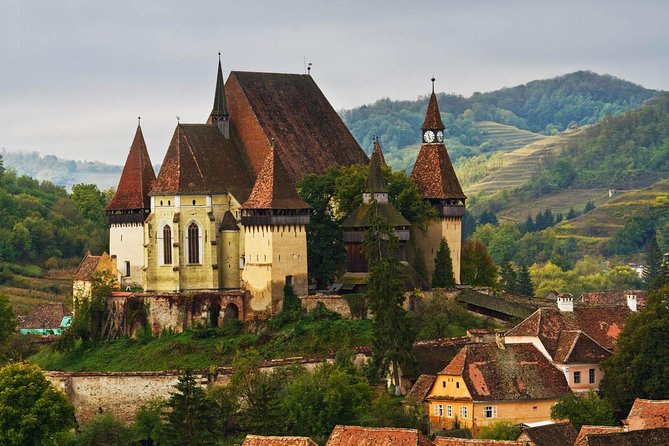
Day six starts at Biertan Fortified Church, reached from Cluj after breakfast. The church is surrounded by three lines of defensive walls and has a Gothic design.
Fortified churches are among Transylvania’s most distinctive sights. They show how worship and defense once shared the same piece of ground. Biertan is a strong stop for understanding the Saxon villages that shaped this region.
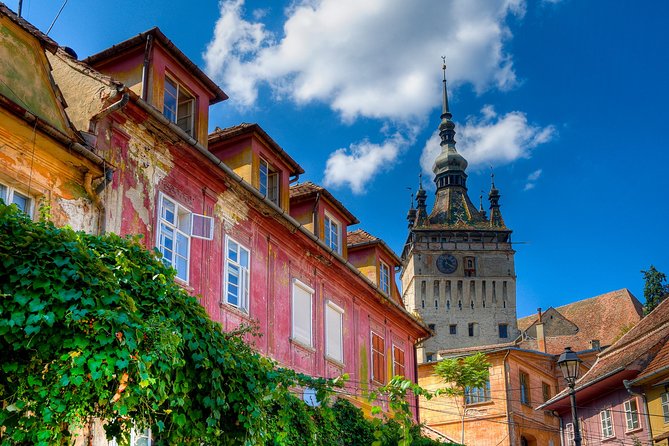
Sighișoara then brings the Dracula story back into focus. Its inhabited medieval citadel is a UNESCO World Heritage Site, with winding cobblestone streets, historic buildings, and the Clock Tower.
The Clock Tower contains a museum of medieval weapons and a torture chamber. Those displays fit the darker tone of the tour, though the town itself is more than a Dracula backdrop. It is a functioning historic center with a strong sense of place.
Sighișoara is also regarded as Vlad the Impaler’s birthplace. You visit the building associated with the first years of his life. This is one of the clearest links between the historical prince and the Dracula narrative.
You should allow yourself to look beyond the horror theme here. The value of Sighișoara is the whole medieval setting, not only the Vlad connection.
Brașov and Bran deliver the familiar images
Day seven begins in Brașov, one of Transylvania’s best-known cities. The walking tour includes Council Square, the Black Church, and one of the world’s narrowest streets.
The Black Church is a major Gothic cathedral, and Council Square gives you a good sense of Brașov’s historic center. The visit lasts about an hour, so the tour gives you an overview rather than a full day for museums and independent wandering.
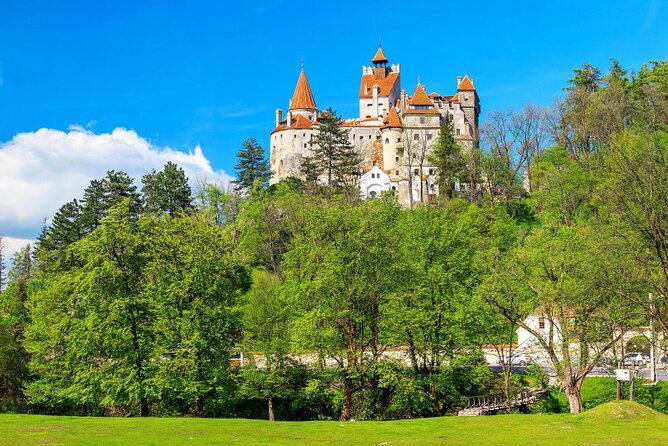
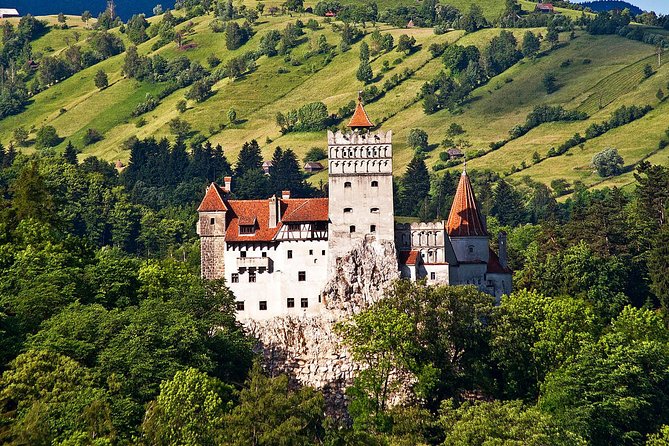
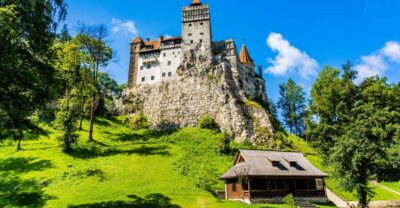
Bran Castle follows, and this is the stop most closely tied to popular Dracula culture. Built in the thirteenth century on a 60-meter cliff, the castle guarded an important route into Transylvania.
Bran is marketed as Dracula’s Castle, but its connection to Bram Stoker’s count is largely a matter of modern storytelling. The value of the visit comes from the castle’s setting, medieval form, and place in the Dracula brand. If you want the strongest documented connection to Vlad, Târgoviște and Sighișoara are more useful.
The final stop is Snagov Monastery in Wallachia, traditionally identified as Vlad Tepes’s burial place. The location remains disputed, and the tour openly presents several legends, including a far-reaching story involving Italy.
The commonly accepted local account says monks secretly recovered Vlad’s body after his assassination and gave him a Christian burial. Treat the grave as part of a long-running historical mystery rather than a proven final answer.
What the $3,113 price really covers
The listed cost is $3,113.31 per person, based on two people sharing a double room. That is a serious price, but it covers seven nights, breakfast, a modern vehicle, an English-speaking professional guide, airport pickup and drop-off, entrance fees, and the carriage ride in Sibiu.
For an eight-day private or small-group route with so many paid sites, the package can offer reasonable value. You are not arranging separate transfers between Bucharest, Sibiu, Hunedoara, Alba Iulia, Sighișoara, Brașov, and back to Bucharest. You also avoid buying each major entry ticket as you go.
Meals beyond breakfast are not included, and neither are flights or health insurance. You should budget for lunches, dinners, drinks, and any attractions not specifically listed.
There is one detail worth confirming before payment. The overview describes hand-picked three-star hotels, while the inclusion details describe centrally located four-star hotels. Ask the operator which hotel category applies to your booking.
Pace, group size, and practical comfort
The experience begins with pickup from any hotel in Bucharest at 9:00 a.m. Airport pickup and drop-off are included, which is helpful if you want the tour to function as a complete Romania trip rather than a series of day excursions.
The transport uses a modern vehicle. The tour lists a maximum of eight people, although another booking note gives a maximum of 14 per booking. I would confirm the actual group size, but the specific activity details point to a maximum of eight.
You need moderate physical fitness. Expect walking through old towns, castle grounds, citadels, churches, and historic streets. Uneven paving, stairs, and repeated sightseeing stops are part of the experience.
The tour is offered in English, and children must be accompanied by an adult. Pickup is offered, and group discounts may be available, though the supplied details do not state the discount amount.
Free cancellation is available if you cancel at least 24 hours before the start time. Changes or cancellations made inside that period are not accepted for a refund.
Who should book this Transylvania tour?
I would recommend it to you if you want Romania’s main Dracula-related sites but also care about castles, religious buildings, mountain scenery, traditional villages, and modern Romanian history.
It is especially suitable if you prefer having one guide and vehicle handle a complicated route. The positive feedback about Florin is important here. On an eight-day journey, a guide who explains the past and helps with hotel check-ins can make the trip much easier.
I would hesitate if you want long, relaxed stays in each town. Several days include three stops, and the listed time at each is often about an hour. The route favors range over lingering.
Should you book it?
Book this tour if you want a broad, organized introduction to Transylvania and do not want to manage Romanian transport on your own. Its best moments are not limited to Bran Castle. Sibiu, Corvin Castle, Sighișoara, the Transfăgărășan Highway, Turda Salt Mine, and the smaller Densuș Church give the trip real variety.
Before booking, confirm the hotel category, the exact group size, and how much free time you will have in each town. If those details suit you, the package gives you an efficient way to connect Dracula’s legend with the real places and complicated history behind it.
FAQ
How long is the Dracula Beyond the Legend tour?
The tour lasts approximately eight days and includes seven nights of accommodation.
Where does the tour begin?
The tour begins in Bucharest, with pickup from any hotel in the city at 9:00 a.m.
Is airport pickup and drop-off included?
Yes. Airport pickup and drop-off are included, with the final airport transfer arranged according to your flight time.
What accommodation is included?
The inclusion details specify seven nights in centrally located four-star hotels with breakfast. The overview describes the hotels as three-star, so you should confirm the category with the operator before booking.
Is food included?
Breakfast is included. Lunches, dinners, and other meals are not included.
Is Bran Castle included?
Yes. Entry to Bran Castle is included in the tour price.
Is the tour conducted in English?
Yes. A professional English-speaking guide is included.
What is the cancellation policy?
You can cancel for a full refund up to 24 hours before the experience starts. Cancellations or changes made less than 24 hours before the start time are not accepted for a refund.
Just added in Bucharest
- Bucharest: Dealu Mare Winery Private Trip with Wine Tasting★ 4.9 · 6 reviews
- Winery touring & private wine tasting – one day private tour★ 5.0 · 3 reviews
- Village Museum Bucharest Guided Tour★ 5.0 · 6 reviews
- Transylvania Tour: Dracula’s Castle, Peles Palace & Brasov★ 5.0 · 19 reviews
- Transfer Airport Otopeni – Bucharest★ 5.0 · 2 reviews
- Private Transfer Bucharest Otopeni Airport (OTP) to/from Brasov★ 5.0 · 2 reviews
- Bucharest Airport Transfer To Constanta Mamaia★ 5.0 · 3 reviews
- Airport Henri Coanda (Otopeni) to Bucharest – Private Transfer – Driver★ 5.0 · 5 reviews
Bran Castle and Dracula Tours, compared.
Dracula’s Castle, Peles Castle, & Brasov Old Town
Read our review →
Dracula Castle, Peles Castle & Brasov Old Town
Read our review →
Dracula’s Castle, Peleș Castle & Brașov Day Trip
Read our review →Day Trip to Dracula Castle, Peles Castle & Brașov
Read our review →
Bucharest to Dracula Castle, Peles Castle and Brasov Guided Tour
Read our review →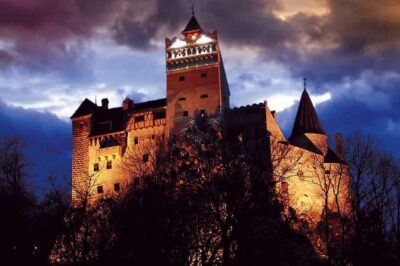
Dracula’s Castle, Peles Castle and Brasov Day Trip from Bucharest
Read our review →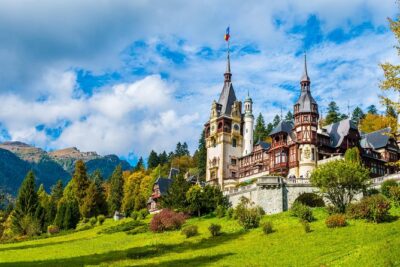
Transylvania and Dracula Castle Full Day Tour from Bucharest
Read our review →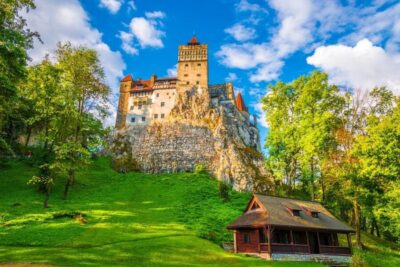
Browse the lists this tour appears in