
REVIEW · TRANSFAGARASAN ROAD TRIPS
TRANSFAGARASAN, the mountain road to the heart of TRANSYLVANIA
Romania rewards curious road trippers. This private four-day journey links the Transfagarasan Highway with medieval towns, Saxon villages, fortified churches, and two very different castles. I like the personal format and the clever route, which moves from high Carpathian scenery to Transylvania’s smaller historic communities. The main drawback is the price: at $1,064.99 per person, you pay for comfort, private transport, hotels, and planning rather than a budget escape.
I also like that the tour includes three nights in 3-star superior accommodation, breakfast, private air-conditioned transport, entrance fees, and lunch. Guide Gelu receives especially warm praise for his punctuality, humor, country knowledge, and ability to adjust explanations to personal interests. Four days cover a lot of ground, though, so expect long drives and a moderate level of walking.
In This Review
- Key points to know before booking
- Why this four-day route works
- Day one: crossing the Transfagarasan Highway
- Carta Monastery and Sibiu’s German past
- Day two: Biertan, Malâncrav, and Sighisoara
- Day three: Viscri and the fortified church villages
- Brasov and the Black Church
- Day four: Bran Castle and the Dracula question
- Peles Castle and the road back toward Bucharest
- What the $1,064.99 price really covers
- Who should book this Romanian road tour?
- Practical details before you reserve
- Should you book it?
- FAQ
- Where does the tour start?
- How long does the experience last?
- Is this a private tour?
- What type of accommodation is included?
- Is transportation included?
- Are attraction entrance fees included?
- What meals are included?
- What is the cancellation deadline?
Key points to know before booking
- The Transfagarasan is the star opening act: You cross one of Romania’s most dramatic mountain roads, reaching Bâlea Lake at 2,034 meters.
- Sibiu and Sighisoara bring different medieval moods: Sibiu feels like a polished former German trading town, while Sighisoara preserves a compact hilltop citadel.
- The fortified churches are the tour’s rarest stops: Biertan, Malâncrav, Viscri, and Saschiz offer a look at rural Saxon Transylvania beyond the famous castles.
- The private format saves planning time: Hotel pickup, transport, accommodation, breakfast, and many entrance fees are arranged for you.
- Bran and Peles tell different royal stories: Bran leans into Dracula mythology, while Peles presents the refined world of Romania’s first king.
- The season matters: The listed operating period runs from July 1 through October 17, 2025, when the mountain road is scheduled for the experience.
Why this four-day route works
Romania is not a country you understand from Bucharest alone. The capital gives you the national story, but this route carries you into the Carpathians and Transylvania, where Romanian, German, Hungarian, Catholic, Orthodox, Lutheran, royal, and Communist-era influences meet.
The route is especially useful if you want variety without arranging several hotels or figuring out rural transport. Each day has a clear theme. The first combines mountains, a monastery, and Sibiu. The second follows fortified churches into Sighisoara. The third focuses on village life and Brasov. The last pairs Dracula’s castle with royal Sinaia.
That variety is the great strength. You are not spending four days looking at similar churches or castle interiors. The possible cost is pace. The schedule includes several towns and monuments, so you should be comfortable getting into the vehicle, walking on uneven historic streets, and keeping to a planned day.
The private arrangement gives you more room to ask questions and shape the conversation. Previous feedback gives guide Gelu particular credit for punctuality, good humor, and tailoring his talks to individual interests. He even helped one extended Romanian tour become a personal connection, which says something about the warmth of his guiding style. Still, guide availability can change, so treat Gelu as a possible guide rather than a guaranteed part of your booking.
More Transfagarasan road trips:
- Bucharest: Top Gear Road Transfagarasan Day Trip
★ 4.8 · 293 reviews - Small group Bears ‘Safari’ on Transfăgărășan -max 7 tourists
★ 4.8 · 159 reviews - From Bucharest: Top Gear Road – Transfăgărășan Highway Day Trip
★ 4.0 · 68 reviews
Day one: crossing the Transfagarasan Highway
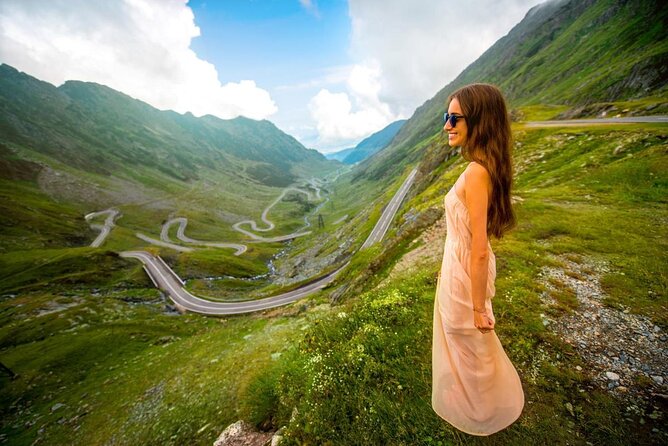
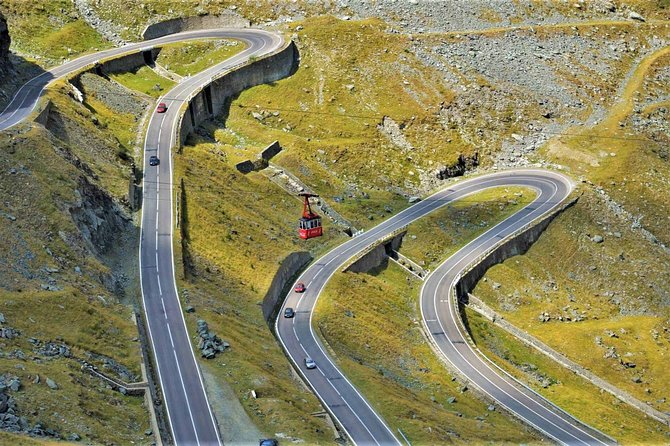
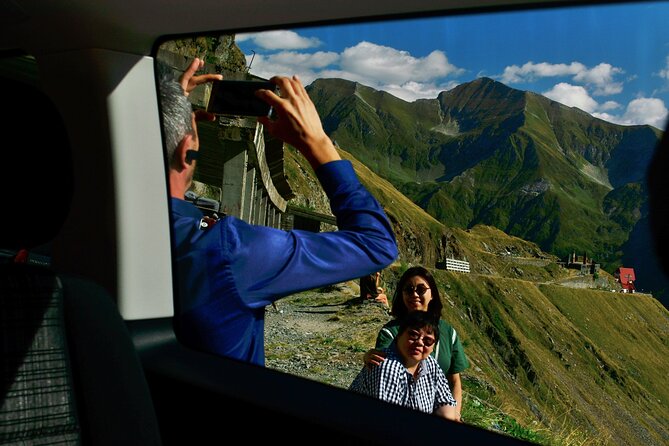
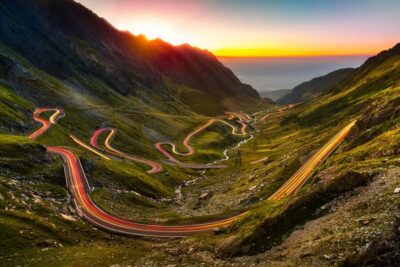
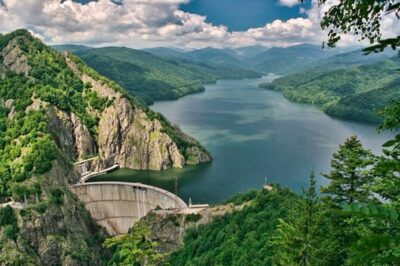
The opening drive is the tour’s biggest scenic moment. Pickup begins at your Bucharest hotel, and the route heads toward the Transfagarasan Highway, a 90-kilometer road built under Nicolae Ceausescu.
The road has an unusual military origin. After Ceausescu refused to join the Soviet-led invasion of Czechoslovakia in 1968, he feared pressure from Moscow. The highway was built as a fast route for military movement from Bucharest toward Transylvania. Today, the same road is a major attraction for people who enjoy mountain engineering, sharp turns, and wide views.
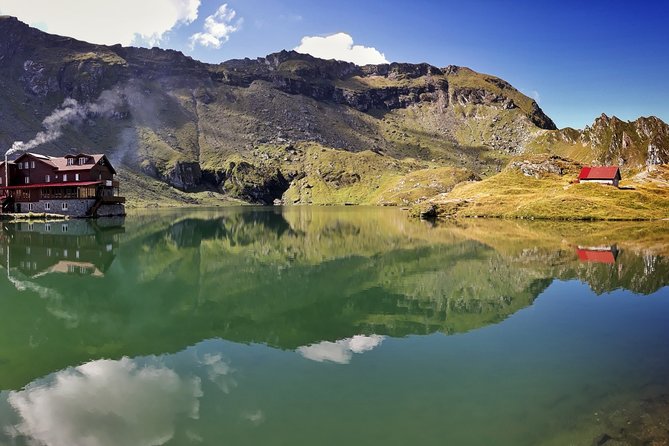
Top Gear presenter Jeremy Clarkson famously called it the best road in the world. You should treat that as enthusiastic television language, not a formal ranking, but it captures the road’s appeal. The route climbs through the Romanian Carpathians and reaches its high point near Bâlea Lake, at 2,034 meters.
You receive about three hours at the Transfagarasan stop, with no separate admission charge listed. That time is best understood as a scenic road experience rather than a single attraction with a gate and exhibit. Keep your expectations practical: weather, road conditions, and the season can affect what you see.
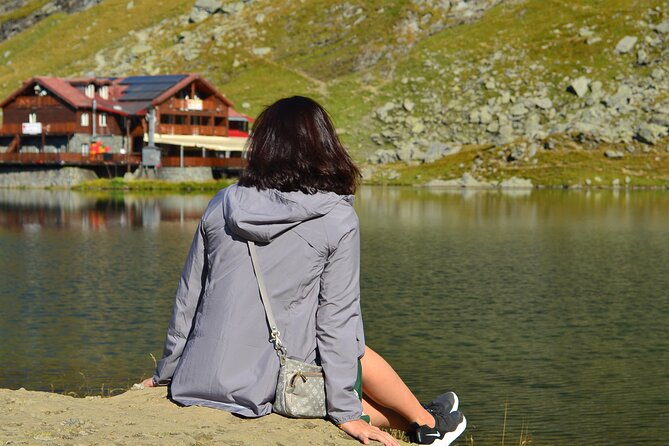
Bâlea Lake receives a separate 30-minute visit. The glacier lake sits at the highest point of the highway and gives you a concentrated mountain stop before the route descends toward Transylvania. Half an hour is not enough for a major hike, but it is enough to take in the setting and reset after the drive.
The listed travel period runs from July 1 to October 17, 2025. That date range is important because high mountain roads can be affected by weather and seasonal access. Ask for current road conditions before departure, especially if your plans sit near the beginning or end of the operating period.
Carta Monastery and Sibiu’s German past
The first day continues to Cârta Abbey, a former Catholic monastery now used as an evangelical church. Burgundian Cistercian monks built it around 1200, giving you a direct connection to the medieval religious networks that reached Transylvania from Western Europe.
The stop lasts about an hour and includes admission. Cârta is valuable because it is not simply another grand castle. Its importance comes from age, religious history, and the way one building has served different communities across time.
After a short rest, you visit Sibiu, also known as Hermannstadt. The guided city tour lasts about two hours. The town’s German name comes from Hermann, a 12th-century German settler described as a skilled furrier from Nuremberg.
You will get a sense of Sibiu as a former Saxon settlement, with a medieval identity shaped by German-speaking communities. The tour does not claim to cover every corner of the city. Instead, it gives you a useful introduction after the mountain drive and before the next day’s rural stops.
This pacing makes sense. Sibiu is a good place to shift from mountain scenery to urban history, but the day is already full. If you want long café time or extensive independent shopping, a private four-day route may feel too structured.
Day two: Biertan, Malâncrav, and Sighisoara
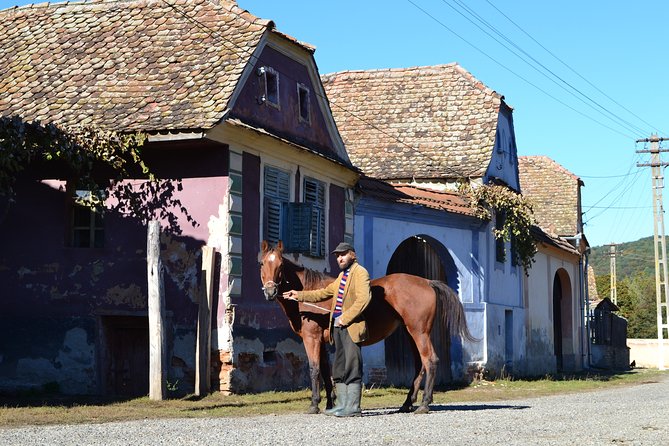
Day two moves into one of the most distinctive parts of Transylvania: the fortified church villages founded and shaped by Saxon communities.
Biertan’s fortified church is a UNESCO World Heritage monument, built between 1486 and 1524. You have about an hour there, with admission included. The church is enclosed by defensive walls and contains a fine nave ceiling and tombstones connected to former bishops and local notables.
The defensive design explains the church’s role beyond worship. In a region exposed to conflict, religious buildings also became places of refuge. Biertan lets you see that practical side of medieval community life without reducing the site to a single date or architectural label.
The next stop is Malâncrav, a small village about 25 kilometers from Sighisoara. Its Lutheran church, built around 1305, contains the largest Gothic church fresco in Transylvania. The paintings survived the Reformation because they were covered with chalk, then rediscovered during restoration work in 1914.
That detail makes Malâncrav especially rewarding. You are not only seeing medieval decoration. You are seeing evidence of how religious change altered the appearance of churches, and how an old layer can survive beneath a later one.
The visit lasts about an hour and includes admission. Because this is a village church rather than a famous city monument, the experience depends more on the building and its art than on a long list of activities. I would give the guide your questions in advance if you have a special interest in church art or medieval communities.
The day ends in Sighisoara, a UNESCO-listed medieval citadel. You have about two hours to explore in the late afternoon and evening. The citadel is linked to Vlad the Impaler, the Wallachian ruler who later helped inspire the Dracula legend.
Sighisoara is a useful counterpoint to Bran Castle. Here, the Dracula connection is tied to a historic ruler and a medieval town. It is not just a spooky theme park. Allow yourself time to enjoy the atmosphere, but remember that old citadel streets can require more effort than modern city sidewalks.
More Transylvania trips:
- Transylvania and Dracula Castle Full Day Tour from Bucharest
★ 4.5 · 1,589 reviews - Castles of Transylvania: Private Day Trip from Bucharest
★ 4.5 · 248 reviews - 2-Day Transylvania from Bucharest: Brasov, Bran, Sighisoara
★ 5.0 · 60 reviews - Transylvania: Cultural Full-Day Trip by Minivan
★ 4.8 · 57 reviews
Day three: Viscri and the fortified church villages
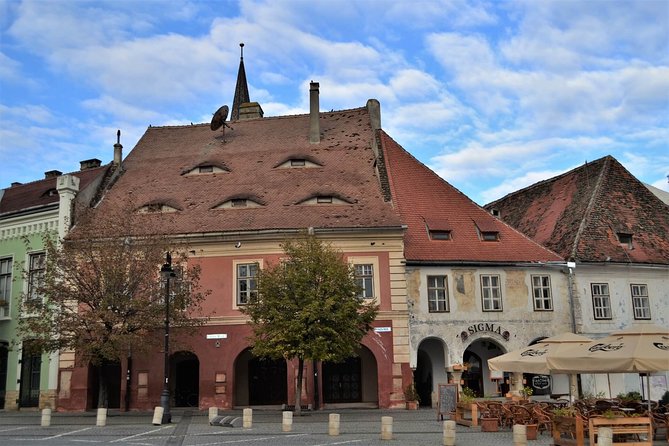
The third day reaches deeper into rural Transylvania with Viscri, Saschiz, and the surrounding Saxon villages. This is where the tour moves furthest from the standard castle circuit.
Viscri’s fortified church receives about two hours, with admission included. The village became better known after Charles, Prince of Wales, purchased an old Saxon household there, a blue house built in 1753. He returned from time to time to stay, ride horses, and visit the area.
The royal connection may attract attention, but the village matters for its own reasons. Viscri shows how Saxon households, churches, and village defenses fit together in a rural setting. You get a better sense of local scale here than you do inside a major city museum.
The route also includes Saschiz, another fortified church recognized along with other Transylvanian sites. The supplied schedule gives the day’s main stop as Viscri and identifies Saschiz as part of the fortified church area, so ask your guide how the timing will be divided on your departure date.
The rural setting is a major advantage, but it also means fewer conveniences than in Sibiu or Brasov. Keep your daypack light and wear sensible shoes. The tour requires a moderate fitness level, and the combination of village paths, church grounds, and historic streets may be tiring by the afternoon.
Brasov and the Black Church
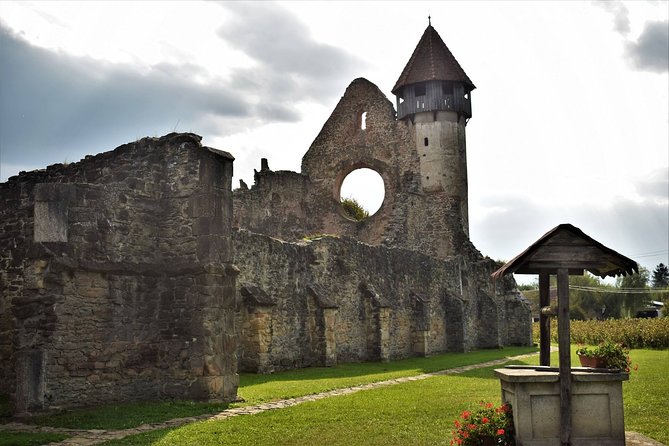
Brasov follows the rural stops with a two-hour visit to its historic center. The city developed around a fortress established in 1211 by the Teutonic Knights, then grew through German settlement after a dispute between the knights and the king.
Brasov’s past is visible in its old defensive towers, fortress remains, narrow medieval streets, and the Gothic Black Church. The city also became an industrial center during the past century, drawing people from across Romania. That combination gives Brasov more than a preserved old-town identity. It is both a historic city and a modern Romanian center.
The Black Church is the clearest architectural highlight listed for Brasov. The fortress elements and towers add another layer, showing how commerce, defense, and settlement shaped the city.
Two hours is enough for an introduction, not a full city visit. You will likely appreciate the guided overview, especially after the rural churches, but you may wish for more free time if Brasov is high on your personal list. The private format may help here, since you can ask whether the available time can be adjusted.
Day four: Bran Castle and the Dracula question
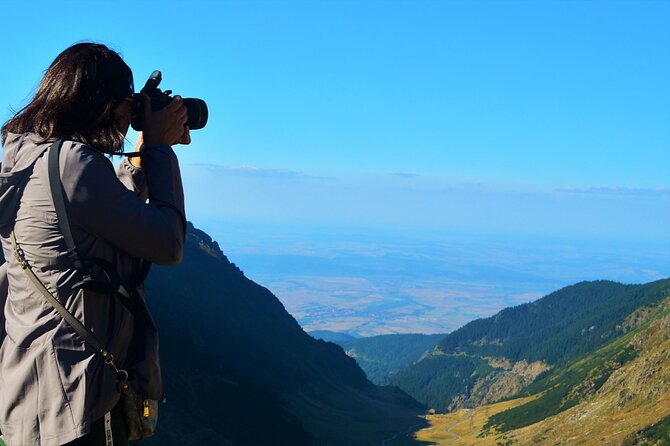
Bran Castle is the final day’s first major stop, with about two hours and admission included. Built in the 14th century, it guarded the commercial route between Wallachia and Transylvania.
Its position on a great rock made it a strong defensive site. The castle’s shape and setting later helped people associate it with Count Dracula, even though the popular image owes more to fiction and later tourism than to a direct historical connection.
That distinction is useful. You can enjoy Bran Castle as a dramatic medieval fortress and as a Dracula symbol, but do not expect every part of the literary story to match the building’s documented purpose. The castle is a good stop for history, architecture, and atmosphere, provided you keep the legend in its proper place.
Two hours gives you time to take in the interior and setting. Bran is likely to be one of the more popular stops on the route, while the fortified churches offer a quieter and more unusual side of Transylvania.
Peles Castle and the road back toward Bucharest
The final stop is Peles Castle in Sinaia, visited in the early afternoon. Built at the end of the 19th century, Peles is a sharp contrast to Bran.
Bran is a medieval defensive castle with a later Gothic and Dracula identity. Peles is a royal residence shaped by modernization, wealth, and European taste. Its founder, Carol I of Hohenzollern-Sigmaringen, was Romania’s first king and ruled for 48 years.
Carol I had German origins and a reputation for discipline. Queen Elisabeth joked that he wore the crown even while sleeping. That image helps explain the contrast between the sober king and the flamboyant palace he commissioned.
The visit lasts about two hours and includes admission. If you enjoy decorative interiors, royal history, and architecture from the late 19th century, Peles may be your favorite stop. It also provides a fitting final chapter because the tour has moved from Communist military engineering to medieval churches, village defenses, royal power, and modern Romanian identity.
What the $1,064.99 price really covers
The price is high for four days, but it includes more than transport between attractions. You receive private transportation, an air-conditioned vehicle, hotel pickup, three nights in a 3-star superior hotel or guesthouse, double-room accommodation, breakfast, lunch, and listed entrance fees.
That package removes several costs and decisions that can add up quickly in Romania. You do not need to arrange a car for the Transfagarasan, find accommodation in different towns, or work out transport to villages such as Malâncrav and Viscri.
The value depends on how you travel. A solo visitor may find the per-person cost difficult to justify. A couple or small private group can place more value on having the vehicle, guide, and schedule reserved for the group. Group discounts are offered, which may improve the calculation for larger parties.
Not everything is included. Other meals, photo fees, and flights are excluded. The description also lists lunch but does not promise every meal, so budget separately for breakfasts beyond the included hotel service and for dinners.
Who should book this Romanian road tour?
I would recommend it if you want Romania’s mountains, medieval towns, village churches, and castles in one organized trip. It suits people who value a private guide, dislike changing transport arrangements, and want access to rural sites that are harder to reach independently.
It is also a good match for history fans who want more than Dracula folklore. Cârta, Biertan, Malâncrav, Viscri, and Saschiz give the route real depth, while Sibiu, Sighisoara, and Brasov provide three distinct urban settings.
I would hesitate if you want slow mornings, long meals, or several hours of unplanned time in each town. The route is active and road-based. It also may not suit anyone who struggles with extended driving or moderate walking.
The tour is private, so only your group participates. That is a practical advantage for families, couples, and friends with shared interests. It also gives you a better chance to ask for extra explanation about food, church art, local customs, or Romanian history.
Practical details before you reserve
Pickup is offered from your hotel in Bucharest, and the listed operating hours are daily from 8:00 AM to 8:00 PM during the July 1 to October 17, 2025 season. Confirmation is provided at booking.
Service animals are allowed, and the experience is near public transportation. A moderate physical fitness level is recommended. The cancellation terms allow a full refund when you cancel at least three full days before the local start time. Later cancellations and changes are not accepted for a refund.
Guide Gelu is worth requesting if he is available. His past service is praised for punctuality, humor, flexibility, and strong country knowledge. One useful sign is his willingness to adjust presentations to personal interests rather than giving every group the same speech.
Should you book it?
Book this tour if you want a well-connected private road trip and are happy to pay for convenience. The best reason to choose it is not Bran Castle alone. It is the combination of the Transfagarasan, Bâlea Lake, Saxon villages, fortified churches, Sighisoara, Brasov, and Peles Castle.
Skip it if your priority is low cost or a relaxed schedule. For the right person, though, the price buys access to a broad slice of Romania with the hard transport work handled for you. Ask about road conditions, the exact guide, meal arrangements, and how much time will be available in Saschiz before paying.
FAQ
Where does the tour start?
The tour starts with pickup at your hotel in Bucharest.
How long does the experience last?
It lasts approximately four days and includes three nights of accommodation.
Is this a private tour?
Yes. Only your group participates in the private activity.
What type of accommodation is included?
Three nights are included in a double room at a 3-star superior hotel or guesthouse, with breakfast.
Is transportation included?
Yes. Private transportation in an air-conditioned vehicle is included.
Are attraction entrance fees included?
The listed admissions for Carta Monastery, Biertan Fortified Church, Malâncrav Fortified Church, Sighisoara, Viscri, Bran Castle, and Peles Castle are included.
What meals are included?
Breakfast at the accommodation and lunch are included. Other meals are not included.
What is the cancellation deadline?
You can receive a full refund if you cancel at least three full days before the experience start time, based on local time.
Just added in Bucharest
- Bucharest: Dealu Mare Winery Private Trip with Wine Tasting★ 4.9 · 6 reviews
- Winery touring & private wine tasting – one day private tour★ 5.0 · 3 reviews
- Village Museum Bucharest Guided Tour★ 5.0 · 6 reviews
- Transylvania Tour: Dracula’s Castle, Peles Palace & Brasov★ 5.0 · 19 reviews
- Transfer Airport Otopeni – Bucharest★ 5.0 · 2 reviews
- Private Transfer Bucharest Otopeni Airport (OTP) to/from Brasov★ 5.0 · 2 reviews
- Bucharest Airport Transfer To Constanta Mamaia★ 5.0 · 3 reviews
- Airport Henri Coanda (Otopeni) to Bucharest – Private Transfer – Driver★ 5.0 · 5 reviews
Transfagarasan Road Trips, compared.
Small group Bears ‘Safari’ on Transfăgărășan -max 7 tourists
Read our review →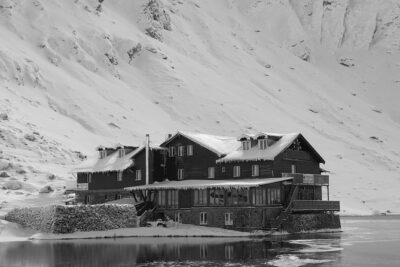
Brasov Private Tour: Transfagarasan road & Poienari Fortress
Read our review →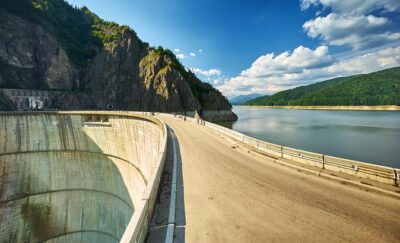
Small group max 7, Transfăgărășan the Top Gear Road
Read our review →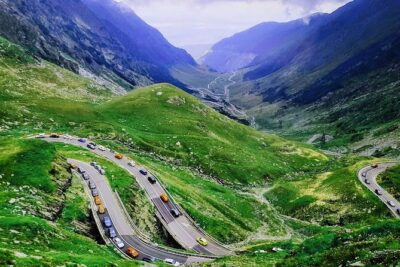
Transfăgărășan Highway & Balea Lake – Private Tour from Bucharest
Read our review →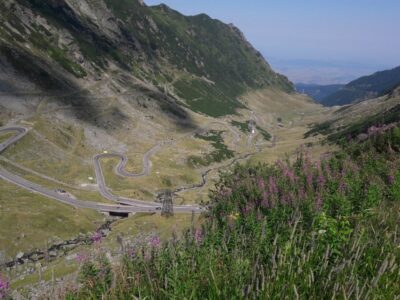
Transfagarasan Highway, Balea Lake & Carta Monastery
Read our review →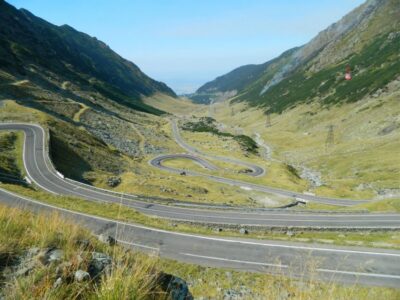
SB09-Transfăgărășan Wonders:Journey through Bâlea Lake,Avrig
Read our review →Browse the lists this tour appears in