REVIEW · GUIDED
8 Day Guided Tour in Romania from Bucharest
Romania rewards curious road trippers. This eight-day private tour links medieval towns and painted monasteries with mountain passes, salt mines, wooden churches, and royal castles, giving you a broad look at the country in one carefully packed journey. I especially like the private car, which lets your group adjust the daily plan, and the chance to see places that are difficult to connect by public transport. The main drawback is clear: you will spend many hours on the road, and some days ask for a fast pace.
The tour costs $2,658.63 per person, with accommodation, food, drinks, and entrance fees not included. That price can make sense for a small group that values a dedicated English-speaking guide and private transport, but you should add the cost of hotels, meals, and admissions before deciding. Nicolas, the company owner, is specifically praised for being easy to work with, well informed about Romania, and good company on long drives.
In This Review
- The trip at a glance
- What this route does well
- Day 1: Curtea de Argeș, Poienari, and Sibiu
- Day 2: Turda’s salt mine and the wooden churches of Maramureș
- Day 3: Humor in Săpânța and a hard look at communism
- Day 4: Barsana, Tihuța Pass, and painted Ciocănești
- Day 5: Bukovina’s painted monasteries
- Day 6: Bicaz Gorge, Red Lake, and Nicolae Popa’s house museum
- Day 7: Sighișoara, Viscri, and Brașov
- Day 8: Bran, Peleș, and Sinaia
- What the $2,658.63 price really covers
- Who should book this Romanian road trip?
- Should you book it?
- FAQ
- Where does the tour begin?
- How long does the experience last?
- Is this a private tour?
- What type of transport is provided?
- Is an English-speaking guide included?
- Can the daily itinerary be changed?
- Are hotels included?
- Are meals and drinks included?
- Are entrance fees included?
- Is internet available in the vehicle?
- What expenses are covered for the vehicle?
- Can I cancel for a full refund?
The trip at a glance
- Private transport for your group: You travel by car or minibus with no strangers joining the vehicle.
- A serious cross-country route: The trip reaches Transylvania, Maramureș, Bukovina, Moldavia, and the Carpathian mountain roads.
- Flexible daily plans: Changes are possible even after the tour begins, a useful feature when a church visit takes longer than expected.
- Romania beyond Dracula: You see salt mines, communist memorials, folk museums, wooden churches, and painted monasteries.
- Long driving days: The wide route is rewarding, but this is not a slow village holiday.
- Guide and driver in one: An English-speaking licensed guide is available throughout the tour, with fuel, tolls, parking, and the guide’s own lodging and meals covered.
What this route does well
Romania is not a country you understand from Bucharest, Bran Castle, and a quick Transylvania loop. Its character changes from one region to the next. Wallachia brings princely history and dramatic mountain roads. Transylvania offers Saxon towns and fortified villages. Maramureș is known for wooden churches and unusual folk traditions. Bukovina brings painted monasteries, while Moldavia adds gorges, lakes, and small personal museums.
This tour’s greatest strength is its range. You are not visiting eight versions of the same old town. One day you are underground in a former salt mine. Another day you are looking at cheerful carved tombstones. Later, you pass through a village whose houses are decorated in painted patterns and finish the trip with Bran and Peleș castles.
The route also works well for a private group. If you are traveling with family or friends, you can ask for more time at a place that matters to you, subject to the day’s driving schedule. Complimentary wireless internet in the vehicle is a small but useful touch, especially when you are crossing large parts of the country.
The trade-off is distance. The itinerary covers a huge portion of Romania, and several stops receive less than an hour. You will see a lot, but you will not always have time for a long museum visit, an unhurried meal, or a second walk through a town.
A few more Bucharest days worth comparing
- Bucharest: Dracula’s Castle, Peles Castle, & Brasov Old Town
★ 4.5 · 17,858 reviews - Bucharest: Dracula Castle, Peles Castle & Brasov Old Town
★ 4.6 · 10,891 reviews - Bucharest: Dracula’s Castle, Peleș Castle & Brașov Day Trip
★ 4.5 · 5,919 reviews
Day 1: Curtea de Argeș, Poienari, and Sibiu
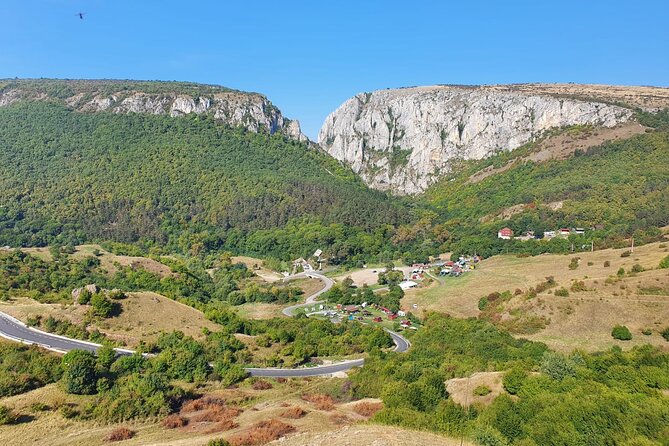
The first day moves from royal Wallachia toward Transylvania. At Curtea de Argeș, you have about 30 minutes for the monastery and old princely area. The monastery is known for royal tombs and an unusual, sad story of sacrifice, while the former princely court and 13th-century Royal Church add older layers to the visit.
Thirty minutes is enough for an introduction, not a full exploration. If religious art or Romanian royal history matters to you, ask Nicolas if the timing can be adjusted.
Poienari Fortress is the day’s physical challenge. The ruins sit high above the Argeș River at the foot of the Carpathians, and the site is tied to Vlad the Impaler, the historical figure later linked with Dracula. The fortress was repaired under Vlad’s rule and later abandoned after Ottoman attacks.
The scheduled two hours gives you time to deal with the climb and enjoy the views. This is not a polished castle interior. You are visiting ruins on a cliff, so good shoes and a willingness to use your legs matter. The reward is the setting and the connection to Vlad, not furnished rooms.
Sibiu’s Big Square provides a welcome change of pace. The old center, Evangelical Cathedral, and surrounding architecture help explain why Sibiu was chosen as a European Capital of Culture. You have about an hour here, enough for a guided orientation and a short walk through the center.
The first day is already a long one. Poienari adds effort, and Sibiu arrives after substantial driving. Still, the combination of monastery, fortress, and city gives you a strong opening to the trip.
Day 2: Turda’s salt mine and the wooden churches of Maramureș
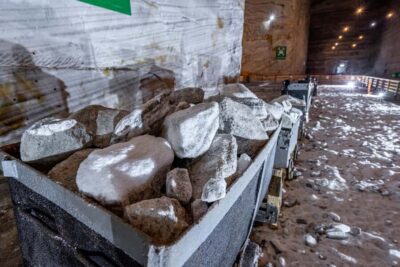
Salina Turda is one of the most unusual stops on the route. Salt has been worked here for thousands of years, and the underground complex includes the Iosif, Terezia, and Rudolf mines. You can see old mining equipment, including the crivac, a salt mill, an altar cut into a salt wall, and the wooden Stairway of the Rich.
The cool underground air and saline atmosphere are part of the appeal, though you should not treat the visit as medical care simply because the air may feel pleasant. The mine is best understood as both an industrial site and a striking underground attraction. Two hours gives you time to take in the large chambers without rushing.
The botanical garden in Cluj-Napoca follows with a slower hour and a half. The garden visit is paired with the city’s old center, where Baroque, Renaissance, and Gothic buildings reflect the city’s long development. The schedule mentions the garden, but your guide may also help you orient yourself in Cluj’s historic core.
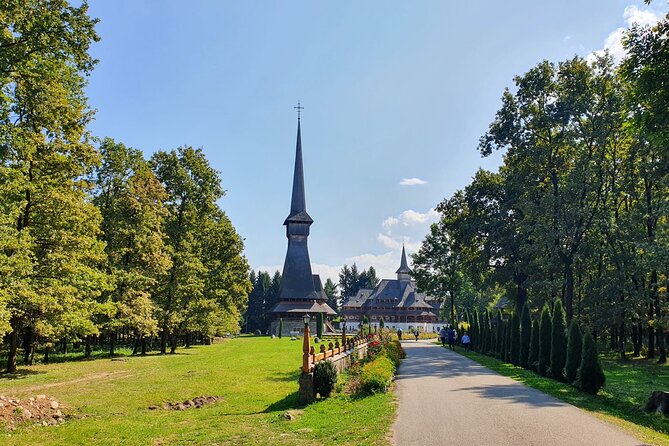
Surdești Wooden Church brings you into Maramureș, a region known for timber craftsmanship. Built in 1721, the church has a tower about 54 meters high, an astonishing feat for its period. The planned 45 minutes is enough to admire the structure and hear about its construction, but not enough for a leisurely village visit.
This day mixes engineering, urban culture, and religious architecture. It also begins the tour’s pattern of short stops separated by long road sections. If you prefer to linger, the private format gives you a chance to discuss priorities with the guide.
Day 3: Humor in Săpânța and a hard look at communism
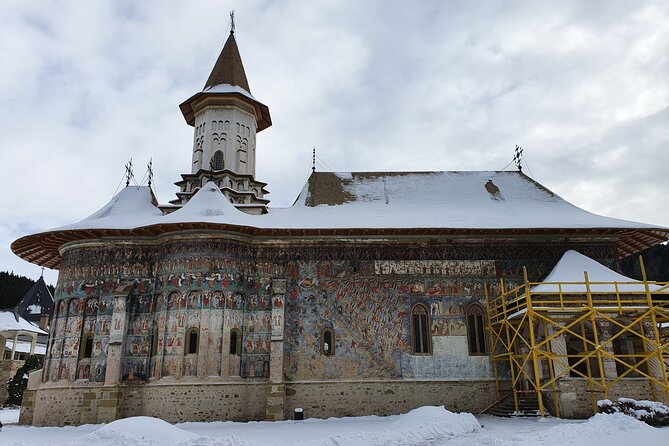
The Merry Cemetery in Săpânța is one of Romania’s most distinctive cultural stops. Its painted crosses use humorous poems and colorful scenes to describe the lives of the dead. The tone is unusual for a cemetery, but that is precisely why the place is memorable.
Give yourself time to read the inscriptions if you can. The humor depends on translation and context, so your English-speaking guide can add value here. One hour is a reasonable introduction, though you may wish it were longer.
Nearby, Săpânța-Peri Monastery adds a more traditional religious setting. The wooden church is linked to a monastery founded in 1391, and the grounds include a dendrology park. The visit lasts about 45 minutes and provides a quiet contrast to the playful cemetery.
The day’s most serious stop is the Memorial of the Victims of Communism and of the Resistance. This two-hour visit helps explain the suffering caused by Romania’s totalitarian regime and the efforts made to resist it. It is not a light museum visit, but it gives essential political context to the country you are seeing.
I value this part of the route because it prevents the tour from becoming a string of pretty churches and castles. Romania’s recent past shaped its families, villages, and public life. You should expect this museum to be emotionally demanding.
A completely different kind of day out:
- Bucharest: Palace of Parliament Tickets and Guide
★ 4.3 · 3,182 reviews - Bucharest: Day Trip to Dracula Castle, Peles Castle & Brașov
★ 4.4 · 3,049 reviews - Bucharest to Dracula Castle, Peles Castle and Brasov Guided Tour
★ 4.5 · 2,933 reviews - Bucharest: Palace of Parliament Tickets and Guided Tour
★ 4.4 · 1,877 reviews
Day 4: Barsana, Tihuța Pass, and painted Ciocănești
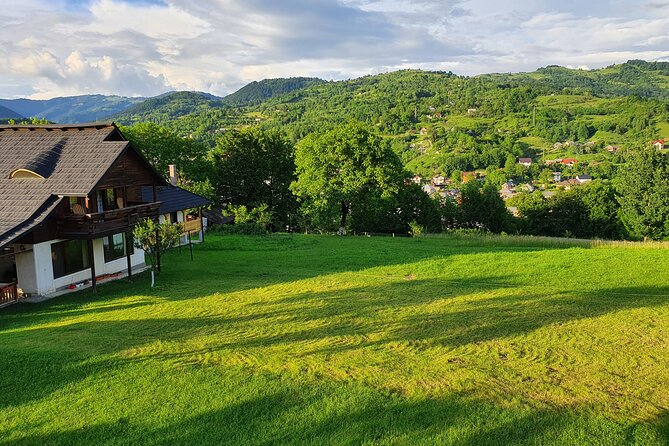
Barsana Monastery is one of the most visually impressive wooden religious sites on the route. Its church rises about 57 meters, and the complex is known for its carefully built timber architecture and peaceful setting. The scheduled 45 minutes lets you see the main features, but the grounds may tempt you to stay longer.
Tihuța Pass takes you across the Bârgău Mountains between Moldavia and Transylvania. At about 1,201 meters, the pass provides one of the trip’s notable road experiences. The road can be busy, and trucks may slow the journey, but the route itself is in good condition.
This is where having a private driver matters. You can look out at the mountain scenery rather than worry about navigation, road conditions, or parking. It is also a good time for the guide’s stories, a detail especially useful on a trip that openly includes plenty of driving.
Ciocănești is a colorful village in northern Romania, known for houses painted with patterns compared with Easter eggs. The two-hour stop is generous enough to give the village more than a quick roadside glance.
The village is not a grand monument. Its appeal comes from local design and the way ordinary homes create a strong sense of place. You may find this more revealing than another formal museum because it shows how regional identity appears in daily surroundings.
Day 5: Bukovina’s painted monasteries
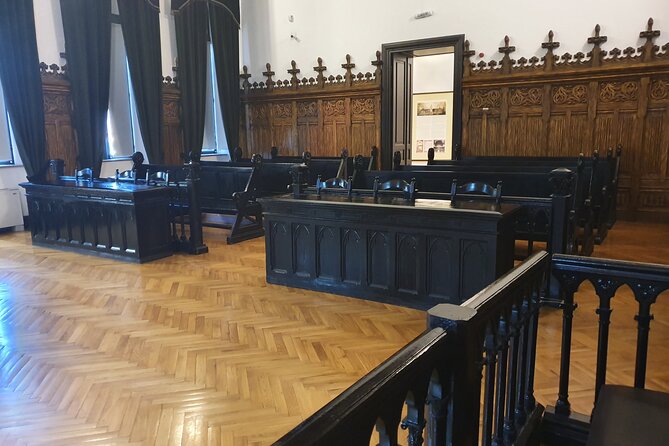
Day five is the most concentrated cultural day, with four monasteries and a specialized egg museum. Voroneț is the star. Founded by Stephen the Great in 1488 after his victory at the Battle of Vaslui, it is famous for its intense blue frescoes, often called Voroneț blue.
The monastery is sometimes compared with the Sistine Chapel of the East, but the experience is different. The painted exterior walls, biblical scenes, and compact monastic setting have their own character. You have 45 minutes, so listen closely to the guide before wandering off to study the murals.
Humor Monastery, built about 500 years ago, shows how religious sites were fortified and protected. Its walls and artwork help explain the role monasteries played in both spiritual life and regional defense.
Sucevița is another major painted monastery, with a fortified appearance and exterior frescoes that act almost like a visual Bible. It belongs to the UNESCO cultural heritage group of painted churches in the region. The 45-minute visit is brief, but enough to appreciate the walls and hear the basic story.
Moldovița continues the sequence with Byzantine, Gothic, and Moldavian influences. Its murals cover both interior and exterior surfaces, and the monastery dates to 1532. Seeing four religious sites in a single day can become tiring, especially if you are not used to studying church art, but each has a different setting and style.
The Lucia Condrea International Egg Museum changes the subject without leaving Bukovina. It contains more than 5,500 decorated eggs arranged across two floors and 56 display cases. The scale of the collection makes this more than a quick craft shop stop.
Entrance fees are separate at all these sites, so keep some budget available. Modest clothing may also be sensible for monastery visits, although the supplied details do not specify a dress code.
Day 6: Bicaz Gorge, Red Lake, and Nicolae Popa’s house museum
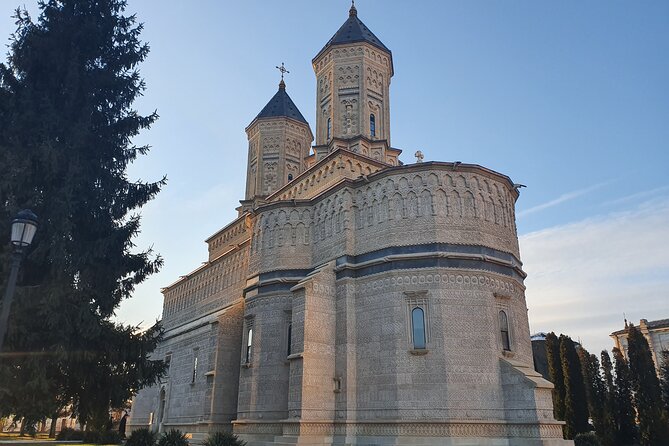
Bicaz Gorge is one of the great road sections of the trip. The route follows roughly eight kilometers of ravines, with rock walls on one side and steep drops on the other. It connects the historical regions of Moldavia and Transylvania and is also known for rock climbing and the uncommon wallcreeper bird.
The two-hour stop gives you time to enjoy the road and the gorge rather than simply passing through it. Mountain driving can be tiring, but this is exactly the sort of place where a private vehicle makes the route practical.
Lacu Roșu, or Red Lake, sits at about 980 meters. It formed after a landslide in the 19th century, with 1837 and 1838 both associated with its creation. The 45-minute stop is enough for a look at the lake and surrounding cabins and hotels.
The final visit is the Nicolae Popa Museum in Târpești, about 12 kilometers from Târgu Neamț. Popa founded the museum in his own house in the 1970s. After wartime injury and imprisonment under the communist regime, he devoted himself to Romanian values and became a respected folk sculptor.
This personal museum may be one of the trip’s most human stops. It is not a giant institution. It is an artist’s home and collection, tied directly to one man’s life and work. I would give the guide’s explanation extra attention here.
Day 7: Sighișoara, Viscri, and Brașov
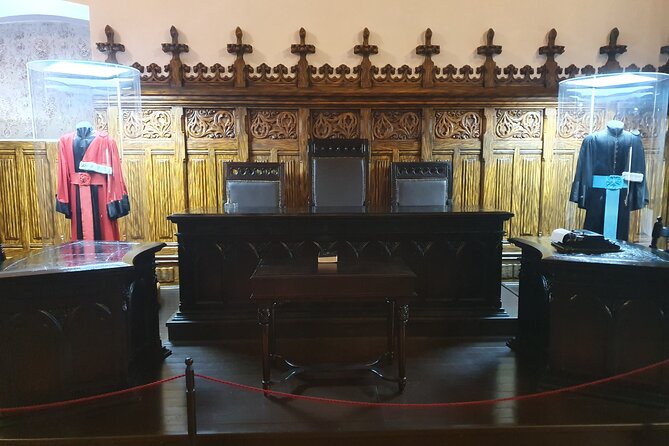
Sighișoara offers the clearest medieval town experience on the route. Its inhabited citadel dates to the 13th century, and the Clock Tower visit includes the Arms Museum. The old town is connected with Vlad the Impaler’s birth, but its appeal does not depend on Dracula lore.
Two hours gives you time to walk the citadel and absorb the town’s fortress character. Uneven streets and uphill sections are part of the setting, so comfortable footwear helps.
Viscri is a small Transylvanian village with a 12th-century past, a fortified church, and renewed attention linked to Prince Charles and the Mihai Eminescu Trust. The village has become one of the country’s best-known rural stops, but it still offers a useful look at village life beyond the main cities.
You have two hours here, a good amount of time for a walk and a closer look at the church and village surroundings. The stop is valuable because it places the grand history of Transylvania beside its modest rural communities.
Brașov’s Council Square closes the day. Its market rights date to 1520, with markets held there even earlier, and it is surrounded by historic houses from the 18th and 19th centuries. Two hours lets you explore at a relaxed pace after the tighter monastery schedule.
Day 8: Bran, Peleș, and Sinaia
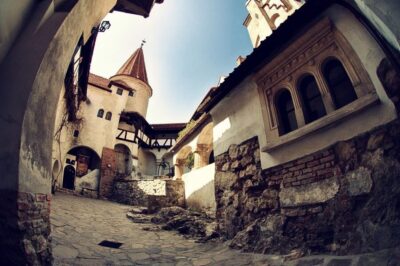
Bran Castle is the tour’s biggest Dracula stop. The real connection between the castle and Bram Stoker’s fictional Count is much weaker than popular culture suggests, but the building’s position and appearance make the legend easy to understand.
Inside, you should expect a historic castle visit shaped by myth as much as documented history. Outside, local food stalls offer handmade cheeses, pálinka made from plum or pear, ham, and sausages. These tastings are not included, so plan to pay separately.
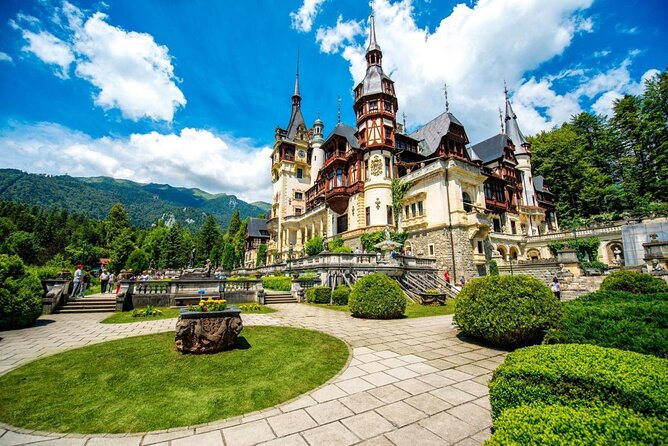
Peleș Castle is a different experience. It was the Romanian royal family’s summer residence and is widely regarded as one of Europe’s most beautiful castles. The two-hour visit gives you time to appreciate its royal role and elaborate design.
The final stop, Sinaia Monastery, dates to 1695 and was founded by Prince Mihail Cantacuzino. It is named after Saint Catherine’s Monastery on Mount Sinai and remains home to Orthodox monks. After the crowds and castle interiors, the monastery provides a quieter ending.
The final day is still busy, but the three stops work well together: popular legend at Bran, royal architecture at Peleș, and living religious tradition at Sinaia.
What the $2,658.63 price really covers
The price includes a private car or minibus, a licensed English-speaking guide and driver, fuel, parking, road tolls, wireless internet, and the guide’s accommodation, meals, and entrance fees. Hotel recommendations can be made around your budget.
It does not include your own accommodation, meals, drinks, or entrance tickets. That distinction matters. The advertised cost is not the full price of eight days, so ask for a realistic total before booking.
For a couple, the per-person cost is substantial. For a family or group of friends sharing a private vehicle and guide, the value improves. You are paying for route planning, driving across a very large area, flexibility, and access to places that would be awkward to connect independently.
The strongest value comes when you want interpretation and convenience, not the cheapest possible trip. If you are happy with trains, buses, and choosing only a few regions, you can likely spend less. If you want to cover Romania in one sweep without driving yourself, this arrangement is easier.
Who should book this Romanian road trip?
I would recommend it to first-time visitors who want more than Bucharest and Bran Castle. It suits people who enjoy history, religious art, folk culture, mountain roads, and long days with several changes of scenery.
It is also a good match for families and friend groups. The private format means you can discuss pacing with the guide, and nobody outside your group controls the schedule.
I would hesitate to recommend it to anyone who dislikes long drives, frequent hotel changes, or short visits. You should also be comfortable with some emotionally heavy material at the communist memorial and with the physical demands of Poienari Fortress and historic town streets.
Free cancellation is available until 24 hours before the start time. Confirmation is provided at booking, and most people can participate according to the supplied tour information.
Should you book it?
Book this tour if you want a broad, guided introduction to Romania and value a private vehicle more than a slow pace. The route reaches places that many short Romanian trips skip, from Maramureș’s wooden churches to Bukovina’s painted monasteries and the Bicaz mountain road.
Before paying, ask for a full estimate covering your hotels, meals, drinks, and entrance tickets. If the total fits your budget and you accept the long driving days, the combination of flexibility, regional variety, and personal guiding makes this a strong choice. If you prefer relaxed mornings and several nights in one place, choose a smaller regional tour instead.
FAQ
Where does the tour begin?
The tour is based in Bucharest, and pickup is offered.
How long does the experience last?
The tour lasts approximately eight days.
Is this a private tour?
Yes. Only your group participates in the activity.
What type of transport is provided?
Transport is provided in a private car or minibus used only by you and your friends or family.
Is an English-speaking guide included?
Yes. A private, licensed English-speaking guide and driver is available throughout the tour.
Can the daily itinerary be changed?
Yes. The tour allows considerable flexibility, including changes after the tour has started.
Are hotels included?
No. Accommodation is not included, but the provider can recommend hotels according to your budget.
Are meals and drinks included?
No. Your meals and beverages are not included. The guide’s meals are covered by the tour.
Are entrance fees included?
No. Entrance fees for the listed attractions are paid separately by you. The guide’s entrance fees are included.
Is internet available in the vehicle?
Yes. Complimentary wireless internet access is provided in the car.
What expenses are covered for the vehicle?
Gasoline, parking, and road tolls are included.
Can I cancel for a full refund?
Yes, if you cancel at least 24 hours before the experience start time. Cancellations made less than 24 hours in advance are not refunded.
Just added in Bucharest
- Bucharest: Dealu Mare Winery Private Trip with Wine Tasting★ 4.9 · 6 reviews
- Winery touring & private wine tasting – one day private tour★ 5.0 · 3 reviews
- Village Museum Bucharest Guided Tour★ 5.0 · 6 reviews
- Transylvania Tour: Dracula’s Castle, Peles Palace & Brasov★ 5.0 · 19 reviews
- Transfer Airport Otopeni – Bucharest★ 5.0 · 2 reviews
- Private Transfer Bucharest Otopeni Airport (OTP) to/from Brasov★ 5.0 · 2 reviews
- Bucharest Airport Transfer To Constanta Mamaia★ 5.0 · 3 reviews
- Airport Henri Coanda (Otopeni) to Bucharest – Private Transfer – Driver★ 5.0 · 5 reviews
Guided, compared.

Bucharest to Dracula Castle, Peles Castle and Brasov Guided Tour
Read our review →
Dracula Castle, Peles Castle & Brasov Guided Tour
Read our review →