
REVIEW · MARAMURES TOURS
A Journey Back in Time: Countryside from Transylvania and Maramures – 15 Days
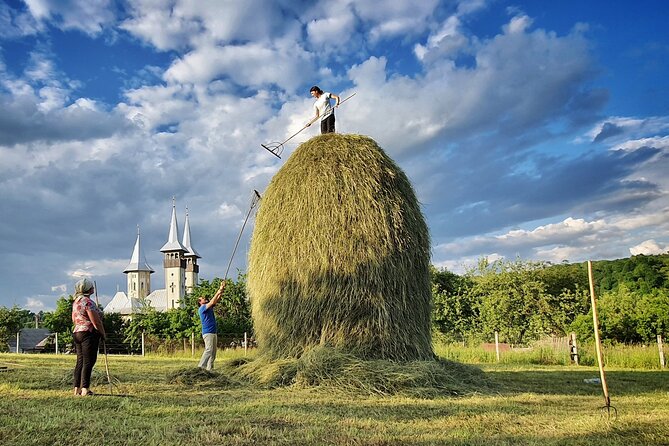
Romania rewards slow travel. This private journey links Bucharest, Transylvania, and Maramures through village stays, medieval towns, wooden churches, and mountain roads. I especially like the small-scale village lodging in Fundățica, Viscri, Malancrav, Breb, and Rimetea, plus the chance to see places many first-time visitors miss. I also like that George, the guide and driver, can adjust the experience around your interests. The main drawback is the pace: fourteen active touring days, with several long drives, can feel demanding.
You get air-conditioned private transportation, hotel pickup and drop-off, breakfast each morning, and twelve dinners. That makes the $4,585.57 price easier to understand, though it is still a serious investment. You are paying for planning, driving, guiding, accommodation, meals, and access to a wide slice of Romania, not simply a string of admission tickets.
One practical point needs attention: the experience is promoted as a 15-day tour, but the published schedule runs from Day 1 through Day 14. Ask for the exact number of nights and the final return timing before you pay. The Transfagarasan section also depends on the season, since the road is open from July 1 through October 31.
In This Review
- What makes this Romanian journey different
- Bucharest begins with a useful three-hour orientation
- Peles Castle and two nights in Fundățica
- Bran, Rasnov, and a bear sanctuary
- Viscri offers Saxon village life, not just a photo stop
- Sighisoara and the Saxon churches of southern Transylvania
- Cluj-Napoca breaks up the road to Maramures
- Maramures brings wood, color, and old customs
- The Mocanita steam train is a full-day highlight
- A relaxed day in Breb matters
- Rimetea, Alba Iulia, Corvin Castle, and Sibiu
- The Transfagarasan depends on your travel dates
- Curtea de Arges closes the circuit
- What the $4,585.57 price really covers
- Who should book this private Romania tour?
- Should you book it?
- FAQ
- How long does the tour last?
- Where does the tour start?
- What time does the tour start?
- Is this a private tour?
- Is transportation included?
- Are meals included?
- Is admission to the attractions included?
- When can you drive the Transfagarasan Highway?
- Can the tour be changed or canceled for a refund?
What makes this Romanian journey different
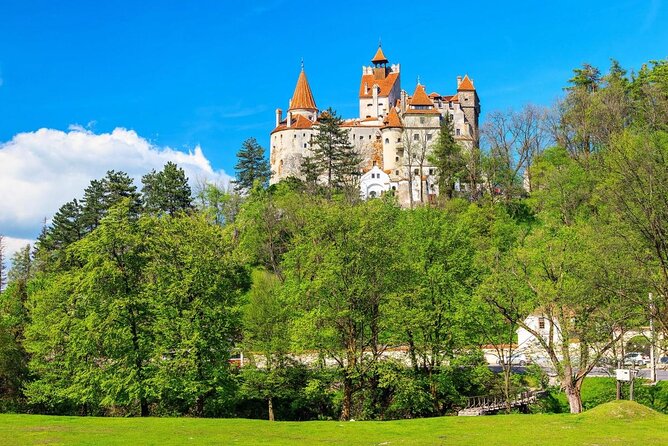
- Five village bases let you sleep in traditional settings instead of spending every night in large cities.
- The Saxon villages of Viscri and Malancrav offer old houses, fortified churches, local food, and quieter roads.
- Maramures brings wooden churches, Breb village life, the Merry Cemetery, and a steam train ride.
- George handles the driving and guiding, with past guests praising his history knowledge, calm driving, and willingness to tailor plans.
- The tour covers major sights and lesser-known stops, from Bran Castle and Peles Castle to Alma Vii and Valea Viilor.
- Season matters on the Transfagarasan Highway, where summer and autumn road access determine how you cross the mountains.
Bucharest begins with a useful three-hour orientation
The first day is a three-hour walking tour of Bucharest, focused on the city’s main sights. It is a sensible opening rather than a packed museum day. You can get your bearings, see the capital on foot, and begin placing Romania’s royal, political, and cultural story in context.
Because the rest of the trip quickly moves into the countryside, this short city introduction is valuable. I would use the morning to note any Bucharest sight you want to revisit later, since the route does not appear to reserve a second full city day at the end.
More Maramures trips:
Peles Castle and two nights in Fundățica
Day 2 takes you to Sinaia and Peles Castle, the former summer residence of Romania’s royal family. The visit lasts about two hours, with admission included. Peles is one of the tour’s polished headline attractions, and it provides a sharp contrast with the simple village homes that follow.
From Sinaia, you continue toward Fundățica, a mountain village described as one of Romania’s most beautiful. You spend two nights here, which is important. Instead of arriving, taking a quick photograph, and leaving, you have time to see the village at a slower pace and enjoy its mountain setting.
The day is listed as an eight-hour stop, so expect a substantial travel day. The appeal is the change in rhythm: after Bucharest and a royal palace, you sleep in a rural community surrounded by mountain scenery. The tradeoff is that village accommodation may feel less standardized than a city hotel. That is part of the point, but it suits you best if local character matters more than predictable hotel facilities.
Bran, Rasnov, and a bear sanctuary
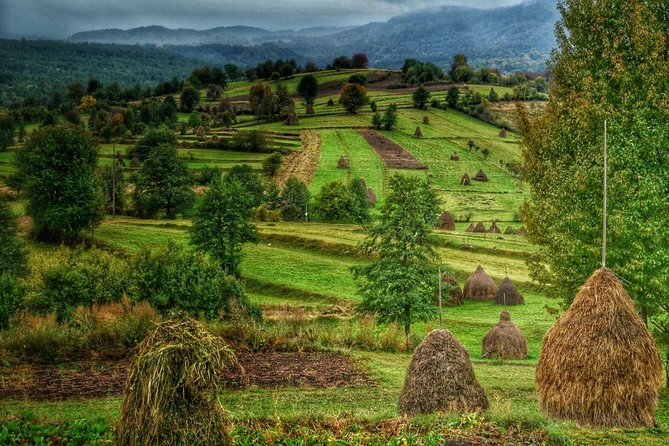
Day 3 packs three well-chosen stops into one route. Bran Castle, widely marketed as Dracula’s Castle, receives about an hour. The useful part is not only seeing the castle, but hearing the difference between Bram Stoker’s fictional association and the real story of the building.
Rasnov Fortress follows, with admission included and about an hour for the old citadel and its panoramic view. The fortress is described as roughly 800 years old. One hour is enough for a focused visit, but not for lingering over every corner, so keep your expectations realistic.
The Libearty Bear Sanctuary in Zarnesti gives the day a different purpose. About 80 bears live in a forested sanctuary, and the visit lasts two hours. This is more than another old building on a checklist. It adds a nature and animal welfare element to a route otherwise heavy on castles and churches.
The schedule is efficient but full. You will need comfortable shoes and a willingness to keep moving. The private format helps here, since George can manage the road timing for your group rather than a large coach.
Viscri offers Saxon village life, not just a photo stop
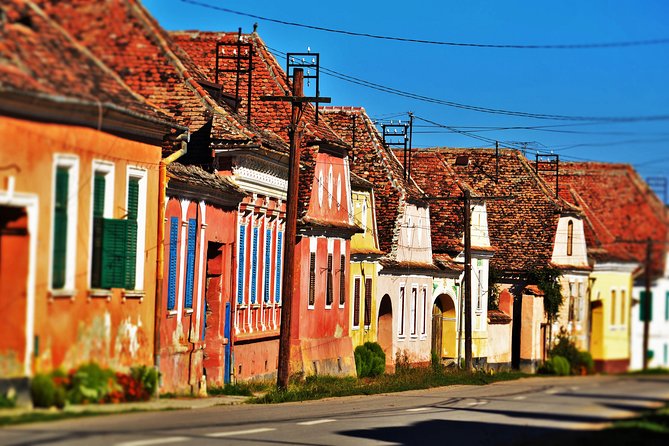
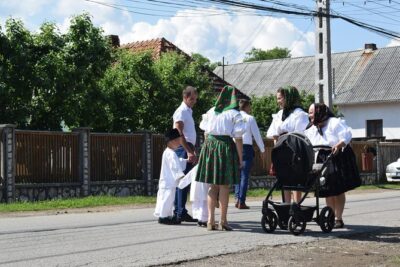
You spend one night in Viscri, a Saxon village associated with Charles, Prince of Wales. The plan includes walking the village streets, visiting the fortified church, and eating traditional food.
Viscri is the kind of stop that explains why this route uses village accommodation. The appeal is the setting itself: old homes, a rural street plan, and a fortified church tied to the area’s Saxon heritage. You are not simply viewing an isolated monument. You are seeing how the church, houses, and local food fit together.
One night is enough to give you an evening and a morning feel, but it is not a long stay. If quiet village time is your priority, ask how much free time you will have around the scheduled church visit and meals.
More Transylvania trips:
- Transylvania and Dracula Castle Full Day Tour from Bucharest
★ 4.5 · 1,589 reviews - Castles of Transylvania: Private Day Trip from Bucharest
★ 4.5 · 248 reviews - 2-Day Transylvania from Bucharest: Brasov, Bran, Sighisoara
★ 5.0 · 60 reviews - Transylvania: Cultural Full-Day Trip by Minivan
★ 4.8 · 57 reviews
Sighisoara and the Saxon churches of southern Transylvania
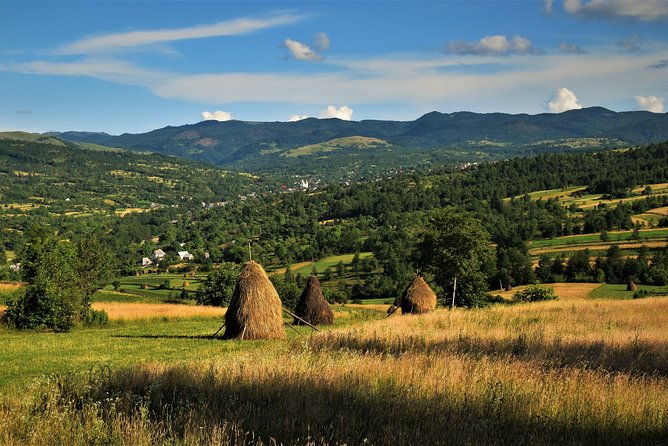
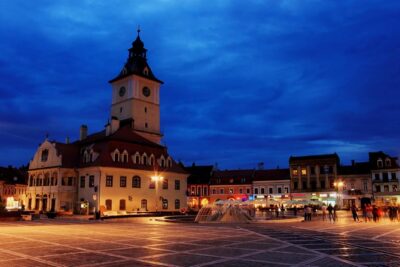
Sighisoara receives about three hours on Day 5. Its inhabited medieval citadel is a UNESCO World Heritage site, and the visit is framed as a step into medieval Romania. Three hours gives you time for a proper walk through the historic center without turning the stop into an exhausting full-day march.
After Sighisoara, you spend two nights in Malancrav in a traditional old Saxon house. This is one of the strongest parts of the route for anyone interested in village architecture and local customs. The 700-year-old fortified church is included, and traditional food is part of the stay.
Day 6 continues with three very different Saxon settlements. Biertan has another UNESCO-listed fortified church, with about an hour set aside. Valea Viilor offers a second fortified church, with a shorter 45-minute visit. Alma Vii is the quieter stop, with two hours in a remote village and a traditional lunch.
I like this section because it avoids treating Transylvania as only Dracula country. The fortified churches tell a broader story of settlement, defense, religion, and community life. The drawback is repetition. If you need constant novelty, two fortified churches in one day may feel similar. If you enjoy architecture and regional history, the pairing makes sense.
Cluj-Napoca breaks up the road to Maramures
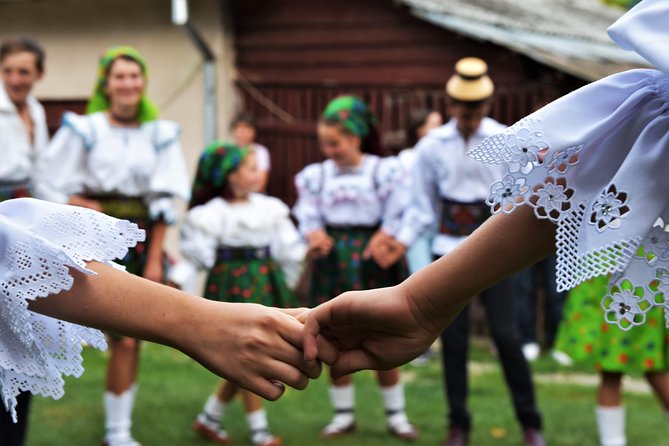
On Day 7, the route pauses in Cluj-Napoca, the largest Transylvanian city, for a two-hour walking tour. It is a useful urban counterpoint after several villages and church visits.
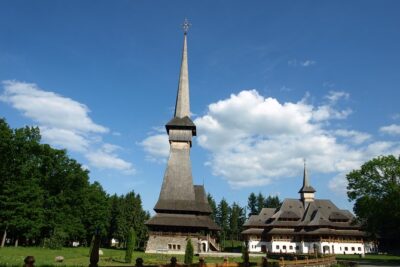
The journey then reaches Surdesti, where you see one of Maramures’s tall wooden churches. The visit lasts about 45 minutes and admission is included. Afterward, you arrive in Breb for four nights.
Four nights in Breb give the northern part of the trip a welcome base. You can walk through the village, meet local people, and eat local food without packing your bags each morning. That slower stretch helps balance the many short church and citadel visits earlier in the trip.
Maramures brings wood, color, and old customs
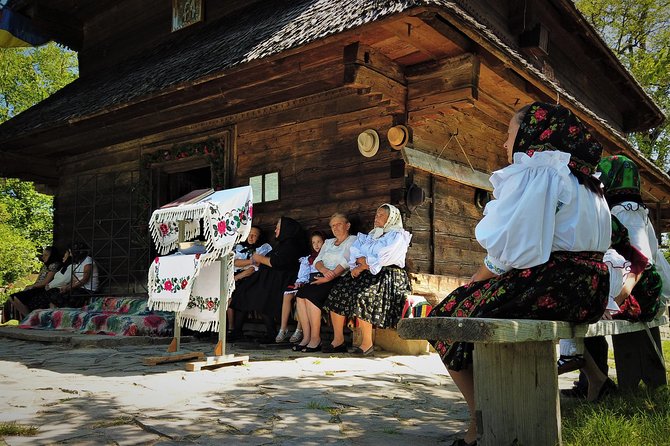
Day 8 starts at the Merry Cemetery in Sapanta. The visit takes about half an hour and presents death through brightly painted grave markers and distinctive written messages. It is a memorable cultural stop because it challenges the usual solemn image of a cemetery.
At Desesti, you visit a 250-year-old wooden church in a beautiful cemetery. The church is described as the best-preserved wooden church in Maramures. The visit is free, but the short 45-minute stop means your attention will stay focused on the building and its setting.
Barsana Monastery follows, with about 45 minutes and admission included. It is one of Romania’s best-known Orthodox monasteries and adds a more formal religious site to the small village churches.
These stops work well together because they show different expressions of Maramures culture: memorial art, rural wooden churches, and Orthodox monastic life. The times are short, so I would listen closely to the guide’s explanations rather than trying to explore every detail independently.
The Mocanita steam train is a full-day highlight
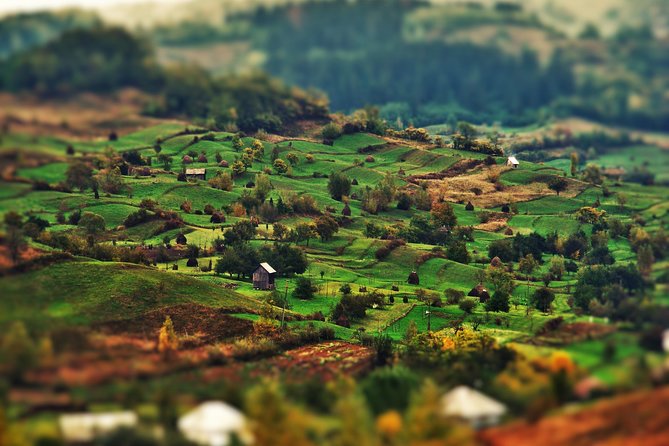
Day 9 is devoted to the Mocanita Maramures, an old train pulled by steam locomotives. The ride lasts about six hours, with admission included.
This is one of the tour’s most distinctive activities. After days of road travel, a heritage train gives you a different way to see the region. The old equipment is part of the attraction, not an inconvenience to overlook. You should expect the day to feel more like an outing than a quick transport connection.
The six-hour duration also gives the itinerary some breathing room. You are still on a schedule, but the experience is centered on the train rather than repeated check-in and check-out routines.
A relaxed day in Breb matters
Day 10 is deliberately light. You can walk Breb village and spend the day at a slower pace. On a two-week route, this is not wasted time. It gives you room to absorb the homes, lanes, food, and local encounters that can blur together when every morning begins with a departure.
I like that this free day appears after the train ride and several cultural stops. You can use it to rest or take a closer look at village life. The published plan does not promise a separate guided activity, so the value here depends on how much you enjoy unhurried walking and informal time.
Rimetea, Alba Iulia, Corvin Castle, and Sibiu
Day 11 moves toward Rimetea, another Romanian village praised for its beauty. You spend one night there and visit the Ethnographic Museum for about 45 minutes, with admission included.
The stop adds another regional perspective before the route turns south toward major historic centers. As with Fundățica and Breb, the overnight stay matters as much as the named attraction. You get a chance to see a village outside a quick daytime visit.
Day 12 is a busy one. Alba Iulia Citadel receives about two hours and is presented as Romania’s most important historical site. The guide’s role matters here, since a large fortified complex can be difficult to understand from architecture alone.
Next comes Corvin Castle, described as Romania’s largest Gothic castle, built in the 1400s. The visit lasts about an hour and admission is included. Its Gothic appearance gives the day a dramatic centerpiece, though one hour is a brisk visit.
You finish in Sibiu with a walking tour of the medieval city and its major attractions. Only one hour is listed, so think of this as an introduction rather than a full exploration. The day covers a lot of road and history. It is rewarding, but easily one of the most tiring sections.
The Transfagarasan depends on your travel dates
Day 13 is built around the Transfagarasan Highway, one of Romania’s famous mountain routes. From July 1 through October 31, the plan is to drive the road. Outside that period, a cable car provides mountain views instead.
This seasonal detail can affect the feel of the entire day. Road access gives you a long scenic drive, while the cable car offers a different way to reach the views. The experience includes about six hours, so it is not a quick roadside photo stop.
You should confirm the operating plan before booking, especially if this highway is one of your main reasons for choosing the tour. Weather and seasonal access are central to this part of the route.
Curtea de Arges closes the circuit
The final scheduled stop is Curtea de Arges Monastery, visited on the way back to Bucharest. The church is about 500 years old and described as one of Romania’s most beautiful Orthodox churches. The visit lasts about 45 minutes and admission is included.
It is a fitting ending after the monasteries and wooden churches of Maramures. You finish with a major religious monument before returning to the capital, rather than ending abruptly after a long drive.
What the $4,585.57 price really covers
The cost is $4,585.57 per person, with group discounts offered. The package includes private transfers, an air-conditioned minivan or vehicle, a driver and guide, a tour host, hotel pickup and drop-off, all listed taxes and fees, breakfast for fifteen mornings, and twelve dinners.
That is a large amount, but the tour also covers nearly two weeks of complex logistics. You would otherwise need to arrange multiple rural accommodations, find the Saxon villages, manage long one-way drives, coordinate church and castle visits, and handle the mountain route yourself.
The value is strongest for you if you want a private trip with history explained along the way. It is weaker if you prefer booking simple rooms, eating independently, or spending several days in one city. Photo fees are not included, and the non-refundable booking terms make it especially important to confirm the dates, nights, and seasonal road plan first.
Who should book this private Romania tour?
I would recommend it to couples, families, and small groups who want a broad first look at Romania without driving themselves. The private format is also useful for anyone tracing family roots, since George has already customized journeys around personal interests.
Past feedback repeatedly praises George by name for his history knowledge, attentive service, flexible planning, and driving. One account describes him as handling the full trip, from booking and guiding to driving, while another praises his calm road skills. Those details matter on a route with long transfers and many rural stops.
You should think twice if you dislike frequent hotel changes, long road days, or short visits at major sights. This is not a lazy resort holiday. It is an active cultural route with plenty of mileage, stairs, churches, fortresses, and early starts.
Should you book it?
Book this tour if you want Romania explained as a living country of villages, churches, food, royal sites, and mountain roads, not just a collection of famous attractions. The strongest features are the private vehicle, George’s personal guiding, the village overnights, and the four-night base in Breb.
Before committing, confirm the advertised 15-day title against the 14-day schedule, check which Transfagarasan option applies to your dates, and make sure the pace suits you. If those details work, this is a strong choice for a carefully planned Romania trip with real time in the countryside.
FAQ
How long does the tour last?
The experience is advertised as a 15-day tour, while the published schedule runs from Day 1 through Day 14. Confirm the exact duration and number of nights before booking.
Where does the tour start?
The tour is based in Bucharest, Romania. Hotel pickup and drop-off are included.
What time does the tour start?
The stated start time is 9:00 am.
Is this a private tour?
Yes. Only your group participates, and a minimum of two people is required per booking.
Is transportation included?
Yes. The package includes round-trip private transfers, an air-conditioned vehicle or minivan, a driver and guide, and hotel pickup and drop-off.
Are meals included?
Breakfast is included throughout the tour, listed as fifteen breakfasts. Twelve dinners are also included.
Is admission to the attractions included?
Admission is included for listed sites such as Peles Castle, Bran Castle, Rasnov Citadel, the bear sanctuary, fortified churches, the Merry Cemetery, Barsana Monastery, the Mocanita train, Alba Iulia Citadel, Corvin Castle, and the Transfagarasan activity. Photo fees are not included.
When can you drive the Transfagarasan Highway?
The road is open from July 1 through October 31. Outside that period, the itinerary uses a cable car for mountain views.
Can the tour be changed or canceled for a refund?
No. The experience is non-refundable and cannot be changed for any reason after booking. Confirmation is issued within 48 hours, subject to availability.
Just added in Bucharest
- Bucharest: Dealu Mare Winery Private Trip with Wine Tasting★ 4.9 · 6 reviews
- Winery touring & private wine tasting – one day private tour★ 5.0 · 3 reviews
- Village Museum Bucharest Guided Tour★ 5.0 · 6 reviews
- Transylvania Tour: Dracula’s Castle, Peles Palace & Brasov★ 5.0 · 19 reviews
- Transfer Airport Otopeni – Bucharest★ 5.0 · 2 reviews
- Private Transfer Bucharest Otopeni Airport (OTP) to/from Brasov★ 5.0 · 2 reviews
- Airport Henri Coanda (Otopeni) to Bucharest – Private Transfer – Driver★ 5.0 · 5 reviews
- Private Bucharest Otopeni Airport (OTP) Transfer★ 5.0 · 2 reviews
Maramures Tours, compared.
Classic Romania Tour – small group in 8 days: Transylvania and Maramures
Read our review →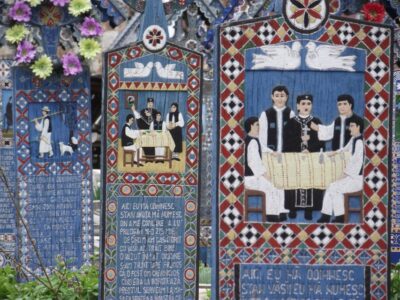
Two days tour to Maramures: local experiences and culture
Read our review →
Your rendez-vous with Europe’s past: time-travel to Maramures, Transylvania
Read our review →
Browse the lists this tour appears in