
REVIEW · FOOD
Bucharest: Street Food Tour with a Local Guide
Come hungry, then let Bucharest surprise you. This four-hour outing links a communist-era pretzel breakfast, a tram ride through old quarters, and a generous stop at Obor Market, one of Romania’s oldest and largest markets. I like the mix of food, public transport, and city history, plus the chance to try local specialties with an English-speaking guide.
I also like the friendly, personal feel praised by several guests, especially with guides such as Laura and Riga. The main drawback is value: at $74 per person, the food selection may feel limited if you expect a long series of tastings, and the route can feel spread out because of the tram and trolleybus rides.
In This Review
- Key points at a glance
- A food tour that also works as a city orientation
- A humble beginning with pretzel and yogurt
- The tram ride through Jewish and Armenian quarters
- Obor Market, where everyday Bucharest is on display
- Mici and beer at a famous market stall
- From trolleybus to University Square
- Walking from University Square toward Cismigiu Park
- Papanasi at the final restaurant
- Is $74 a fair price?
- Which guide makes the biggest difference?
- Who should book this Bucharest food tour?
- Should you book it?
- FAQ
- How long does the Bucharest street food tour last?
- What language is the tour conducted in?
- Where does the tour meet?
- What food is included?
- Is beer included?
- Are public transport tickets included?
- Can I buy extra food at Obor Market?
- Is the tour suitable for people with limited mobility?
- Are pets allowed?
- Can I cancel for a full refund?
- Can I reserve now and pay later?
Key points at a glance
- Start with a communist-era breakfast: Try a Romanian pretzel with yogurt, once a common meal for workers on the go.
- Ride Bucharest’s public transport: The tram and trolleybus are part of the experience, not just a way to get around.
- Explore Obor Market: See stalls filled with produce, honey, cheese, wooden bowls, and other everyday Romanian goods.
- Taste mici and beer: A well-known market stall serves traditional Romanian ground meat rolls, though the beer allocation should be confirmed.
- Walk through central Bucharest: The route from University Square toward Cismigiu Park brings history, architecture, and changing neighborhoods.
- Finish with papanasi: Hot Wallachian doughnuts with jam and cream provide a sweet ending at a fine dining restaurant.
A food tour that also works as a city orientation

This is not simply a march from restaurant to restaurant. The tour uses Bucharest’s food stalls, market aisles, trams, trolleybuses, and central streets to show how the city works.
That makes it useful early in your visit. You get a taste of Romanian food, but you also see several different parts of Bucharest and receive suggestions for what to eat and see later. Guides have also offered practical advice for the rest of a stay, which adds value if this is your first time in the capital.
The four-hour length is enough for a real introduction without taking over your entire day. You should expect plenty of walking, standing, waiting at food counters, and riding public transport. Comfortable shoes are important.
The overall rating is 4.3 from 21 reviews, which fits the experience neatly. The strongest praise goes to the guides, the tasty food, the market visit, and the history along the way. The weaker points concern limited food variety, uneven explanation at some stops, and the feeling that the route covers too much ground.
More Food and Drink Tours in Bucharest
- Taste Bucharest: A Food Lover’s Tour of Markets & Neighbourhoods
★ 5.0 · 689 reviews - Street Food’n’Culture Tour
★ 5.0 · 209 reviews - Wine Tasting in Bucharest
★ 5.0 · 183 reviews
A humble beginning with pretzel and yogurt
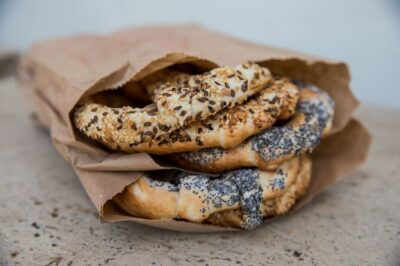
The tour begins at the Lupa Capitolina Monument at 36 I.C. Bratianu Boulevard. The first bite is a Romanian pretzel served with yogurt, described as the snack of communism and a breakfast once favored by communist workers.
This is a small but smart opening. Rather than beginning with an expensive restaurant dish, the tour starts with an ordinary food tied to daily life. You learn that food culture is not only about grand recipes and festive meals. It is also about what people grabbed before work.
Do not expect a large breakfast. This is a simple taste, more useful for context than for filling you up. If you arrive hungry, keep in mind that the main food stop comes later at Obor Market.
The starting point is central, and the first stage sets up the tour’s main idea: Romanian food is connected to work, politics, neighborhoods, and public life. That is more interesting than a standard list of dishes.
The tram ride through Jewish and Armenian quarters
After the opening snack, you take a short tram ride toward Obor Market. Along the way, the guide points out architecture and buildings in Bucharest’s Jewish and Armenian quarters.
This part gives the tour a local rhythm. You are not sealed inside a private vehicle or moved straight from one tasting to the next. You ride as residents do, watch the city pass by, and connect the market with older parts of Bucharest.
The tram ride also explains one of the tour’s trade-offs. Because the market is some distance from the starting area, the route can feel spread out. One guest felt the tram ride seemed to go back and forth between stops, while others enjoyed the chance to see more of the city.
Your experience will depend partly on what you want from a food tour. If you want every minute devoted to eating, the transport sections may feel like lost time. If you want a food tour that also introduces Bucharest’s neighborhoods and public transport, they are part of the point.
Obor Market, where everyday Bucharest is on display
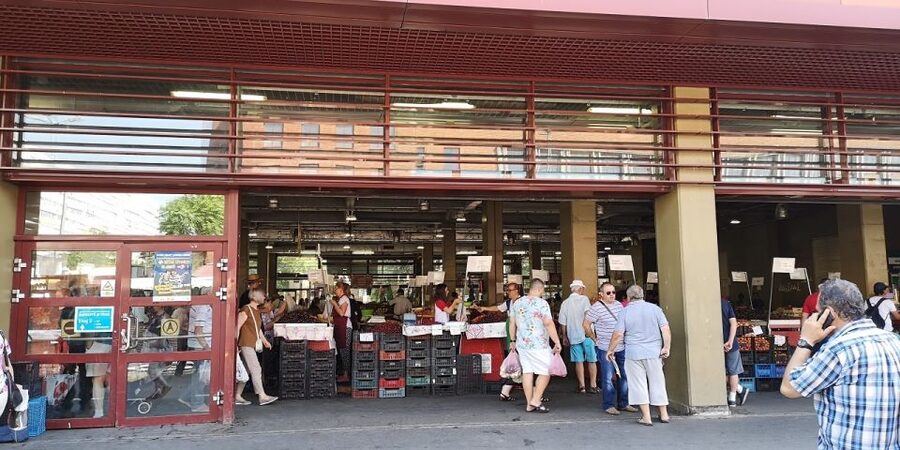
Obor Market is the heart of the outing. It is one of Romania’s largest and oldest markets, and it offers a useful view of food as locals buy and use it.
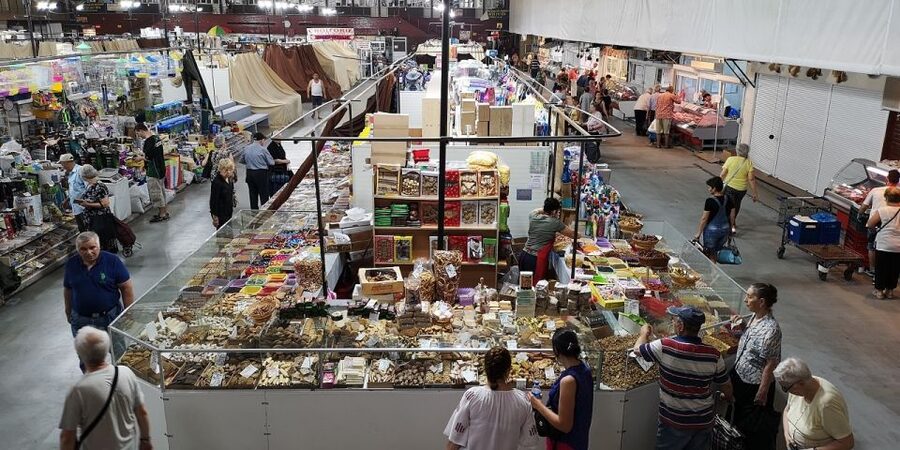
You walk among stalls selling fresh produce, honey, cheese, and other goods. You can also find handcrafted wooden bowls and personal items, so the market is not limited to edible products. That wider range helps you see Obor as a daily shopping center rather than a stage built only for tourists.
I would pay attention to the small details here. Look at how produce is arranged, notice the different types of cheese and honey, and ask the guide what people commonly buy for home cooking. The tour’s value at this point depends heavily on the guide’s commentary, so do not hesitate to ask questions.
The market is also where the food variety question matters most. One guest expected more small tastings from the many stalls and felt disappointed by the limited selection. Another described the market as huge and colorful, with everything you could wish for.
Both impressions can be true. Obor itself offers plenty to see, but the included tasting may not cover a wide range of products. You should think of the market as a cultural stop with selected food samples, not as an all-you-can-eat crawl.
A completely different kind of day out:
- Bucharest: Dracula’s Castle, Peles Castle, & Brasov Old Town
★ 4.5 · 17,858 reviews - Bucharest: Dracula Castle, Peles Castle & Brasov Old Town
★ 4.6 · 10,891 reviews - Bucharest: Dracula’s Castle, Peleș Castle & Brașov Day Trip
★ 4.5 · 5,919 reviews - Bucharest: Palace of Parliament Tickets and Guide
★ 4.3 · 3,182 reviews
Mici and beer at a famous market stall
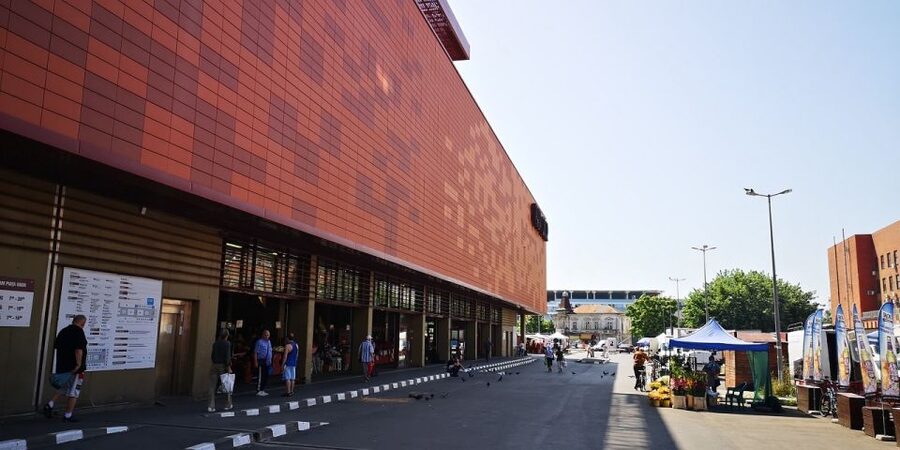
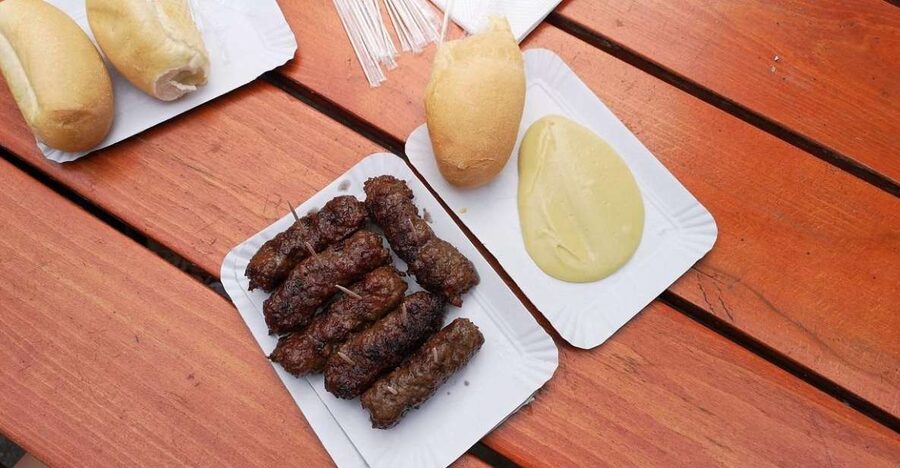
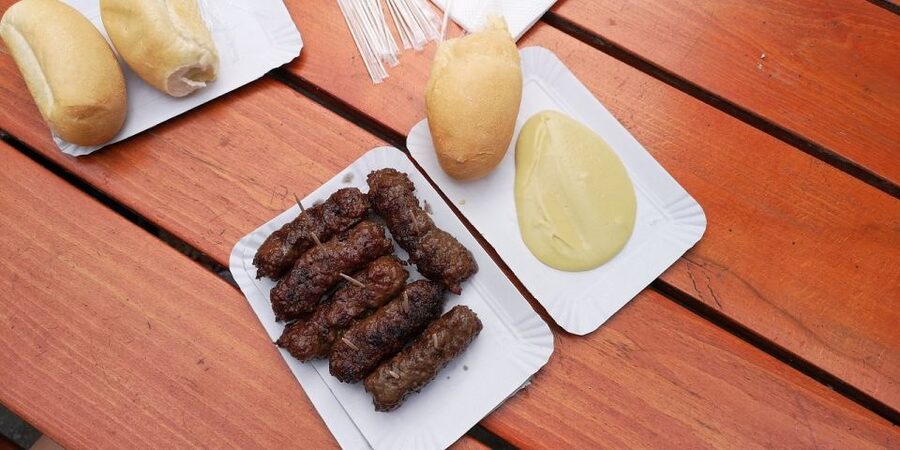
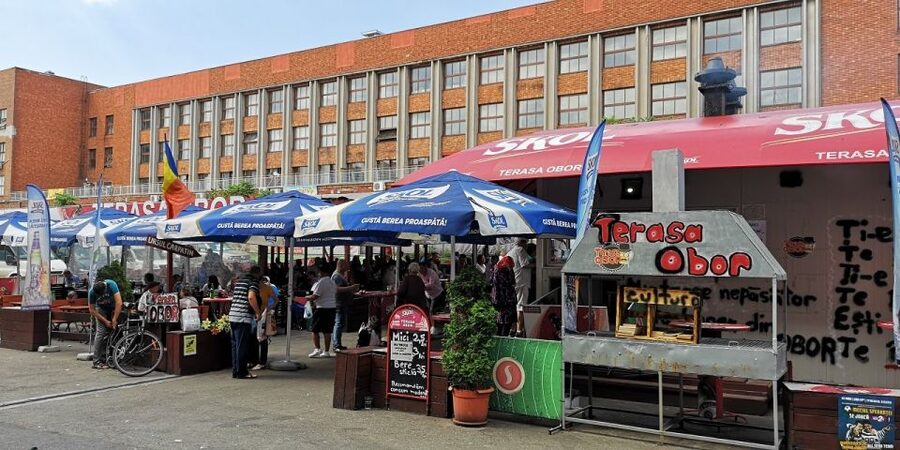
At a well-known stall, you sample traditional Romanian ground meat rolls, usually called mici, and drink them with a cool beer. The tour description says food and drink mentioned in the program are included, but one guest received only one beer for the group rather than one per person.
That is worth clarifying before you book or at the start of the tour. The included food is intended to cover the listed stops, but extra food, drinks, and personal purchases at Obor are your responsibility.
The mici are an important Romanian street food experience. They are direct, informal, and well suited to a market setting. The portion may be more substantial than the earlier pretzel and yogurt, especially when served with chips, but it is not the same as tasting many different Romanian dishes.
This is also a point where the guide’s role matters. A good explanation of the food, the market stall, and how the dish fits into local eating habits can turn a simple plate into a memorable stop. Some feedback praised the effort to find fresh food, while one guest felt there was not enough explanation while the guide waited in line.
You can help make this stage better by asking what goes into the meat rolls, how locals usually eat them, and what other market foods are worth trying. If you want additional samples, budget for your own purchases.
From trolleybus to University Square
After Obor Market, the tour continues by trolleybus to University Square. This second public transport ride reinforces the tour’s local character, but it also adds another change of pace.
University Square is a useful place to continue because the route then becomes a walking tour through central Bucharest. From here, you learn about important historical landmarks between the square and Cismigiu Park.
The exact stops are not listed in detail, so you should not expect a fixed monument-by-monument lecture. The guide provides the historical background during the walk, with the route linking central landmarks rather than focusing on one major attraction.
Several people especially praised the guides for their city stories. Laura received strong praise for her pleasant manner and explanations of Bucharest’s past, while Riga was described as energetic, patient, kind, and full of useful information.
Still, the quality of the history portion depends on the guide and group pace. One guest wanted more explanation of both food and history, saying there was too much time to wander while the guide handled food orders. If historical detail is your main reason for booking, ask questions and make clear that you want more context.
Walking from University Square toward Cismigiu Park
The walk between University Square and Cismigiu Park helps connect the city’s food culture with its streets and public spaces. You see how Bucharest changes from the market district to the central area, with history and architecture providing the link.
This is not a museum visit, and there is no promise of entering major attractions. Instead, you learn while moving through the city. That format suits you if you prefer a broad introduction over a long indoor lecture.
The walking section also gives you a chance to ask for restaurant suggestions and practical advice. Guides have offered recommendations for the rest of the visit, which is one of the most useful benefits of a small food tour.
Give yourself enough energy for this part. The tour is not recommended for people with limited mobility, and the combination of market walking, public transport, standing, and city streets can be tiring. Wear comfortable shoes and avoid bringing a pet, since pets are not allowed.
Papanasi at the final restaurant
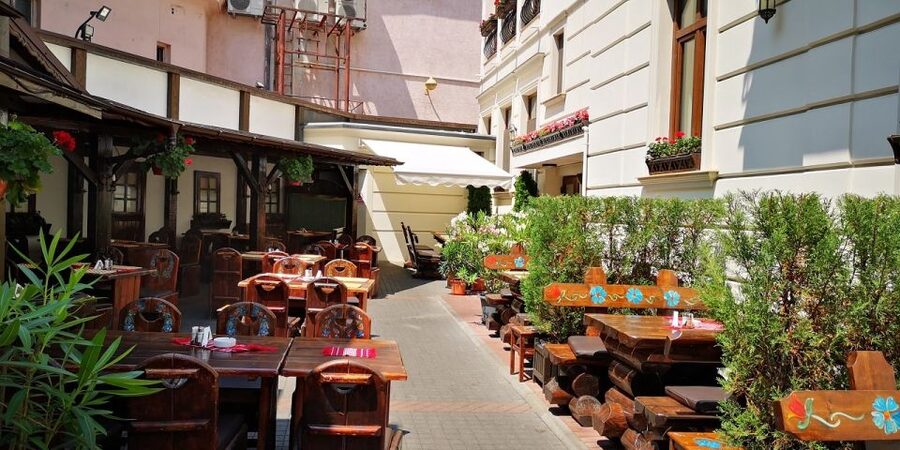
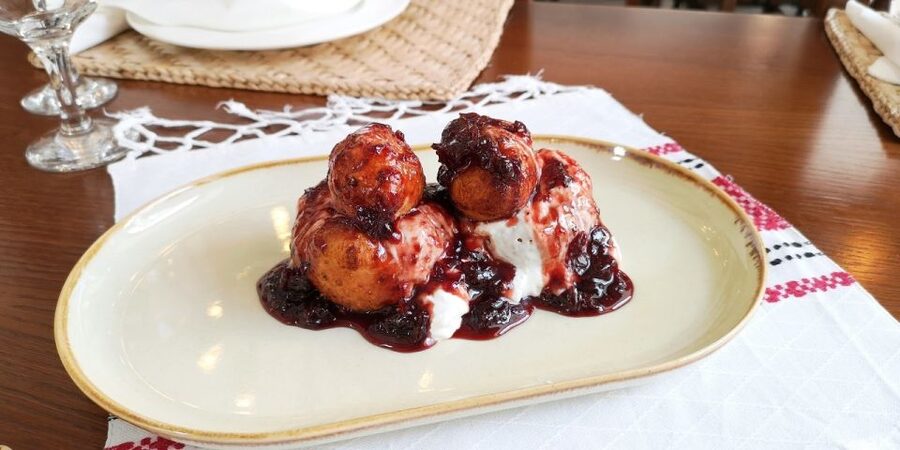
The last food stop is at a fine dining restaurant, where you taste papanasi, sweet Wallachian doughnuts served hot with jam and cream.
After the market’s informal food stall, this is a clear change of setting. The contrast lets you see two sides of Romanian eating: quick food in a public market and a more polished dessert served in a restaurant.
Papanasi is a fitting ending because it is filling, sweet, and easy to remember. The hot doughnut, jam, and cream create a much more complete final course than the opening pretzel and yogurt.
The dessert also gives you time to talk with the guide. Use this final stretch to ask what else you should eat, which neighborhoods deserve more time, and what to see during the rest of your stay.
The tour does not include extra food or drinks beyond what is listed. If you have a large appetite or want Romanian wine, more cheese, or cold meats, you may need to buy those separately. One disappointed guest specifically wanted a wider selection of local products and wine, so this is not the best choice for someone seeking a full tasting menu.
Is $74 a fair price?
At $74 per person, the value depends on how much you want from the non-food parts of the tour.
You are paying for four hours with an English-speaking guide, the included food and drinks, bottled water, and tram and trolleybus tickets. You also receive an organized route through several parts of Bucharest, historical commentary, and local recommendations.
That is reasonable if you would otherwise need to plan your own market visit, work out public transport, and find a reliable place to try mici and papanasi. The guide adds the most value by connecting the food to the city and helping you feel comfortable in places you might not visit alone.
The price is harder to justify if your main goal is quantity or variety. The included food may consist of a pretzel with yogurt, ground meat rolls with a drink, and papanasi, rather than a long series of small portions. Extra market purchases are not covered.
I would book it for the guidance, transport, market access, and city orientation rather than for the amount of food alone. If you want more samples, bring some spending money and treat Obor as an opportunity to add your own tastes.
Which guide makes the biggest difference?
The guides are the strongest part of this experience. Laura was praised for her friendly manner, passion for Bucharest’s food culture, and clear explanations of the city. Riga was praised for energy, patience, kindness, and a large store of useful information.
That consistency is encouraging, but the feedback also shows why expectations matter. The guide may spend time ordering food, and the amount of commentary can vary. You may need to ask questions instead of waiting for a running explanation at every stall.
A simple approach works well: tell the guide early that you want both food details and historical context. Ask about ingredients, local habits, the market, and the buildings along the route. A food tour is more rewarding when you treat it as a conversation rather than a silent tasting schedule.
Who should book this Bucharest food tour?
I would recommend it to first-time visitors who want a broad introduction to Bucharest in half a day. It suits you especially well if you enjoy public transport, markets, local street food, and a guide who can suggest what to do next.
It is also a good fit if you want to see Obor Market but would rather not work out the route yourself. The tram and trolleybus rides add a local touch and help you cover more ground.
You may want another type of tour if you are looking for a large number of tastings, Romanian wine, several cheeses, cold meats, or a highly structured food lecture. This is also a poor match for anyone with limited mobility because of the walking and public transport.
The seasonal minimum group rules are important. From March through October and from December 16 through January 6, at least four people are needed for the tour to run. From January 7 through February 29 and from November 1 through December 15, at least two people are required. If the minimum is not reached, you are offered another date or a full refund.
Should you book it?
Book this tour if you want food, history, and city orientation in one outing, and if Obor Market sounds more appealing than a polished restaurant-only experience. The market, public transport, friendly guides, and final papanasi give the tour a clear local character.
Skip it if $74 feels high for a short list of included dishes or if you want constant eating from start to finish. For the best value, arrive ready to ask questions, wear good shoes, and keep some money aside for extra market food and drinks.
FAQ
How long does the Bucharest street food tour last?
The tour lasts four hours.
What language is the tour conducted in?
The live tour guide speaks English.
Where does the tour meet?
You meet at the Lupa Capitolina Monument, 36 I.C. Bratianu Boulevard, Bucharest, Romania.
What food is included?
The tour includes a Romanian pretzel with yogurt, traditional Romanian ground meat rolls at Obor Market, and papanasi, Wallachian doughnuts served with jam and cream. Food and drinks mentioned in the program are included.
Is beer included?
A beer is listed with the traditional ground meat rolls. Since the amount provided may not always be one beer per person, confirm the serving details with the guide or provider.
Are public transport tickets included?
Yes. Tram and trolleybus tickets are included.
Can I buy extra food at Obor Market?
Yes, but additional food, drinks, and personal purchases at Obor Market are not included in the tour price.
Is the tour suitable for people with limited mobility?
No. The tour is not recommended for people with limited mobility.
Are pets allowed?
No. Pets are not allowed on the tour.
Can I cancel for a full refund?
Yes. You can cancel up to 24 hours in advance for a full refund.
Can I reserve now and pay later?
Yes. The tour offers a reserve-now, pay-later option, so you do not need to pay at the time of booking.
Just added in Bucharest
- Bucharest: Dealu Mare Winery Private Trip with Wine Tasting★ 4.9 · 6 reviews
- Winery touring & private wine tasting – one day private tour★ 5.0 · 3 reviews
- Village Museum Bucharest Guided Tour★ 5.0 · 6 reviews
- Transylvania Tour: Dracula’s Castle, Peles Palace & Brasov★ 5.0 · 19 reviews
- Transfer Airport Otopeni – Bucharest★ 5.0 · 2 reviews
- Private Transfer Bucharest Otopeni Airport (OTP) to/from Brasov★ 5.0 · 2 reviews
- Airport Henri Coanda (Otopeni) to Bucharest – Private Transfer – Driver★ 5.0 · 5 reviews
- Private Bucharest Otopeni Airport (OTP) Transfer★ 5.0 · 2 reviews
Food, compared.
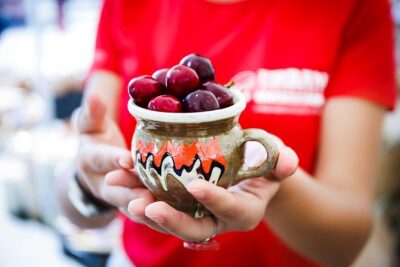
Taste Bucharest: A Food Lover’s Tour of Markets & Neighbourhoods
Read our review →
Discover Bucharest: Private Highlights and Traditional Food Tour
Read our review →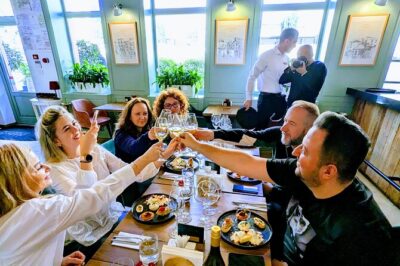
Half-Day Private Food and Wine Walking Tour Oradea Romania
Read our review →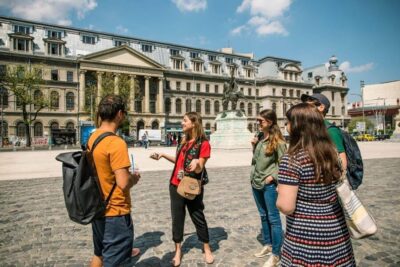
Private Bucharest: History & Food with Traditional Meal
Read our review →

Browse the lists this tour appears in