
REVIEW · TURDA SALT MINE TOURS
Cluj-Napoca: Turda Salt Mine & Alba Carolina Fortress Tour
History takes a sharp turn underground. This private day trip pairs Alba Iulia’s six-pointed Alba Carolina Fortress with Turda Salt Mine, two very different reminders of Transylvania’s past. I like the mix of Roman, medieval, German, Hungarian, and Austrian influences in Alba Iulia, and I like the salt mine’s huge underground chamber, complete with a salt lake and glass elevator. The main drawback is the length: ten hours is a full day, and the fortress walking plus mine stairs may be tiring.
You will have a live English-speaking guide, entrance to Turda Salt Mine, and a bottle of water included. Guides such as Joseph, also called Josif in one booking, have been praised for answering questions about Romanian history, daily life, and culture, but lunch costs extra, about €12 per person. Comfortable shoes are essential, and the mine stays cool all year at 10 to 12 degrees Celsius.
In This Review
- Key points to know before booking
- Why this Alba Iulia and Turda pairing works
- Alba Iulia, where Roman Apulum meets royal Romania
- Walking the six-pointed Alba Carolina Fortress
- A medieval-style lunch break
- Entering Turda Salt Mine after 2,000 years of work
- The salt lake, boat ride, and glass elevator
- Cool temperatures and practical comfort
- What the private guide adds
- Is $274 per person good value?
- Who should book this day trip?
- Should you book the Alba Iulia and Turda tour?
- FAQ
- How long does the Alba Iulia and Turda Salt Mine tour last?
- What is included in the tour price?
- Is lunch included?
- What should I bring?
- Is the tour suitable for wheelchair users?
- Can I cancel the booking?
Key points to know before booking
- Two major sights in one long day: You visit Alba Iulia and Turda Salt Mine on a 10-hour private tour from the Cluj area.
- Alba Carolina is the historical centerpiece: The six-pointed Vauban-style fortress has six decorated entrances and about 12 kilometers of walls.
- Turda’s main chamber is enormous: Galleries cut through ancient salt deposits open into a room reaching about 90 meters in height.
- The guide adds real value: Past bookings praised Joseph or Josif for strong historical explanations, flexibility, hydration reminders, and time to explore independently.
- Lunch is separate: Plan on approximately €12 per person for a meal in a medieval setting.
- Mobility matters: This tour is not suitable for wheelchair users or people with mobility impairments, and pets are not allowed.
Why this Alba Iulia and Turda pairing works
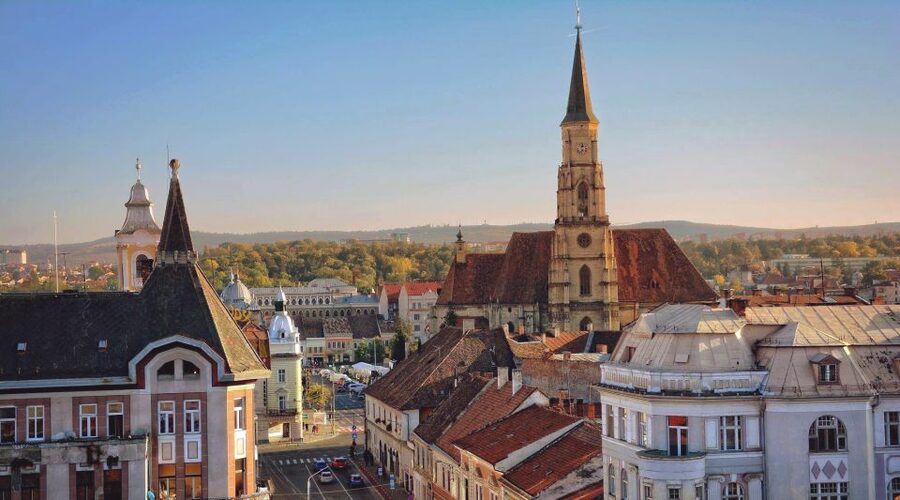
Cluj-Napoca is a good base for exploring central Transylvania, but the best sights are not all inside the city. This excursion takes you west and south to two places with very different moods. Alba Iulia gives you open courtyards, formal gates, churches, and military architecture. Turda takes you below ground into a chilly world shaped by salt mining.
I like that the day is not built around one repeated type of sightseeing. After several hours of walls and historic buildings, the salt mine changes the pace completely. You move from broad outdoor spaces and layered political history to dark galleries, echoing chambers, and strange underground geometry.
The private-group format also matters. You are not tied to a large crowd, and the guide can respond to your questions. One past participant specifically appreciated a guide who worked around a personal schedule. That kind of flexibility is useful on a demanding day, especially if you want more explanation at one stop and less at another.
Still, you should set realistic expectations. The tour lasts ten hours, and the itinerary covers two substantial attractions. It is not a gentle café-and-stroll outing. If you prefer slow travel with lots of unscheduled time, this may feel packed.
More salt mine trips:
- Cluj: Turda Salt Mine, Corvin Castle, Alba Carolina Tour
★ 4.8 · 184 reviews - From Cluj: Turda Salt Mine, Gorge, and Remetea Full-Day Trip
★ 5.0 · 84 reviews - Turda salt mine 4h tour from Cluj
★ 5.0 · 73 reviews
Alba Iulia, where Roman Apulum meets royal Romania
The first major stop is Alba Iulia, a city in the heart of Transylvania with layers of Roman, medieval, German, Hungarian, and Romanian influence. The Roman name Apulum points to the city’s early strategic role. It grew around what became the largest Roman castrum in the area, a reminder that this was important long before the present fortress took shape.
Your guide can help turn those layers into a readable story. Without context, Alba Iulia can look like a collection of attractive churches, gates, and walls. With context, the city becomes a record of changing power. Roman military control came first, followed by medieval development and later Habsburg-era military planning.
The architecture reflects that mixture. You may see Baroque and Romanesque churches, Roman remains, and a building described as Babylonian in style. These contrasts are part of the appeal. Alba Iulia does not present one tidy architectural identity. It shows how different rulers and communities left their mark.
I would listen closely during this portion of the tour. The strongest guide feedback focused not only on facts about buildings, but also on explanations of Romanian people, customs, and the wider country. That is where a private guide can be more useful than a sign beside a gate.
Walking the six-pointed Alba Carolina Fortress
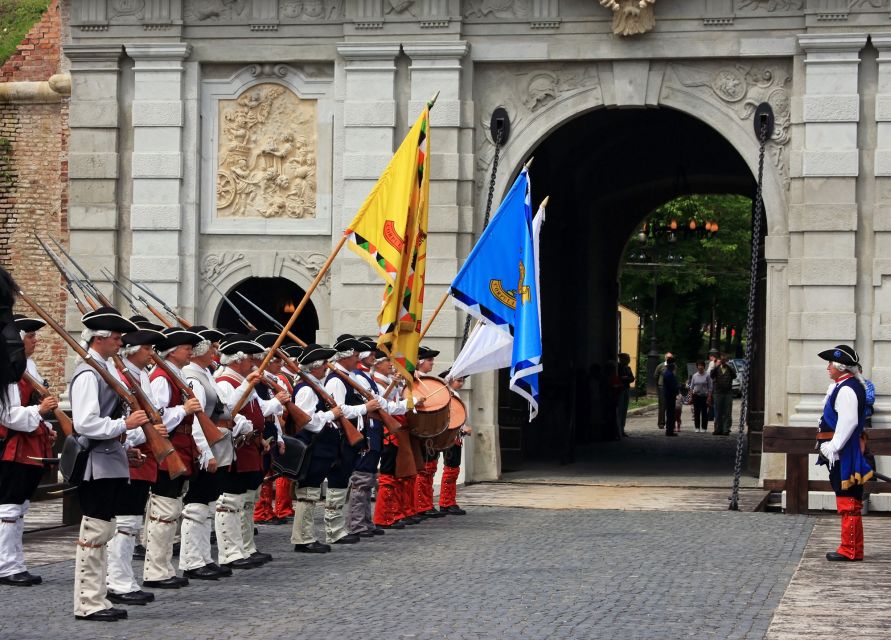
Alba Carolina Fortress is the major reason to visit Alba Iulia. It is Romania’s largest fortress, built in the form of a six-pointed star and surrounded by approximately 12 kilometers of walls. The scale is easy to underestimate until you begin moving through its gates and courtyards.
The fortress has passed through several military phases. It began as a Roman fort, became a medieval fortress, and was later rebuilt as a Vauban-style citadel with bastions. That sequence gives you three periods of military design in one place. The fortress is not merely an old wall with a nice view. Its shape reflects the changing methods of defense.
All six entrances have Baroque decorative features associated with European military architecture. As you move between them, look for the contrast between practical defense and formal display. These were working entrances, but they were also designed to project order and authority.
The fortress has symbolic importance in Romania because it sits near the center of the country, with the Carpathian Mountains around it. It is also linked with the coronation of Romanian kings. That makes the visit useful for understanding national identity, not just military construction.
You will walk outdoors, so weather can affect this part of the day. The supplied information does not specify how much time is spent on foot, but the fortress area and its long walls make comfortable footwear a sensible choice. I would also avoid treating the stop as a quick photo break. The details are in the gates, proportions, and changing views across the fortification.
A medieval-style lunch break
After the fortress visit, lunch is planned in a medieval atmosphere. The meal is not included, so allow about €12 per person. That price is an estimate rather than a fixed meal package, and your personal expenses remain your responsibility.
I like the timing of a meal here because it breaks up a physically active day. You can warm up, sit down, and ask your guide about what you have seen before heading to the salt mine. The phrase medieval atmosphere describes the setting, not a guarantee of a particular menu, so you should think of this as a themed pause rather than a staged historical performance.
Because lunch is separate, bring a payment method that works for your needs and keep a little flexibility in your budget. The tour includes a bottle of water, and one guide was praised for making sure the group stayed hydrated. Even so, a long day of walking calls for sensible planning.
More Cluj Napoca trips:
- Curly Tour – Day trip from Cluj 🙂
★ 5.0 · 330 reviews - Cluj-Napoca: 2.5-Hour Guided Walking Tour
★ 4.8 · 104 reviews - Turda Salt Mine, Corvin Castle and Alba Fortress from Cluj
★ 5.0 · 65 reviews - Turda Salt Mine 4h guided tour from Cluj
★ 4.9 · 45 reviews
Entering Turda Salt Mine after 2,000 years of work
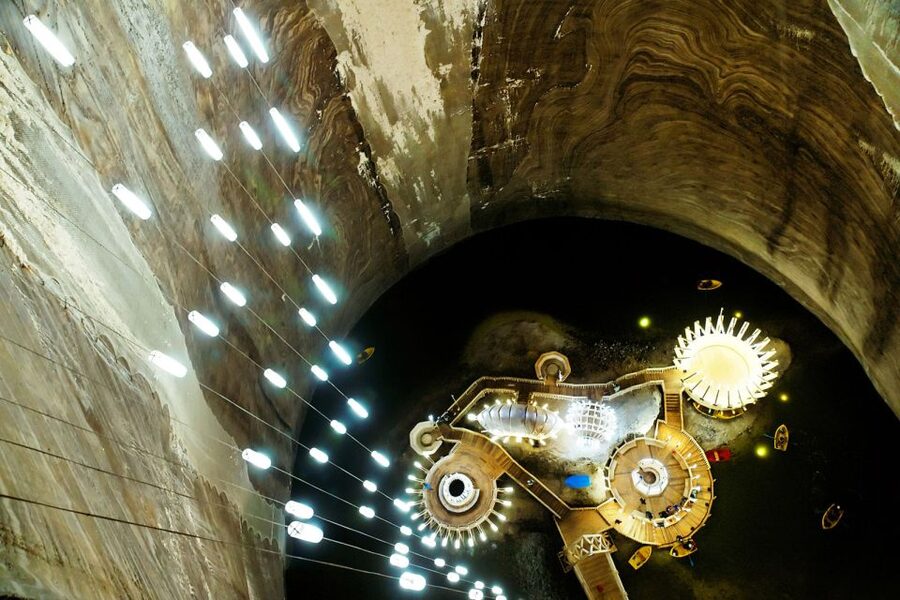
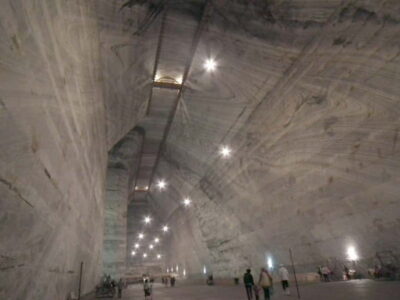
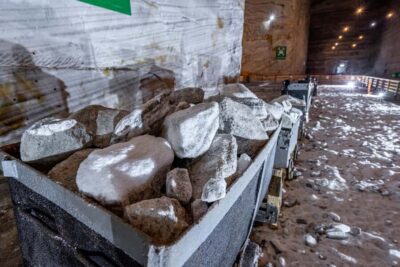
Turda Salt Mine changes the tone of the excursion at once. Salt deposits in the area formed about 13 million years ago, and roughly two thousand years of mining helped create the galleries and chambers you see today. The mine is both a natural formation and a record of human labor.
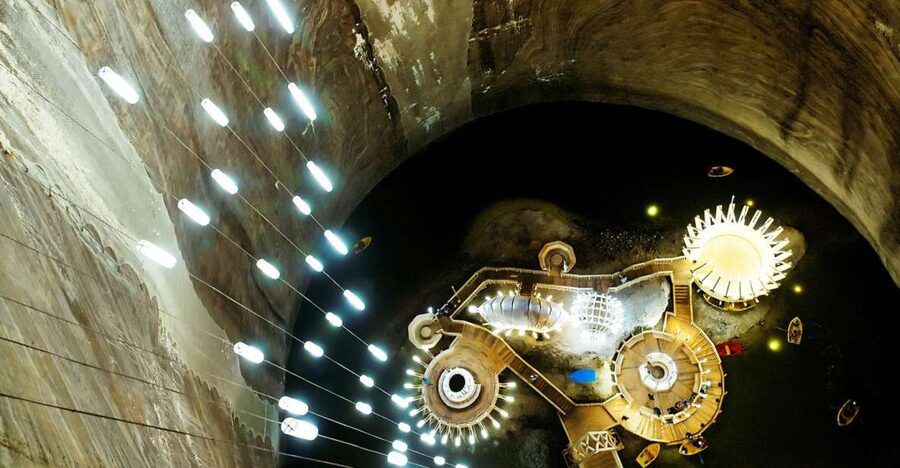
The access galleries extend for about a hundred meters before opening into a huge chamber carved in salt. Its height reaches approximately 90 meters, which gives the main space a dramatic sense of scale. You are not simply looking at a tunnel. You are entering a room on the scale of a large building, but underground and shaped by mining.
This is the kind of place where a guide’s explanation helps. Salt mining is not immediately obvious from the walls alone, and the tour provides historical context for the work that created the mine. Ask questions if you want to understand how the mine changed over time, rather than rushing straight toward the most striking view.
The mine is also visually unusual. Salt walls, deep shadows, open voids, and the artificial lighting can produce memorable photographs. You should bring a camera if you enjoy unusual interiors, but keep your footing and the group’s pace in mind. The setting is impressive because it feels so unlike the world above, not because it has been dressed up like a museum set.
The salt lake, boat ride, and glass elevator
One of Turda’s special features is the salt lake in the central chamber. You can enjoy a boat ride on it, adding a gentle activity to a visit that otherwise involves walking through underground galleries.
The boat ride is a highlight, but you should not assume it will turn the mine into an amusement park. The main appeal remains the space itself, its height, its salt surfaces, and the sense of work required to carve it out. The boat is a memorable extra, not the entire reason to visit.
A glass elevator provides an overview of the mine. This changes your perspective from ground level to a broader view across the chamber. If you dislike heights or enclosed vertical spaces, you may want to tell your guide. The supplied details do not specify how long the elevator ride lasts or how much waiting may be involved.
Together, the lake and elevator give you two useful viewpoints. The boat puts you inside the chamber at a lower level, while the elevator lets you see its size from above. That variety helps justify the mine’s place on a full-day itinerary.
Cool temperatures and practical comfort
Turda Salt Mine stays between 10 and 12 degrees Celsius throughout the year. That is welcome on a hot summer day, but it can feel cold after several hours outside or if you are dressed for warm weather.
Bring a light jacket or sweater, even if Cluj and Alba Iulia are sunny. Comfortable shoes are listed as essential, and I would take that advice seriously. You may be walking through galleries and across large interior areas, and the tour is not suitable for people with mobility impairments or wheelchair users.
The mine’s salty air is described as having therapeutic properties, especially for people with respiratory problems. Treat that as a feature of the environment, not as medical treatment. If you have a respiratory condition, you should rely on medical advice rather than expecting a sightseeing visit to help.
Pets are not allowed. A passport or ID card is listed among the things to bring, so keep an accepted identity document with you during the day.
What the private guide adds
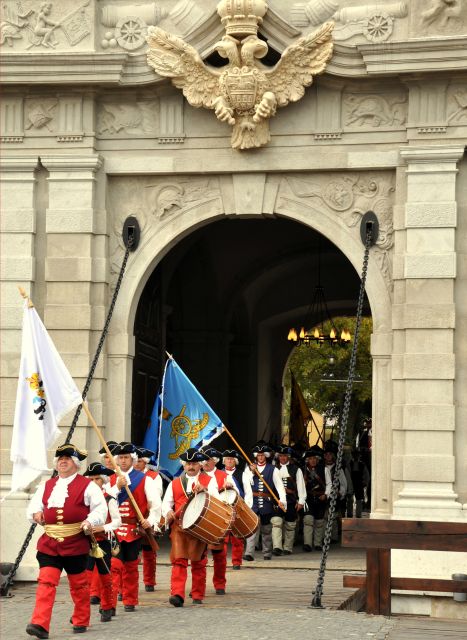
The guide is one of the strongest reasons to consider this tour instead of trying to connect both sights alone. The day crosses several periods and cultural influences, and the sites are more rewarding when the links are explained clearly.
Past bookings praised guides for high levels of information, clear organization, and the ability to answer questions beyond the scheduled sights. One participant described a history-major guide who adjusted the day to fit a personal schedule. Another appreciated receiving enough independent time instead of being talked at every minute.
That balance is important. A good guide should explain the Roman role of Apulum, the fortress’s Vauban design, and the salt mine’s long working life, then give you room to look, photograph, and absorb the place. The feedback connected Joseph or Josif with that mix of attention, enthusiasm, and personal care.
English is the standard guide language. German and French-speaking guides may be available on request, while the activity information lists English as the live tour language. Confirm language needs before booking if that distinction matters to you.
Is $274 per person good value?
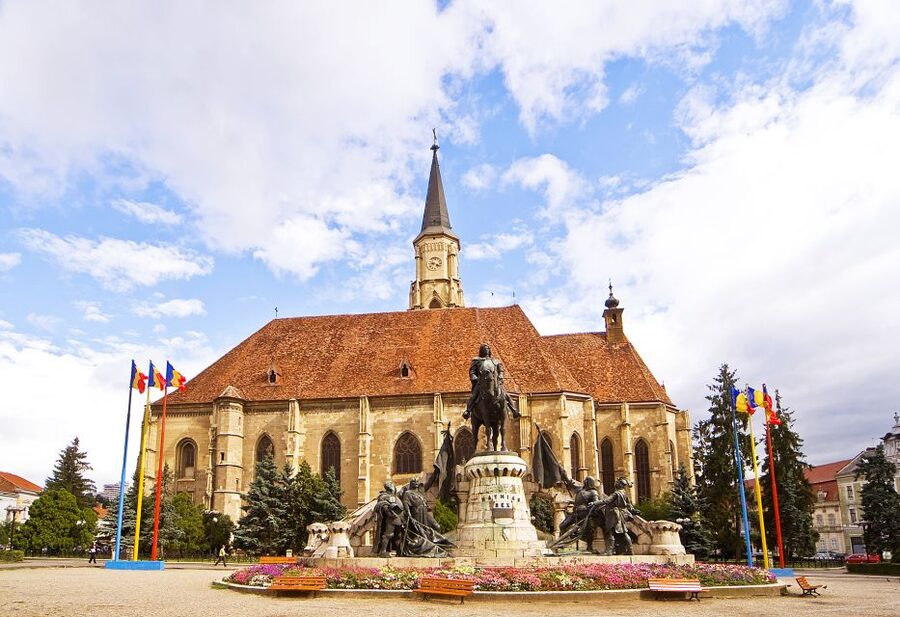
At $274 per person, this is not a bargain-priced sightseeing outing. The cost needs to be judged against the private format, a full ten-hour day, an English-speaking guide, and the Turda Salt Mine entrance fee.
Lunch is not included, and personal expenses are extra. The available details do not provide a full breakdown of transportation costs, so I would confirm exactly what is covered in your booking before paying. The itinerary clearly involves meeting the guide in the morning and traveling to both Alba Iulia and Turda, but the practical transport details are worth checking.
For one or two people who value private guiding and want both sites in one day, the price may make sense. You are paying for time, coordination, and direct access to a guide who can explain more than the basic facts. For a larger group, the private arrangement may be easier to justify if the per-person price is based on your exact party size.
I would not choose this tour solely for the included bottle of water or mine admission. Its value comes from the combination of two difficult-to-pair sights and the chance to ask questions throughout the day. If you already have easy access to transportation and prefer exploring independently, you may find the price harder to justify.
Who should book this day trip?
I would recommend it to you if you want a strong historical outing from Cluj-Napoca and do not mind a full schedule. It suits people who enjoy military architecture, Roman history, unusual industrial sites, and guides who can discuss Romanian culture as well as monuments.
It is also a good match for first-time visitors to Transylvania who want more than city sightseeing. Alba Iulia gives you political and architectural context, while Turda offers a physical experience you cannot get from a textbook or standard museum.
I would hesitate if you have limited stamina, mobility impairments, or a strong dislike of underground spaces. The tour is not suitable for wheelchair users, and the combination of fortress walking, travel, and mine access can make ten hours feel long.
Free cancellation is available up to 24 hours in advance for a full refund, and you can reserve now and pay later. Those terms help if your schedule is still changing, but they do not make the day shorter or easier physically.
Should you book the Alba Iulia and Turda tour?
Book it if you want two of central Romania’s most distinctive sights in one private day, especially if clear history and personal questions matter to you. Alba Carolina is a serious fortress with Roman, medieval, and Vauban layers, while Turda is a remarkable underground space with a salt lake, boat ride, and glass elevator.
Skip it if you want a slow day, dislike long excursions, or need step-free access. For the right visitor, the price buys a well-guided, varied experience rather than a simple transfer between attractions. Wear good shoes, bring a warm layer for the mine, budget for lunch, and be ready for a long but rewarding day.
FAQ
How long does the Alba Iulia and Turda Salt Mine tour last?
The tour lasts 10 hours and begins in the morning. Check availability for the specific starting time.
What is included in the tour price?
The tour includes an English-speaking guide, entrance fees to Turda Salt Mine, and a bottle of water. German and French-speaking guides may be available on request.
Is lunch included?
No. Lunch is not included and costs approximately €12 per person. Personal expenses are also separate.
What should I bring?
Bring a passport or ID card and comfortable shoes. A warm layer is also sensible because the salt mine remains between 10 and 12 degrees Celsius year-round.
Is the tour suitable for wheelchair users?
No. The experience is not suitable for wheelchair users or people with mobility impairments.
Can I cancel the booking?
You can cancel up to 24 hours in advance for a full refund. You can also reserve now and pay later, keeping your plans flexible.
Just added in Cluj Napoca
- Turda salt mine and Corvin Castle day tour from Cluj★ 5.0 · 9 reviews
- Private tour to Turda Salt Mine, Rimetea and Alba Iulia★ 4.8 · 5 reviews
- Turda Salt Mine, Gorge & Rimetea Village (private from Cluj)★ 5.0 · 5 reviews
- Cluj to Rosia: Day Trip to Ferrata and pittoresque country★ 5.0 · 1 review
- 7 Day Best of Transylvania Motorcycle Tour from Cluj★ 5.0 · 4 reviews
- Via Ferrata Transylvania★ 5.0 · 1 review
- Discover Apuseni Mountains – Scarita Summit,Sipote Waterfall and Dumesti Village★ 5.0 · 17 reviews
- Turda salt mine, Rimetea village and Alba Iulia, from Cluj★ 5.0 · 11 reviews
Turda Salt Mine Tours, compared.
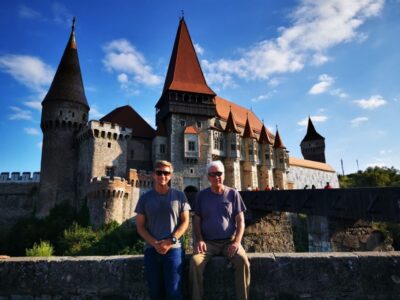
Turda Salt Mine, Corvin Castle, Alba Carolina Tour
Read our review →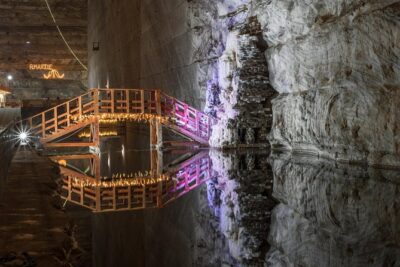
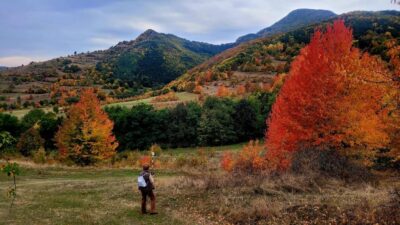
Turda Salt Mine, Gorge, and Remetea Full-Day Trip
Read our review →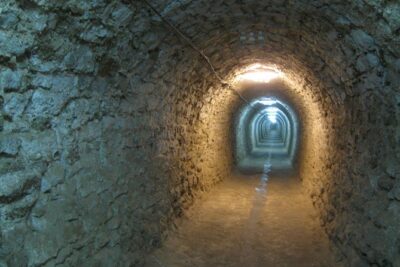
Turda Salt Mine, Corvin Castle and Alba Fortress from Cluj
Read our review →
Private Tour to Salt Mine, Lunch at Winery and Dracula Grave
Read our review →Browse the lists this tour appears in