
REVIEW · 3-DAY EXPERIENCES
The essence of Saxon Transylvania – 3-day tour of its citadels
Medieval Romania packs a lot into three days. This private tour links Sibiu, Sighisoara, and Brasov with Bran Castle, Peles Castle, Biertan fortified church, and a string of Saxon villages, giving you a clear look at how religion, rival powers, trade, and royal ambition shaped Transylvania. I especially like the mix of famous sights and smaller stops, and I like that the tour connects Vlad the Impaler with real places instead of treating Dracula as the whole story. The main drawback is the pace: three days cover a great deal of ground, so some visits may feel brisk.
You travel in an air-conditioned vehicle with private transportation, two nights in a superior three-star hotel or guesthouse, and breakfast included. Guides Gelu and Vlad received especially warm praise for their English, historical knowledge, and storytelling, with one family recalling a memorable late-October drive on the Transfagarasan route after Sibiu. That route is not part of the fixed schedule described here, so treat it as a reminder of the guides’ ability to add local context, not as a promised stop.
In This Review
- Key Points Before You Book
- Why This Route Works for a First Look at Transylvania
- Day One: Cozia Monastery and the First Streets of Sibiu
- Day Two: Biertan’s Fortifications and Sighisoara’s Citadel
- Saschiz and Rupea: The Views Between Major Stops
- Day Two Evening: Brasov’s Gothic Center and Tight Medieval Streets
- Day Three: Rasnov, Bran, and the Real Dracula Question
- Peles Castle: Royal Luxury After Medieval Stone
- What the $914.51 Price Really Covers
- Who Will Enjoy This Tour Most
- Booking Details and Cancellation Terms
- FAQ
- Where does the tour begin?
- How long does the experience last?
- Is this a private tour?
- Which cities are visited?
- Which castles are included?
- Is Biertan fortified church included?
- Are meals included?
- Is transportation included?
- What is the cancellation policy?
- Should You Book This Three-Day Route?
Key Points Before You Book
- Saxon Transylvania in one compact route: See Sibiu, Sighisoara, and Brasov, the region’s best-known medieval cities.
- Three major castle experiences: Compare Bran’s defensive medieval role with the royal luxury of Peles and the distant view of Rasnov Fortress.
- A UNESCO-focused second day: Biertan, Sighisoara, and the visible Saschiz church all show the lasting mark of Saxon settlement.
- Private touring: Your group travels alone, which allows the guide to explain details at a more personal pace.
- A useful Dracula reality check: Sighisoara connects directly to Vlad the Impaler, while Bran’s link to Count Dracula belongs mainly to later legend.
- Price includes the practical basics: The $914.51 per-person cost covers transportation, entrance fees, accommodation, breakfast, and taxes, but not meals or photo fees.
Why This Route Works for a First Look at Transylvania
This tour is built around contrast. You move from a medieval monastery to German-founded towns, from fortified churches to royal palaces, and from the severe stone walls of Bran to the decorative interiors of Peles.
That range matters because Transylvania is not just a Dracula destination. The route shows you how religious communities protected themselves, how commercial towns grew, and how Romanian royalty later presented the country as a modern European state.
You also get a useful geographical progression. The first day runs from Bucharest through the Olt River Valley to Sibiu. The second crosses old Saxon villages and forested roads toward Sighisoara and Brasov. The final day heads to Bran and Sinaia before returning toward Bucharest.
Because this is a private activity, only your group participates. That is a real advantage when you want to ask about local customs, architecture, or the complicated relationship between Romanian, German, Hungarian, and imperial influences. It also means the value depends heavily on the guide. Gelu’s strong reputation for clear English and lively anecdotes is encouraging, as is the praise directed at Vlad.
More Transylvania trips:
- Transylvania and Dracula Castle Full Day Tour from Bucharest
★ 4.5 · 1,589 reviews - Castles of Transylvania: Private Day Trip from Bucharest
★ 4.5 · 248 reviews - 2-Day Transylvania from Bucharest: Brasov, Bran, Sighisoara
★ 5.0 · 60 reviews
Day One: Cozia Monastery and the First Streets of Sibiu
Pickup begins at your Bucharest hotel or the airport. The drive through the Olt River Valley gives the tour a scenic opening rather than sending you straight from one city to another.
Cozia Monastery is the first stop. Founded in 1388 by Mircea the Elder, it links the trip’s first religious site to the later Dracula story because Mircea was Vlad the Impaler’s grandfather. That family connection gives the visit more meaning than a quick photo stop.
The monastery visit lasts about 30 minutes, and admission is free. You should see it as a short historical pause rather than a full morning sightseeing session. The tour description does not promise an extended interior visit or a detailed religious program, so your guide’s explanation will be important here.
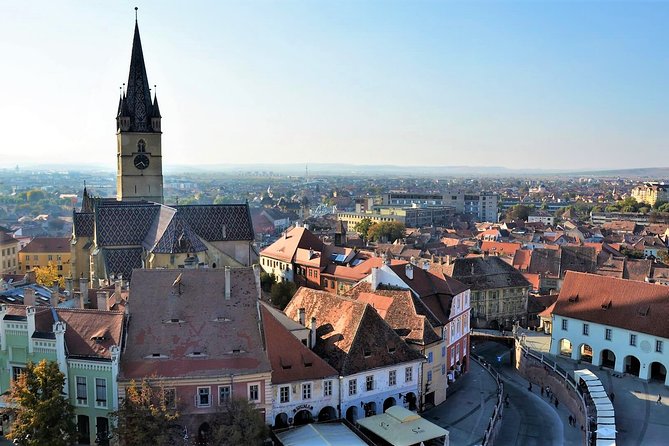
After a quick lunch and a short rest, you continue to Sibiu. The city was one of the main centers of Saxon settlement in Transylvania, and its old center gives you the first full taste of the region’s architecture.
The guided visit lasts about two hours. You climb the medieval stairs of the Council Tower for a view over Sibiu, then walk through the Grand Square, Small Square, and Albert Huet Square. Albert Huet Square is identified as the oldest of the three, dating from the 12th century.
The city’s churches add another layer. The Orthodox Cathedral offers a chance to consider similarities with Saint Sofia’s Basilica in Constantinople, while the Evangelical Church represents the strong Lutheran presence associated with the Saxon communities.
I like this pairing because it avoids presenting religion as one simple tradition. In Sibiu, you see Orthodox and Evangelical buildings in the same city, each tied to a different community and period.
The drawback is timing. A two-hour old-city tour can introduce Sibiu well, but it will not allow for every museum, interior, or quiet side street. If you want a long café stop or independent shopping time, you may need to use your evening carefully.
Day Two: Biertan’s Fortifications and Sighisoara’s Citadel
The second day is the heart of the tour for anyone interested in Saxon Transylvania. From Sibiu, the road follows the Hartibaciu Valley toward Sighisoara, passing old Saxon villages and forested stretches.
The countryside matters here. You are not only moving between attractions. You get glimpses of village life in places that are no longer medieval showpieces, but ordinary communities with older buildings, churches, roads, and daily routines.
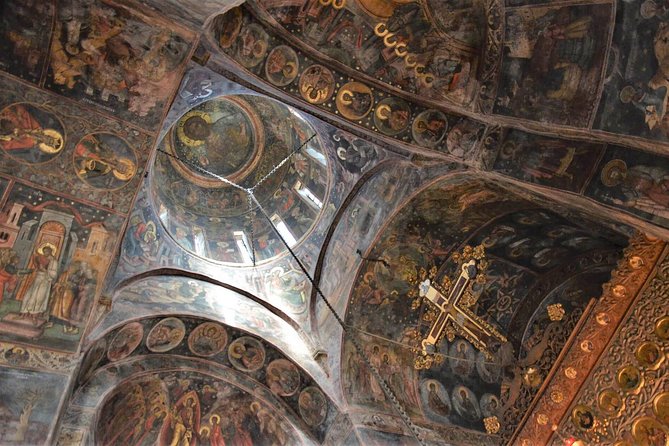
Biertan fortified church is the first major stop. The village served for centuries as the seat of the Lutheran bishopric, which helps explain the unusually strong defenses around the church.
Construction took place from 1486 to 1524. Inside and around the church, you can expect defensive walls, a fine nave ceiling, and a collection of tombstones belonging to former bishops and local notables. The visit lasts about an hour, and admission is included.
Biertan is a particularly useful stop because it explains why churches in this part of Europe could look like fortresses. Religious buildings were also places of refuge and community protection, shaped by conflict and competition between powers.
The tour then continues to Sighisoara, a UNESCO-listed medieval citadel. Allow about two hours for the visit, which includes the Clock Tower, Church on the Hill, the covered stairs, fortifications, and defensive towers.
Sighisoara is the sort of place where orientation helps. The Clock Tower is an obvious reference point, while the Church on the Hill and the stairs require more uphill walking. The route includes historic defenses rather than only polished central streets, so comfortable shoes are sensible.
This is also where the Dracula story needs careful handling. Sighisoara was the birthplace of Vlad the Impaler, the historical ruler later connected to Dracula. That fact is more grounded than the popular image of a vampire count, and a good guide can help you separate the medieval prince from the fictional character.
The city visit is followed by lunch before the drive to Brasov. Since meals are not included, you should budget separately for lunch and dinner throughout the tour. The schedule gives you a chance to eat in Sighisoara, but the exact restaurant and menu are not specified.
Saschiz and Rupea: The Views Between Major Stops
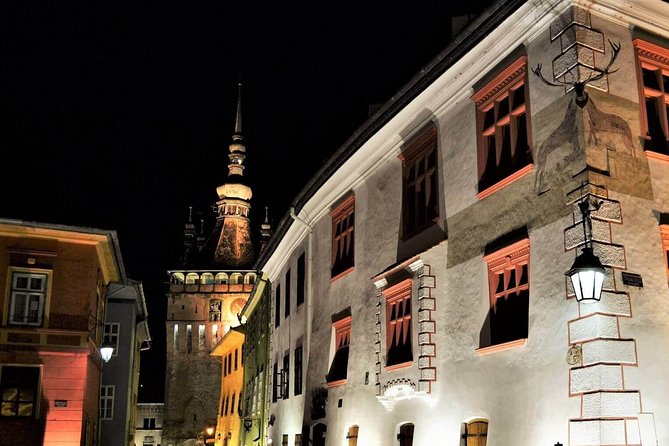
The road from Sighisoara to Brasov includes two important sights seen from the vehicle rather than scheduled as full visits.
First comes Saschiz fortified church, another UNESCO World Heritage monument. Built at the end of the 15th century, its tower resembles Sighisoara’s Clock Tower. Even from a distance, the comparison helps you recognize a shared architectural tradition across Saxon settlements.
You also catch sight of Rupea Fortress, one of Romania’s oldest fortifications. It was built over earlier Roman and Dacian fortifications, which gives the site a long sequence of occupation and defense.
These drive-by views are useful, but you should not expect the same experience as at Biertan or Sighisoara. If Saschiz or Rupea is a personal priority, ask the operator before booking whether the route or timing can be adjusted. The published schedule describes them as sights viewed along the way, not extended stops.
A few more Bucharest days worth comparing
- Bucharest: Dracula’s Castle, Peles Castle, & Brasov Old Town
★ 4.5 · 17,858 reviews - Bucharest: Dracula Castle, Peles Castle & Brasov Old Town
★ 4.6 · 10,891 reviews - Bucharest: Dracula’s Castle, Peleș Castle & Brașov Day Trip
★ 4.5 · 5,919 reviews - Bucharest: Palace of Parliament Tickets and Guide
★ 4.3 · 3,182 reviews
Day Two Evening: Brasov’s Gothic Center and Tight Medieval Streets
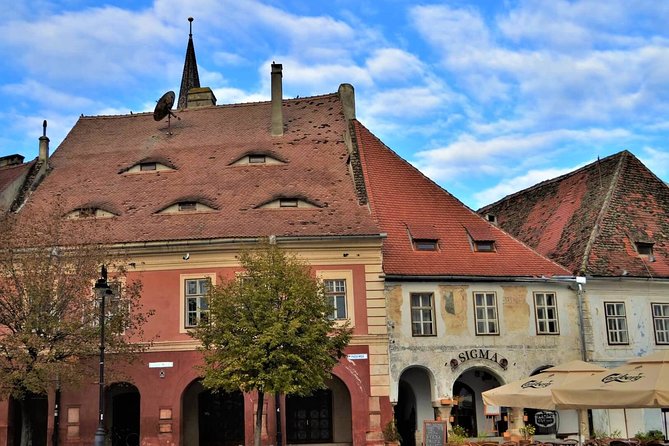
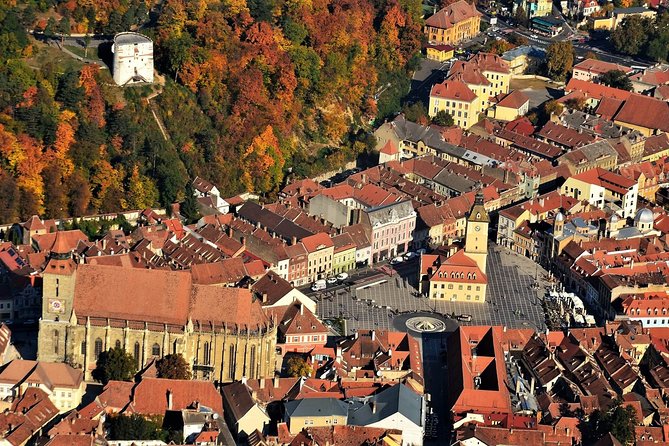
After check-in, the tour continues through Brasov’s historic center for about two hours. The city grew around an original fortress established in 1211 by the Teutonic Knights, followed later by German settlers after a dispute between the knights and the king.
Brasov’s past also includes a major industrial period, which helped draw people from across Romania. That gives the city a different feel from Sighisoara. It is not only a preserved citadel, but also a larger urban center with a broader modern life.
The Black Church is the main architectural highlight. This 14th-century Gothic monument gives the walking tour a powerful interior and exterior focal point, while the surrounding fortifications, bastions, and towers help explain how the medieval city defended itself.
Rope Street adds a touch of oddness to the visit. It is famously narrow and is often described as one of the narrowest streets in the world. It is a small feature, but it makes a good counterpoint to the grand church and defensive works.
A two-hour walk is enough to cover the core sights, though you may want extra free time if you prefer slow photography or independent wandering. The schedule does not state how much time remains after the guided visit, so the guide can clarify this when you arrive.
Day Three: Rasnov, Bran, and the Real Dracula Question
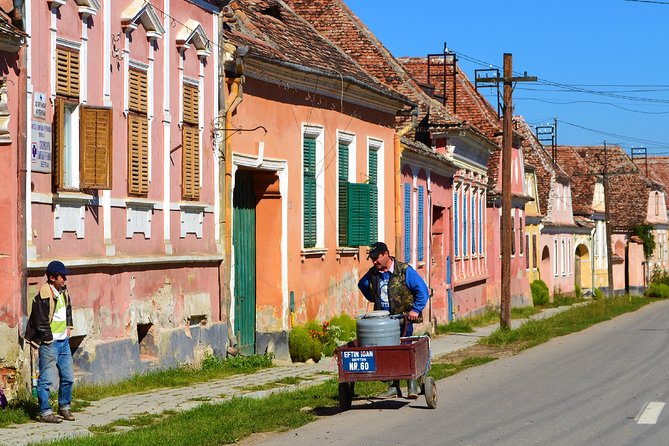
On the way from Brasov to Bran, you see Rasnov Fortress from afar. The fortress dates from the 13th century and may relate to the short period when the Teutonic Knights ruled the area around Brasov, from 1211 to 1225.
Again, this is a view rather than a full fortress visit. That distinction matters. Rasnov is part of the story, but Bran Castle receives the main amount of time.
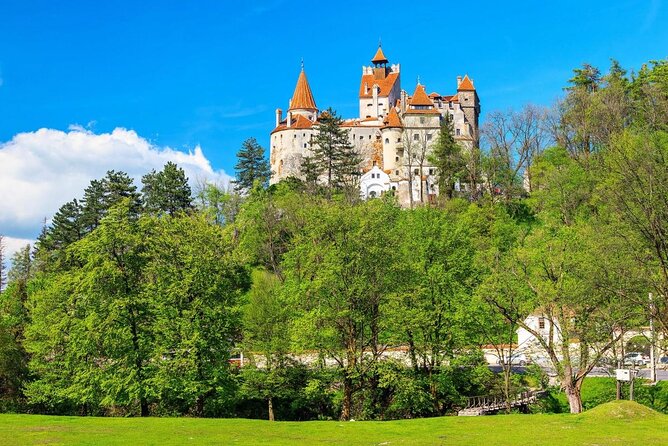
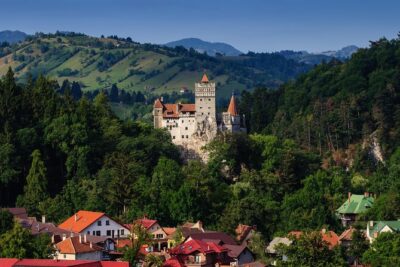
Bran Castle was built in the 14th century to guard a strategic commercial route between Wallachia and Transylvania. Its position on a high rock, with steep protection on three sides, explains why it became such a memorable defensive site.
The Dracula connection came later through popular identification with Count Dracula. Bran is the place most strongly marketed as Dracula’s Castle, but the tour’s wider context helps you see the difference between the building’s military purpose and the fictional legend attached to it.
You have about two hours at Bran, with admission included. That should allow a meaningful visit, but the castle’s fame can make it the busiest-feeling stop in the itinerary. If your main goal is serious medieval history, focus on the route, defensive position, and relationship between Wallachia and Transylvania rather than expecting a literal vampire story.
This is one of the tour’s best teaching moments. You can enjoy the legend without confusing it with Vlad the Impaler’s birthplace in Sighisoara or with the castle’s original role.
Peles Castle: Royal Luxury After Medieval Stone
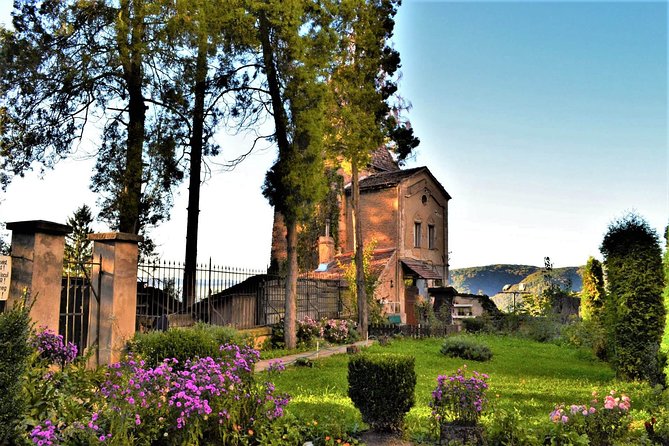
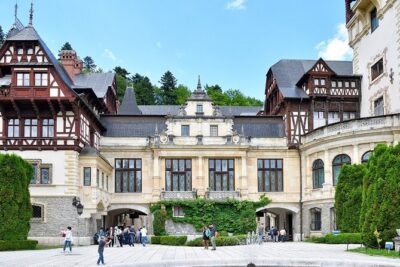
The final major stop is Peles Castle in Sinaia, reached in the early afternoon. Built at the end of the 19th century, Peles could hardly differ more from Bran.
Bran is a medieval defensive stronghold. Peles is a royal residence created during Romania’s modernization under Carol I of Hohenzollern-Sigmaringen, the country’s first king and a ruler of German origin.
Carol I ruled for 48 years and was deeply committed to modernizing Romania. The description of him as wearing the crown even while sleeping gives you a sense of a sober, disciplined monarch. The castle’s flamboyant appearance creates an amusing contrast with that personality.
You have about two hours at Peles, with admission included. The visit gives the tour a strong final chapter because it shifts from fortified religion and medieval trade to monarchy, national ambition, and European style.
I like the contrast between the castles. Bran asks how people protected a route. Peles asks how a king wanted Romania to present itself. Put together, they show two very different uses of architecture and power.
What the $914.51 Price Really Covers
At $914.51 per person, this is not a budget bus tour. The price needs to be judged against what is bundled into a private three-day trip.
Included are private transportation, an air-conditioned vehicle, all fees and taxes, two nights of accommodation in a superior three-star hotel or guesthouse, and breakfast. Entrance fees for Biertan, Sighisoara, Brasov, Bran, and Peles are included as described.
Meals are not included, and neither are photo fees. You should set aside money for lunches, dinners, and any charges connected with photography at individual sights.
The private format adds value if you want direct access to a guide and a schedule built around your own group. It is less compelling if you mainly want the cheapest way to transfer between cities.
Group discounts are offered, which may improve the per-person value for families or friends traveling together. Confirmation is provided at booking, pickup is available from a Bucharest hotel or the airport, and mobile tickets make the arrangements easier to manage.
The accommodation category is superior three-star, but the specific hotel or guesthouse is not named. If room location, bed setup, or hotel facilities matter to you, ask before paying.
Who Will Enjoy This Tour Most
I would recommend this experience to a first-time visitor who wants the major Transylvanian sights without planning several hotel changes alone. It suits people who value context and guided walks more than long stretches of free time.
It is also a strong match for anyone curious about the Saxon legacy, fortified churches, and the relationship between Romanian rulers and German communities. The route gives you more substance than a castle-only trip.
Families can benefit from the private format, especially if everyone wants to move at the same pace. The tour information says most travelers can participate, and service animals are allowed.
You should think twice if you dislike long road journeys, quick lunches, or a tightly arranged schedule. The tour covers a large area in three days, and several sights, including Saschiz and Rupea, are viewed only from the road.
The strongest praise for Gelu and Vlad centers on English, historical knowledge, and entertaining anecdotes. That matters here because the itinerary is packed with names, dates, rulers, religions, and legends. Ask whether one of them will guide your departure before booking if that personal connection is important to you.
Booking Details and Cancellation Terms
The tour operates daily from 8:00 AM to 8:00 PM during the stated operating period, from July 1, 2020 through June 18, 2026. Pickup is offered from your Bucharest hotel or the airport.
You can cancel for a full refund at least six full days before the local start time. Cancellation two to six full days ahead receives a 50 percent refund, while cancellation less than two full days before departure receives no refund. Changes inside the two-day window are not accepted.
FAQ
Where does the tour begin?
Pickup is offered from your hotel in Bucharest or from the airport.
How long does the experience last?
The tour lasts approximately three days and includes two nights of accommodation.
Is this a private tour?
Yes. Only your group participates in the activity.
Which cities are visited?
The route includes Sibiu, Sighisoara, and Brasov.
Which castles are included?
The scheduled castle visits are Bran Castle and Peles Castle. Rasnov Fortress is viewed from afar during the drive.
Is Biertan fortified church included?
Yes. Biertan fortified church is visited for about one hour, and admission is included.
Are meals included?
No. Meals are not included, although breakfast is included with the two nights of accommodation.
Is transportation included?
Yes. Private transportation in an air-conditioned vehicle is included.
What is the cancellation policy?
A full refund is available when you cancel at least six full days before the start time. Cancellation two to six full days ahead receives a 50 percent refund. Cancellations less than two full days before the start time are not refunded.
Should You Book This Three-Day Route?
Book it if you want a well-connected introduction to Transylvania with private transportation, major entrance fees, accommodation, and guides who can explain the difference between medieval fact and Dracula fiction.
The best parts are the variety and the historical links: Cozia connects to Mircea the Elder, Sighisoara connects to Vlad the Impaler, Biertan explains fortified Lutheran communities, and Peles shows Romania’s later royal ambitions. The main compromise is speed. You will see a great deal, but you will not have unlimited time in each place.
For a first visit from Bucharest, that trade-off is reasonable. You get the classic cities, the most famous castles, a UNESCO church, Saxon villages, and a guide-led explanation of what ties them together. Just budget for meals and photo fees, confirm the accommodation and guide details, and accept that this is a focused overview rather than a slow, stay-in-one-town holiday.
Just added in Bucharest
- Bucharest: Dealu Mare Winery Private Trip with Wine Tasting★ 4.9 · 6 reviews
- Winery touring & private wine tasting – one day private tour★ 5.0 · 3 reviews
- Village Museum Bucharest Guided Tour★ 5.0 · 6 reviews
- Transylvania Tour: Dracula’s Castle, Peles Palace & Brasov★ 5.0 · 19 reviews
- Transfer Airport Otopeni – Bucharest★ 5.0 · 2 reviews
- Private Transfer Bucharest Otopeni Airport (OTP) to/from Brasov★ 5.0 · 2 reviews
- Bucharest Airport Transfer To Constanta Mamaia★ 5.0 · 3 reviews
- Airport Henri Coanda (Otopeni) to Bucharest – Private Transfer – Driver★ 5.0 · 5 reviews
3-Day Experiences, compared.
3-Day Tour of Transylvania’s Landmarks from Bucharest
Read our review →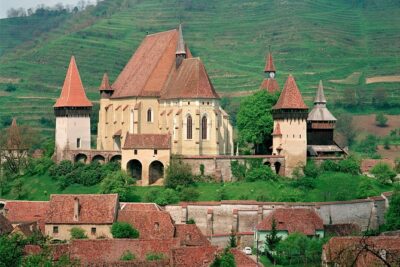
3-Day Private Tour of Medieval Transylvania from Bucharest
Read our review →
3 Days Private Tour in Romania from Bucharest with Tour Guide
Read our review →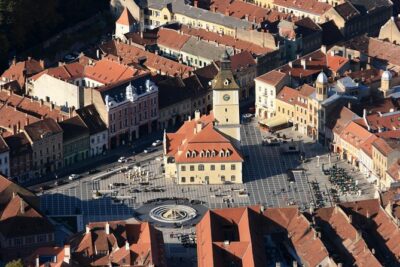
Medieval Transylvania: Shared 3-Day Tour from Bucharest
Read our review →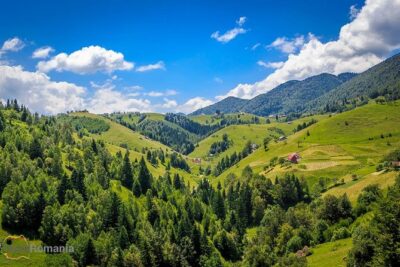
3-Day Tour from Bucharest: Transylvania Villages and Medieval Towns
Read our review →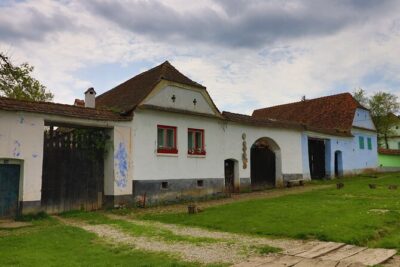
3 Days UNESCO Tour of Transylvania. Private tour from Bucharest
Read our review →Browse the lists this tour appears in