
REVIEW · IASI TOURS
Tour guide in Iasi, Romania
Iasi reveals itself one story at a time. This three-hour walking tour begins at Union Square and uses the city centre as a starting point for understanding Iasi’s changing identity, from its earliest mentions to the major developments of the last 250 years. I like the guide’s focus on stories tied to buildings and people, and I like the small group limit of four participants. The main consideration is that the experience is not designed for children under seven, wheelchair users, or people over 70.
Guide Peter is the heart of the experience. His English and Romanian communication skills, humor, improvisation, and enthusiasm have earned him a 4.9 rating from 14 bookings. The walk stays mostly near the centre, so you can cover several parts of Iasi without spending much of your limited sightseeing time simply walking between them.
In This Review
- Key Points To Know Before You Book
- Beginning In Union Square With A Clear Starting Point
- Following Iasi Through Its Last 250 Years
- Reading The City Through Buildings And Small Stories
- A Route That Keeps Walking Time Under Control
- Why A Four-Person Group Changes The Experience
- Peter’s Communication And Practical Follow-Up
- What The Ratings Tell You About The Experience
- Who Will Get The Most From This Iasi Walk
- Booking Details That Matter
- Should You Book Peter’s Iasi Tour?
- FAQ
- Where does the Iasi walking tour meet?
- How long does the tour last?
- How much does the tour cost?
- How many people can join?
- Which languages are available?
- What does the tour focus on?
- What should I bring?
- Can I cancel or pay later?
Key Points To Know Before You Book

- Start at Alexandru Ioan Cuza’s statue: The meeting point is easy to identify in Piata Unirii, also called Union Square.
- Peter brings history to individual buildings: His approach connects houses, monuments, and famous people with short stories rather than only giving dates.
- The route focuses on the last 250 years: Earlier history is introduced, but the tour gives more detail to the period after the 18th century.
- Small groups make conversation easier: With no more than four participants, you can ask questions and request an itinerary shaped around your interests.
- Expect a three-hour walk near the centre: Comfortable shoes matter, and the route includes time for photographs and some independent exploration.
- The price is $70 per person: That is a fair price if you value a private-feeling experience and personal commentary, but it may feel high if you prefer a quick orientation walk.
Beginning In Union Square With A Clear Starting Point
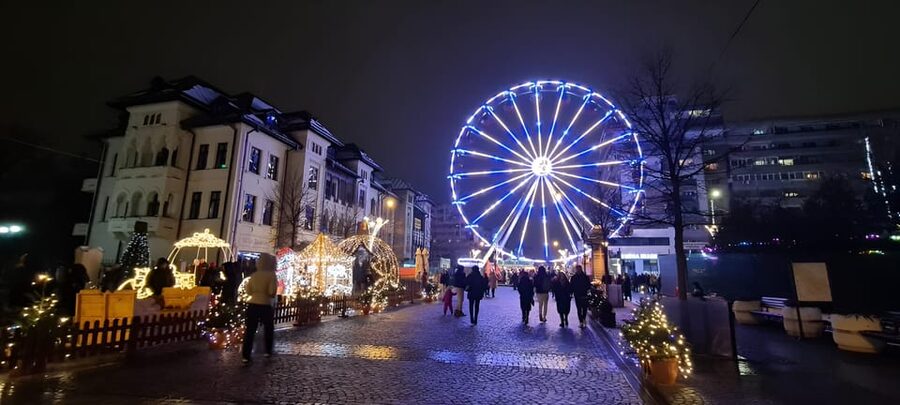
You meet in front of the statue of Alexandru Ioan Cuza in Piata Unirii, or Union Square. This is a useful place to begin because you do not have to search for a small café, hotel entrance, or obscure street corner.
The opening section sets the basic story of Iasi. You will hear when the city was first mentioned, then move toward the events that shaped it through the 17th and 18th centuries. The guide does not pretend that every early detail is certain. Because written proof from the distant past is limited, Peter gives a broad introduction before placing more attention on the better-documented changes of the last 250 years.
I appreciate that approach. Historical tours can become a pile of loose dates, especially in a city with several political and cultural periods. Here, the aim is to give you a usable framework, then show how that framework appears in the streets and buildings around you.
Union Square also helps you get your bearings early. If I were planning a first day in Iasi, I would choose this tour near the beginning of my stay. You can use the walk to recognize the central area and decide which buildings or neighborhoods deserve a closer look later.
A few more Romania days worth comparing
- Day trip to Republic of Moldova – visit Chisinau and Cricova Winery
★ 5.0 · 32 reviews - Day trip from Iasi to the UNESCO Painted Monasteries in Bucovina
★ 5.0 · 26 reviews - Iasi City Tour
★ 5.0 · 12 reviews
Following Iasi Through Its Last 250 Years
The main value of this walk is its time scale. You are not given an isolated story about one monument. Instead, the city is presented as a place that changed through different periods, with each period leaving marks on its streets and architecture.
Peter gives more detail after the 18th century, when the historical record becomes more useful for telling a precise story. That lets him explain how Iasi developed during the last two and a half centuries, while still acknowledging that the earlier account has gaps.
This is a sensible balance for a walking tour. You receive enough early background to understand the city’s age and importance, but the focus remains on what you can actually see during the walk. The buildings become evidence of change, not just scenery behind a lecture.
The tour also appears to give attention to famous people connected with Iasi. Peter has been praised for explaining both monuments and well-known figures with enthusiasm and personal feeling. That matters because a building becomes easier to remember when you understand who used it, who designed it, or what local story is attached to it.
I would not choose this experience if you want a highly academic study of every century. I would choose it if you want a clear, human explanation of how Iasi reached its present form.
Reading The City Through Buildings And Small Stories
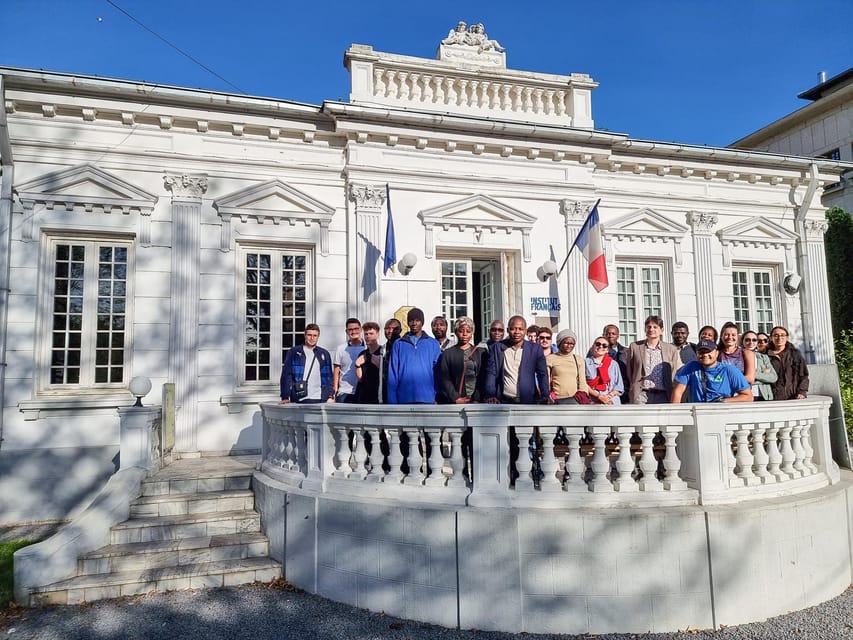
Peter’s strongest quality is storytelling. His style appears to be conversational, with a short story or useful detail connected to many houses and places along the way. That can make a long walking route feel varied.
A standard city tour might point to a building, state its construction date, and move on. This walk aims to give each location a reason to matter. The difference is small but important. You are more likely to remember a building when it comes with a person, a legend, a curious detail, or a change in the city’s fortunes.
His humor also helps. One booking described the tour as interesting partly because of the guide’s enthusiasm and humor. Another praised Peter’s passion when describing a historical monument or famous figure. Those comments suggest a guide who does not rely on a flat delivery.
The mention of improvisation is useful, too. With a group of no more than four people, the conversation can adjust as questions come up. If you are interested in architecture, you can ask for more attention to buildings. If you prefer social history or local personalities, you can steer the discussion in that direction.
That flexibility does have a limit. The exact route is not laid out stop by stop, so you should not book this expecting a fixed checklist of named sights. The benefit is a more personal walk. The tradeoff is less certainty about the exact order and number of stops.
A Route That Keeps Walking Time Under Control
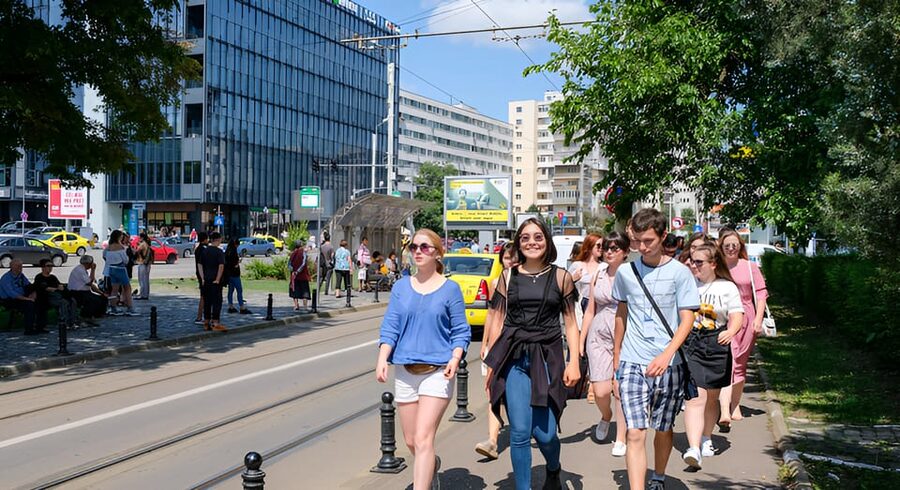
The tour visits different parts of Iasi, but most of the route remains near the city centre. This is good planning for a three-hour experience. You see more than one square or street without using half the tour on long transfers.
You should still expect a proper walking experience. Comfortable shoes are specifically recommended, and that advice is worth taking seriously. Three hours on foot can feel longer if you are wearing shoes chosen for photographs rather than pavement.
The route’s central focus also makes the tour practical for a short stay. You do not need a separate vehicle or a complicated transfer plan. You meet in Union Square, follow the guide through nearby parts of the city, and finish with a better sense of how the centre fits together.
There are photo opportunities at key locations, along with free time for exploration. The free time is important because a guide-led walk can otherwise feel rushed. You may want to take a second look at a façade, make notes, or photograph a detail that Peter has just explained.
The supplied information does not promise entry into museums or historic interiors, so I would plan on seeing the city mainly from the outside. If a particular interior is essential to your visit, ask about it before booking rather than assuming it is part of the route.
A completely different kind of day out:
- Bucharest: Dracula’s Castle, Peles Castle, & Brasov Old Town
★ 4.5 · 17,858 reviews - Bucharest: Dracula Castle, Peles Castle & Brasov Old Town
★ 4.6 · 10,891 reviews - Bucharest: Dracula’s Castle, Peleș Castle & Brașov Day Trip
★ 4.5 · 5,919 reviews - Bucharest: Palace of Parliament Tickets and Guide
★ 4.3 · 3,182 reviews
Why A Four-Person Group Changes The Experience
The group limit is four participants. That is small enough to make the walk feel close to a private tour without requiring you to book an entirely private guide.
I like this format for a history walk. You can hear the guide without fighting street noise or standing at the back of a large crowd. You can also ask a quick question without interrupting a lecture intended for twenty people.
A small group is especially useful for Peter’s style. Storytelling works better when the guide can make eye contact, respond to reactions, and adjust the level of detail. His communication and interpersonal abilities are listed among the main strengths of the experience, and the group size supports those strengths.
There is a practical cost, of course. At $70 per person, the price is higher than a large group orientation tour. For one person, a couple, or a small family group, that premium buys personal attention. For someone traveling on a tight budget, it may be harder to justify if the goal is simply to learn the location of the main sights.
I see the price as strongest when you treat the walk as both a history lesson and a planning session. You are not only paying for movement through the city. You are paying for local interpretation, questions, recommendations, and an itinerary that can respond to your interests.
Peter’s Communication And Practical Follow-Up
Peter speaks English and Romanian. His English has been praised as strong, and his communication skills are a key reason this experience works for international visitors.
One useful detail is the follow-up help. Peter has sent recommendations through WhatsApp after the tour, which can make the experience more useful than a single morning or afternoon walk. Those tips may help you decide what to see next, where to spend free time, or how to shape the rest of your stay.
The information available does not specify the full range of recommendations, so I would not assume they include restaurant bookings, transport arrangements, or a complete city guide. Still, having a local contact who can point you toward further ideas is a welcome extra.
His time management also matters. The route is designed to cover several central areas without wasting much time on walking between them. One booking described the experience as lasting four hours, although the stated duration is three hours. I would plan for three hours and leave extra room afterward in case the pace, questions, or free time extends the visit.
What The Ratings Tell You About The Experience
The overall rating is 4.9 from 14 reviews, with repeated praise for Peter’s passion, friendliness, humor, English, and ability to connect history with places.
One comment described him as very friendly and able to tell a story about many houses and locations. Another praised his understanding of history, architecture, and good company. A Spanish-language comment called the tour wonderful and highlighted Peter’s professionalism, enthusiasm, friendliness, and charisma.
The feedback is not entirely without limits. One rating gave four stars rather than five, while still calling the walk interesting and praising the old buildings, enthusiasm, and humor. That suggests the experience is strong but still personal in style. If you prefer a tightly scripted tour with exact historical detail at every stop, Peter’s conversational method may feel less formal.
The consistent praise is useful because it points to the experience’s real strength. This is not mainly about checking off famous sights. It is about having a personable guide make the central city easier to understand and remember.
Who Will Get The Most From This Iasi Walk
I would recommend the tour to first-time visitors who want context before exploring alone. It is also a good choice if you enjoy architecture, local personalities, legends, and stories attached to ordinary-looking buildings.
It should suit couples, solo visitors, and small groups who prefer conversation over a large guide operation. English speakers can join comfortably, and Romanian is also available.
The tour is less suitable if you have limited walking ability, use a wheelchair, or are over 70, since those groups are specifically excluded. Children under seven cannot join, so families with very young children should choose another activity.
You should also think about your preferred pace. The tour includes free time and photographs, but it is still a three-hour city walk. If you want a short introduction lasting one hour or less, this will likely feel too long. If you enjoy taking time with buildings and asking questions, the length is more useful.
Booking Details That Matter
The price is $70 per person, and the group is limited to four people. You can reserve now and pay later, which keeps your plans flexible without paying at the time of booking.
Free cancellation is available up to 24 hours in advance for a full refund. That is helpful if your Iasi schedule is still changing, but you should not wait until the last day if your plans are uncertain.
Starting times depend on availability. Since the meeting point is fixed at the Alexandru Ioan Cuza statue in Union Square, you should arrive ready to walk and wear comfortable shoes.
The provider is LPS DATE COMPANY. The guide is live rather than recorded, and the available languages are English and Romanian.
Should You Book Peter’s Iasi Tour?
Book it if you want a small, personal walking tour built around stories, buildings, architecture, and the people who shaped Iasi. Peter’s enthusiasm, humor, strong English, and follow-up recommendations add value beyond a basic route through the centre.
The $70 price makes the most sense for a group of up to four people who will ask questions and use the guide’s local advice. I would place it near the start of an Iasi visit, when the city’s streets and historical periods are still unfamiliar.
Skip it if you need wheelchair access, have difficulty with a three-hour walk, or want a rigid list of specific sights with guaranteed interior visits. For everyone else, this looks like a friendly and useful way to get oriented, with enough historical substance to give your sightseeing a clear shape.
FAQ
Where does the Iasi walking tour meet?
The meeting point is in front of the Alexandru Ioan Cuza statue in Piata Unirii, also called Union Square.
How long does the tour last?
The stated duration is three hours. One booking described a four-hour experience, so leaving a little extra time afterward is sensible.
How much does the tour cost?
The price is $70 per person.
How many people can join?
The tour is limited to four participants, making it a small-group experience.
Which languages are available?
The live tour guide is available in English and Romanian.
What does the tour focus on?
The walk covers Iasi’s early recorded history, important events through the 17th and 18th centuries, and more detailed development after the 18th century. It also includes legends, architecture, monuments, famous people, and different parts of the central city.
What should I bring?
Bring comfortable shoes because the experience is a three-hour walking tour.
Can I cancel or pay later?
You can reserve now and pay later. You can also cancel up to 24 hours in advance for a full refund.
Just added in Romania
- Bucharest: Dealu Mare Winery Private Trip with Wine Tasting★ 4.9 · 6 reviews
- Winery touring & private wine tasting – one day private tour★ 5.0 · 3 reviews
- Private tour to Turda Salt Mine, Rimetea and Alba Iulia★ 4.8 · 5 reviews
- Village Museum Bucharest Guided Tour★ 5.0 · 6 reviews
- Turda salt mine and Corvin Castle day tour from Cluj★ 5.0 · 9 reviews
- Transylvania Tour: Dracula’s Castle, Peles Palace & Brasov★ 5.0 · 19 reviews
- Turda Salt Mine : 1 Day auto tour from Oradea★ 4.4 · 2 reviews
- Turda Salt Mine, Gorge & Rimetea Village (private from Cluj)★ 5.0 · 5 reviews
Iasi Tours, compared.
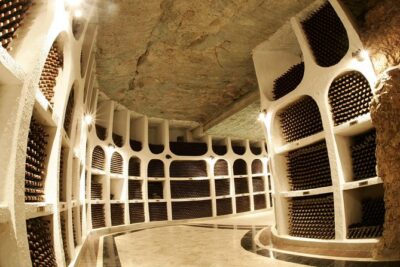
Day trip to Republic of Moldova – visit Chisinau and Cricova Winery
Read our review →
Day trip from Iasi to the UNESCO Painted Monasteries in Bucovina
Read our review →
Adventure day trip from Iasi | Hiking in the Carpathian Mountains
Read our review →
Adventure trip from Iasi: Hiking in the Carpathian Mountains
Read our review →
Three days tour of Iasi and UNESCO Painted Monasteries
Read our review →
Two days trip to the Republic of Moldova from Iasi
Read our review →Browse the lists this tour appears in