
REVIEW · BUCOVINA MONASTERY TOURS
Three days tour of Iasi and UNESCO Painted Monasteries
Romania’s painted churches reward slow looking. This four-day trip links Iasi’s grand churches and palaces with Bucovina’s famous monasteries, traditional crafts, and a forest fortress, all in a small group of no more than eight people. I like the mix of art, local customs, and history, and I like that transport, hotels, breakfasts, dinner, and entrance fees are handled for you. The main catch is important: plane tickets are not included, despite the trip being described around a flight from Bucharest to Iasi.
You should also know that this is a busy regional tour, not a stay-put city break. You will spend long stretches on the road between Iasi, Bucovina, Neamt, and back again. The reward is variety, while the cost is less free time and fewer chances to linger in one place.
In This Review
- Five things to know before booking
- What this Romanian tour really covers
- Iasi begins with churches, palaces, and old streets
- Voronet offers the trip’s most famous blue
- Moldovita adds a living craft tradition
- Sucevita brings walls and green frescoes
- Marginea shows Romania’s black pottery
- Neamt Fortress puts the Carpathians on the map
- The Popa Museum brings folklore close
- The final morning is simple and practical
- Is $769.28 a fair price?
- Who will enjoy this route most?
- Should you book the Iasi and Bucovina tour?
- FAQ
- How long is the tour?
- Where does the tour take place?
- Are flights included?
- What accommodation is provided?
- How large is the group?
- What meals are included?
- Is airport pickup and transfer available?
- Can I cancel for a refund?
Five things to know before booking
- Voronet’s mysterious blue frescoes: The monastery’s famous blue pigment gives the painted walls their best-known visual signature.
- Sucevita’s defensive walls: This is the only painted monastery on the route surrounded by fortified walls.
- A tiny group of eight maximum: The group size should make village visits and guide conversations easier than on a large coach tour.
- Black pottery at Marginea: You visit one of the country’s last black pottery workshops.
- Guides with named local roles: Madalina leads the Iasi portion, while Iulian guides the Bucovina section.
- A package with one major exception: Hotels, ground transport, meals listed in the program, and admission fees are included, but airfare and most other meals are not.
What this Romanian tour really covers
The tour begins in Iasi, the cultural capital of Moldavia, then moves through Bucovina’s UNESCO-listed monasteries before turning toward Neamt and the Carpathian forests. You get several kinds of Romania in a short span: a refined university city, Orthodox religious art, living village crafts, military history, and folklore.
That range is the tour’s strongest quality. Many short Romanian trips focus only on castles or only on monasteries. This one gives you churches with remarkable exterior murals, a private peasant museum, a fortress, and two crafts that are closely linked to the region’s rural culture.
The itinerary is also compact. Day one gives Iasi four hours, day two covers three monasteries and Marginea, and day three includes Neamt Fortress and the Popa Museum before returning to Iasi. You should expect an active schedule with roughly one hour at each listed stop.
The group limit of eight matters here. Small transport is more suitable for regional roads and short cultural stops than a full-size coach. It also gives you a better chance to ask questions, especially during the hands-on craft visits.
More Bucovina monastery trips:
- Bucovina Painted Monasteries Day Tour
★ 5.0 · 83 reviews - 1-Day Bucovina Painted Monasteries tour from Suceava – English
★ 5.0 · 33 reviews - Day trip from Iasi to the UNESCO Painted Monasteries in Bucovina
★ 5.0 · 26 reviews
Iasi begins with churches, palaces, and old streets
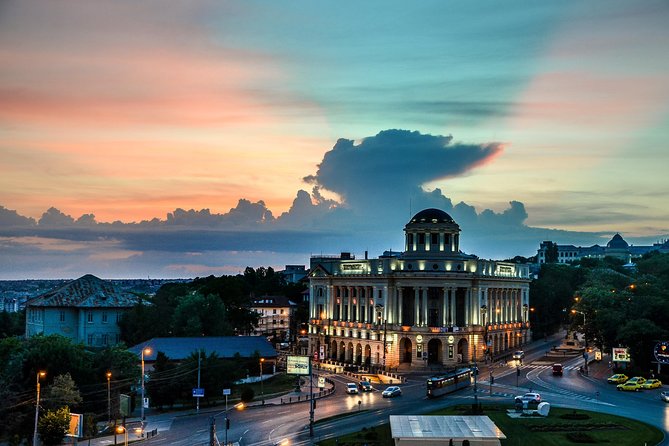
Your first city walk follows Stephen the Great Boulevard through Iasi’s historic center. The route gives you a quick sense of the city’s character, described here as bohemian, with major religious and civic buildings close together.
The Rozoveanu Palace provides a grand opening, while the Vasile Alecsandri National Theatre adds cultural weight. It is identified as Romania’s oldest national theatre, so this is more than a pretty building stop. It helps place Iasi within the country’s literary and artistic life.
The Three Hierarchs Church is one of the day’s key sights. Its importance comes from both religious meaning and its place among Iasi’s best-known monuments. You then visit the Metropolitan Cathedral, giving the walk a second major church with a different scale and role.
Allow yourself time to look closely at stonework, towers, and decorative details. The schedule gives four hours for the city tour, including several stops, so the guide will need to keep the group moving. If you care deeply about architecture or church interiors, you may wish you had more unscheduled time.
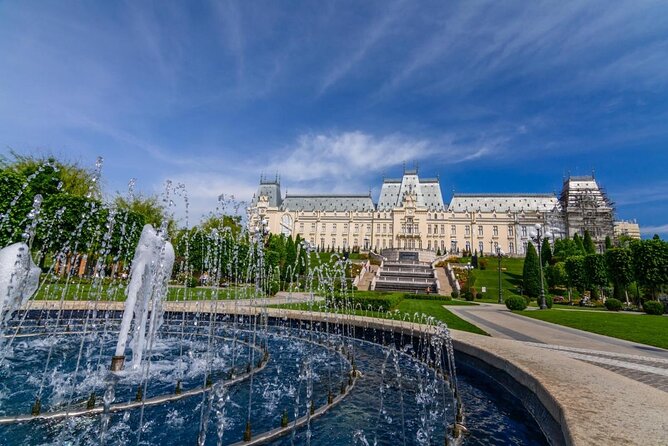
The Palace of Culture is the city’s grand centerpiece. Its Clock Tower adds a clear visual marker, and the building helps tie together Iasi’s political and cultural past. Golia Monastery brings the route back to religious architecture before the walk ends at the Library of the Gheorghe Asachi Technical University.
That library is an unusual final stop. It gives the city tour a modern academic note instead of ending only with monuments. I like that contrast. Iasi is not presented as a museum piece, but as a working cultural city.
Madalina is the named guide for the Iasi portion. That detail may matter if you value a personal introduction to the city rather than a standard list of dates and names. The strongest available feedback specifically credits the guides with creating a warm atmosphere, which is especially useful on a short first day.
Voronet offers the trip’s most famous blue
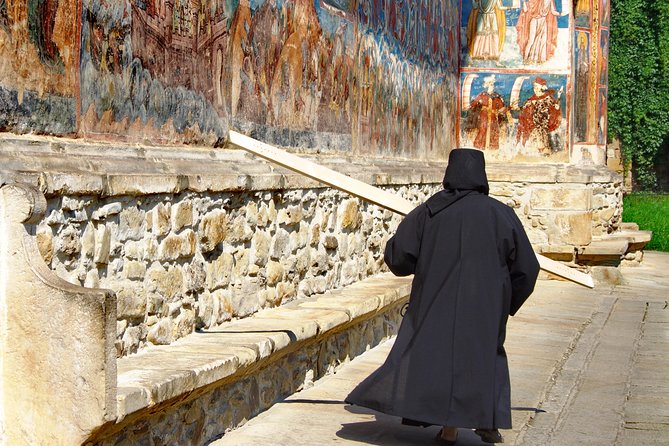
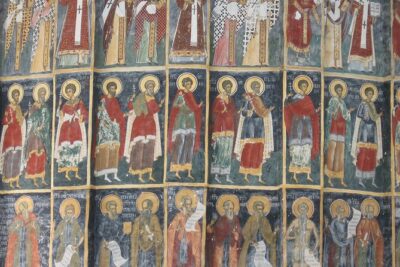
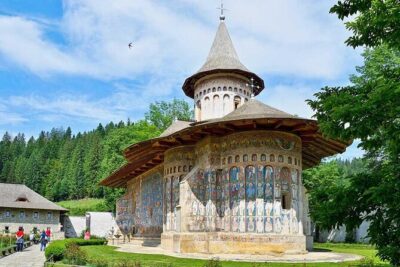
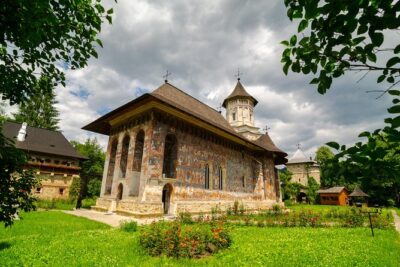
Day two shifts from city streets to Bucovina’s painted monasteries. Voronet is the headline stop, and for good reason. Its frescoes are famous for a blue shade whose exact composition remains a mystery to the modern world.
You have one hour here, enough for a focused visit but not an extended study of every wall painting. Look at the exterior murals as a whole before getting caught in individual scenes. The color is the main visual hook, but the value of the stop lies in seeing how religious storytelling was placed directly on the building’s outer walls.
The tour includes the admission fee, so you do not need to manage separate tickets at the site. Your guide can also help explain what you are seeing, which matters when painted scenes are unfamiliar and the visit is brief.
Voronet is likely to be the most anticipated stop, but do not treat it as the only reason to take this route. The next monasteries show how different the colors, settings, and defensive features can be.
Moldovita adds a living craft tradition
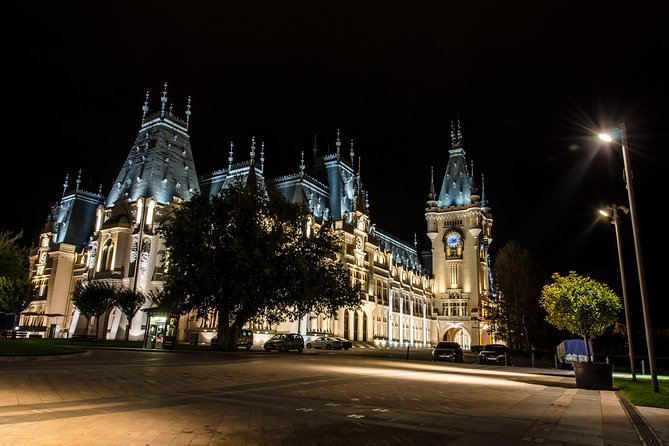
Moldovita follows with another hour-long monastery visit. The program pairs the church with the regional art of egg dyeing, a craft specific to this part of Romania.
This is a welcome change of pace. Instead of moving from one sacred building straight to another, you see a hand skill tied to local custom. The craft helps make Bucovina feel like a living place rather than a row of heritage sites.
You should expect a demonstration or observation of the egg-dyeing tradition, though the supplied details do not promise a hands-on activity. If you want to buy a craft item, personal expenses and souvenirs are your responsibility, and no shopping allowance is built into the schedule.
The one-hour visit will feel short if you want to inspect both the monastery and the craft closely. Still, the pairing gives the stop more depth than architecture alone.
A few more Romania days worth comparing
- Day trip to Republic of Moldova – visit Chisinau and Cricova Winery
★ 5.0 · 32 reviews - Tour guide in Iasi, Romania
★ 4.9 · 14 reviews - Iasi City Tour
★ 5.0 · 12 reviews - Adventure day trip from Iasi | Hiking in the Carpathian Mountains
★ 5.0 · 10 reviews
Sucevita brings walls and green frescoes
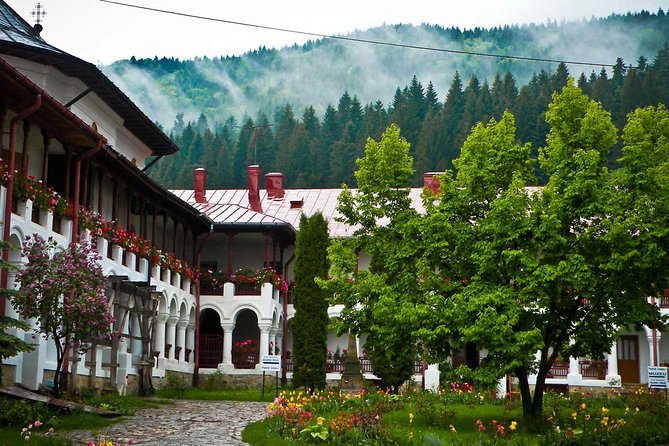
Sucevita is the most fortified of the three monasteries. It is the only painted monastery on this route surrounded by fortified walls, a feature that changes how you approach the site and how you understand its past.
The building reflects Moldavian style with Gothic and Byzantine influences. That combination is worth keeping in mind as you look at the structure. It is not simply a church decorated in one local manner, but a meeting point for several architectural traditions.
The murals are dominated by green, made through an old technique using natural pigments. After Voronet’s blue and Moldovita’s craft traditions, Sucevita gives the day another distinct visual identity.
I like the progression: blue at Voronet, traditional egg dyeing at Moldovita, then green murals and fortifications at Sucevita. You are not seeing the same site three times. Each monastery answers the same broad question in a different way: how can faith, art, and protection share one building?
Again, plan on one hour. The schedule encourages a clear overview rather than a slow, scholarly visit. Comfortable walking shoes are sensible, since you will be moving through several historic sites in one day, though the tour does not give specific accessibility details.
Marginea shows Romania’s black pottery
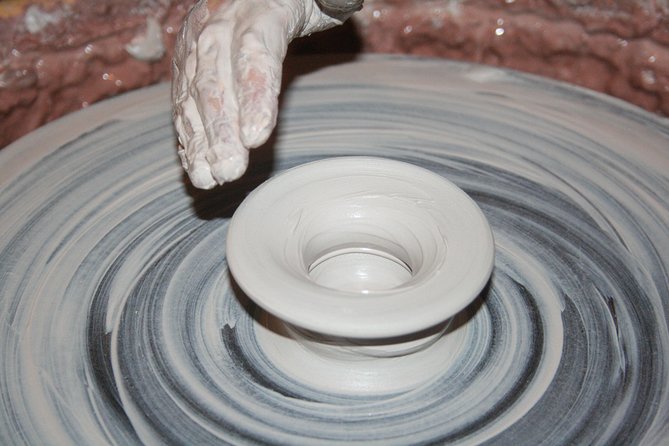
The final stop on day two is Marginea, known for black pottery. You visit one of the last black pottery workshops in the country, and the visit is free of an admission charge.
This may become one of the most personal parts of the route. The monasteries are major heritage sites, but a working workshop connects you with a skill practiced through local tradition. You can watch the craft and decide for yourself if a piece belongs in your luggage.
The pottery visit also prevents the day from becoming a procession of church interiors. It adds a plain, practical side to the region, where objects are made for use as well as display.
The schedule gives you one hour. Since souvenirs are not included, bring a separate budget if you are tempted by the pottery. Also remember that the tour price covers many meals, not every meal, so you should keep some money available for food, drinks, and personal purchases.
Neamt Fortress puts the Carpathians on the map
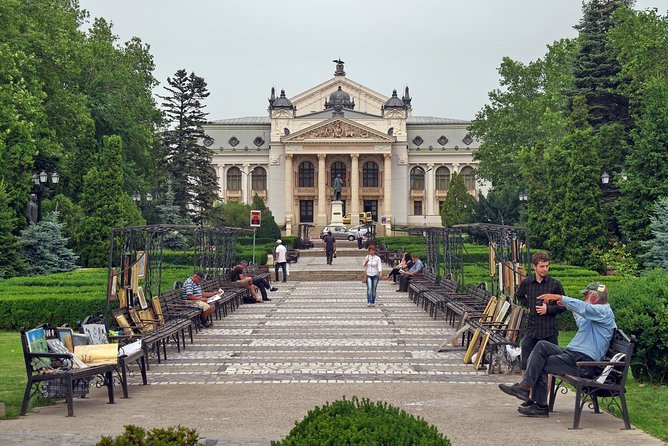
Day three heads toward Neamt Fortress, a military site in the Carpathian forests. The fortress is tied to the siege by Sultan Mehmed II, the conqueror of Constantinople, and is described as having survived that attack.
This stop broadens the story beyond religious art. After two days focused on churches, painted walls, and craft, you get a place shaped by warfare and defense. The setting among the forests adds a stronger sense of distance from Iasi.
You have one hour at the fortress. That is enough for a concise visit, but not necessarily enough for a relaxed exploration of every corner. If fortress architecture is your main interest, this may be the stop where you most feel the limits of a tightly timed tour.
Still, the inclusion is smart. It shows that Moldavia’s past was not only devotional and rural. It was also political and military, with fortified sites guarding important routes and communities.
The Popa Museum brings folklore close
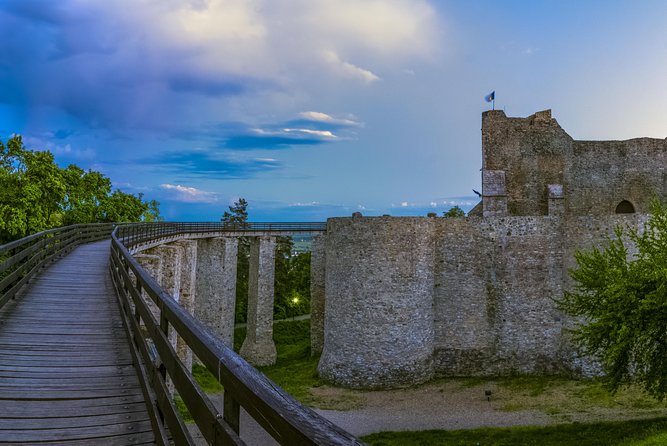
Before returning to Iasi, you visit a private peasant museum named for Nicolae Popa, a local sculptor and creator of folklore. Here you can see his work and try on ritual masks and traditional costumes.
This is a much more direct experience than simply looking through glass cases. Trying on masks and clothing gives you a physical sense of how folklore is presented and preserved. The visit is also more intimate because it takes place in a private museum rather than a large national institution.
The one-hour stop should suit you if you enjoy local objects, folk art, and unusual personal collections. It may be less appealing if you prefer formal museums with extensive labels and broad historical coverage. The value comes from the character of the collection and the chance to interact with it.
I especially like this as the final cultural stop. The monasteries show painted religious stories, while the Popa Museum turns toward village customs, costumes, and carved forms. Together, they offer a fuller picture of regional identity.
Iulian is the named guide for the Bucovina portion. The available family-trip feedback highlights both Iulian and Madalina, and the guides appear to be a major reason the experience feels personal rather than mechanical.
The final morning is simple and practical
Day four is not another sightseeing day. You are transferred to the airport according to your flight schedule.
That makes the final morning easy, but it also means you should not count on extra sightseeing before departure. The package is designed to get you through the region, back to Iasi, and onward without asking you to arrange another transfer.
The tour begins at 9:00 a.m. and includes airport transfer service at the end. Exact flight planning is your responsibility because plane tickets are excluded. Check the airfare issue carefully before booking, especially if you are comparing the $769.28 tour price with a fully packaged trip.
Is $769.28 a fair price?
At $769.28 per person, the cost is reasonable if you value convenience and guided access. The price includes three nights in centrally located hotels, modern-vehicle transport, a professional English-speaking guide, entrance fees, three breakfasts, and dinner.
It is based on two people sharing a double room. If you want a single room, you pay a supplement. That makes the advertised rate most useful for couples, friends, or family members willing to share.
The biggest value comes from the ground arrangements. You do not need to piece together transport between Iasi, Bucovina, Marginea, Neamt, and the airport. You also avoid handling admission at each major site. For a short trip with several distant stops, that can save both time and stress.
The package is not all-inclusive. Plane tickets are not included, and neither are travel insurance, most lunches and dinners, alcoholic drinks, room service, beverages, or souvenirs. The reference to a quick flight from Bucharest should not lead you to assume the airfare is part of the price.
The trip is often booked about 169 days ahead, so advance planning may be wise. Confirmation is sent within 48 hours of booking, subject to availability. Free cancellation is available if you cancel at least 24 hours before the local start time. That gives you some flexibility, but late changes are not accepted.
Who will enjoy this route most?
I would recommend this trip to you if you want a concentrated introduction to northeastern Romania without renting a car or arranging several hotels. It suits first-time visitors who want major cultural sights, local crafts, and a guide to explain the context.
It also fits families well, provided children are accompanied by an adult. The small group and interactive Popa Museum visit can work better for younger participants than a day filled only with formal monuments.
Couples and friends will likely appreciate the double-room pricing and the straightforward transport plan. You should be comfortable with a full schedule and repeated one-hour stops.
I would hesitate if you want long afternoons in Iasi, slow photography sessions at the monasteries, or a great deal of independent time. The tour gives you breadth, not much solitude. You should also price the airfare separately before deciding if the package fits your budget.
Should you book the Iasi and Bucovina tour?
Book it if you want a compact, well-organized route through Moldavia and Bucovina, with the major painted monasteries supported by craft visits and local guides. Voronet, Sucevita, Marginea, and the Popa Museum give the trip real variety, while the eight-person limit should keep the experience manageable.
Skip it if airfare uncertainty, a fast schedule, or limited free time bothers you. Before paying, confirm the current flight arrangements, check the single supplement if needed, and set aside money for meals not listed, drinks, insurance, and pottery or other souvenirs.
For the right kind of visitor, this is a strong four-day introduction to a part of Romania that can be awkward to organize independently. Its best feature is not one monument, but the way Iasi, painted churches, village crafts, folklore, and fortress history fit together.
FAQ
How long is the tour?
The experience lasts approximately four days and includes three nights of accommodation.
Where does the tour take place?
The tour is based in Iasi and visits the Bucovina and Neamt regions of Romania.
Are flights included?
No. Plane tickets are not included in the tour price.
What accommodation is provided?
The tour includes three nights in centrally located hotels.
How large is the group?
The group has a maximum of eight participants.
What meals are included?
Three breakfasts and one dinner are included. Other meals, alcoholic drinks, and personal beverages are not included.
Is airport pickup and transfer available?
Pickup is offered, and a transfer to the airport is arranged on day four according to your flight schedule.
Can I cancel for a refund?
Yes. You can cancel up to 24 hours before the local start time for a full refund. Cancellations or changes made less than 24 hours before the start are not accepted.
Just added in Romania
- Bucharest: Dealu Mare Winery Private Trip with Wine Tasting★ 4.9 · 6 reviews
- Winery touring & private wine tasting – one day private tour★ 5.0 · 3 reviews
- Turda salt mine and Corvin Castle day tour from Cluj★ 5.0 · 9 reviews
- Private tour to Turda Salt Mine, Rimetea and Alba Iulia★ 4.8 · 5 reviews
- Village Museum Bucharest Guided Tour★ 5.0 · 6 reviews
- Turda Salt Mine : 1 Day auto tour from Oradea★ 4.4 · 2 reviews
- Turda Salt Mine, Gorge & Rimetea Village (private from Cluj)★ 5.0 · 5 reviews
- Transylvania Tour: Dracula’s Castle, Peles Palace & Brasov★ 5.0 · 19 reviews
Bucovina Monastery Tours, compared.
1-Day Bucovina Painted Monasteries tour from Suceava – English
Read our review →
Day trip from Iasi to the UNESCO Painted Monasteries in Bucovina
Read our review →
11-Day Romania Tour from Bucharest with Transylvania & Bucovina
Read our review →
Bucovina Painted Monasteries & Transylvania Tour: 4-Day Private
Read our review →
Two days tour to Bucovina & UNESCO Painted Monasteries
Read our review →Browse the lists this tour appears in