
REVIEW · FOOD
9-Day Private Heritages and Food Tour of Romania
Romania tastes better on the road. This private 9-day journey links Bucharest, Transylvania, and Bucovina with home-cooked regional food and major cultural sights. I especially like the nights in Sibiel and Viscri, where meals take place in local guest houses rather than standard tourist restaurants. The main drawback is the amount of time spent in the vehicle, especially on Days 6 and 8.
I also like the personal format. Your group travels by car or minivan with an English-speaking guide, and past guests gave special praise to David Jalea for bringing the history to life and answering questions with unusual depth. The tour is not cheap at $2,830.34 per person, but it covers eight nights, many meals, private transport, airport transfers, and several hands-on food stops.
In This Review
- Five details that make this Romanian tour different
- What the $2,830 price really covers
- Bucharest begins with a short city introduction
- Sibiel offers the most personal food experience
- Saxon towns show a different side of Transylvania
- Viscri and Bran balance village life with Dracula fame
- Hungarian influence appears around Prejmer and Targu Secuiesc
- Bucovina brings painted monasteries and local craft
- The long return drive ends with wine in Dealu Mare
- Who should book this private Romanian journey
- Should you book the 9-Day Private Heritages and Food Tour of Romania?
- FAQ
- How long is the tour?
- Where does the tour begin and end?
- Is this a private tour?
- What kind of transportation is provided?
- Is an English-speaking guide included?
- Are entrance tickets included?
- Which meals and tastings are included?
Five details that make this Romanian tour different
- Sibiel shepherd’s dinner: Eat polenta, cheese, and mutton in a mountain village, with local beer, wine, and plum brandy.
- Cooking with a village family: Join a short class in Sibiel, or relax in the garden while the food is prepared.
- Saxon Transylvania: Visit Sibiu, Biertan, Sighisoara, and Viscri for fortified churches, medieval streets, and old German-influenced cooking.
- Food across several regions: Try Transylvanian, Hungarian, Moldavian, Bucovinean, and Romanian dishes instead of eating the same menu throughout.
- Bucovina’s painted monasteries: See Moldovita and Voronet, both known for their remarkable exterior frescoes.
- Private touring: Only your own group takes part, with pickup and drop-off at Bucharest airport.
What the $2,830 price really covers
At $2,830.34 per person, this is a substantial purchase. The value comes from the length and private setup rather than from one spectacular admission ticket.
You receive eight nights of accommodation, private transport by car or minivan, an English-speaking guide, Bucharest airport transfers, breakfast each morning, and a large number of planned lunches and dinners. The package also includes a horse-drawn wagon ride, a cooking class, homemade cookie tasting, cheese tasting, and a wine tasting with five premium local wines.
The hotels and guest houses vary by design. You begin and end in centrally located four-star hotels in Bucharest. In Sibiel and Viscri, you stay in local guest houses. In Brasov, the stated hotel is Bella Muzica Hotel, a three-star property or similar, in the heart of the old town. At Lake Bicaz, you stay at the family-run Lostrita pension, a three-star property beside the water.
There is one point I would clarify before paying. The meal information is not perfectly consistent: one section lists 8 breakfasts, 6 lunches, and 7 dinners, while another lists 8 breakfasts, 5 lunches, and 6 dinners. Meals are clearly specified day by day, but ask the operator to confirm the final count and exactly which admissions are covered.
Entrance tickets to the listed sights cost about 50 euros in total and are not included. Personal expenses, extra meals, museum photo or video charges, and tips are also separate. For a private nine-day trip with a guide and long-distance transport, the price can be fair, especially for a family or small group that values convenience. If you prefer to arrange trains, hotels, and meals yourself, it will feel expensive.
More Food and Drink Tours in Bucharest
- Taste Bucharest: A Food Lover’s Tour of Markets & Neighbourhoods
★ 5.0 · 689 reviews - Street Food’n’Culture Tour
★ 5.0 · 209 reviews - Wine Tasting in Bucharest
★ 5.0 · 183 reviews
Bucharest begins with a short city introduction
Your first day is intentionally light. A driver meets you at Henri Coanda International Airport and takes you to your central Bucharest hotel. The transfer is listed at about one hour, depending on conditions.
On Day 2, your guide meets you at 9 a.m. for a panoramic look at the capital. You pass the Triumph Arch, Victoriei Palace, Victoriei Avenue, the Romanian Athenaeum, the Royal Palace, Parliament Palace, and University Square.
This is more of an orientation than a full museum day. That works well after arrival because you get a quick sense of Bucharest before leaving for the countryside. If Parliament Palace matters greatly to you, ask whether an interior visit is possible, since the schedule describes a panoramic tour and does not list an admission.
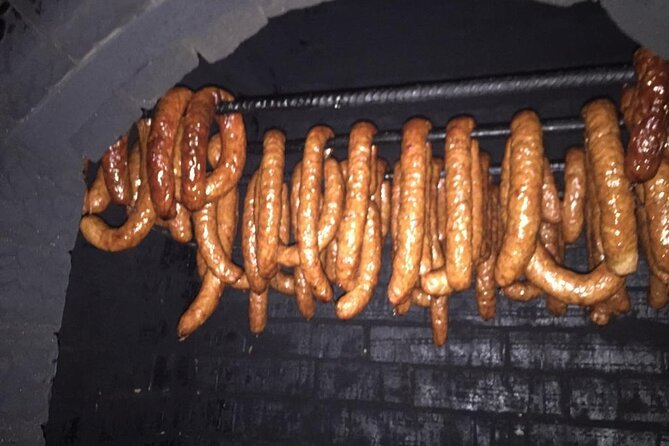
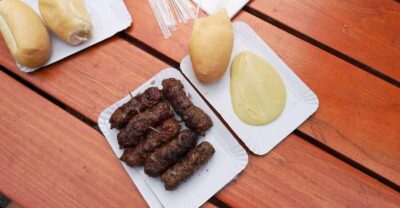
The drive toward Sibiu takes about four hours. A stop at Dealul Negru introduces you to mititei, small minced-meat rolls with a recipe dating to the nineteenth century. They are a classic quick meal on Romanian roads and a useful first taste of the country’s straightforward, filling cooking.
Cozia Monastery provides the cultural pause along the route. Dating to the fourteenth century, it adds an early religious and architectural site before the tour reaches Transylvania.
Sibiel offers the most personal food experience
Sibiel is one of the strongest parts of the trip. This small mountain village is associated with pastoral life, shepherding, and rural tourism. Instead of sleeping in a city hotel, you stay at a local guest house and eat food built around local products.
The first evening brings a three-course shepherd’s dinner. Expect polenta, cheese, mutton, and dessert, with water, plum brandy, local beer, or wine. It is a simple meal, but that is the point. You are eating the kind of food that explains the village better than a polished restaurant menu could.
The next morning, the Zosim Oancea Museum of Icons on Glass presents a distinctive Romanian art tradition. The visit is short, around 30 minutes, but it gives useful context for the villages and churches you see later.
Day 3 also includes a scenic drive through the Carpathian foothills, with villages spread along hills and valleys. Sheep and cattle raising remain important to the local food tradition, which helps explain why cheese and mutton appear so often.
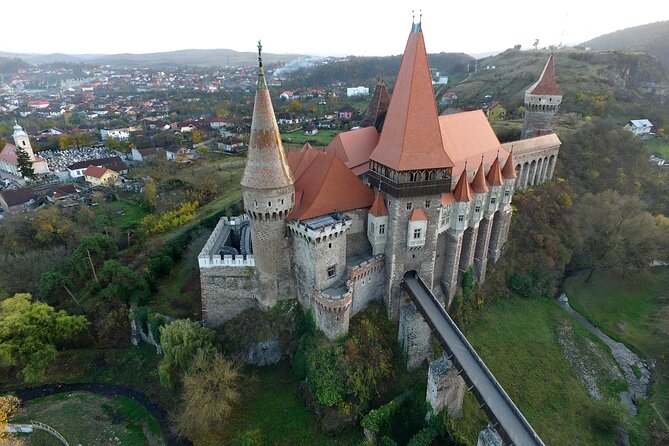
At Corvin Castle in Hunedoara, the mood changes completely. This is described as Romania’s largest medieval castle, with Gothic details, heavy walls, towers, and a strong fortress profile. Allow time for stairs and uneven surfaces, since castles of this type are best seen slowly rather than rushed through.
Lunch can include virsli, an old sausage made with sheep and pork. The recipe is said to be more than 300 years old. Entrance to the castle is extra, so keep some Romanian lei or a payment card available.
Back in Sibiel, a horse-drawn wagon carries you through the village and nearby countryside. You also visit a local household to see its garden, animals, and daily domestic setup. This is the sort of stop that makes the tour feel less like a checklist of monuments.
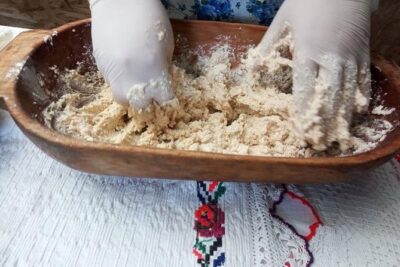
The short cooking class is another good touch. You learn how to prepare a traditional Romanian dish. If cooking is not your thing, you can sit in the garden with a local drink. The evening ends with another three-course homemade Transylvanian dinner.
Saxon towns show a different side of Transylvania
Day 4 moves into central Transylvania, where Saxon settlers built towns and fortified churches from the twelfth century onward. The German influence appears in the architecture, village plans, defensive structures, and food.
Sibiu is the first major stop. A walking tour covers Big Square, Little Square, the Evangelical Cathedral, the Orthodox Cathedral, Liars Bridge, towers, and old fortifications. Two hours gives you a useful introduction, though you will need to keep moving if you want to see everything listed.
The road to Biertan passes rolling countryside, old villages, churches, and fortified settlements. These churches were built not only for worship but also to protect local communities. That practical blend of religion and defense is one of the most memorable features of this region.
Sighisoara is the day’s centerpiece. Its medieval core includes the Clock Tower, Church on the Hill, House of Dracula, Tinsmiths Tower, and Tailors Tower. The old town is compact, but some streets and routes involve slopes or steps.
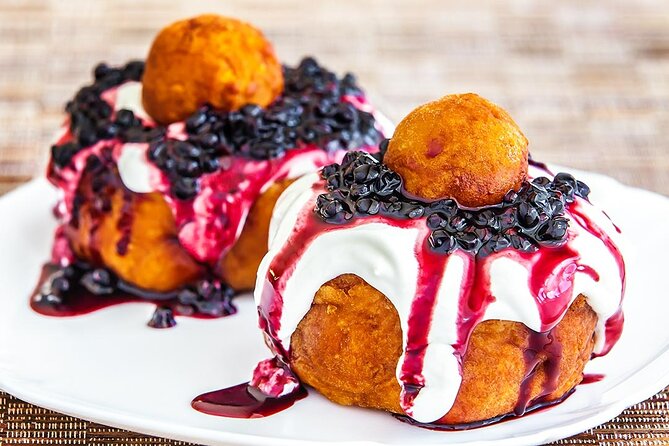
Lunch takes place at Casa Vlad Dracul, identified as the birthplace of Vlad the Impaler. The setting brings a dose of Dracula folklore, but the food keeps the stop grounded in Romanian tradition. Dessert is papanasi, a cheese dumpling served with sour cream and jam. Save room for it.
The evening in Viscri is quiet and rural. You stay in a local guest house and eat a three-course Transylvanian Saxon dinner with water, plum brandy, and wine. Viscri is a good place to slow down, though the tradeoff is that comfort and facilities may feel less predictable than in a city hotel.
A completely different kind of day out:
- Bucharest: Dracula’s Castle, Peles Castle, & Brasov Old Town
★ 4.5 · 17,858 reviews - Bucharest: Dracula Castle, Peles Castle & Brasov Old Town
★ 4.6 · 10,891 reviews - Bucharest: Dracula’s Castle, Peleș Castle & Brașov Day Trip
★ 4.5 · 5,919 reviews - Bucharest: Palace of Parliament Tickets and Guide
★ 4.3 · 3,182 reviews
Viscri and Bran balance village life with Dracula fame
The morning in Viscri includes local craftspeople, a fortified church, and a small ethnographic museum. This is a compact visit, but it gives you a look at the customs and work of a Saxon village before the tour moves toward Brasov.
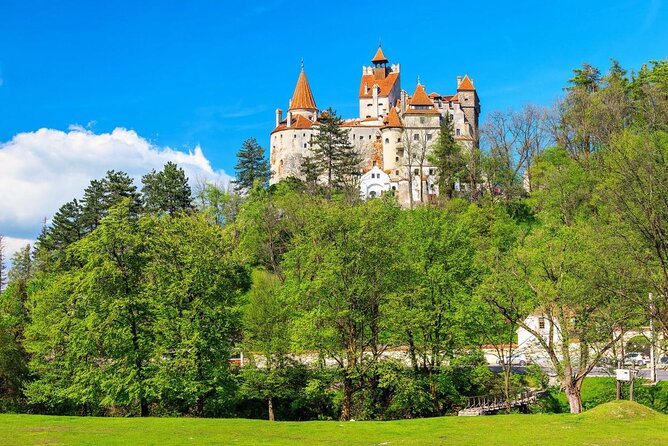
Bran Castle is the best-known stop on the route. Built as a border point in the fourteenth century, it became famous through its connection with the Dracula legend. The castle is visually dramatic, but the literary and historical connection to Bram Stoker’s Dracula is much looser than popular marketing suggests.
You get about an hour afterward for lunch and the souvenir market. That is enough for a quick meal, but not much time if you want a relaxed castle visit and shopping. I would treat the market as optional and use the time for food or a slower look around Bran.
Brasov gives you a welcome city night. The old town tour includes Council Square, the Black Church, Weavers Bastion, Ecaterinas Gate, Rope Street, St Nicholas Cathedral, and the First Romanian School and printshop museum.
Your evening is free, which is useful after several structured meals. Brasov has many restaurants in the center, and this is your chance to choose something outside the planned menu. The tour does not include dinner here, so budget separately.
Hungarian influence appears around Prejmer and Targu Secuiesc
After breakfast in Brasov, you receive a small box of homemade cookies based on old family recipes. It is a modest gesture, but it fits the food-centered character of the journey better than a generic souvenir.
The route continues to Prejmer Fortified Church, a UNESCO-listed site with both religious and defensive purposes. The tour then heads north into the Szekely counties, where Hungarian influence shapes the cuisine and local identity.
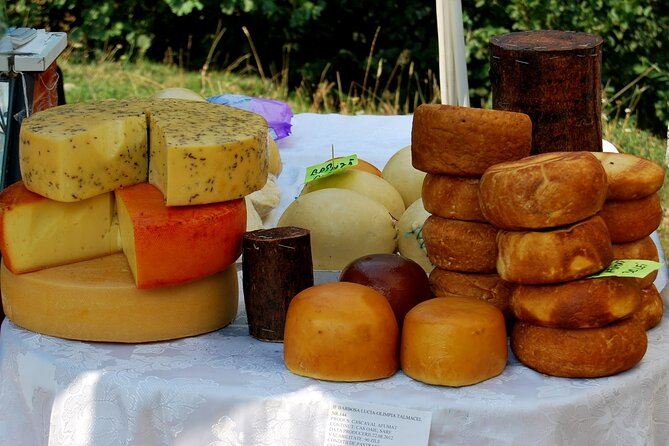
A visit to a small artisanal cheese producer includes a quick tasting. Lunch features Transylvanian Hungarian specialties, followed by palinka before the meal and local beer afterward. The drinks are part of the regional experience, but pace yourself. Plum brandy is strong, and this day also includes several hours on winding mountain roads.
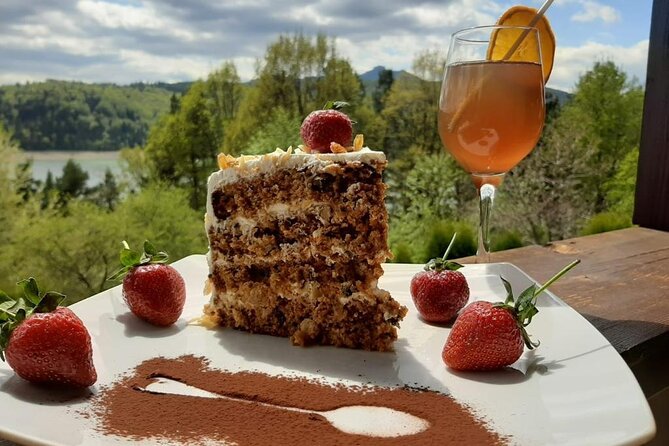
Red Lake offers a short stop and a story about the lake’s formation. Dessert is kurtos kalacs, a Hungarian chimney cake cooked around a cylinder and coated with sweet toppings.
The road through Bicaz Gorges is one of the most scenic parts of the trip. You get time for a short walk among the dramatic rock walls before continuing to Lake Bicaz, also called Lake Izvorul Muntelui. The route crosses the Eastern Carpathians, so this is a day for views rather than long visits at each stop.
That evening, Lostrita pension serves a three-course fish-based dinner. The location beside the lake and the Ceahlau mountain views add a change of mood after the fortified churches and medieval towns. One beer or a glass of local wine is included, with other food choices available on request.
Bucovina brings painted monasteries and local craft
Day 7 is devoted to Bucovina and its famous painted monasteries. The drive along Lake Bicaz and the Transrarau mountain road is part of the experience. You do not need to navigate the mountain route yourself, so you can focus on the scenery.
Moldovita Monastery dates from 1532 and was built under Prince Petru Rares. Its fortress-like walls and towers prepare you for the unusual character of Bucovina’s monasteries, where religious art covers the outside walls.
Nearby, the Lucia Condrea International Egg Museum and workshop adds a local craft stop. A Bucovinean lunch follows at a small restaurant, with two courses listed.
Voronet Monastery was founded in 1488 by Stephen the Great. Its frescoes are famous for their blue background and their depiction of the Last Judgment. The visit lasts about 45 minutes, so look closely and listen carefully rather than expecting a long free period.
The day ends with a Moldavian-style dinner at your accommodation. Compared with the previous evening’s fish, this meal gives you another regional food profile. That regional contrast is one of the tour’s best ideas.
The long return drive ends with wine in Dealu Mare
Day 8 includes the longest drive, about six hours. That is the main physical challenge of the tour. The vehicle makes the return to Bucharest practical, but you should expect a full day on the road with limited time for spontaneous stops.
The planned break is at Crama Serve Ceptura in the Dealu Mare wine area. A tasting of five premium local wines is served with cheese. Admission to the tasting is included, and lunch is possible at your own expense along the route.
You reach Bucharest in the evening and return to a central four-star hotel. The farewell dinner takes place at Carul cu Bere, a famous Romanian restaurant with roots reaching back to the nineteenth century. It is a fitting final meal because it brings the focus back to Bucharest after the many regional kitchens.
On Day 9, breakfast is followed by a transfer to Henri Coanda International Airport according to your flight time. The airport transfer is included.
Who should book this private Romanian journey
I would choose this tour if you want Romania’s major cultural regions without managing the logistics yourself. It suits families, couples, and small groups who care about food, rural stays, castles, monasteries, and personal guiding.
The private format matters. You can ask questions, adjust the pace within reason, and discuss food preferences directly with your guide. The strongest praise goes to David Jalea, whose historical explanations helped make the sites meaningful. If David is available for your dates, you may wish to request him specifically, while understanding that guide assignment should be confirmed.
I would not choose this trip if you dislike long drives, changing accommodations, mountain roads, or fixed meal schedules. The route covers a lot of Romania in nine days, and that means several early starts and long transfers.
Most site admissions are extra, totaling about 50 euros. Free cancellation is available up to 24 hours before the start time, but tips, personal purchases, unlisted meals, and photo fees are separate.
Should you book the 9-Day Private Heritages and Food Tour of Romania?
Book it if you want a guided route that connects Romania’s food with its regional identity. Sibiel, Viscri, the cheese producer, the cooking class, and the Bucovina meals give the trip more character than a standard castle tour.
Think twice if your ideal holiday means staying several nights in one hotel or spending long hours on foot in each town. This is an ambitious circuit, not a slow city break.
For the right group, the price buys ease, variety, and access to small local settings that can be awkward to arrange alone. Confirm the meal totals, entrance fees, hotel names, and guide assignment before booking, then pack for both city walking and rural roads.
FAQ
How long is the tour?
The tour lasts approximately nine days and includes eight nights of accommodation.
Where does the tour begin and end?
It begins and ends in Bucharest, with pickup and return transfers offered at Bucharest Henri Coanda International Airport.
Is this a private tour?
Yes. Only your own group participates in the private tour or activity.
What kind of transportation is provided?
Transportation is by car or minivan. The tour also includes a horse-drawn wagon ride in Sibiel.
Is an English-speaking guide included?
Yes. An English-speaking guide is included. Other languages may be available on request.
Are entrance tickets included?
No. Entrance tickets to the listed sites are not included. The estimated total is about 50 euros.
Which meals and tastings are included?
The package includes meals specified during the tour, along with cheese tasting, homemade cookie tasting, a Sibiel cooking class, and a Dealu Mare wine tasting with five local wines. The meal totals shown in the supplied details are inconsistent, so confirm the final count before booking.
Just added in Bucharest
- Bucharest: Dealu Mare Winery Private Trip with Wine Tasting★ 4.9 · 6 reviews
- Winery touring & private wine tasting – one day private tour★ 5.0 · 3 reviews
- Village Museum Bucharest Guided Tour★ 5.0 · 6 reviews
- Transylvania Tour: Dracula’s Castle, Peles Palace & Brasov★ 5.0 · 19 reviews
- Transfer Airport Otopeni – Bucharest★ 5.0 · 2 reviews
- Private Transfer Bucharest Otopeni Airport (OTP) to/from Brasov★ 5.0 · 2 reviews
- Airport Henri Coanda (Otopeni) to Bucharest – Private Transfer – Driver★ 5.0 · 5 reviews
- Private Bucharest Otopeni Airport (OTP) Transfer★ 5.0 · 2 reviews
Food, compared.
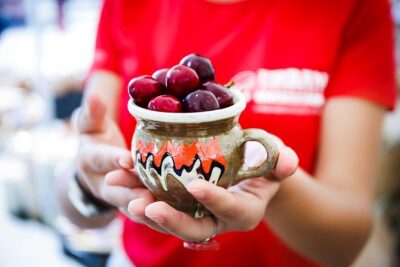
Taste Bucharest: A Food Lover’s Tour of Markets & Neighbourhoods
Read our review →
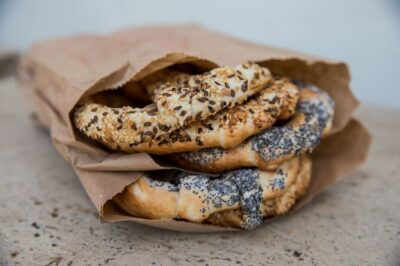
Discover Bucharest: Private Highlights and Traditional Food Tour
Read our review →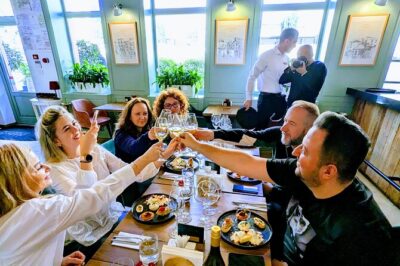
Half-Day Private Food and Wine Walking Tour Oradea Romania
Read our review →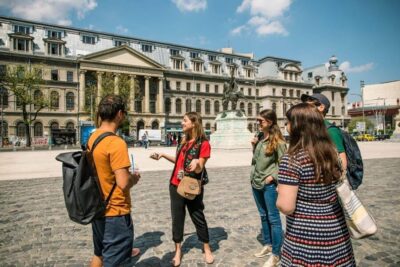
Private Bucharest: History & Food with Traditional Meal
Read our review →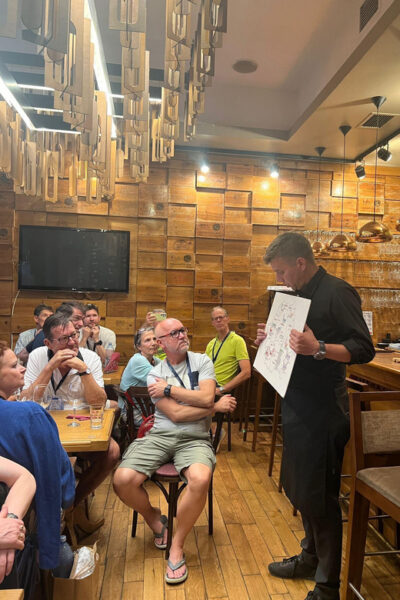
Browse the lists this tour appears in