
REVIEW · MARAMURES TOURS
From Cluj-Napoca: Two Day Tour to Maramures
Romania’s old ways are still alive here. This two-day trip from Cluj-Napoca takes you into Maramureș through village homes, carved wooden gates, handmade crafts, old churches, and generous country meals. I especially like the chance to meet local people inside their homes, and the fact that the guide adds context to customs that might otherwise seem like pretty scenery.
The strongest parts are the local access and the food. A guide from Maramureș, such as Florin, can explain the region with real personal feeling and introduce you to village life in a way a standard sightseeing stop cannot. The main drawback is the pace: two days cover a lot of ground, and the trip is not suited to people with mobility limits.
In This Review
- Key Points To Know Before You Go
- Why Maramureș Deserves Two Days
- The Drive North From Cluj-Napoca
- Breb: Carved Gates, Home Cooking, and a Night in the Village
- Meeting the People Behind the Traditions
- The Merry Cemetery in Săpânța
- Wooden Churches and the Spiritual Side of the Region
- Crafts, Water, and Everyday Ingenuity
- Hill Villages, Haycocks, and Forests
- What the $688 Price Includes
- Practical Limits and Who Should Book
- Should You Book This Maramureș Tour?
- FAQ
- Where does the tour start?
- How long does the Maramureș tour last?
- Where do you stay overnight?
- Is food included?
- What language does the guide speak?
- Is transportation included?
- Are entrance fees included?
- What should you bring?
- Is the tour suitable for wheelchair users?
- Can you cancel the booking?
Key Points To Know Before You Go
- Sleep in a traditional house in Breb, with a warm and comfortable overnight stay reported even during a below-zero October night.
- Enter local homes for lunch and conversation, then see wood carving, traditional crafts, palinka, and everyday customs.
- Visit the Merry Cemetery in Săpânța, where painted tombstones use humor to tell stories about local lives.
- See wooden churches and monasteries, including a UNESCO World Heritage Site connected to the spiritual life of Maramureș.
- Travel through hill villages, hay fields, forests, and old washing sites, with scenery that feels far removed from city Romania.
- Expect a personal guide-led trip, with English guiding, hotel pickup in Cluj-Napoca, transport, entrance fees, water, and selected meals included.
Why Maramureș Deserves Two Days
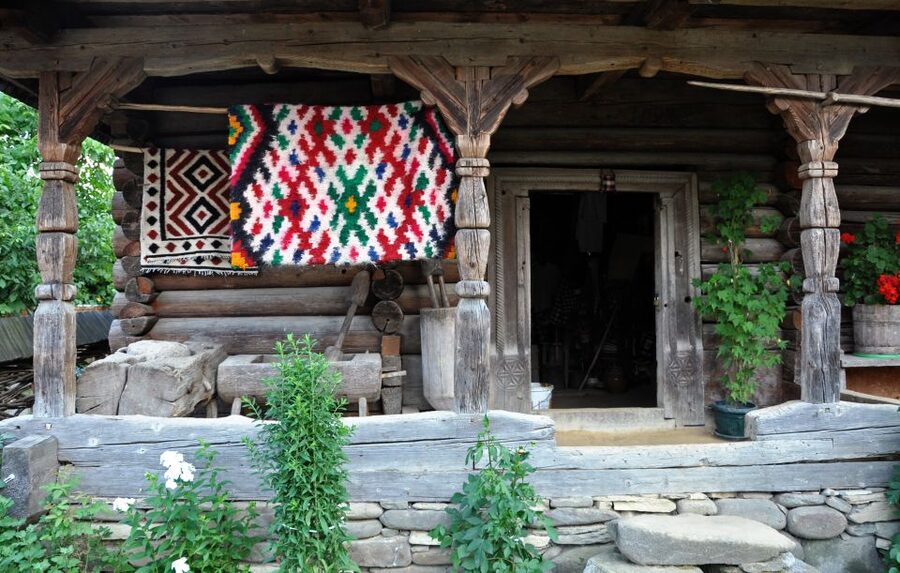
Maramureș is a northern Romanian region known for its wooden architecture, traditional dress, farming customs, churches, and strong village identity. The area was first mentioned in documents in 1199, but the real appeal is not a single date or monument. It is the way several parts of daily life still fit together: the home, the family, the church, the workshop, and the fields.
I like this tour because it does not treat Maramureș as a collection of photo stops. You are invited into homes and introduced to people who continue to make things by hand. That changes the way you see the carved gates and churches. They stop being decorative objects and become part of a living culture.
The region also has a spiritual side. Churches and monasteries remain central to local identity, while the Merry Cemetery shows a lighter, more humorous approach to death and memory. Put together, these visits give you a fuller picture of the area than scenery alone.
More Maramures trips:
- Maramures best, full day tour from Cluj
★ 5.0 · 33 reviews - From Cluj-Napoca: Maramures Day Tour
★ 5.0 · 19 reviews - Two days tour to Maramures: local experiences and culture
★ 5.0 · 9 reviews
The Drive North From Cluj-Napoca
Your guide picks you up at your hotel in Cluj-Napoca and drives north toward Maramureș in a modern, well-equipped car. The transport is included, which matters here because the tour covers scattered villages, churches, craft sites, and countryside viewpoints that are difficult to connect efficiently without a private vehicle.
No exact driving time or group size is provided, so I would ask those questions before booking if they affect your comfort. The itinerary involves several stops and some walking, so comfortable shoes are important. You should also carry a passport or identity card.
The trip is designed for people who enjoy nature, architecture, history, religion, and traditional life. It is not a quick city excursion. You will spend much of the time moving through rural areas, with the road itself forming part of the experience.
Breb: Carved Gates, Home Cooking, and a Night in the Village
The first day ends in Breb, one of the most appealing stops on the route. You enter through a handmade carved wooden gate whose details carry cultural meaning. In Maramureș, gates are not just practical entrances. Their carving reflects local identity and the importance of the household behind them.
A traditional lunch is served after you enter the village home. The food is prepared with fresh local products, and the portions are generous. Maramureș has a saying that you will never leave hungry, and the meals described on this trip appear to take that seriously.
The home visit is the heart of the experience. You can see how the house forms the center of family customs and daily routines. You are not simply shown an old building. You are given a chance to meet local people, ask questions, and understand why certain traditions continue.
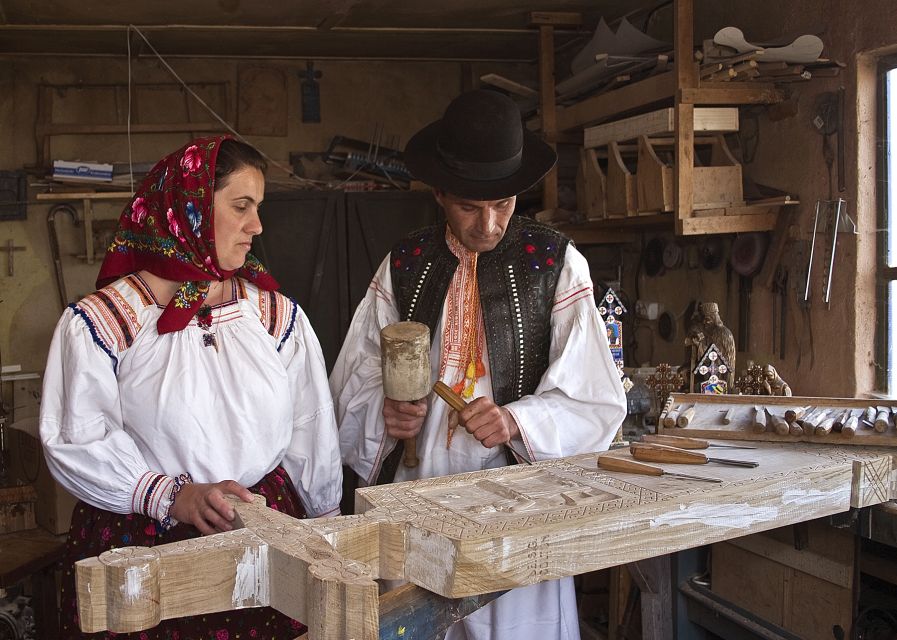
You may also see wood carving and other craft work, then taste palinka while talking with the locals. Palinka is a strong fruit brandy, so take the tasting slowly. The point is conversation and connection, not proving anything to the table.
The overnight stay is in a traditional house in Breb. It is worth setting expectations clearly: traditional does not mean rough or uncomfortable here. The accommodation has been described as modern, clean, warm, and comfortable, including during a very cold night in October. Still, anyone who needs a highly standardized hotel room should confirm the exact room and bathroom arrangements before paying.
Meeting the People Behind the Traditions
Many cultural tours keep you outside, looking at houses and costumes through a camera. This one puts you inside the homes. That difference gives the visit more meaning, especially if you are curious about how customs work in ordinary family life.
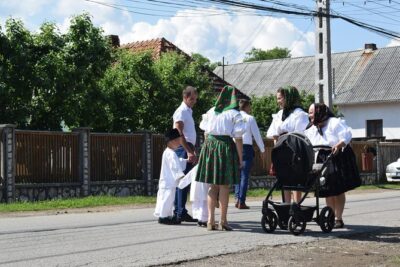
People in Maramureș are known for wearing handmade traditional costumes with pride. You may see clothing that is still tied to local identity rather than reserved only for a performance. The tour also highlights the region’s sense of humor, which appears most clearly at the Merry Cemetery.
Local access depends partly on the guide and the day’s arrangements. The strongest guide feedback has centered on personal connection and explanation. Florin, described as a local from Maramureș, is praised for his ties to the villages and his passion for the region. Other praised guides include Ilona and Joseph, whose kind attention, conversation, and broad explanations helped make the trip memorable.
Guide quality matters a great deal on a tour like this. A wooden door needs context. A church needs someone to explain its role. A local meal becomes more interesting when you understand the customs around it. The guides are not just drivers who point out landmarks. Their interpretation is a major part of what you are paying for.
More Cluj Napoca trips:
- Curly Tour – Day trip from Cluj 🙂
★ 5.0 · 330 reviews - Cluj: Turda Salt Mine, Corvin Castle, Alba Carolina Tour
★ 4.8 · 184 reviews - Cluj-Napoca: 2.5-Hour Guided Walking Tour
★ 4.8 · 104 reviews - From Cluj: Turda Salt Mine, Gorge, and Remetea Full-Day Trip
★ 5.0 · 84 reviews
The Merry Cemetery in Săpânța
The Merry Cemetery is one of Maramureș’s best-known attractions, and it offers a sharp change of mood from the peaceful village homes. Its colorful carved crosses and funny epitaphs tell stories about the people buried there.
The humor can be surprising. Many cemeteries ask for quiet respect through solemn words. Săpânța uses wit, personality, and plain speech. The result is a place where local people are remembered as individuals, with their habits, flaws, work, and family stories part of the picture.
This stop is valuable because it shows that Maramureș tradition is not only about old crafts or religious devotion. It also includes a lively sense of humor. You may find the cemetery more meaningful after visiting local homes, since the epitaphs then feel connected to a real community rather than an isolated attraction.
Photography fees are not included, so check before taking pictures. Entrance fees are included, but personal costs such as drinks, souvenirs, calls, and other purchases are not.
Wooden Churches and the Spiritual Side of the Region
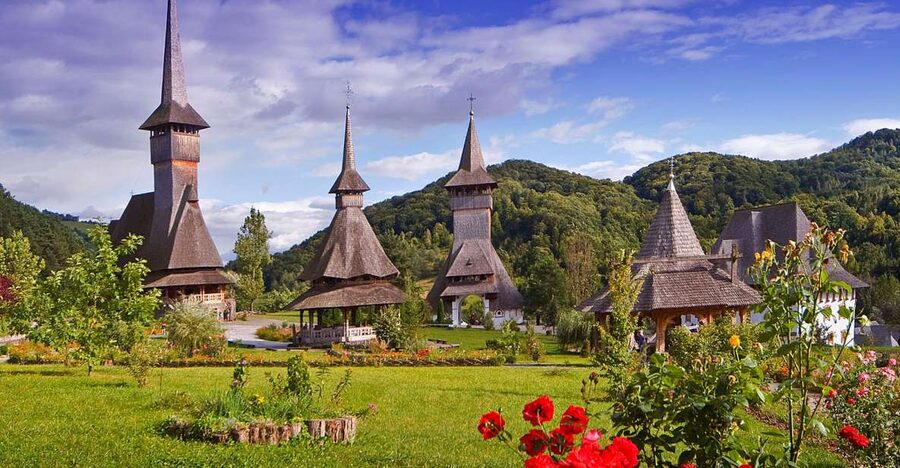
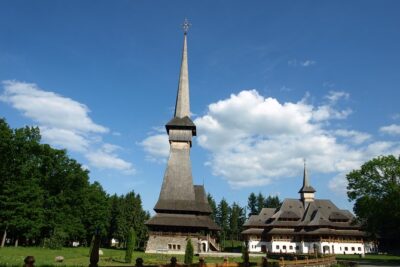
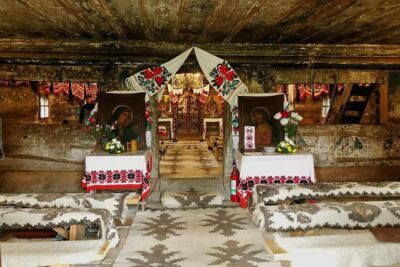
The tour visits several monasteries and churches, including a UNESCO World Heritage Site. Maramureș is especially known for its wooden churches, many of them manually carved by local craftsmen.
These buildings are not simply pretty examples of traditional architecture. They show how local communities used available materials and skilled labor to create places of worship that were practical, expressive, and closely tied to village life. The vertical wooden forms and careful carving make them easy to recognize, but a good guide helps you notice the details beyond the postcard view.
I would give these visits time rather than rushing from one to the next. The churches are among the most historically important parts of the trip, and the religious customs help explain the values that still shape local communities.
The itinerary also includes monasteries, which add another layer to the region’s spiritual character. Some visitors will find these stops especially rewarding; others may prefer the homes and craft demonstrations. The balance is useful because the tour does not present Maramureș as either a museum of folk traditions or a purely religious destination.
Crafts, Water, and Everyday Ingenuity
The tour continues through villages where traditional work is still practiced. You can visit local craftsmen, watch demonstrations, and see wood carving. These encounters show the patience and skill behind objects that might otherwise look simple.
One unusual detail is the traditional washing method for wool rugs. Women used whirlpools in Maramureș as natural washing machines. It is a clever example of local problem-solving, shaped by the water and the tools available in the countryside.
This kind of stop is more useful than a shop visit because you see how the work is done. If you want to buy something, ask the guide about the maker and the meaning of the object before spending money. Souvenirs are not included, and a locally made item can be worthwhile when you know where it came from.
Hill Villages, Haycocks, and Forests
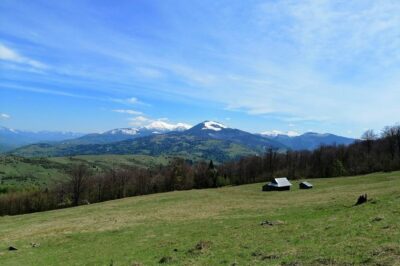
The tour also makes room for scenery. You climb to higher points for views over hill villages and fields where haycocks lie in the sun. These are simple scenes, but that is the point. The countryside feels shaped by seasonal work rather than by large-scale development.
The description of Maramureș’s forests is especially striking. Some are among Europe’s remaining untouched forests, where trees fall naturally as they age and return nutrients to the soil. The woods contain trees at many stages of life, from old growth to new seedlings, and provide habitat for animals including brown bears, wolves, and deer.
That does not mean you should expect to see wildlife. The animals are part of the region’s natural setting, not a promised sighting. The forest views and hill roads are the attraction.
The scenery is compared to a Lord of the Rings setting, and the comparison makes sense as a shorthand for the wooded hills, open fields, and old villages. Still, the real appeal is less fantasy than continuity. You are seeing a countryside where farming, forests, homes, churches, and craft traditions remain closely linked.
What the $688 Price Includes
At $688 per person, this is a costly two-day trip. The value depends on what you want from Maramureș. If you only want to see a church or cemetery, you can likely find cheaper ways to visit individual sights. If you want private transport from Cluj-Napoca, a guide, local introductions, entrance fees, an overnight stay, and meals in a traditional home, the price is easier to justify.
Included are transport in a modern car, a professional English-speaking guide, accommodation in a traditional house, entrance fees, a bottle of water, and one traditional dinner and lunch served in Breb. German and French guiding can be requested, while English is the stated tour language.
Other meals are not included, despite the included lunch and dinner. Drinks, personal expenses, souvenirs, travel insurance, and photography fees are also extra. I would budget for these rather than treating the $688 as the final cost.
The real value lies in access. You are not paying only for mileage. You are paying for a guide who can explain the region and help arrange contact with local people. The strong feedback for Florin, Ilona, and Joseph suggests that the human side of the trip can make a major difference.
Practical Limits and Who Should Book
This tour suits you if you want rural culture, traditional food, wooden architecture, religious sites, nature, and direct contact with local people. It is especially good for anyone who prefers a small-scale cultural experience to a checklist of major Romanian cities.
You should be comfortable with a full two-day program and some walking through villages and historic sites. The tour is not suitable for people with mobility impairments or wheelchair users. Pets are not allowed.
The weather can affect your comfort. An October visit included a below-zero night, although the accommodation was reported to be warm. Bring comfortable shoes and clothing suitable for changing rural weather. A passport or identity card is required.
Free cancellation is available up to 24 hours before departure for a full refund, and you can reserve now and pay later. Starting times depend on availability, so check the schedule before committing to other plans in Cluj-Napoca.
Should You Book This Maramureș Tour?
I would book this trip if you want to understand Maramureș through people, homes, food, faith, and craft rather than through scenery alone. The overnight stay in Breb, the local meals, the Merry Cemetery, and the wooden churches form a strong two-day introduction.
I would hesitate if $688 feels high for two days, if you dislike long drives between rural stops, or if your mobility makes village visits difficult. Ask about the group size, driving time, and exact accommodation before booking.
For the right person, this is one of those trips where the guide matters as much as the destination. A local guide such as Florin, Ilona, or Joseph can turn a carved gate, a church, or a plate of food into part of a larger story. That is the reason to choose this tour.
FAQ
Where does the tour start?
The tour starts in Cluj-Napoca, with pickup from your hotel.
How long does the Maramureș tour last?
The tour lasts two days and includes one overnight stay.
Where do you stay overnight?
You stay in a traditional house in Breb village.
Is food included?
One traditional lunch and one traditional dinner served in Breb are included. Other meals and beverages are not included.
What language does the guide speak?
The live tour guide speaks English. German and French can be requested.
Is transportation included?
Yes. Transport in a modern, well-equipped car is included.
Are entrance fees included?
Yes, entrance fees are included. Photography fees are not included.
What should you bring?
Bring a passport or identity card and comfortable shoes.
Is the tour suitable for wheelchair users?
No. The tour is not suitable for wheelchair users or people with mobility impairments.
Can you cancel the booking?
Yes. You can cancel up to 24 hours in advance for a full refund. You can also reserve now and pay later.
Just added in Cluj Napoca
- Turda salt mine and Corvin Castle day tour from Cluj★ 5.0 · 9 reviews
- Private tour to Turda Salt Mine, Rimetea and Alba Iulia★ 4.8 · 5 reviews
- Turda Salt Mine, Gorge & Rimetea Village (private from Cluj)★ 5.0 · 5 reviews
- Cluj to Rosia: Day Trip to Ferrata and pittoresque country★ 5.0 · 1 review
- 7 Day Best of Transylvania Motorcycle Tour from Cluj★ 5.0 · 4 reviews
- Via Ferrata Transylvania★ 5.0 · 1 review
- Discover Apuseni Mountains – Scarita Summit,Sipote Waterfall and Dumesti Village★ 5.0 · 17 reviews
- Turda salt mine, Rimetea village and Alba Iulia, from Cluj★ 5.0 · 11 reviews
Maramures Tours, compared.
Classic Romania Tour – small group in 8 days: Transylvania and Maramures
Read our review →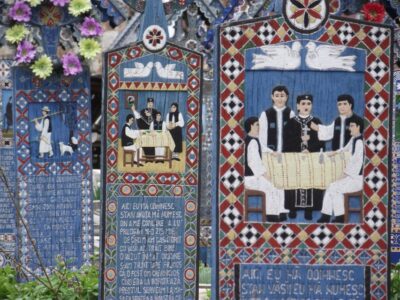
Two days tour to Maramures: local experiences and culture
Read our review →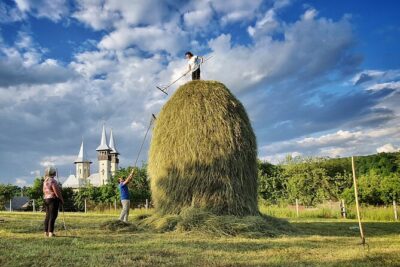
A Journey Back in Time: Countryside from Transylvania and Maramures – 15 Days
Read our review →
Your rendez-vous with Europe’s past: time-travel to Maramures, Transylvania
Read our review →Browse the lists this tour appears in