
REVIEW · 7-DAY EXPERIENCES
Transylvanian week
Castles are only the beginning. This six-day private tour links Transylvania’s best-known sights with quiet Saxon villages, medieval churches, and the stories behind Vlad the Impaler. I especially like the private air-conditioned vehicle, which saves you from wrestling with Romanian roads, and the way the route mixes major sights with places such as Malâncrav and Viscri. The main catch is the price: at $2,166.68 per person, you are paying for convenience, private guiding, transport, and six nights, not a budget group holiday.
The tour is led by a licensed guide, with Gelu Trandafir named in the tour’s guest feedback. Gelu and his brother George run Transylvanian Tours, and the comments describe Gelu as attentive, flexible, and good at adapting plans to different interests. That personal touch matters here, since the days cover a lot of ground and the history can become tangled without a guide to connect Wallachian, Hungarian, Saxon, Ottoman, and Romanian stories.
In This Review
- Key points to know before booking
- What the $2,166.68 price really buys you
- Day 1: Cozia Monastery and Sibiu’s medieval squares
- Day 2: Corvin Castle and Alba Iulia’s layered past
- Day 3: Biertan, Malâncrav, and Sighisoara after the day crowds
- Day 4: Saxon villages, Viscri, Prejmer, and Brasov
- Day 5: Poiana Brasov, Bran Castle, and the Dracula question
- Day 6: Peles Castle and a final Bucharest walk
- Hotels, transport, meals, and pace
- Who should book this Transylvanian week?
- Should you book it?
- FAQ
- How long is the Transylvanian Week tour?
- Where does the tour begin?
- Where does the tour end?
- Is transportation private?
- Is accommodation included?
- Is a guide included?
- Are entrance fees included?
- Is food included?
- Does the tour visit Bran Castle?
- Is the tour refundable if I cancel?
Key points to know before booking
- Six nights in three-star superior hotels or guesthouses: Breakfast and double-room accommodation are included, giving you a simple base each night without daily hotel hunting.
- A private vehicle from Bucharest: You travel with only your own group in an air-conditioned vehicle, with pickup available at your Bucharest hotel or the airport.
- UNESCO churches and medieval towns: Biertan, Viscri, Prejmer, Saschiz, Sighisoara, Sibiu, and Brasov give the tour more substance than a castle-only trip.
- A strong Dracula context: Bran Castle and Sighisoara connect the popular legend with the real Vlad the Impaler and the political world around him.
- High mountain scenery: A cable-car ride near Poiana Brasov reaches about 1,722 meters, weather permitting, with views toward the Carpathians and Transylvanian plateau.
What the $2,166.68 price really buys you
The cost is high for Romania, but it covers more than six sightseeing days. You receive six nights in a double room, breakfast, private transportation, a licensed guide, admission fees and taxes listed as included, plus lunch. That removes several expenses that can quietly add up on an independent trip.
You also avoid the planning burden. This route crosses several regions and includes castles, churches, monasteries, city walks, mountain roads, and hotel changes. By private car, you can move directly between places that would be awkward to connect by public transport.
Still, you should read the inclusions carefully. Other meals, photo fees, and flights are not covered. The tour is priced per person based on double occupancy, so solo visitors should confirm how the accommodation cost is handled before paying.
The private format is one of the strongest reasons to consider it. Your group is the only group on the activity, and the guide can respond to requests. One person described Gelu taking the time to help with a shopping stop, while another praised his care with arrangements and small details. Those examples suggest a tour that works best for people who value personal attention over the lowest possible rate.
A few more Bucharest days worth comparing
- Bucharest: Dracula’s Castle, Peles Castle, & Brasov Old Town
★ 4.5 · 17,858 reviews - Bucharest: Dracula Castle, Peles Castle & Brasov Old Town
★ 4.6 · 10,891 reviews - Bucharest: Dracula’s Castle, Peleș Castle & Brașov Day Trip
★ 4.5 · 5,919 reviews
Day 1: Cozia Monastery and Sibiu’s medieval squares
Pickup begins at your Bucharest hotel or the airport. The first drive follows the Olt River Valley, giving you an early look at the mountain scenery before the tour turns toward Transylvania.
Cozia Monastery makes a fitting opening stop. Founded in 1388 by Mircea the Elder, the monastery connects directly to the medieval Wallachian world and to Vlad the Impaler’s family tree. Mircea was Vlad’s grandfather, so the visit starts building the political background that later returns at Bran and Sighisoara.
The stop lasts about 30 minutes, enough for a focused visit rather than a long wandering break. Admission is listed as free. You should expect a religious site, so modest clothing and respectful behavior are sensible.
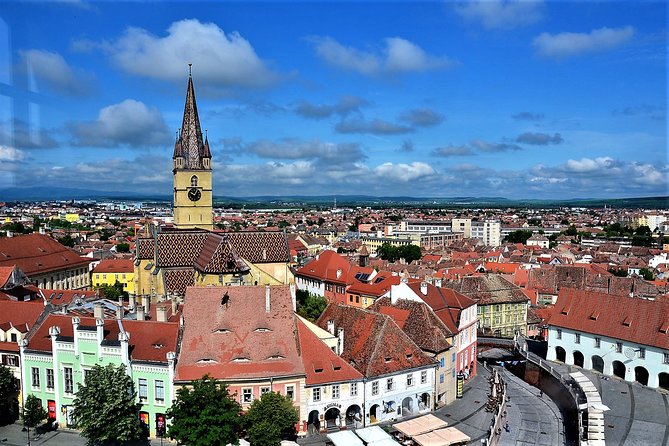
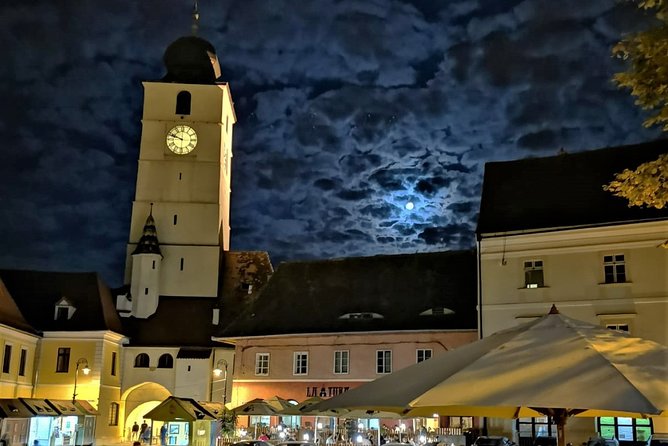
After lunch and a short rest, the tour reaches Sibiu. The guided walk covers the Grand Square, Small Square, and Albert Huet Square, the oldest of the three and dating from the 12th century. These spaces show Sibiu’s Saxon and Central European character through their old facades, towers, and compact street plan.
A climb up the Council Tower rewards you with a broad view over the old city. The stairs are part of the experience, but they may be tiring if you have limited mobility. You also visit Sibiu’s Orthodox Cathedral and Evangelical Church, a useful pairing because it shows the city’s different religious traditions in one afternoon.
The official city visit takes about two hours. That is enough for orientation and the major sights, though not enough for a slow museum day. I like this balance because the tour does not spend the entire first day inside a single city.
Day 2: Corvin Castle and Alba Iulia’s layered past
Corvin Castle is one of the tour’s major visual rewards. The castle at Hunedoara is tied to John Hunyadi, one of the most important military leaders and statesmen of medieval Central Europe. His father, Voicu, received the castle in 1409 from King Sigismund of Luxembourg, and John later became regent of Hungary.
The visit is not just about towers and stone walls. Your guide can explain Hunyadi’s role in the wars against the Ottoman Empire, including his victory at Belgrade over Sultan Mehmed II, the ruler who conquered Constantinople. That context helps you see the castle as a seat of power rather than a decorative fantasy setting.
Admission is included, and the visit lasts about an hour. Because the stop is relatively short, you may want to keep your pace steady and listen closely to the guide before taking photos.
The second stop is Alba Iulia, where the Alba Carolina fortress brings together Roman, medieval, Habsburg, Hungarian, and Romanian history. At Saint Michael Cathedral, John Hunyadi was laid to rest. The cathedral’s construction began in 1004, giving it an unusually long historical span.
You also visit the Orthodox Coronation Cathedral and the remains of the Roman castrum associated with the 13th Gemina Roman Legion. Two hours here lets you see the main points without turning the day into a heavy academic exercise.
You return to Sibiu for a second night. That repeat stay is practical. It means you are not packing again after every stop, and it gives you a familiar base before the route turns toward Sighisoara and Brasov.
Day 3: Biertan, Malâncrav, and Sighisoara after the day crowds
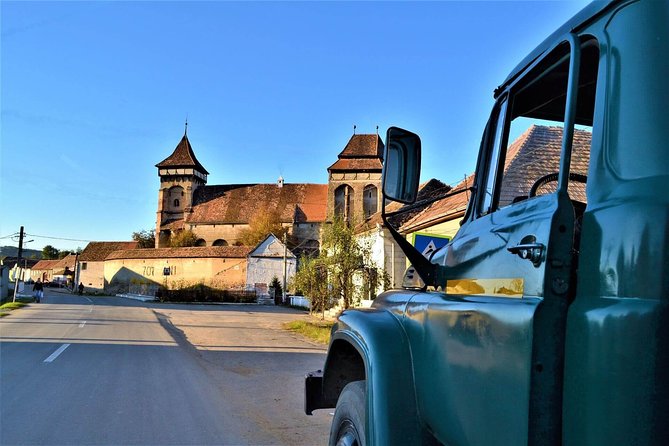
The road from Sibiu to Sighisoara passes through the Hartibaciu Valley, old Saxon villages, and wooded stretches. This is one of the tour’s more atmospheric drives, since the road itself helps explain why the fortified churches are scattered across the region.
Biertan’s fortified church is the first stop, with admission included and about an hour set aside. These churches were places of worship and refuge, built for communities that needed protection during periods of attack. The fortifications make more sense when you remember that village life here was shaped by threats from outside, not just by farming and church calendars.
Malancrav offers a quieter contrast. The village is home to a large Gothic church fresco, discovered beneath layers of chalk paint during restoration work in 1914. The paintings date to around 1305 and survived the Lutheran Reformation, which makes the visit especially valuable for anyone interested in medieval art.
The church visit takes about an hour. This is a place where your guide’s explanation matters, since the frescoes can be easy to overlook if you do not know what you are seeing or why they survived.
Late afternoon brings you to Sighisoara, a UNESCO-listed medieval citadel and the birthplace of Vlad the Impaler. The Clock Tower is the natural focal point, but the real pleasure is the chance to walk the old streets and squares as the day winds down.
Two hours are scheduled here, with the evening available for more time in the citadel. That timing is smart. Sighisoara can feel far more pleasant when you are not trying to squeeze it into a rushed midday stop. You should still remember that the old town has slopes, steps, and uneven surfaces.
A completely different kind of day out:
- Bucharest: Palace of Parliament Tickets and Guide
★ 4.3 · 3,182 reviews - Bucharest: Day Trip to Dracula Castle, Peles Castle & Brașov
★ 4.4 · 3,049 reviews - Bucharest to Dracula Castle, Peles Castle and Brasov Guided Tour
★ 4.5 · 2,933 reviews - Bucharest: Palace of Parliament Tickets and Guided Tour
★ 4.4 · 1,877 reviews
Day 4: Saxon villages, Viscri, Prejmer, and Brasov
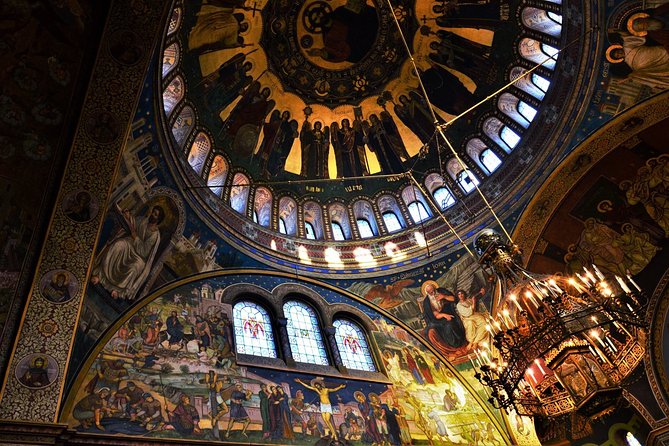
Saschiz appears along the route to Brasov, with its fortified church and tower echoing Sighisoara’s Clock Tower. It is an important visual reminder that fortified religious buildings were part of a wider Saxon settlement system, not isolated curiosities.
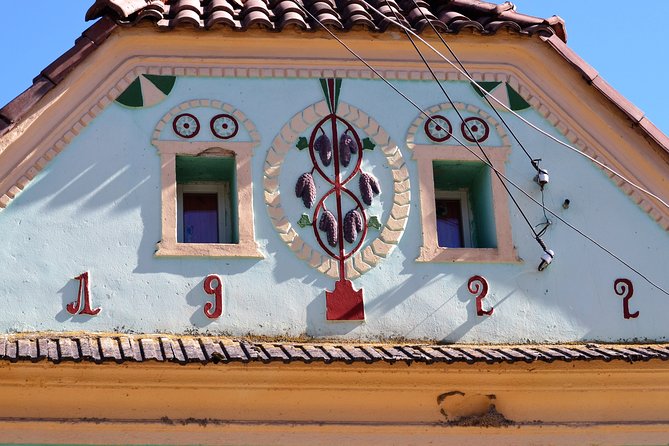
Viscri is the day’s most distinctive village stop. Prince Charles helped draw attention to the village after buying an old Saxon house, number 163, a blue home built in 1753. The stop includes lunch and about two hours at the fortified church and village.
Do not expect Viscri to feel like a polished city attraction. Its appeal comes from its rural setting and old Saxon character. Lunch is included, but the tour does not specify the exact menu, so ask the operator about dietary needs before departure.
On the road again, you catch sight of Rupea Fortress, one of Romania’s oldest fortifications. The site was built over earlier Roman and Dacian fortifications, adding another layer to a day already full of historic periods.
Prejmer is the final fortified church of the day. Teutonic Knights began the defensive project around 1200, and Saxon settlers later completed it after the military order fell out with the Hungarian king. Prejmer is included on UNESCO’s World Heritage List and is among the strongest examples of the region’s church-fortress tradition.
The one-hour visit gives you a clear look at the site, though the day is long. After check-in, Brasov’s historical center brings a change of pace. You walk among the medieval fortifications, bastions, and towers, then see Rope Street, one of Europe’s narrowest lanes.
Brasov developed around a fortress founded in 1211 by the Teutonic Knights and later expanded by German settlers. That mix of medieval defense, German settlement, and modern Romanian city life gives Brasov more energy than a simple preserved old town.
Day 5: Poiana Brasov, Bran Castle, and the Dracula question
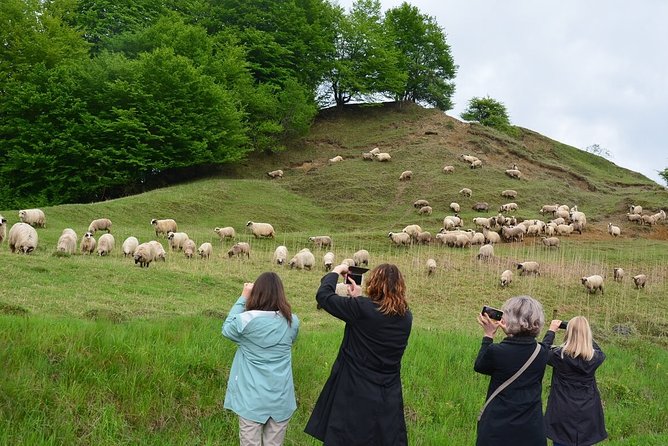
The road climbs to Poiana Brasov, a mountain resort above the city. If weather allows, a cable-car ride reaches about 1,722 meters near Postavaru Peak. From there, you can look across the Carpathians and the Transylvanian plateau.
This is a weather-dependent highlight, so keep your expectations flexible. The schedule allows about two hours, including the mountain visit. Even on a cloudy day, the resort adds a change of scenery after several days of churches and fortified towns.
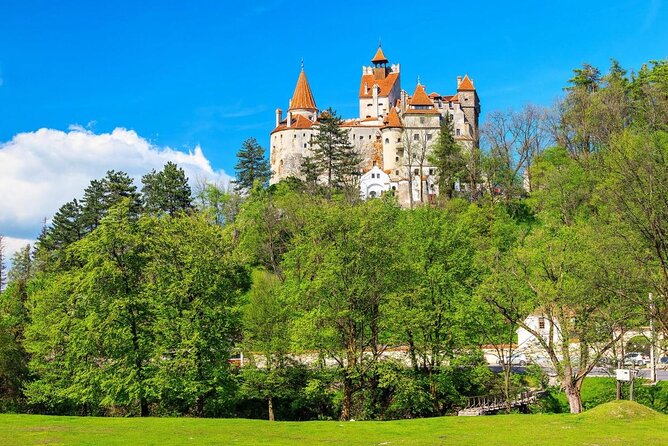
Bran Castle follows, with its dramatic position above the route between Wallachia and Transylvania. The castle was built in the 14th century to guard this commercial passage. Its setting and architecture helped connect it to Dracula, though the popular Count Dracula is a fictional character.
The useful part of this stop is the chance to separate legend from history. Vlad the Impaler is a real medieval ruler, and his connection to the region is real, but Bran Castle is not a literal home of the fictional vampire. A good guide can make that distinction without draining the fun from the story.
On the return to Brasov, you see Rasnov Fortress from a distance. It dates to the 13th century and may have been built during the period when the Teutonic Knights controlled the area around Brasov. Since the description specifies a view from afar rather than a full visit, do not expect time inside the fortress.
Back in Brasov, the Black Church provides a more serious architectural finish. This imposing Gothic church is one of the city’s defining sights, and the one-hour visit gives you time to appreciate its scale after the theatrical appeal of Bran.
Day 6: Peles Castle and a final Bucharest walk
The final day leaves Transylvania through the Prahova Valley, with a stop in Sinaia for Peles Castle. Built at the end of the 19th century, Peles is very different from Corvin Castle or Bran. It reflects Romania’s royal modernization in the age of King Carol I, rather than medieval defense.
Carol I came from the German Hohenzollern-Sigmaringen family and ruled Romania for 48 years. His reputation for discipline contrasts with the castle’s elaborate style, making the visit more interesting than a simple palace tour.
Two hours are allotted, and admission is included. Photo fees are listed among the items not included, so check the rules before taking pictures indoors.
The tour returns to Bucharest after lunch and hotel check-in. The final guided walk includes Stavropoleos Monastery, built in 1724 in the heart of the city. Its location makes it an easy bridge between the Transylvanian portion of the trip and Bucharest’s own architectural story.
A two-hour Bucharest visit gives you a gentle finish rather than one more demanding day on the road. It also leaves some time for your own evening plans, though the tour does not specify additional Bucharest sightseeing.
Hotels, transport, meals, and pace
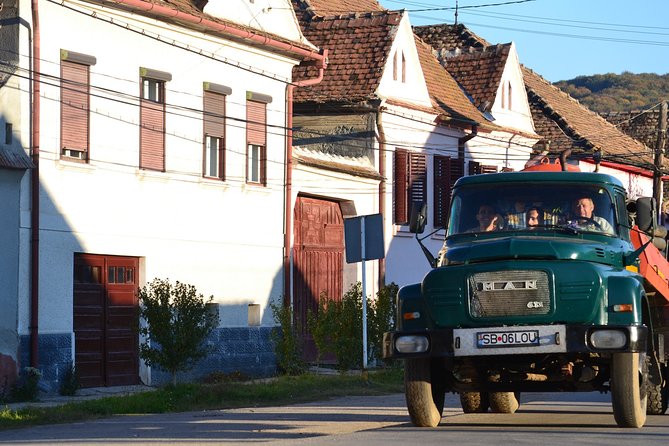
The accommodation is six nights in three-star superior hotels or guesthouses, in a double room, with breakfast included. That is a sensible standard for a touring holiday. You are not paying for luxury resorts, but you also do not have to search for a room after a long day of driving.
The private, air-conditioned vehicle is central to the tour’s value. Several stops are in rural areas, including Malâncrav and Viscri, where public transport connections would make the same route slower and more complicated. Your group also avoids the fixed rhythm of a large coach.
The schedule is active. You will have several historic sites in a day, along with long road sections between cities. I would choose this tour if you prefer seeing many major places with a guide rather than spending several days in one town.
Breakfast and lunch are included, while other meals are not. The tour also includes listed admission fees and taxes, but not photo fees. Service animals are allowed, and the activity notes say most people can participate. Because the days include medieval steps and old streets, you should still ask specific mobility questions before booking.
The tour has a five-star overall rating from seven recorded ratings, and the strongest praise centers on Gelu’s care, flexibility, and ability to make the experience personal. One family described a memorable six-day summer trip, while other comments highlight help with shopping, introductions to Romanian people, and careful handling of complex routes. Those details suggest that the guide is a major part of what you are buying.
Who should book this Transylvanian week?
I would recommend it to first-time visitors who want Romania’s best-known sights without arranging transport, accommodation, admissions, and daily navigation. It also suits couples or families who want a private setting and the freedom to ask questions as they go.
History fans will get the most from the route. The tour links Roman remains, Saxon villages, Hungarian rulers, Wallachian princes, Orthodox and Lutheran churches, royal Romania, and modern urban life. Dracula fans are covered, but the experience is broader and better when you treat the vampire legend as one small thread.
I would hesitate if you want long free periods, nightlife, luxury hotels, or a very slow pace. The route is full, the accommodation is three-star, and the price is not low. Since the booking is non-refundable and cannot be changed after purchase, confirm your dates, room arrangement, meal needs, and what photo fees may apply before you commit.
Should you book it?
Book this tour if you want a carefully connected private route through Transylvania, with the hard planning handled for you. Its best moments are not only Bran Castle and Corvin Castle, but also the fortified churches, the Saxon villages, the mountain road to Poiana Brasov, and the chance to understand how the legends fit into real Romanian history.
Skip it if your main goal is to travel as cheaply as possible or stay in one city. At $2,166.68 per person, the value comes from private transport, six nights, a guide, admissions, and a demanding route that would take real effort to arrange independently. For the right kind of visitor, that convenience is the point.
FAQ
How long is the Transylvanian Week tour?
The tour lasts approximately six days and includes six nights of accommodation.
Where does the tour begin?
Pickup is offered at your hotel in Bucharest or at the Bucharest airport.
Where does the tour end?
The route returns to Bucharest on the final day after visiting Peles Castle and Sinaia.
Is transportation private?
Yes. The tour includes private transportation in an air-conditioned vehicle, and only your group participates.
Is accommodation included?
Yes. Six nights in a double room are included at three-star superior hotels or guesthouses, with breakfast.
Is a guide included?
Yes. The tour includes a licensed tour guide. Gelu Trandafir is identified as the guide associated with the experience.
Are entrance fees included?
The tour includes listed admission fees and taxes. Photo fees are not included.
Is food included?
Breakfast and lunch are included. Other meals are not included.
Does the tour visit Bran Castle?
Yes. Bran Castle is visited on Day 5, along with time in Poiana Brasov and the Black Church in Brasov.
Is the tour refundable if I cancel?
No. The experience is non-refundable and cannot be changed for any reason after booking.
Just added in Bucharest
- Bucharest: Dealu Mare Winery Private Trip with Wine Tasting★ 4.9 · 6 reviews
- Winery touring & private wine tasting – one day private tour★ 5.0 · 3 reviews
- Village Museum Bucharest Guided Tour★ 5.0 · 6 reviews
- Transylvania Tour: Dracula’s Castle, Peles Palace & Brasov★ 5.0 · 19 reviews
- Transfer Airport Otopeni – Bucharest★ 5.0 · 2 reviews
- Private Transfer Bucharest Otopeni Airport (OTP) to/from Brasov★ 5.0 · 2 reviews
- Bucharest Airport Transfer To Constanta Mamaia★ 5.0 · 3 reviews
- Airport Henri Coanda (Otopeni) to Bucharest – Private Transfer – Driver★ 5.0 · 5 reviews
7-Day Experiences, compared.
4×4 Driving Experience at Flying Altitudes – 7 Days
Read our review →
7-Day Private Tour of Transylvania from Bucharest
Read our review →
Amazing Romania – Seven day private tour from Bucharest
Read our review →
7 days Private Romania Grand Tour from Bucharest
Read our review →
7 Days Private Guided Tour in Romania from Bucharest
Read our review →
Discover Medieval Transylvania Small Group Tour – 7 days
Read our review →
7 Day Best of Transylvania Motorcycle Tour from Cluj
Read our review →
7-Day Dracula Tour in Romania from Bucharest including ‘The Ritual of Killing of a Living Dead’
Read our review →Browse the lists this tour appears in