
REVIEW · BRAN CASTLE AND DRACULA TOURS
From Dracula to Ceaușescu- Romanian Terror Stories tour
History gets darker after sunset. This six-hour private tour links Bucharest’s bloodiest stories, from Vlad the Impaler to Nicolae Ceaușescu, with visits to Revolution Square, the Old Town, the Palace of Parliament, Comana Monastery, and the Comana nature reserve. I like the restored Romanian Dacia, which turns the drive into part of the experience, and I like the way the tour connects medieval violence with communist-era crime instead of treating Dracula as a stand-alone legend. The main drawback is the subject matter: beheadings, serial murder, suspected cannibalism, mass suffering, and political terror will not suit everyone.
You get hotel pickup, a private English-speaking guide, water, a tour newspaper, a small gift, and entrance to the monastery, ossuary, and nature reserve. The compact three-person Dacia makes this feel personal, but its age and limited space may be uncomfortable if you have back problems, mobility limits, or large bags. Guide Crinu has been praised for being friendly and capable, and the tour works best when you want stories and atmosphere rather than a standard sightseeing circuit.
In This Review
- Key points to know before booking
- Why this tour is different from an ordinary Bucharest sightseeing trip
- Revolution Square and the wounds of 1989
- Old Town stories beyond the usual nightlife
- The Palace of Parliament and Ceaușescu’s costly legacy
- The Dacia 1300 makes the road part of the story
- Comana Monastery and the story of Dracula’s death
- Comana Natural Park adds a quieter final note
- What you get for $205
- Who should book this experience
- Should you book the Dracula to Ceaușescu tour?
- FAQ
- How long does the tour last?
- Is hotel pickup included?
- What language is the tour offered in?
- How many people fit in the Dacia?
- Does the price include entrance fees?
- Is the tour suitable for people with mobility or back problems?
Key points to know before booking
- Three Bucharest stops cover Revolution Square, the Old Town, and the Palace of Parliament, with about 40 minutes at each.
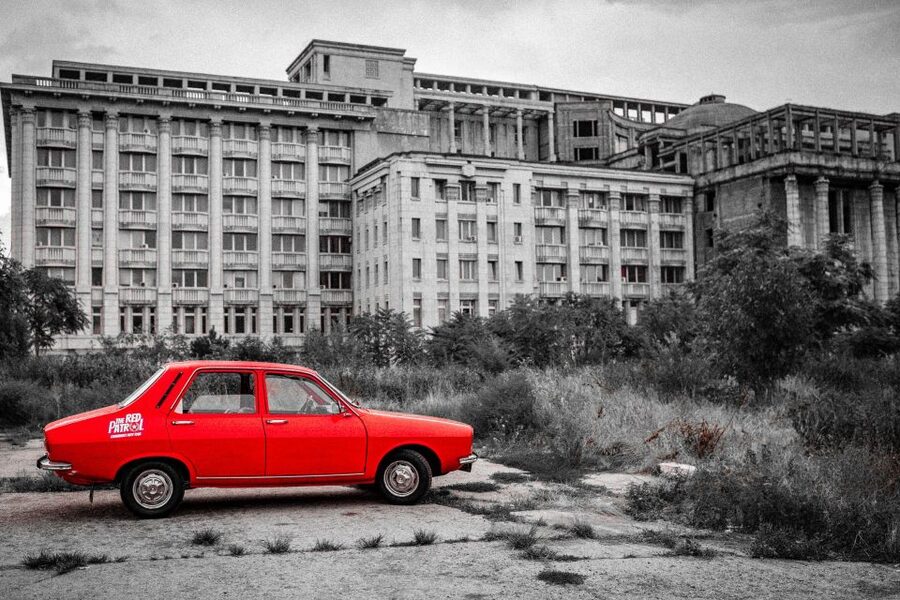
- The restored Dacia 1300 or 1310 is more than transport. It is a moving piece of Romania’s communist-era past.
- Vlad the Impaler’s final chapter takes you outside Bucharest to the place presented as his assassination site and burial monastery.
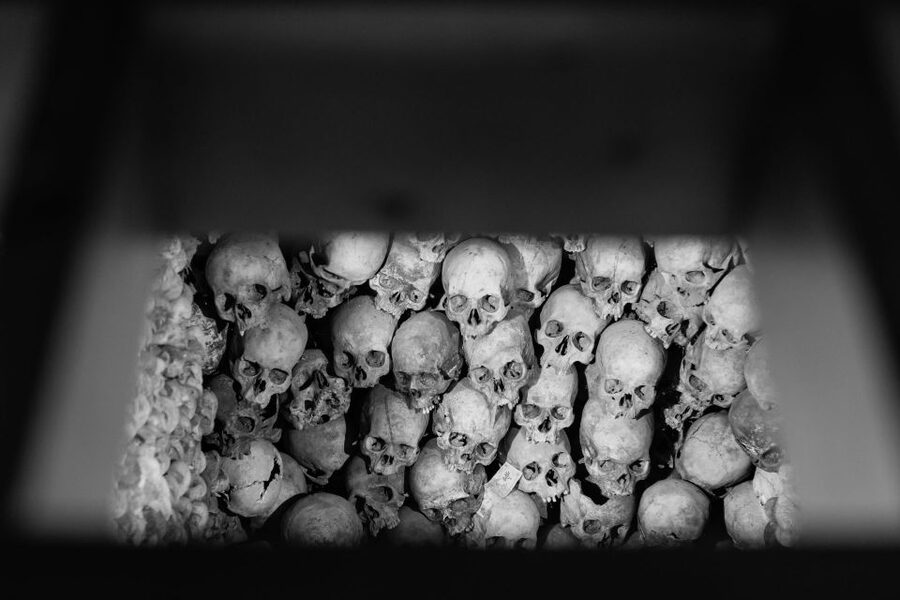
- Comana Monastery includes an ossuary connected with victims of the First World War.
- The private format lets you hear the guide clearly and ask questions without a large group around you.
- The $205 price makes the most sense for up to three people sharing the private experience, not for someone seeking a cheap city tour.
Why this tour is different from an ordinary Bucharest sightseeing trip
Most Bucharest tours focus on architecture, food, or the city’s communist past. This one uses crime and fear as its organizing thread. The result is a six-hour story about power, punishment, greed, murder, and survival across roughly 500 years.
The tone is intentionally dramatic. You may hear about brutal executions and poisoning during Vlad the Impaler’s time, serial killers from the 1970s, alleged ghosts connected with the Palace of Parliament, children living in terrible conditions, suspicious meat sold in the Old Town, and criminal fortunes made under Ceaușescu. The material is not light historical background. It is designed to unsettle you.
That focus can be a strength if you already know the basic sights of Bucharest and want a sharper angle. It can also feel too sensational if you prefer a careful academic tour or a gentle introduction to Romania. I would choose this after seeing the city’s main sights, or for a second day when you are ready to look behind the usual postcard version of Bucharest.
The tour also makes a useful connection between very different periods. Vlad the Impaler belongs to medieval Wallachia, while Ceaușescu ruled communist Romania in the twentieth century. The tour’s central idea is that violence changes its tools over time, from impalement and arson to state control, theft, and political repression.
More Bran Castle and Dracula trips:
- Bucharest: Dracula’s Castle, Peles Castle, & Brasov Old Town
★ 4.5 · 17,858 reviews - Bucharest: Dracula Castle, Peles Castle & Brasov Old Town
★ 4.6 · 10,891 reviews - Bucharest: Dracula’s Castle, Peleș Castle & Brașov Day Trip
★ 4.5 · 5,919 reviews
Revolution Square and the wounds of 1989
The first major stop is Revolution Square, with around 40 minutes for photographs, explanation, and sightseeing. This is one of the most important places in modern Romanian history, and the tour uses it to discuss the end of Ceaușescu’s rule and the human cost connected with that era.
The square is especially effective on this tour because the guide does not treat it as just another central plaza. The stories move from public power to private suffering, including the difficult conditions faced by children during the communist period and the violent events surrounding political change.
You should expect a guided stop rather than a long museum visit. The emphasis is on seeing the place, hearing the story, and understanding how the setting fits into the wider account of Romanian terror. Bring comfortable shoes, since you will get in and out of the car and spend time standing.
A guide who can explain the political background matters here. Crinu has been specifically praised for being friendly and competent, and that kind of calm delivery is useful when the subject turns grim. The best version of this stop should leave you with a clearer sense of what happened, not just a collection of shocking details.
Old Town stories beyond the usual nightlife
The Old Town stop lasts about 40 minutes and offers a very different mood. During the day, you can see the historic center as a place of streets, restaurants, old buildings, and tourist activity. This tour asks you to consider what may have happened behind those facades.
The stories here include butchers selling meat of unknown origin, cannibalism in the Old Town, and other violent episodes from the city’s past. You may also hear stories linked to ghosts and suspicious deaths. The point is not to claim that every tale has the same level of proof. It is to show how Bucharest’s old center has collected layers of fear, rumor, crime, and real suffering.
I like this stop because it changes the way you look at familiar streets. You are not simply checking off the Old Town. You are listening for the darker stories that standard city tours often leave out.
Still, you should keep your expectations sensible. The tour description promises terrifying stories, but it does not provide a scholarly source list or a detailed historical lecture for every claim. If you want to separate documented fact from folklore, ask your guide directly. A private group gives you a good chance to do that.
The Palace of Parliament and Ceaușescu’s costly legacy
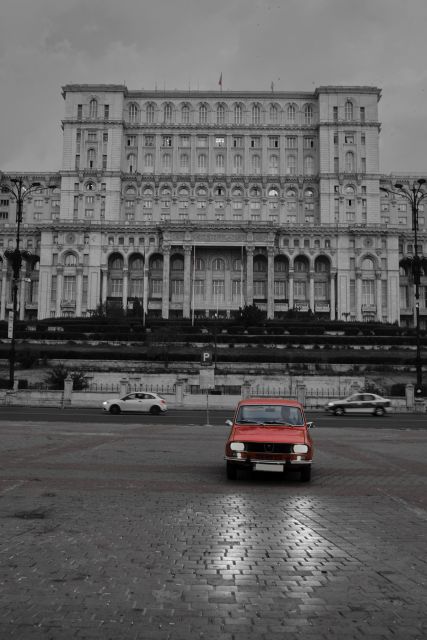
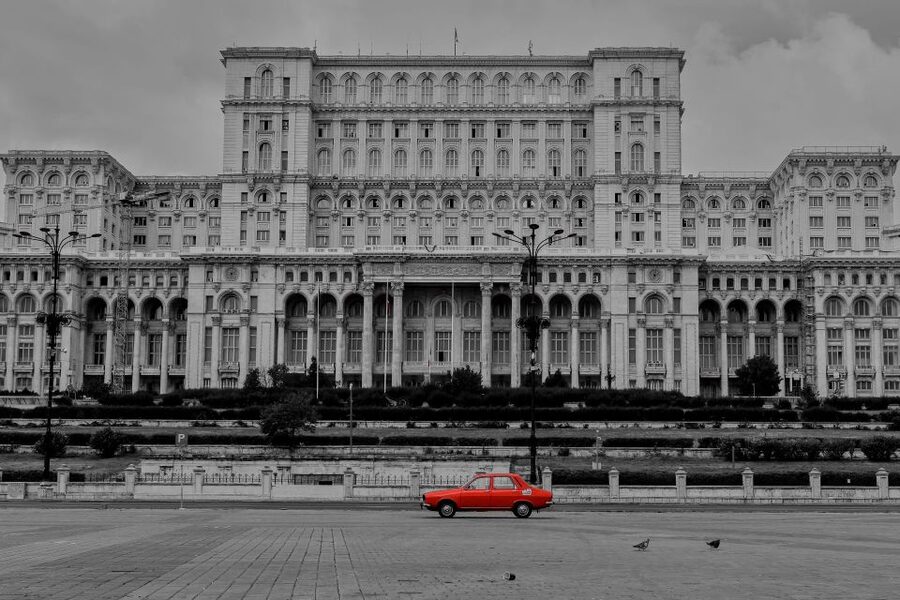
The third Bucharest stop is the Palace of Parliament, with another 40 minutes for photos, sightseeing, and commentary. The building is one of the clearest physical reminders of Ceaușescu’s rule. Its enormous scale is impressive, but the tour stresses the human cost behind its construction.
You will hear about a gigantic government building paid for through hardship and blood, along with stories of phantoms connected with the House of Parliament. You may also hear about million-dollar robberies from the National Bank of Socialist Romania and people who became overnight billionaires through bootlegging during the communist period.
This section gives the tour its strongest link between architecture and crime. The building is not presented as an isolated monument. Instead, it becomes part of a wider story about forced sacrifice, state power, corruption, and the strange opportunities created by an oppressive system.
The stop is a photo visit rather than an interior tour. That distinction matters. If you want to see the inside of the Palace of Parliament, you should arrange that separately. Here, the value comes from the guide’s storytelling and from viewing the building in the context of the tour’s larger argument.
More communism history tours:
- The Real tour of Communism
★ 5.0 · 666 reviews - Life under Communism
★ 5.0 · 358 reviews - 3-Hour Guided Tour of Communist Bucharest
★ 4.9 · 303 reviews - Bucharest Essential Tour: Old Town, Calea Victoriei & Communism
★ 5.0 · 142 reviews
The Dacia 1300 makes the road part of the story
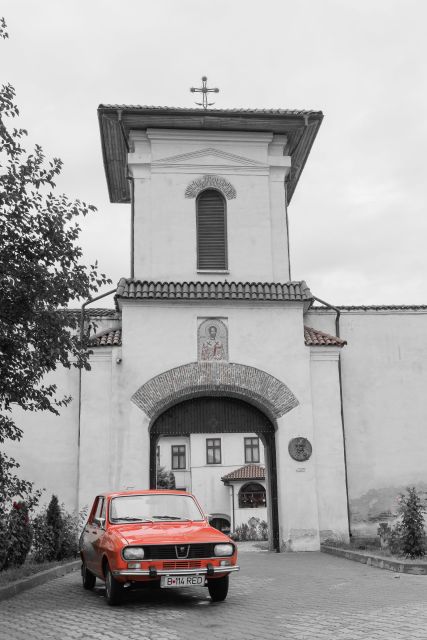
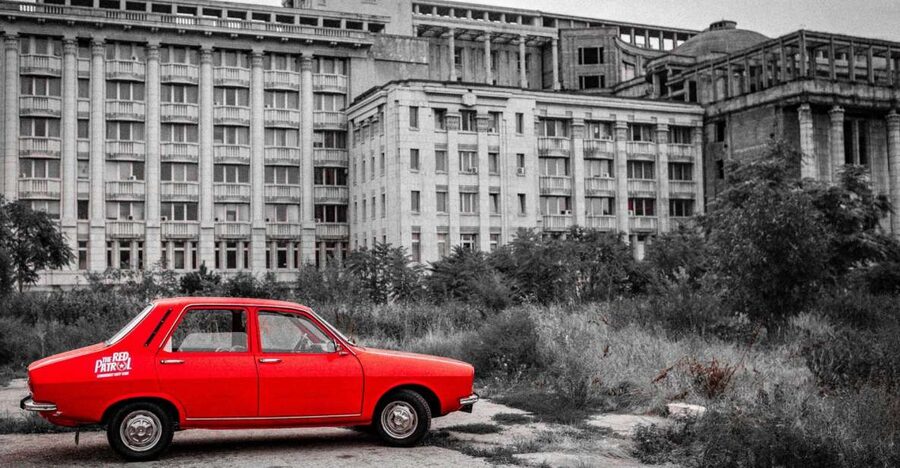
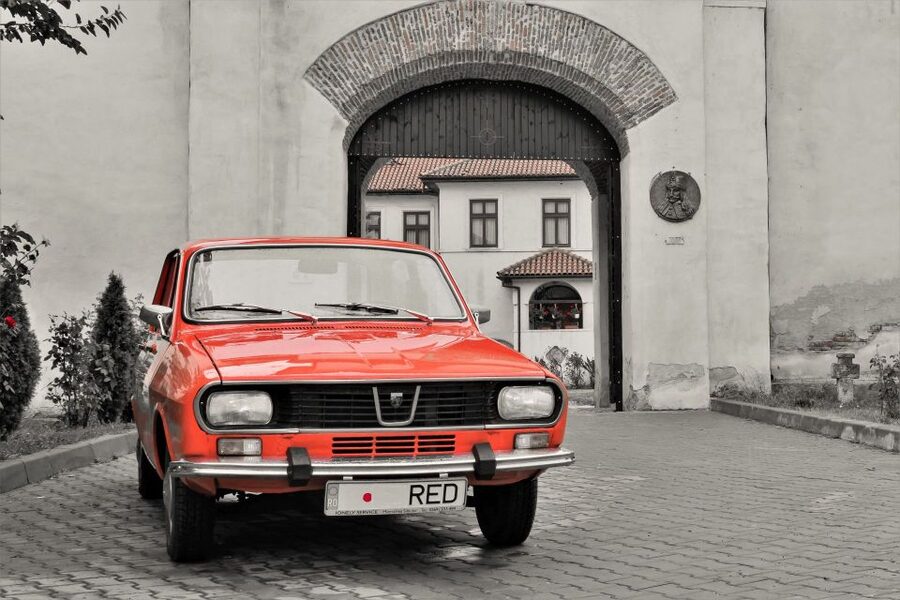
After the three city stops, you leave Bucharest in a fully restored Romanian Dacia 1300 or 1310 from the 1980s. The car seats three people and is driven by a private driver unless you book the private option that allows you to drive it yourself.
This is one of the tour’s best ideas. A modern minivan would get you to Comana more easily, but it would not say much about Romania’s recent past. The Dacia was an everyday symbol of the communist period, so riding in one adds a physical link to the Ceaușescu section of the tour.
The trade-off is comfort. The car is old by design, and the tour is not suitable for people with back problems, mobility impairments, or wheelchair users. Large bags and oversize luggage are not allowed. Pack light and wear shoes that are comfortable for walking and standing.
The long drive also gives the guide room to shift the mood. The first part concerns Bucharest’s modern and communist-era crimes. The road outside the city takes you toward the medieval story of Vlad the Impaler and the place associated with his death and burial.
The total route covers about 110 kilometers. A reported outing included a short break for a toilet visit, snack, and refreshment, which is helpful during a six-hour program. Even so, I would eat something before pickup and carry only a small personal bag.
Comana Monastery and the story of Dracula’s death
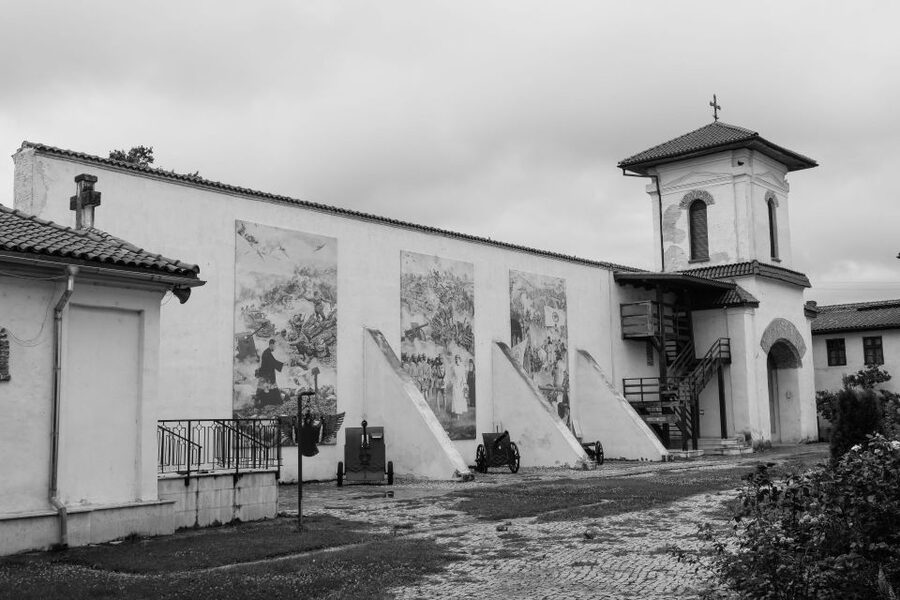
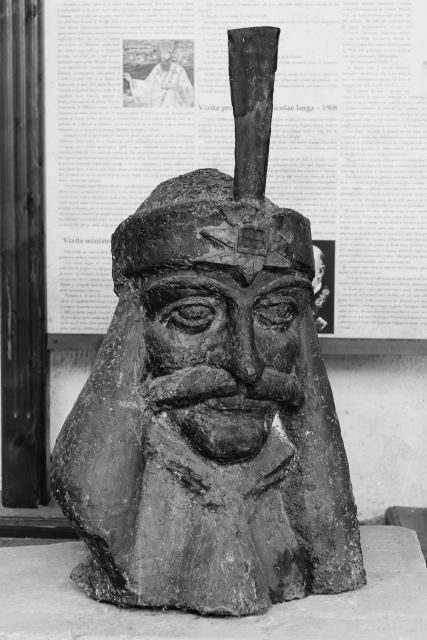
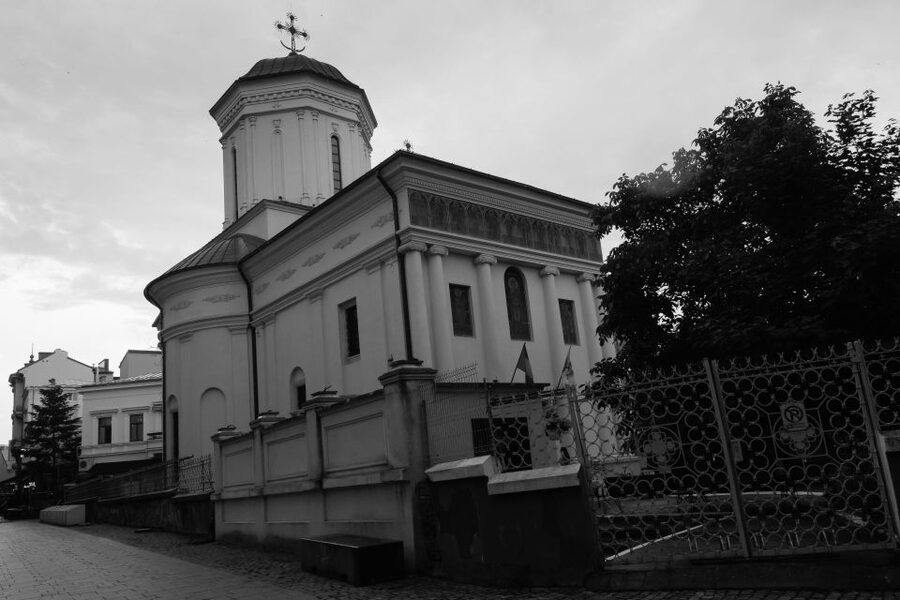
The tour’s grand finale takes place outside Bucharest at Comana Monastery. The stop lasts around 30 minutes and includes a visit to the monastery, the place where Vlad the Impaler is said on this tour to be buried, and an ossuary connected with victims of the First World War.
The experience is more interesting than a simple Dracula photo stop. Vlad is often reduced to a fictional vampire, but this tour presents him as Vlad the Impaler, a medieval ruler remembered for extreme punishment and political violence. The monastery gives the story a real physical setting, while the ossuary shifts your attention from one famous ruler to the many ordinary people lost in war.
You should expect a religious and memorial site, not a Dracula theme park. That is a major advantage for anyone who wants a historical atmosphere rather than theatrical decorations. At the same time, the tour’s claim about the exact place of Dracula’s assassination and burial should be understood as part of its presentation. If the fine points of Vlad’s final days matter greatly to you, ask the guide how the local tradition and historical evidence fit together.
Entrance to the monastery, ossuary, and nature reserve is included. This saves you from arranging separate tickets and makes the out-of-town section feel like a proper part of the experience rather than an optional add-on.
Comana Natural Park adds a quieter final note
After the monastery, you spend about 20 minutes at Comana Natural Park. The tour presents the reserve and its natural lake area before returning to Bucharest.
This short stop provides a needed pause after several hours of murder, political terror, and grim tales. You can take photographs, hear about the reserve, and enjoy a change from the city. The stop is brief, so do not expect a long walk or a full nature excursion.
That limited time is worth noting. Comana is included to round out the route and to give the final section some air, not to provide a complete park visit. If your main interest is wildlife or hiking, this tour is not designed for that. If you like the contrast between a memorial site and a quiet natural setting, the stop works well.
The return to Bucharest completes the circuit, with hotel drop-off included from a Bucharest address.
What you get for $205
At $205 per person, this is an expensive tour for one person. The price becomes easier to justify when you use the private format and share it with others, since you receive hotel pickup and drop-off, a dedicated guide, a restored three-person Dacia, water, a newspaper, a personalized gift, and entrance fees for the monastery, ossuary, and reserve.
You are also paying for a very specific experience that is difficult to reproduce independently. To match it yourself, you would need to arrange a classic car, a driver, transport to Comana, a guide for the Bucharest stops, and the out-of-town visits. The convenience is valuable, especially if you have only one day to connect Bucharest with Vlad’s story.
The price is less attractive if you want a broad introduction to the city or a conventional historical tour. Three 40-minute city stops leave little time for museums or extended exploration. You also spend a substantial part of the day in the car.
The included newspaper and gift are pleasant extras, but they should not determine your decision. The real value is the private guide, the unusual vehicle, and the combination of city history with a rural monastery and memorial site.
Who should book this experience
I would recommend it to you if you enjoy dark history, crime stories, communist-era Romania, and unusual forms of transport. It suits people who have already seen Bucharest’s main sights and want a tour with a clear theme.
It is also a good choice for a small private group of up to three people. You can ask questions, control the pace of conversation, and avoid the noise of a large coach. English is the tour language, and hotel pickup keeps the start simple.
I would not choose it for young children unless you already know they can handle graphic material. The stories include executions, murder, abuse, and suffering. Pregnant people, wheelchair users, and people with mobility or back problems should select another activity.
Bring comfortable shoes, your booking confirmation, water if you prefer your own supply, and no large luggage. If you want to drive the Dacia yourself, book the option that specifically allows it. Otherwise, the private driver handles the car.
Should you book the Dracula to Ceaușescu tour?
Book it if you want Bucharest presented through its darkest chapters and you like the idea of riding in an old Romanian Dacia. The strongest parts are the private storytelling, the clear connection between medieval and communist-era violence, and the visit to Comana Monastery with its ossuary.
Skip it if you want a relaxed city tour, extensive interior visits, or a serious academic study with sources for every legend. The subject is heavy, the car is compact, and the price is high for a solo booking.
For the right person, this is a memorable way to connect Bucharest’s landmarks with the stories usually left in the shadows. Guide Crinu’s friendly approach, the small-group setting, and the unusual route help keep the six hours engaging even when the material is grim.
FAQ
How long does the tour last?
The tour lasts six hours, including the Bucharest stops, the drive to Comana, the monastery and ossuary visit, the nature reserve stop, and the return to Bucharest.
Is hotel pickup included?
Yes. Pickup and drop-off are included from your hotel or Bucharest address.
What language is the tour offered in?
The live tour guide speaks English.
How many people fit in the Dacia?
The restored Dacia is described as a three-person car. If you wish to drive it yourself, you need to book the private option that allows self-driving.
Does the price include entrance fees?
Yes. Entrance to the monastery where Vlad the Impaler is presented as buried, the ossuary, and the natural reserve is included.
Is the tour suitable for people with mobility or back problems?
No. The tour is not suitable for pregnant women, people with back problems, people with mobility impairments, or wheelchair users. Large bags and oversize luggage are also not allowed.
Just added in Bucharest
- Bucharest: Dealu Mare Winery Private Trip with Wine Tasting★ 4.9 · 6 reviews
- Winery touring & private wine tasting – one day private tour★ 5.0 · 3 reviews
- Village Museum Bucharest Guided Tour★ 5.0 · 6 reviews
- Transylvania Tour: Dracula’s Castle, Peles Palace & Brasov★ 5.0 · 19 reviews
- Transfer Airport Otopeni – Bucharest★ 5.0 · 2 reviews
- Private Transfer Bucharest Otopeni Airport (OTP) to/from Brasov★ 5.0 · 2 reviews
- Bucharest Airport Transfer To Constanta Mamaia★ 5.0 · 3 reviews
- Airport Henri Coanda (Otopeni) to Bucharest – Private Transfer – Driver★ 5.0 · 5 reviews
Bran Castle and Dracula Tours, compared.
Dracula’s Castle, Peles Castle, & Brasov Old Town
Read our review →
Dracula Castle, Peles Castle & Brasov Old Town
Read our review →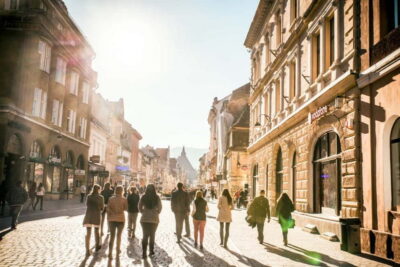
Dracula’s Castle, Peleș Castle & Brașov Day Trip
Read our review →Day Trip to Dracula Castle, Peles Castle & Brașov
Read our review →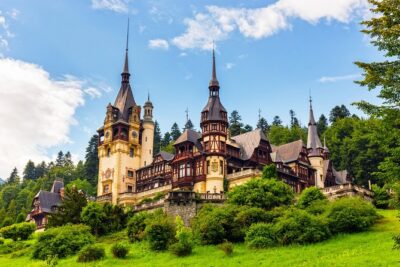
Bucharest to Dracula Castle, Peles Castle and Brasov Guided Tour
Read our review →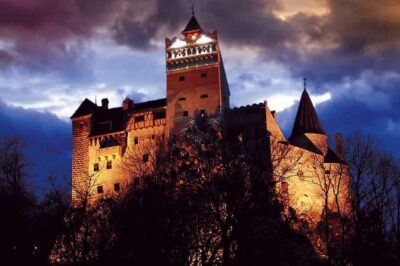
Dracula’s Castle, Peles Castle and Brasov Day Trip from Bucharest
Read our review →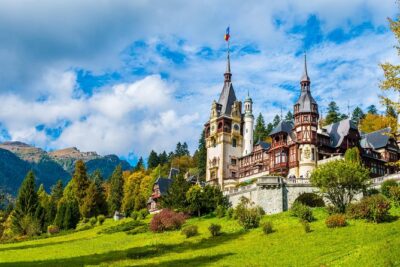
Transylvania and Dracula Castle Full Day Tour from Bucharest
Read our review →
Browse the lists this tour appears in