
REVIEW · TIMISOARA TOURS
The Classic Tour of Timisoara
Timisoara reveals itself one square at a time. This two-hour walking tour links the city’s grand central spaces with stories about fortifications, politics, architecture, and daily life. I like the way it gives you a useful first look at the center without trying to cover every corner of the city. I also like that guides such as Teo, Dan, Sergiu, Marius, and Ludovic are praised for adding humor, personal insight, and clear historical detail.
The main consideration is the price: $48.39 per person is fair if you value a strong introduction and personal guidance, but it is not a bargain-priced stroll. You also pay separately for the traditional coffee or beer, and the tour needs good weather, so hot summer days may require some planning.
In This Review
- Key things to know before you book
- Why this two-hour walk is useful
- Starting at Piata Victoriei and the city’s great transformation
- Unirii Square, Timisoara’s old downtown
- The Opera Romana House and a short architectural pause
- Libertatii Square and the old administrative center
- Maria Theresia Bastion and the logic of defense
- Bruck House, a five-minute look at city style
- Catedrala Sfantul Gheorghe and Central European baroque
- What the guides do particularly well
- Price, pace, and what you actually receive
- Who should book this Timisoara tour?
- My booking verdict
- FAQ
- How long does the Classic Tour of Timisoara last?
- What language is the tour offered in?
- How much does the tour cost?
- Where does the tour start and finish?
- Are food and drinks included?
- How many people can join the tour?
- What happens if the weather is poor?
Key things to know before you book
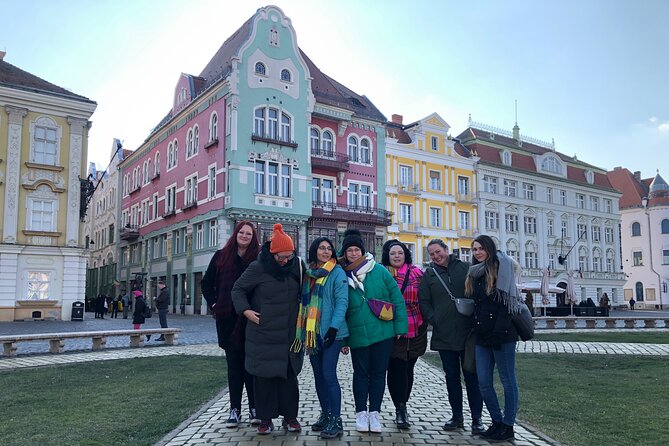
- The route covers Timisoara’s historic core in about two hours, with seven main stops and free admission at each.
- Piata Victoriei gives you the best historical setup, from the city’s demolished defenses to its early 20th-century building boom.
- The guides add more than dates and names, with humor, local observations, and answers to personal questions.
- The tour ends where it starts, at Timisoara City Tours on Strada Alba Iulia no. 7.
- Coffee or beer can add a local touch, but drinks and food are not included in the tour price.
- The group can reach up to 20 people, while group discounts may make the cost more attractive for larger bookings.
Why this two-hour walk is useful
Timisoara is an easy city to like, but its central streets can leave you with more questions than answers. Why are the squares so open? Where did the old defensive walls go? Why do Austro-Hungarian, Central European, Romanian, and modern influences sit so close together?
This tour gives you a framework. Instead of simply pointing at attractive buildings, the guide explains how the city changed over time. You begin with the removal of the old fortifications and the development that followed, then move through the former administrative center, one surviving bastion, several notable buildings, and a major baroque cathedral.
That order matters. You are not just collecting photographs. You are learning how Timisoara expanded beyond its defensive ring and how its civic center took shape.
The tour is conducted in English and lasts approximately two hours. That is long enough for a useful introduction but short enough to fit into a busy arrival day. I would choose it early in a Timisoara visit, since the route helps you get your bearings before you return to the squares and buildings at your own pace.
The provider accepts mobile tickets, and the maximum group size is 20. That is not an intimate private walk, but it is still small enough for questions if the guide manages the group well. A minimum of two people per booking applies, and children must be accompanied by an adult.
More Timisoara trips:
- Weekly Guided Tour in English – Tuesday, Thursday, Saturday
★ 5.0 · 84 reviews - Timisoara All in One – Walking and Tram Tour
★ 5.0 · 72 reviews - Timisoara: Guided Walking Tour
★ 4.9 · 38 reviews
Starting at Piata Victoriei and the city’s great transformation
The tour begins at Piata Victoriei, one of the most useful places in Timisoara to understand the modern center. The guide discusses the city’s defortification and the real-estate boom of the early 1900s, a period when Timisoara began to spread beyond its old military boundaries.
This is a strong opening because the buildings around the square are not presented as isolated monuments. The discussion connects urban growth with the grand facades that followed. You will see the Opera House, the Mitropolita Cathedral, and a collection of Art Nouveau palaces.
Allow about 30 minutes here. Admission is free, and the stop is mostly about the view, the setting, and the explanation. Bring your camera, but do not rush through the talk. The real value is seeing the square as a record of the city’s changing fortunes.
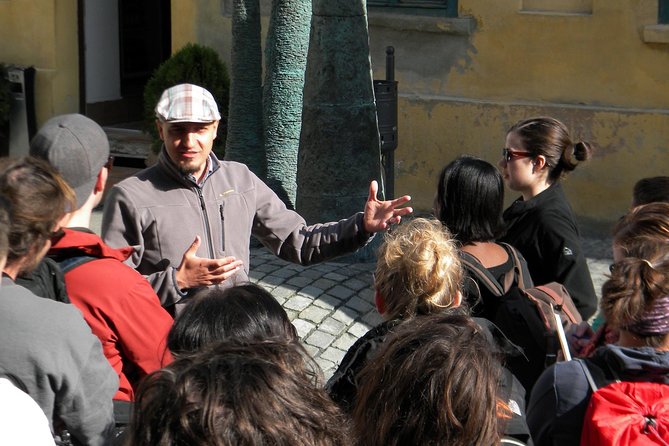
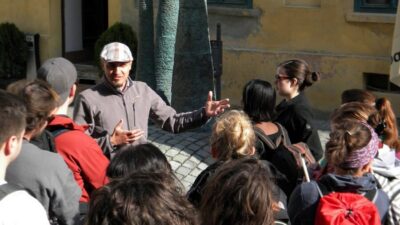
The guide’s storytelling style seems to be one of the tour’s strongest features. Teo is praised for giving personal, engaging explanations and answering questions. Ludovic is described as mixing historical detail with humor, while Sergiu is repeatedly praised for explaining the city’s past clearly without making the walk feel heavy.
A practical point: much of this experience takes place outdoors. One guide continued with a group during temperatures of 40C, but that should be treated as a warning as much as a compliment. In hot weather, carry water, use sun protection, and consider booking a cooler time of day if the schedule allows.
Unirii Square, Timisoara’s old downtown
From Piata Victoriei, the walk continues to Unirii Square, the old downtown. This is another 30-minute stop, and it is likely to become one of your favorite places on the route because the square brings Timisoara’s historic character into one view.
Here, the guide can help you read the center as an old civic and commercial area rather than just a pleasant open space. The stop is also a good chance to ask questions about the relationship between the city’s different communities, buildings, and periods of rule, since the guides are praised for discussing culture and people as well as architecture.
One section of the supplied route information identifies an additional point simply as one of the symbols of Timisoara. The exact landmark is not specified, so you should not book expecting a particular monument at that point. The useful takeaway is that the walk includes a symbolic city reference between the larger square stops.
Unirii Square is free to visit, but the experience depends on the guide’s explanation. If you wandered through alone, you would still see attractive buildings. With a good guide, you gain the background that makes those buildings easier to remember.
The Opera Romana House and a short architectural pause
The Opera Romana House was built in 1875 and receives a brief five-minute stop. That may sound minor, but short stops can work well on a compact city walk. You get the building’s key story without spending too much time standing in one place.
The building’s history is described as particularly interesting, though the exact details are best heard from the guide during the tour. This is a good example of why the guide matters. A five-minute explanation can point out the detail you might otherwise miss, then keep the route moving.
The walk does not offer interior admission to the Opera House as part of the experience. The stops are free, and the focus is on exterior interpretation and the surrounding streets.
A completely different kind of day out:
- Day trip to Corvin Castle and Sibiu (and back) from Timisoara
★ 5.0 · 30 reviews - Timișoara Highlights – Walking Tour
★ 5.0 · 28 reviews - Danube Gorge & Banat Waterfalls
★ 5.0 · 27 reviews - Timisoara: Classic Walking Tour
★ 5.0 · 26 reviews
Libertatii Square and the old administrative center
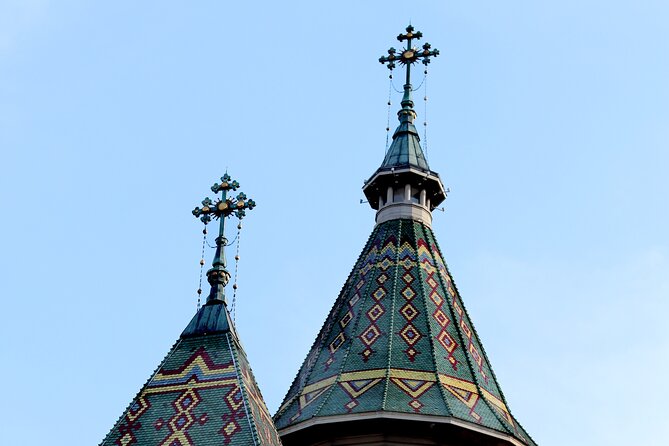
Libertatii Square takes about 20 minutes. It served as Timisoara’s old administrative center and was built largely during the 1700s. This stop shifts the focus from later commercial growth to earlier government and civic life.
I like this part of the route because it adds a different layer to the city. Piata Victoriei helps explain expansion and architectural ambition. Libertatii Square helps explain how authority was organized before that expansion.
The square also gives you a chance to compare the city’s periods instead of treating Timisoara as one neatly defined architectural style. The guide can show how the older administrative center relates to the later palaces, opera buildings, and central avenues.
The stop is free and lasts long enough for a clear explanation without becoming a lecture. If you enjoy urban history, this may be one of the most valuable sections of the walk.
Maria Theresia Bastion and the logic of defense
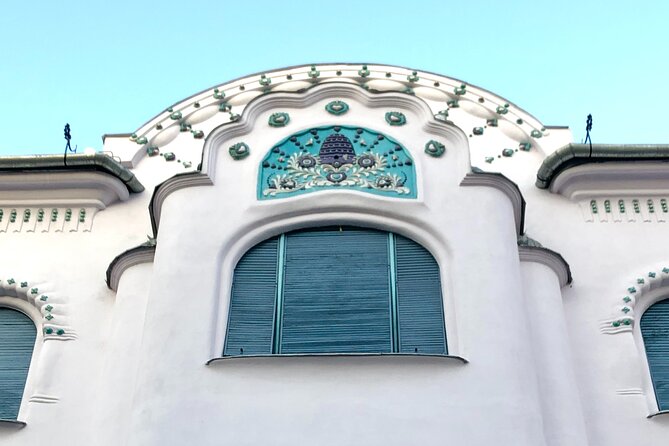
The Maria Theresia Bastion is the route’s main military landmark. The tour spends about 15 minutes here, explaining that it was once the largest of Timisoara’s nine bastions and showing how a fortification of this type worked.
This is where the city’s earlier defensive purpose becomes easier to picture. A bastion is not just a thick old wall. Its shape, position, and relationship to the rest of the defenses were practical responses to military needs. A guide can explain that system far better than a quick photograph and a paragraph in a guidebook.
The stop is especially useful for anyone who finds military architecture hard to interpret. You can ask how the bastion related to the city walls and why such a large defensive system was needed. The discussion helps connect the fortifications with the later defortification mentioned at the start.
Again, there is no admission fee included because no ticket is required for the stop. The focus is on the exterior and the story.
Bruck House, a five-minute look at city style
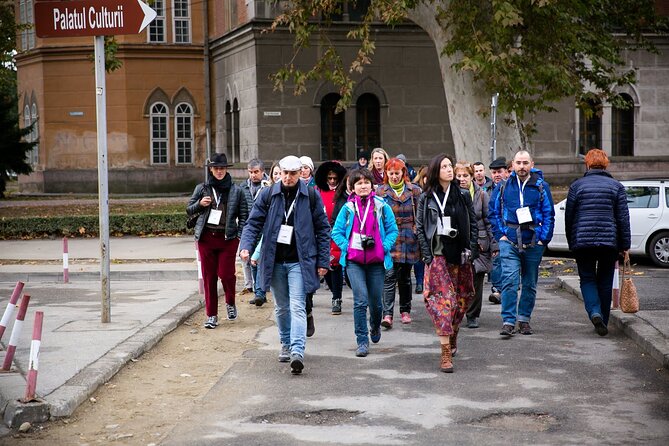
Bruck House is described as one of Timisoara’s most beautiful buildings, and the tour allows five minutes to view it. That is enough time for the guide to point out its character and for you to pause for photographs.
The short stop is a reminder that this is an orientation walk, not an interior architecture tour. You will see several important facades, but you should not expect extended access inside each building.
Bruck House works well in the sequence because it brings you back from military history to the city’s visual identity. After hearing about walls, bastions, administration, and urban growth, you can look at the building with a better sense of the city’s changing tastes.
Catedrala Sfantul Gheorghe and Central European baroque
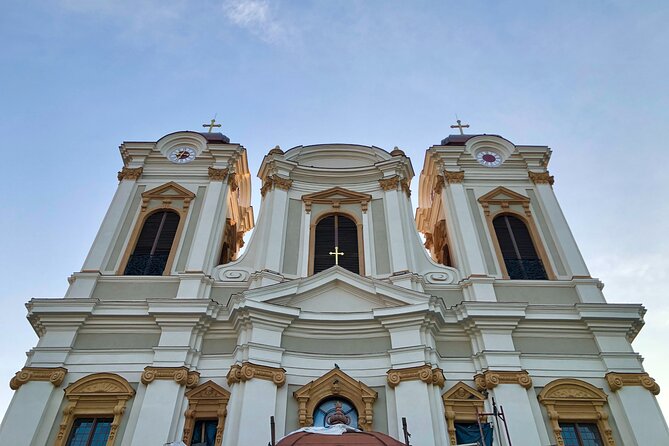
The final listed stop is Catedrala Sfantul Gheorghe, a typical Central European baroque cathedral. The visit takes about five minutes and gives the route a concise architectural finish.
The cathedral is useful as a final comparison point. By this stage, you have already seen later Art Nouveau buildings, older civic spaces, and a major fortification. The baroque cathedral adds another period and shows why Timisoara feels so layered.
The stop is brief, so anyone hoping for a long interior visit or detailed religious-art commentary may want to explore the cathedral separately. The tour’s purpose is to give you a clear first reading of the building and its place in the old center.
What the guides do particularly well
The strongest praise is directed at the guides rather than at any single monument. That makes sense for a walking tour. The streets and squares are open to everyone, but the quality of the explanation determines how much you take away.
Dan is praised for being friendly and clear, and for explaining details you would likely miss while walking alone. One especially practical touch was his help retrieving Covid test results, showing a willingness to assist beyond the formal script.
Sergiu receives repeated praise for accurate historical explanations, strong English, and the ability to keep the group’s attention. Marius is described as warm and professional, with useful knowledge of food, culture, people, and history. Alex and Armand are also praised for being friendly, calm, and competent.
The guide may also be able to speak languages beyond English. One account describes a French conversation, while German-speaking participants praised the explanation and personal manner of their guide. English is the stated tour language, so you should confirm any other language needs before booking.
A good guide can make the two-hour limit feel generous. A poor one could make the same route feel like a list of facades. The available feedback gives this experience a strong record on that most important point, with a five out of five rating from 154 reviews and 100 percent recommendation.
Price, pace, and what you actually receive
At $48.39 per person, this is not the cheapest way to walk around Timisoara. The price covers the professional guide, not food, drinks, or paid attractions. Since every listed stop has free admission, you are paying mainly for interpretation, organization, and the chance to ask questions.
That can be good value if you are visiting for the first time and want a clear introduction. A guide can explain the city’s fortifications, architecture, and urban growth in two hours, then point you toward further places to explore. One guide even recommended additional experiences after the walk, which is useful when your stay is short.
The value is less clear if you already know central Timisoara well or prefer to read independently. You can walk through the main squares without paying an admission fee. In that case, the tour earns its price only if the stories and explanations add enough to your day.
The pace appears moderate, with most time spent at the two main squares and shorter pauses at individual buildings. You should be prepared to walk and stand outdoors for the full two hours. The route is suitable for most people, and the meeting point is near public transportation.
Traditional coffee and beer are mentioned as possible tastings, but they are at your own expense. Think of these as optional local breaks rather than part of the package. If you want to keep costs controlled, budget for the tour itself and decide during the walk if you want a drink.
Who should book this Timisoara tour?
I would recommend it most strongly to first-time visitors who want historical context before exploring alone. It also suits anyone who enjoys architecture but does not want a long academic lecture. The guide style described by the feedback is friendly, humorous, and open to questions.
It is a good fit for couples, small groups, and families with older children, provided children are accompanied by an adult. Group discounts may improve the value for larger bookings, although the group can reach 20 people.
You may prefer another approach if you want museum interiors, a food-focused tour, or a private walk with a slower pace. The route is centered on outdoor landmarks and public squares. It offers a broad introduction rather than specialist access.
Book with the weather in mind. The activity requires good weather, and poor conditions can lead to a different date or a full refund. Free cancellation is available until 24 hours before the start time, but changes or cancellations inside that window are not refunded.
My booking verdict
Book the Classic Tour of Timisoara if you want to understand the center quickly and hear the stories that connect the squares, palaces, cathedral, and bastion. The best reason to choose it is the guide quality, with Teo, Dan, Sergiu, Marius, Ludovic, Alex, and Armand all receiving praise for clear explanations and a personable approach.
The tour is worth the $48.39 when you value that human context and plan to explore more afterward. If you only want a free walk past the main buildings, you can cover the route yourself. For a first visit, though, this is a practical way to get oriented, ask questions, and see why Timisoara’s center is much more than a collection of handsome facades.
FAQ
How long does the Classic Tour of Timisoara last?
The tour lasts approximately two hours.
What language is the tour offered in?
The tour is offered in English. Some guide interactions have also included French or German, but English is the stated tour language.
How much does the tour cost?
The listed price is $48.39 per person. Group discounts are available.
Where does the tour start and finish?
It starts at Timisoara City Tours, Strada Alba Iulia no. 7, Timișoara 300077, Romania. The activity ends back at the same meeting point.
Are food and drinks included?
No. Food and drinks are not included. Traditional coffee and beer may be sampled at your own expense.
How many people can join the tour?
The maximum group size is 20 people. A minimum of two people is required for each booking.
What happens if the weather is poor?
The experience requires good weather. If it is canceled because of poor weather, you will be offered a different date or a full refund. You can also cancel up to 24 hours before the start time for a full refund.
Just added in Timisoara
- Timisoara Downtown Dream Tour★ 5.0 · 5 reviews
- Bite your way through Timisoara – Timisoara’s Street Food Tour★ 5.0 · 14 reviews
- Timişoara: Private Walking Tour with Local Guide★ 5.0 · 1 review
- The Grand Tour of Communist Ages at Timisoara★ 5.0 · 17 reviews
- The Jewish Heritage Tour of Timisoara★ 5.0 · 9 reviews
- Nera Gorge National Park – Private Day Tour from Timisoara★ 4.5 · 4 reviews
- Hiking back in time: The Remote Villages of Banat★ 5.0 · 2 reviews
- One Day in Transylvania – Departure from Timisoara★ 5.0 · 16 reviews
Timisoara Tours, compared.
Weekly Guided Tour in English – Tuesday, Thursday, Saturday
Read our review →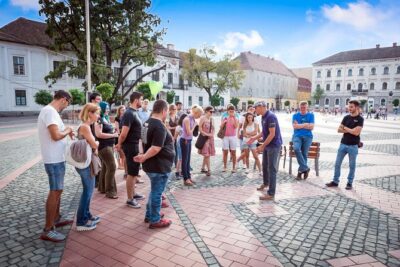
Day trip to Corvin Castle and Sibiu (and back) from Timisoara
Read our review →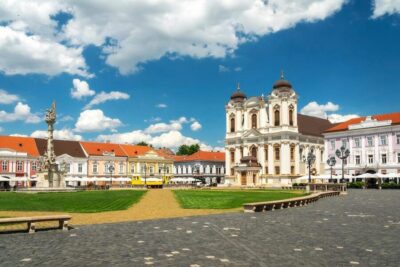
Browse the lists this tour appears in