
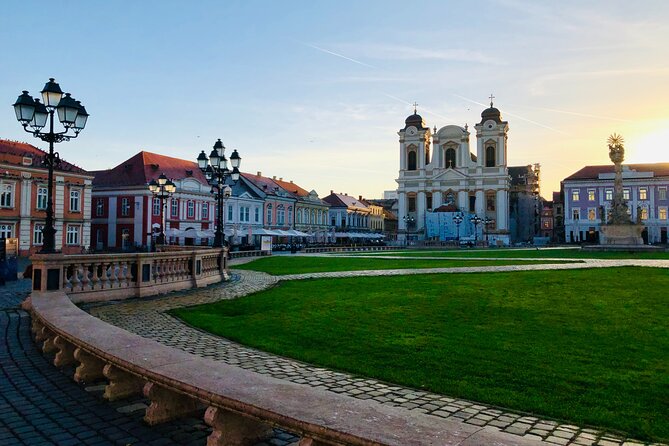
REVIEW · TIMISOARA TOURS
Weekly Guided Tour in English – Tuesday, Thursday, Saturday
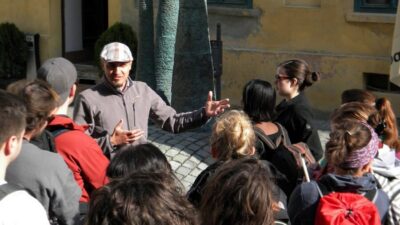
Timisoara’s story is written in its squares. This two-hour English walking tour connects Ottoman-era sites, the old fortress, grand Habsburg buildings, and the place where Romania’s 1989 Revolution began. I especially like the small maximum of 15 people and the clear historical route, which gives you a useful first look at the city without taking up half a day.
I also like that the guide points out places many first-time visitors could miss, rather than simply leading you between postcard views. Sergiu is praised for his warm, well-informed approach, while Dan has helped visitors with a good lunch recommendation. The main consideration is pace: seven stops in two hours means some explanations will be brisk, and the published route information gives both Piața Victoriei and the original meeting point as the finish, so confirm the end point when you book.
In This Review
- Key points to know before booking
- Why this Timisoara walk works well
- Starting at Palatul Culturii at 10:30
- Huniade Castle and three layers of building
- Liberty Square and the Ottoman chapter
- Saint George Square and a second look at Ottoman Timisoara
- Maria Theresia Bastion and the last piece of the fortress
- Unirii Square, Timisoara’s grandest setting
- Returning to Liberty Square for statues and buildings
- Piața Victoriei and the 1989 Revolution
- What the guides add
- Is $24.14 a fair price?
- Who should book this tour?
- Booking, timing, and cancellation
- Should you book the Timisoara walking tour?
- FAQ
- When does the tour operate?
- What time does the tour start?
- Where does the tour begin?
- How long does the tour last?
- How large is the group?
- What is included in the price?
Key points to know before booking
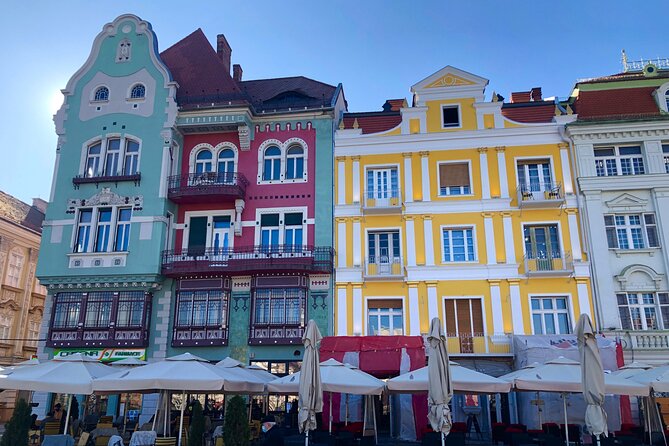
- Ottoman and Habsburg Timisoara in one walk: The route explains how the city changed hands, how the former fortress developed, and what remains today.
- Only 15 people maximum: A small group makes it easier to hear the guide and ask questions.
- Seven central stops: You visit Huniade Castle, Liberty Square, Saint George Square, Maria Theresia Bastion, Unirii Square, and Piața Victoriei.
- A strong focus on local history: The tour covers the 1989 Romanian Revolution, Ottoman rule, Saint George, and the buildings around Timisoara’s main squares.
- Good value at $24.14: For about two hours with a professional English-speaking guide, the cost is reasonable for a first orientation.
- Runs three mornings a week: Tours begin at 10:30 a.m. on Tuesday, Thursday, and Saturday.
Why this Timisoara walk works well

Timisoara can look easy to understand at first. You see handsome squares, church towers, colorful facades, and broad pedestrian streets. But the city’s appearance does not explain itself. A building may belong to the Habsburg period, sit on ground once shaped by Ottoman rule, and be close to a square tied to the fall of communism.
That is where this tour earns its price. It gives you a timeline. You move from Huniade Castle to Ottoman-era Liberty Square, then to the old fortress remains, the grand setting of Unirii Square, and finally the 20th-century story of Piața Victoriei.
I like this kind of city walk because it helps you read Timisoara afterward. You are not just collecting photographs. You learn why the squares look different, why the fortress once mattered, and why the city’s recent political past still matters.
The group limit is 15 people. That is small enough for a personal feel without making the tour dependent on one or two companions. The professional guide speaks English, and the high rating, with 84 five-star ratings and 100 percent recommendation, points to a consistently strong experience.
Still, this is a walking overview, not a full museum tour. Admission is not listed for the stops because the experience focuses on seeing the sites and hearing the stories from outside or in public areas. If you want long interior visits, detailed architecture study, or extensive free time at each landmark, you may need to explore more on your own afterward.
More Timisoara trips:
- The Classic Tour of Timisoara
★ 5.0 · 154 reviews - Timisoara All in One – Walking and Tram Tour
★ 5.0 · 72 reviews - Timisoara: Guided Walking Tour
★ 4.9 · 38 reviews
Starting at Palatul Culturii at 10:30
The tour begins at Palatul Culturii, on Strada Mărășești 2, at 10:30 a.m. This is a practical starting point in the heart of Timisoara, close to the central sights covered during the walk.
A morning start suits the tour well. You get your bearings early, then have the rest of the day for museums, cafés, meals, or a second look at the squares that interested you most. Since the experience is offered on Tuesday, Thursday, and Saturday, you have several chances to fit it into a short stay.
Bring comfortable shoes and arrive ready to walk. The details do not give a total distance, so I would not plan a tight appointment immediately afterward. The seven stops account for about two hours, and questions or a slower group could affect the finish time.
The mobile ticket is useful for a city walk. You do not need to manage printed paperwork, and confirmation arrives when you book. Public transportation is nearby, and service animals are allowed.
Huniade Castle and three layers of building
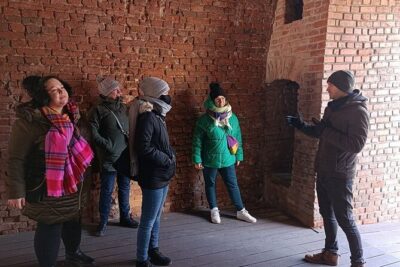
The first stop is Huniade Castle, with about 15 minutes set aside for the visit. The guide explains that three different castles were built on this site, with the last one constructed in 1856 still standing today.
That detail gives you a useful way to think about Timisoara. The building is not just an isolated medieval-looking monument. It represents repeated rebuilding and change, as the city adjusted to new rulers, new military needs, and new periods of development.
Fifteen minutes is enough for an introduction and a look at the exterior, but it is not a long castle visit. You should expect the guide to provide the background rather than take you through a full collection of rooms. If the castle interests you, note down what you hear and return later if access is available during your visit.
Liberty Square and the Ottoman chapter
The group then reaches Libertatii Square, also called Liberty Square. Here the focus shifts to the Ottoman period: how long Timisoara was under Ottoman rule, what happened during that time, and what became of buildings associated with that era.
This is one of the tour’s most useful sections because it moves beyond a simple list of dates. The guide connects political change with the city you can see around you. Buildings are not treated as decoration. They become evidence of the different periods Timisoara has passed through.
The stop lasts about 15 minutes. That keeps the story moving, though you may want to ask questions if the Ottoman period interests you especially. The route later returns to Liberty Square for another 20-minute discussion, so the first visit is not your only chance to understand the place.
A few more Timisoara days worth comparing
- Timisoara: Private Walking Tour with a Local Guide
★ 4.5 · 5 reviews - Timişoara: Private Walking Tour with Local Guide
★ 5.0 · 1 review - Bucharest: Palace of Parliament Tickets and Guide
★ 4.3 · 3,182 reviews - Bucharest to Dracula Castle, Peles Castle and Brasov Guided Tour
★ 4.5 · 2,933 reviews
Saint George Square and a second look at Ottoman Timisoara
At Piața Sfântul Gheorghe, the tour continues the Ottoman story while also bringing Saint George into the discussion. Another 15 minutes is planned here.
This stop works as a bridge between political history and religious or civic identity. Rather than treating Ottoman Timisoara as a single block of time, the guide adds another location and another point of reference. You get a sense that the city’s past is spread across several central spaces, not confined to one monument.
The benefit of a guide here is context. On your own, a square can be attractive but unclear. With an explanation, you can connect the name, the surrounding buildings, and the wider story of Timisoara.
Again, the time is limited. You will hear the key points and see the setting, but you should not expect an extended architectural lecture. This is a good stop for orientation, especially if you are new to the city.
Maria Theresia Bastion and the last piece of the fortress
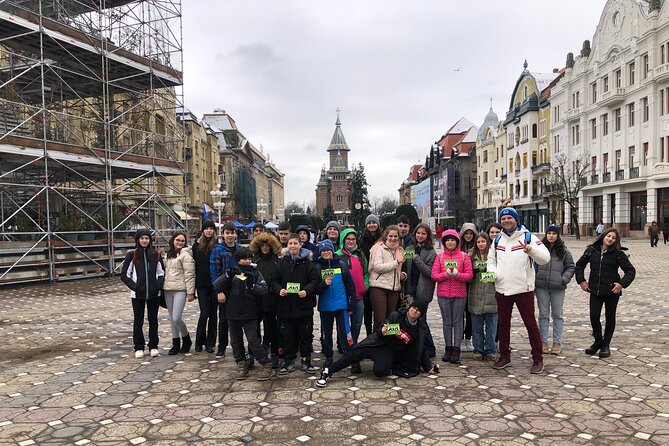
The tour next moves forward in time to Maria Theresia Bastion. About 20 minutes are set aside for this stop, which is described as the only remaining piece of Timisoara’s former fortress.
That makes the bastion especially important. It gives physical shape to a part of the city that might otherwise remain abstract. The earlier stops explain rule and rebuilding. Here, you see what remains of the defensive system and hear what happened after the Ottoman period.
I appreciate the chronological order. The tour does not jump randomly between famous sights. It moves from earlier fortifications and Ottoman rule toward the later development of the city. That makes the story easier to follow, especially if Romanian and Central European history are new to you.
The bastion also adds variety to the walk. You are not spending the entire two hours in grand civic squares. You get a different kind of urban space, tied to military history and the physical shape of the old city.
Unirii Square, Timisoara’s grandest setting
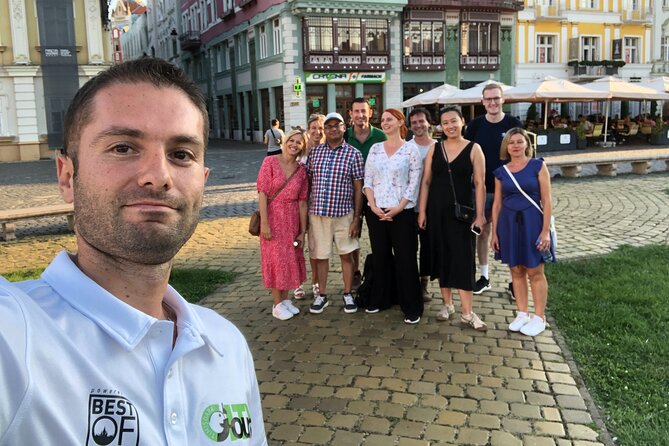
Unirii Square receives about 20 minutes, and it is likely to be one of the visual highlights. The square is described as the most beautiful in town, with several notable buildings and its own detailed story.
This is where the tour’s architectural side comes forward. The guide explains the important buildings around the square rather than leaving you to admire the facades without context. You learn what makes this space special and how its buildings fit into the city’s past.
The square is also a good place to slow down and look. Notice how the buildings frame the open space, then compare what you see here with the more defensive character of Maria Theresia Bastion. The contrast helps you understand Timisoara as both a fortified city and a later civic center.
Twenty minutes is a useful amount of time. It allows the guide to cover several buildings without turning the tour into a long stop. If you like photography, you may want to return later, when you can work at your own pace.
Returning to Liberty Square for statues and buildings
The route comes back to Liberty Square for a longer 20-minute stop. This time, the guide discusses additional buildings and the statue in the middle of the square.
The return is not wasted ground. It adds a second layer to a place you have already seen. First, you hear about the Ottoman period. Later, you look at the square through its buildings and central monument. That repeated visit can help the information stick.
This is also a reminder that city history is rarely arranged in neat compartments. One square can carry several periods at once. A guide can point out those layers faster than you could sort them out alone with a map.
If you prefer a brisk walk with constant movement, the return may feel slightly repetitive. If you value explanation, it is a strength. You get time to revisit a central location instead of rushing past it once.
Piața Victoriei and the 1989 Revolution
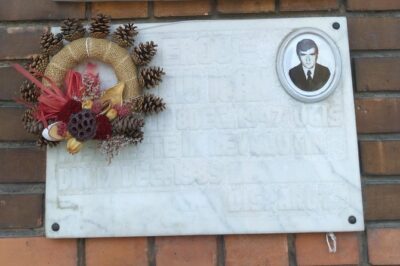
The final named stop is Piața Victoriei, with around 15 minutes devoted to this 20th-century square and the Romanian Revolution of 1989 against the communist regime.
This ending gives the tour a strong modern focus. Timisoara is not presented only as an old city of fortresses and imperial buildings. You also learn about the political events that shaped contemporary Romania.
The choice of ending is smart. After seeing centuries of change, you arrive at a place connected with one of the most important recent turning points in the country. The guide explains the square and the revolution, giving you a way to connect Timisoara’s older past with its modern identity.
The published information says the activity ends back at the meeting point, while the route description identifies Piața Victoriei as the end of the tour. Since those details do not fully match, ask the guide or operator to confirm the actual finish location before making plans. That is a small but worthwhile check.
What the guides add
The guide makes or breaks a history walk, and the named guide feedback is especially positive. Sergiu is praised for being friendly, attentive, and well informed, while another description highlights his ability to set a comfortable pace. That matters when a tour covers seven stops in two hours.
One especially useful quality is practical help beyond the formal route. Dan has given a lunch recommendation that turned out well, which suggests you can ask for local advice during or after the walk. A guide who can point you toward a good meal can save you from choosing a random place near a busy square.
There is also an account of a guide waiting for two people and helping them find their way. That suggests a patient approach, though you should not assume every tour will run at the same pace or have the same guide.
The guide names connected with the experience include Sergiu and Dan, but the assigned guide may vary. The important point is the style described: clear explanations, attention to the group, and a willingness to help with practical questions.
Is $24.14 a fair price?
At $24.14 per person, the tour is reasonably priced for a two-hour guided walk in central Timisoara. You are paying for a professional English-speaking guide, a small group, and a structured explanation of several important places.
The value is strongest if you are visiting for the first time. You get a basic map of the city’s history, then can decide which places deserve a longer return visit. That can save time and help you avoid wandering past important buildings without understanding them.
The price is less attractive if you only want photographs or already know Timisoara well. All listed stops have free admission, and the experience does not include souvenirs or personal expenses. Its value comes from interpretation, not entry tickets.
For many visitors, that is exactly the point. A free square is easy to see. Understanding why it matters is harder.
Who should book this tour?
I would choose this walk if you are visiting Timisoara for the first time, have about two hours available, and want a clear introduction in English. It suits people who enjoy history but do not want a full-day lecture.
It is also a good match for solo visitors and couples who prefer a small group. The 15-person limit offers a better chance to hear the guide and ask something specific without being swallowed by a large crowd.
Families and older adults may also find the format manageable because the experience lasts about two hours and stays in the central city. The available information says most people can participate, but it does not provide detailed information about step-free access or the exact walking distance. If those points matter to you, ask before booking.
This may not be the best choice for you if you want extensive interior access, a private guide, or a slow photography tour. It is a compact city introduction with a historical focus.
Booking, timing, and cancellation
The tour runs at 10:30 a.m. on Tuesday, Thursday, and Saturday. It is often reserved about eight days ahead, so booking early is sensible if your schedule is fixed.
Confirmation is provided at booking, and the mobile ticket is convenient for meeting the guide. Public transportation is nearby, and service animals are allowed.
Free cancellation is available if you cancel at least 24 hours before the local start time. Cancellations or changes made within 24 hours are not accepted for a refund, so check your plans before the deadline.
Should you book the Timisoara walking tour?
Yes, if you want a friendly, well-organized first look at Timisoara’s central story. The combination of Ottoman rule, Huniade Castle, the surviving fortress bastion, Unirii Square, and the 1989 Revolution gives you more than a standard photo walk.
I would book it early in a short visit, then use the rest of the day to return to the places that caught your attention. At $24.14, the tour offers solid value for clear English guidance and a small group.
Just remember what it is: a brisk overview, not an in-depth museum visit. Confirm the final meeting point, wear comfortable shoes, and come ready to listen. For most first-time visitors, that is a smart way to begin Timisoara.
FAQ
When does the tour operate?
The tour is offered in English on Tuesday, Thursday, and Saturday.
What time does the tour start?
The start time is 10:30 a.m.
Where does the tour begin?
The meeting point is Palatul Culturii, Strada Mărășești 2, Timișoara.
How long does the tour last?
The tour lasts approximately two hours.
How large is the group?
The activity allows a maximum of 15 people.
What is included in the price?
The price includes a professional English-speaking guide. Souvenirs and other personal expenses are not included.
Just added in Timisoara
- Timisoara Downtown Dream Tour★ 5.0 · 5 reviews
- Bite your way through Timisoara – Timisoara’s Street Food Tour★ 5.0 · 14 reviews
- Timişoara: Private Walking Tour with Local Guide★ 5.0 · 1 review
- The Grand Tour of Communist Ages at Timisoara★ 5.0 · 17 reviews
- The Jewish Heritage Tour of Timisoara★ 5.0 · 9 reviews
- Nera Gorge National Park – Private Day Tour from Timisoara★ 4.5 · 4 reviews
- Hiking back in time: The Remote Villages of Banat★ 5.0 · 2 reviews
- One Day in Transylvania – Departure from Timisoara★ 5.0 · 16 reviews
Timisoara Tours, compared.

Day trip to Corvin Castle and Sibiu (and back) from Timisoara
Read our review →
Browse the lists this tour appears in