
REVIEW · COMMUNISM AND CEAUSESCU TOURS
Bucharest: Communism, Revolution & City Highlights Tour
Bucharest’s past is written in concrete. This private four-hour walk connects the Romanian Athenaeum, Revolution Square, University Square, Old Town, and Constitution Square into one clear story about a city reshaped by 45 years of communist rule. I like the private format, which lets your guide adjust the pace and answer real questions. I also like the hotel pickup, a small convenience that matters when you are still finding your way around Bucharest.
The main trade-off is that this is a history-heavy walking tour, not a broad sightseeing bus ride. You cover about 3 kilometers at a slow pace, with stops for photos, rest, or refreshments, but much of the time is spent listening and thinking. The Palace of Parliament is viewed from outside, and refreshments are not included.
In This Review
- Key details that shape the experience
- Why this Bucharest walk works so well
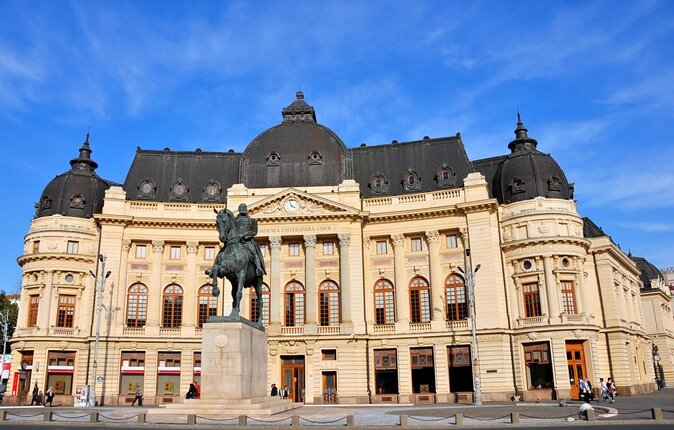
- Starting at the Romanian Athenaeum
- Revolution Square and Ceaușescu’s final speech
- University Square and the violence of 1989
- Old Town beyond the cafés
- Constitution Square and the Palace of Parliament
- What the private format adds
- Price, pace, and who gets good value
- Who should book this experience
- Should you book the Bucharest communism tour?
- FAQ
- How long does the Bucharest Communism, Revolution and City Highlights Tour last?
- How much walking is involved?
- Is hotel pickup included?
- Where does the tour begin?
- Where does the tour end?
- Is admission to the Palace of Parliament included?
- What happens if I need to cancel?
Key details that shape the experience
- Personal guide, private group: Only your party takes part, so the conversation can follow your interests.
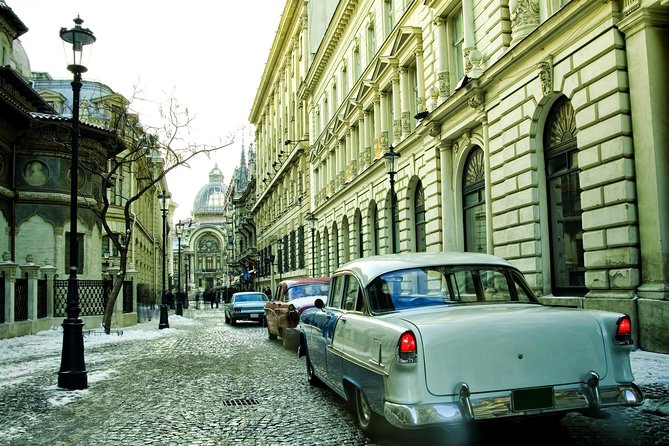
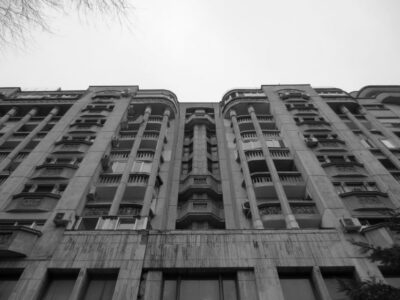
- A walk through two Bucharests: Belle Époque buildings and restored Old Town streets are set against the huge, severe buildings of the former Communist Civic Center.
- Strong focus on 1989: Revolution Square and University Square give the political story a physical setting.
- Family memories add texture: Guides such as Andra, Bogdan, Michael, Emma, Mircea, Tudor, and Mihai Vataselu have been praised for explaining the period through personal or family experiences.
- About 3 kilometers on foot: The pace is gentle, but comfortable shoes still matter.
- Ends in the city center: The walk finishes near Calea Victoriei and the Old Town, close to restaurants, cafés, shops, and museums.
Why this Bucharest walk works so well
Communism can be hard to understand from dates alone. In Bucharest, the subject becomes much clearer when you move from a concert hall built for a royal-era capital to a square tied to the dictator’s final speech, then on to the enormous structures created by his regime.
That sequence is the real strength of the experience. You are not simply shown a list of monuments. You follow a story from pre-communist Bucharest, through Soviet influence and dictatorship, to the violent collapse of the regime in December 1989.
I especially like the way the walk uses contrasts. Bucharest was once called Little Paris because of its elegant architecture and French-inspired urban style. The tour begins at the Romanian Athenaeum, a fine symbol of that older city, then gradually moves toward the concrete scale of Ceaușescu’s civic project.
Your guide is central to the experience. The strongest praise has gone to guides who can explain difficult events in plain language without turning the tour into a lecture. Bogdan has been praised for making complex events compelling. Michael is noted for putting history into context and keeping four hours moving quickly. Andra added personal family memories, which helped connect national events with daily life.
Mihai Vataselu has also shown the practical value of a private guide. When demonstrations closed the People’s Palace during one visit, he changed the plan and added other material. Mihai also used old photographs and magazines to show how Bucharest looked before major demolitions. That kind of flexibility is useful because recent events, closures, or weather can affect a city walk.
More City Tours in Bucharest
- Bucharest: City Highlights Guided Walking Tour
★ 4.9 · 1,482 reviews - Bucharest: 2-Hour City Highlights Bike Tour
★ 4.8 · 269 reviews - Bucharest Tuk Tuk city tour
★ 5.0 · 188 reviews
Starting at the Romanian Athenaeum
The tour begins at the Romanian Athenaeum, with hotel pickup available anywhere in Bucharest. If you request pickup, your guide meets you in the hotel lobby beside reception. You can also provide an Airbnb, rental, or other accommodation address.
The Athenaeum gives the tour a strong opening point. Its presence helps you picture Bucharest before communist rule altered the city’s appearance and social structure. From here, the guide explains how communism was imposed after the Second World War, including Soviet control of Eastern Europe, the role of secret police, deportations to Siberia, and the destruction of free press and private property.
This section covers about 30 minutes and requires no admission ticket. The value is not inside the building. It comes from using the site as a reference point for the city that existed before the regime took hold.
The subject matter is grim. You will hear about fear, repression, and the loss of cultural and economic freedom. That direct approach suits anyone who wants political history rather than a light introduction to Bucharest. If you prefer your first morning in a new city to be easy and cheerful, this may feel like a serious beginning.
Revolution Square and Ceaușescu’s final speech
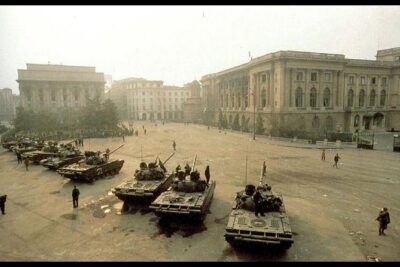
From the Athenaeum, the route continues to Revolution Square, another roughly 30-minute stop. This is where Nicolae Ceaușescu delivered the speech that marked the end of his public authority. The square gives you a place to consider how propaganda and political control finally gave way to open revolt.
The guide explains the early communist period, Romania’s relationship with Soviet power, and the rise of the country’s first communist leader before turning to Ceaușescu’s rule. The story is not presented as a simple shift from good to bad. Ceaușescu was once seen as a promising young leader, but he gradually tightened control until the system centered on his power.
This is one of the places where guide quality matters most. A list of names and dates would leave the square feeling abstract. A good explanation connects the public speech, the crowd, the fear behind the official message, and the sudden loss of control.
Several guides have been praised for making this moment vivid. One description of Bogdan’s presentation at Revolution Square noted the physical effect of hearing the events explained on the exact ground where they unfolded. That is a useful clue about the tone: expect a serious, absorbing account rather than a quick photo stop.
University Square and the violence of 1989

University Square shifts the focus from dictatorship to revolt. This was a key site during the 1989 Revolution, when protesters gathered, violence broke out, and Ceaușescu’s regime began to collapse.
The stop lasts about 30 minutes. You learn about the final years of Ceaușescu’s rule, including paranoia, harsh policies, and the hardships experienced across the country. The guide also raises questions about the revolution itself, including the role of hidden political forces alongside the public demand for freedom.
That last point makes the tour more useful than a polished hero story. The end of communism was not simply a neat moment when everyone agreed and the old system disappeared. The tour presents the uncertainty and competing forces surrounding the collapse. You can ask questions and test your own understanding because the group is private.
University Square is also a reminder that political change has a human cost. The route does not reduce the 1989 events to a dramatic backdrop. It focuses on protesters, gunfire, fear, and the way ordinary people became part of a national turning point.
More communism history tours:
- The Real tour of Communism
★ 5.0 · 666 reviews - Life under Communism
★ 5.0 · 358 reviews - 3-Hour Guided Tour of Communist Bucharest
★ 4.9 · 303 reviews - Bucharest Essential Tour: Old Town, Calea Victoriei & Communism
★ 5.0 · 142 reviews
Old Town beyond the cafés
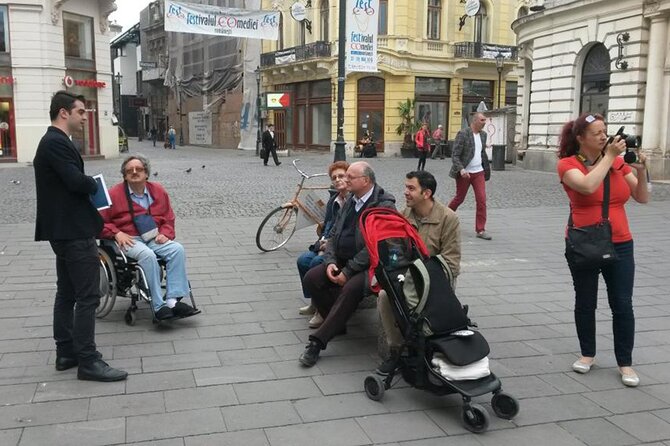
The Old Town takes about an hour, making it the longest section of the walk. This is where the tour broadens from political events to architecture and daily life.
You pass restored streets, elegant nineteenth-century palaces, Byzantine churches, and cafés. Yet the guide also points out that the Old Town is only a fraction of the pre-communist city. Some buildings were rebuilt or repaired after the revolution, including work connected with bullet damage and years of neglect.
This section provides needed breathing room after the intense discussion of 1989. You can stop for photos, rest, or a refreshment break, though refreshments are your own responsibility. One person particularly enjoyed taking a coffee break near a well-known restaurant, so you may want to use this hour to pause rather than rush from one building to the next.
I like this part because it keeps the tour from treating communism as a subject sealed away in museums. The architecture shows how politics changed the city itself. Streets, buildings, and neighborhoods were damaged or erased, while the surviving Old Town became part of Bucharest’s effort to repair both its appearance and its sense of place.
Do not expect every building to look perfectly restored. That is part of the point. You may find patched façades, mixed architectural styles, and signs of a city still working through its past. Your guide helps you read those details instead of seeing them as random urban clutter.
Constitution Square and the Palace of Parliament
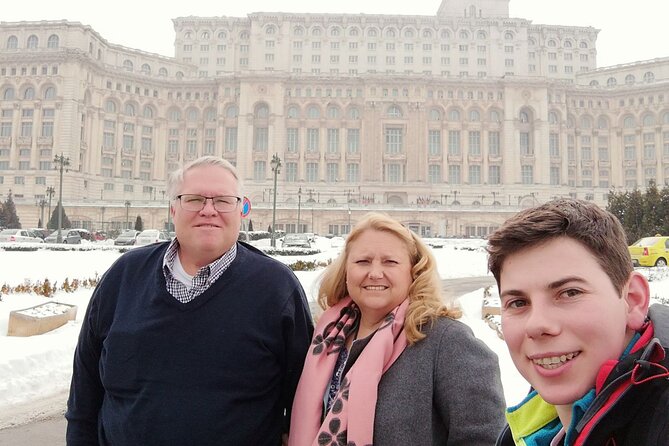
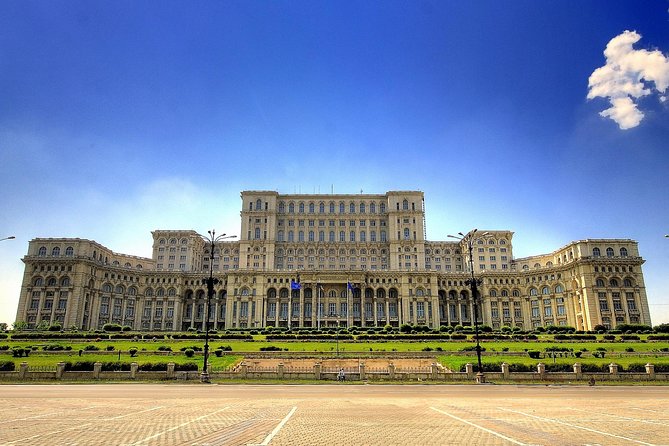
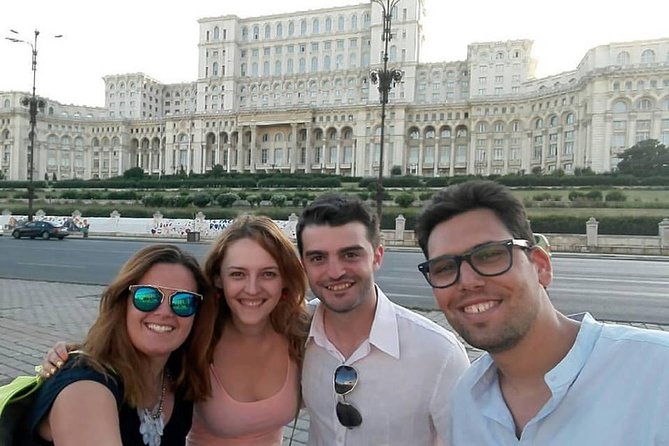
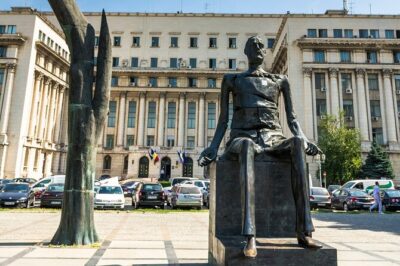
The final major stop is Constitution Square, at the heart of the former Communist Civic Center. Here you see the exterior of the Palace of Parliament, the colossal building often described as the world’s second-largest building after the Pentagon.
Its scale is difficult to understand from a photograph. The building was part of Ceaușescu’s vast redesign of central Bucharest, a project that changed the city on an enormous scale. The tour uses the palace to explain the cost and purpose of that civic center rather than treating it as just another impressive monument.
The description includes seven underground floors, atomic bunkers, and a network of secret tunnels beneath the complex. Your guide discusses its dark history, but the emphasis is on context, not on giving away every detail before you arrive.
The tour does not include a palace interior visit. You view the exterior, then walk back toward the Old Town. That is an important point when comparing this experience with a dedicated Palace of Parliament admission tour. If you want to see the interior, you will need a separate arrangement.
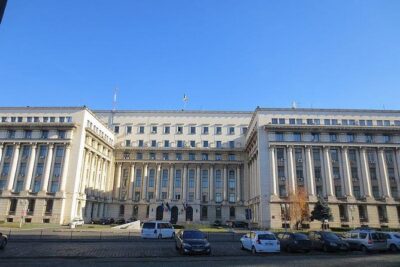
The exterior stop lasts about 30 minutes, followed by the walk back. The route ends in front of the Palace of the Deposits and Consignments, also called Palatul CEC, at 13 Calea Victoriei. Across the street is the Old Town, so you can continue straight into a meal, museum visit, café stop, or evening walk.
What the private format adds
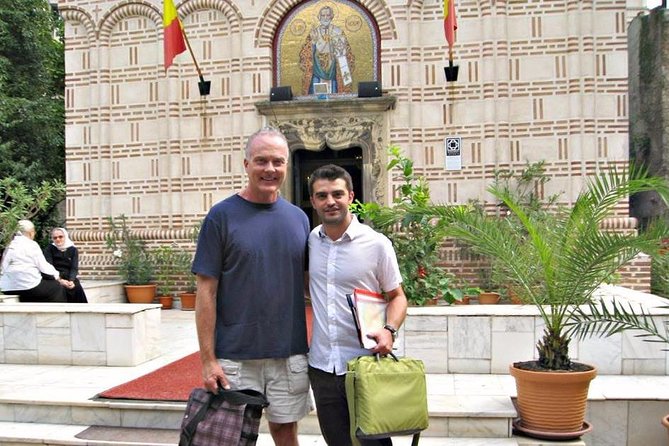
The private setup is not just a label. It changes how the four hours feel.
You do not need to match the pace of a large group, and you can ask about subjects that interest you most. If your family has a particular connection to communist Eastern Europe, you can spend more time on daily life. If architecture interests you, you can ask about demolitions and restoration. If 1989 is your main reason for booking, the guide can give more attention to Revolution Square and University Square.
The guides praised most highly are patient and flexible. Tudor is noted for answering questions carefully. Andra explained the period through family experiences. Mihai brought historical photographs and magazines. These details show why a private format works particularly well for a subject that includes both public events and private memory.
There is also a practical benefit. The guide can help you continue your day after the walk. Andra accompanied one person toward the next destination after the tour ended, even though that was beyond the basic route. You should not assume this extra help is guaranteed, but it reflects the personal nature of the experience.
Price, pace, and who gets good value
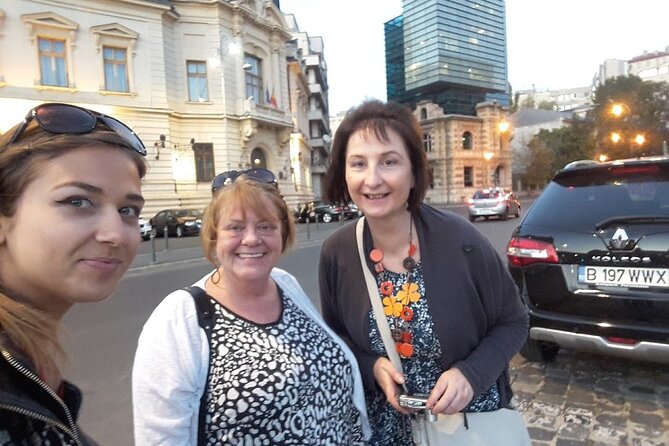
At $93.46 per person, this is not the cheapest way to see central Bucharest. The price makes more sense if you are traveling as a small private party and want a dedicated English-speaking guide, hotel pickup, and a focused account of the city’s recent past.
You are paying for interpretation more than admission tickets. The stops themselves are free, and the tour does not include refreshments or entry inside the Palace of Parliament. The value comes from connecting separate places into one understandable story and from having a guide available for questions.
The tour lasts about four hours and covers up to 3 kilometers. It is described as slow paced, with several stops for photos, rest, or refreshments. Most people who can manage a moderate amount of walking should be able to take part, but you should still wear comfortable shoes and consider the season. One visit took place in snow, ice, and salted streets, and the guide had to adjust the plan during demonstrations.
The tour is offered in English. Group discounts are available, and bookings are often made well ahead, with the average booking time listed as 132 days in advance. If your dates are fixed, planning early is sensible.
Free hotel pickup is a real plus in Bucharest, especially at the start of a trip. You give the accommodation address when booking, and the guide meets you in the lobby or at the stated pickup point. The walk ends elsewhere, in the city center, so you should plan your next activity from the Old Town rather than expect a return ride to your accommodation.
Free cancellation is available if you cancel at least 24 hours before the start time. Changes or cancellations made later are not accepted for a refund.
Who should book this experience
I would choose this tour if you want Bucharest’s communist period explained in relation to the city around you. It is a strong first-day option because the route gives you practical bearings in central Bucharest while also showing why the streets and major buildings look the way they do.
It suits:
- First-time visitors who want context before exploring alone
- People interested in twentieth-century European history
- Small families or friend groups who prefer private guiding
- Visitors who value personal stories and discussion
- Anyone who wants Old Town combined with Revolution sites
It may not suit you if your priority is palace interiors, extensive museum time, or a relaxed architecture-only walk. The subject is often painful, and the guide does not avoid repression, poverty, violence, or political fear.
Should you book the Bucharest communism tour?
Book it if you want more than attractive streets and grand façades. The route shows how Bucharest moved from royal-era elegance through Soviet-backed communism, Ceaușescu’s harsh rule, the violence of 1989, and the city’s continuing effort to repair what was damaged.
The best reason to choose it is the combination of place and explanation. Revolution Square and University Square carry more weight when you understand what happened there. The Old Town feels more revealing when you learn how much of the older city disappeared. The Palace of Parliament becomes more than a huge building when you hear what its construction meant for Bucharest.
At $93.46, it is worth the cost for a private group that wants a serious, personal history walk with hotel pickup. Skip it if you mainly want indoor sights or a quick list of landmarks. For a thoughtful introduction to Bucharest’s modern past, this is a strong choice, especially if you can request a guide such as Andra, Bogdan, Michael, or Mihai Vataselu.
FAQ
How long does the Bucharest Communism, Revolution and City Highlights Tour last?
The tour lasts approximately four hours.
How much walking is involved?
The walk covers up to 3 kilometers, or less than 2 miles. It moves at a slow pace and includes stops for photos, rest, or refreshments.
Is hotel pickup included?
Yes. Free pickup is offered anywhere in Bucharest, including hotels, Airbnb accommodations, and rentals. At a hotel, the guide meets you in the lobby beside the reception desk.
Where does the tour begin?
The stated starting point is Strada Benjamin Franklin 1 in Bucharest, near the Romanian Athenaeum. You can use the included pickup instead by providing your accommodation details.
Where does the tour end?
The tour ends in the city center in front of the Palace of the Deposits and Consignments, also called Palatul CEC, at 13 Calea Victoriei. The Old Town is across the street.
Is admission to the Palace of Parliament included?
No. The tour takes you to Constitution Square and shows you the exterior of the Palace of Parliament. Interior admission is not included.
What happens if I need to cancel?
You can receive a full refund if you cancel at least 24 hours before the experience start time. Cancellations or changes made less than 24 hours before the start time are not accepted for a refund.
Just added in Bucharest
- Bucharest: Dealu Mare Winery Private Trip with Wine Tasting★ 4.9 · 6 reviews
- Winery touring & private wine tasting – one day private tour★ 5.0 · 3 reviews
- Village Museum Bucharest Guided Tour★ 5.0 · 6 reviews
- Transylvania Tour: Dracula’s Castle, Peles Palace & Brasov★ 5.0 · 19 reviews
- Transfer Airport Otopeni – Bucharest★ 5.0 · 2 reviews
- Private Transfer Bucharest Otopeni Airport (OTP) to/from Brasov★ 5.0 · 2 reviews
- Bucharest Airport Transfer To Constanta Mamaia★ 5.0 · 3 reviews
- Airport Henri Coanda (Otopeni) to Bucharest – Private Transfer – Driver★ 5.0 · 5 reviews
Communism and Ceausescu Tours, compared.

Bucharest Essential Tour: Old Town, Calea Victoriei & Communism
Read our review →
Communism in Bucharest – Landmarks, Museum & Communist Appetizers
Read our review →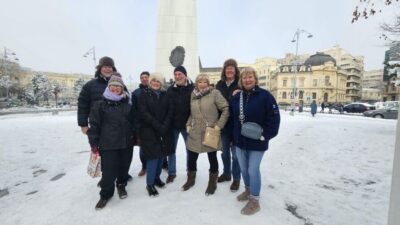

Browse the lists this tour appears in