
REVIEW · COMMUNISM AND CEAUSESCU TOURS
Bucharest: Entry ticket at the Museum of Communism
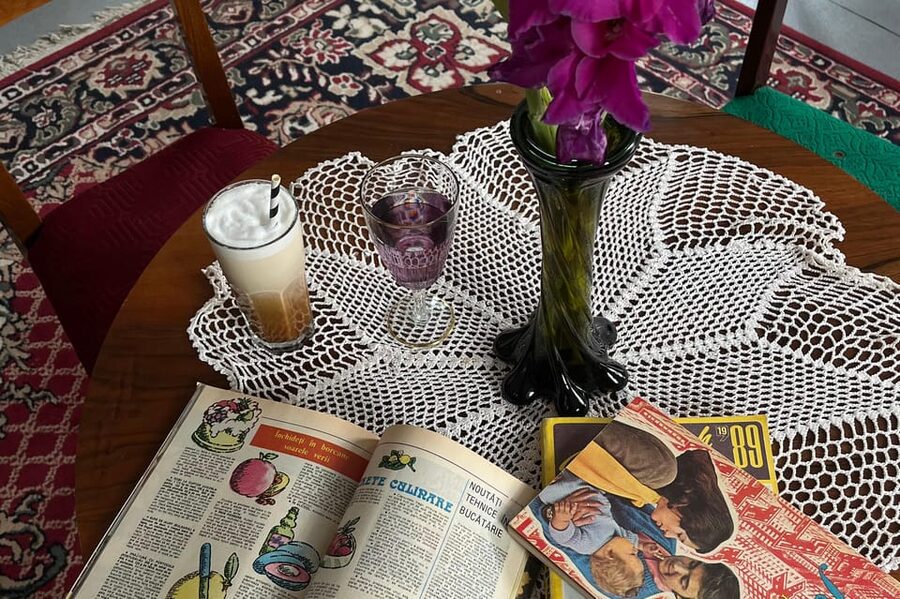
The past feels closer here. Bucharest’s Museum of Communism offers a compact, hands-on look at life under Romania’s communist regime, right in the Old Town. I like the freedom to handle exhibits, try on period clothing, and read old books instead of only staring at glass cases. I also like the small café downstairs, where you can order coffee, soft drinks, or a house beer with a distinctive label. The main drawback is size: at $9, it is fairly priced, but the museum may feel too small if you expect a large national collection.
You explore at your own pace, with a guide present to answer questions about politics and daily life. The displays cover the period through the end of Nicolae Ceaușescu’s rule, using photographs, objects, and interactive scenes. Give yourself enough time to look closely, but do not plan your entire day around this visit.
In This Review
- Key points to know before you go
- Entering the Museum in Bucharest’s Old Town
- Following Romania’s Communist Era Through Objects and Images
- Why the Interactive Displays Matter
- Asking the Guide the Questions You Actually Have
- The Downstairs Café and Its House Beer
- How Much Time Should You Allow?
- The Main Limitation: A Small Collection
- Who Will Get the Most From This Visit?
- Booking, Access, and Practical Details
- Should You Book the Museum of Communism?
- FAQ
- Where is the Museum of Communism in Bucharest?
- How much does admission cost?
- How long is the ticket valid?
- Is a guided tour included?
- Can I ask the guide about daily life under communism?
- Can I interact with the exhibits?
- Can I buy drinks at the museum?
- Where do I show my ticket?
- Is the museum wheelchair accessible?
- Can I cancel my booking?
Key points to know before you go
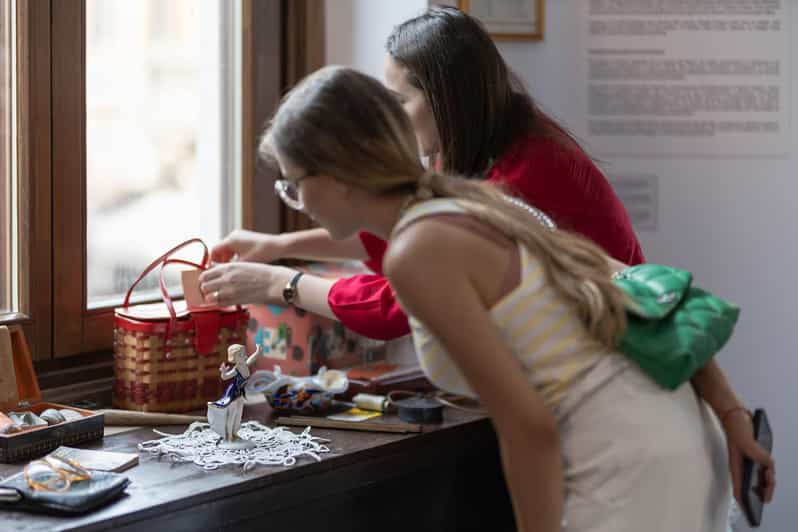
- Hands-on exhibits: You can try on clothes, handle selected objects, read old books, and take photographs.
- Old Town location: The museum is right in central Bucharest, making it easy to add to a day of sightseeing.
- Guide available, but no guided tour included: A guide is present for questions, though the standard ticket is for independent exploration.
- Café downstairs: Buy specialty coffee, soft drinks, traditional alcoholic drinks, and the museum’s house beer.
- Compact museum: The displays are engaging and interactive, but some visitors may find the collection limited for the $9 admission.
- Not wheelchair accessible: Wheelchair users should choose another attraction.
Entering the Museum in Bucharest’s Old Town
The first practical point is simple: enter through the bar and show your online ticket there. The museum is located right in Bucharest’s Old Town, so it fits neatly into a walking day in the central area.
This location is useful because you do not need to arrange transportation to a distant district or set aside a full morning. You can visit between other Old Town sights, stop for a coffee, and continue exploring on foot. The ticket is valid for one day, with starting times shown when you check availability.
At $9 per person, the admission is modest by museum standards. The price makes the visit easy to justify if you are curious about Romania’s recent past, especially because the ticket includes access to the exhibits and the option to ask the guide questions. Still, size matters here. The museum is compact, and its limited scale is the main reason I would not recommend treating it as a major half-day attraction.
More communism history tours:
- The Real tour of Communism
★ 5.0 · 666 reviews - Life under Communism
★ 5.0 · 358 reviews - 3-Hour Guided Tour of Communist Bucharest
★ 4.9 · 303 reviews
Following Romania’s Communist Era Through Objects and Images
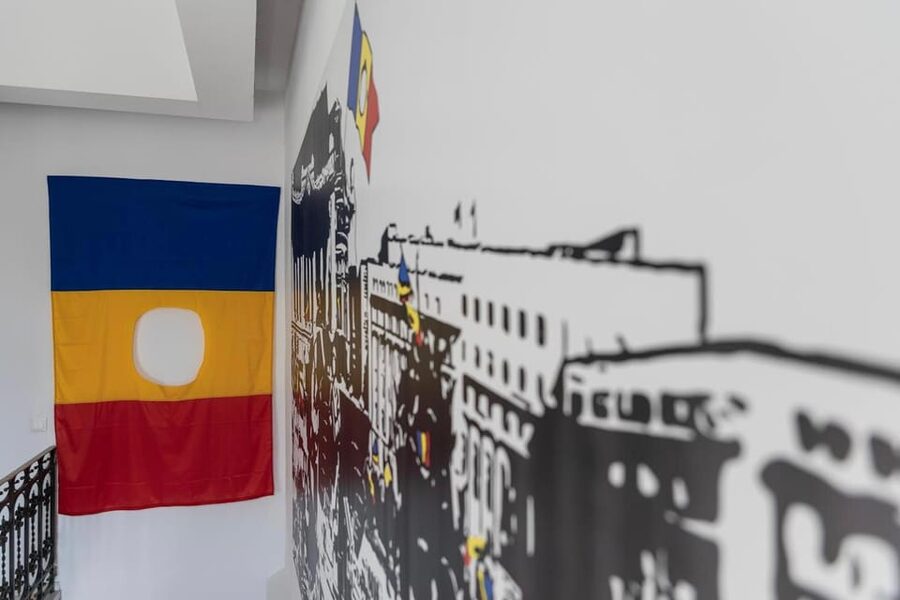
The visit is arranged as a walk through the decades of communist Romania. You can expect historical landmarks, photographs of important moments, and everyday objects that help explain how the political system affected ordinary life.
That everyday focus is useful. Political dates and famous names can feel remote, but an old book, a piece of clothing, or a household object gives the period a more personal scale. You are not only reading about a regime. You are seeing items connected with the way people dressed, read, spent time, and lived.
The material leads toward the end of Ceaușescu’s rule. One review described the displays as detailed from the beginning through the end of his period in power, with the rooms decorated to match the era. That kind of presentation can help you follow the story even if you know little about Romanian communism before arriving.
I would keep your expectations measured. The museum does not claim to offer a giant archive, and the available information suggests a small collection rather than a vast institution. If you want a broad academic survey with hundreds of documents, this will likely feel brief. If you want an accessible introduction with things to see and touch, the format works better.
Why the Interactive Displays Matter
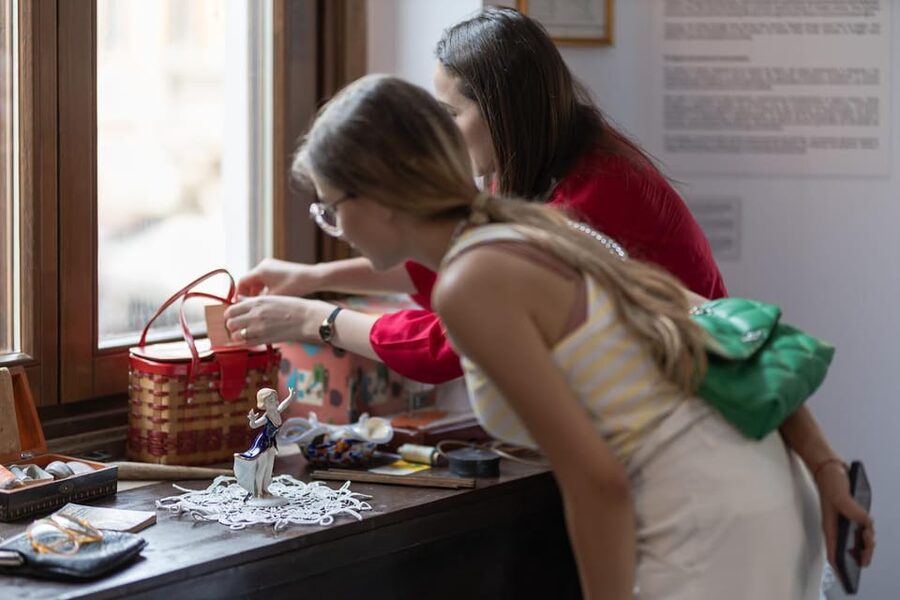
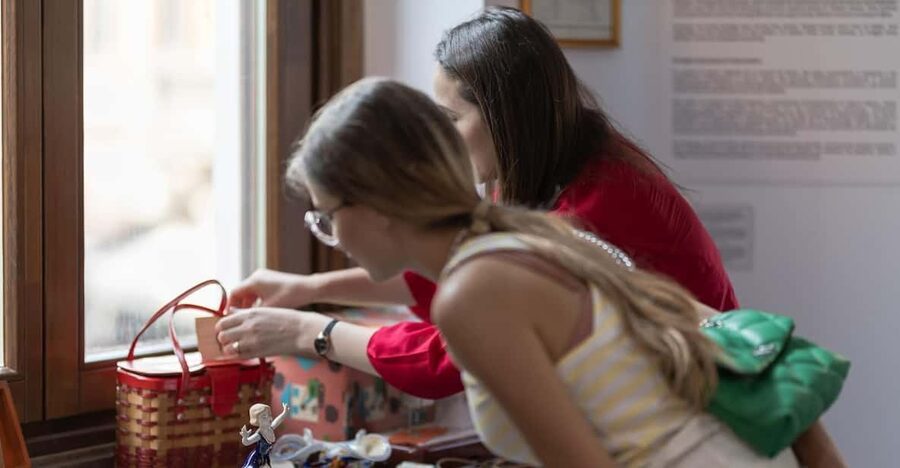
The most distinctive feature is the permission to interact. You can try on clothing, read old books, examine objects, and take photographs. These simple actions change the mood of the visit.
A standard display asks you to stand back and observe. Here, you can get closer to the material. Trying on clothing gives you a physical sense of the period, while reading old books slows you down and encourages you to look at the objects instead of rushing through captions.
The museum also aims to engage more than one sense. Its description refers to feeling and tasting the flavors of the time, while the downstairs café adds drinks connected with Romanian traditions. The exact food selection is not specified, so I would think of this as a small cultural touch rather than a full dining experience.
Photography is part of the appeal. You can take pictures of the interactive displays and period decorations, which may be especially useful if you are visiting with family or friends. The hands-on approach also gives children and teenagers a clearer entry point into a subject that can otherwise seem distant or overly political.
That said, interaction does not replace depth. You may find the museum more memorable than thorough. I would use it to build a first understanding, then seek out other Bucharest sights if you want a larger picture of Romania’s past.
Asking the Guide the Questions You Actually Have
The ticket does not include a guided tour. Instead, a guide is present in the museum and available for questions.
This arrangement suits independent visitors. You can look around without being tied to a fixed spoken presentation, then ask for help when you need it. Questions about the political system, daily routines, or the meaning of a particular object are appropriate uses of the guide’s time.
I like this model because communist-era history can raise practical questions that a label cannot always answer. You might want to understand how an object was used, what a photograph shows, or how daily life differed from the official political message. Having someone available can turn a quick visit into a more useful one.
Do not mistake the arrangement for a private tour. If you want a continuous explanation from room to room, this ticket is not the right product. You are paying for museum entry, with help available rather than a scheduled guide-led program.
More Museum Tours in Bucharest:
- Bucharest: Museum of Senses Entry Ticket
★ 4.2 · 364 reviews - Communism in Bucharest – Landmarks, Museum & Communist Appetizers
★ 5.0 · 111 reviews - Bucharest: Museum of Communism Ticket with Communist Coffee
★ 4.6 · 52 reviews - Bucharest: Dinner+Tour at Museum of Communism after closing
★ 4.9 · 46 reviews
The Downstairs Café and Its House Beer
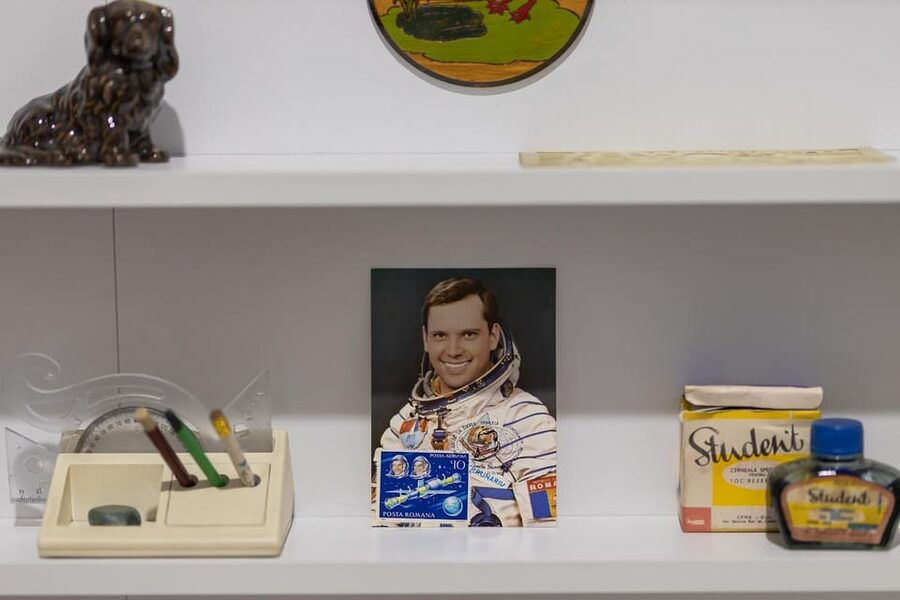
After looking through the exhibits, you can go downstairs to the small coffee shop. Drinks are not included, but you can purchase specialty coffee, soft drinks, and traditional alcoholic drinks.
The café adds a relaxed finish to the visit. A coffee gives you a place to pause and think about what you have seen, while the house beer has an original label tied to the museum’s theme. The description also mentions traditional Romanian alcoholic drinks, though it does not list every option.
I would treat the café as an optional extra, not a reason to buy the ticket by itself. It is a pleasant part of the setting, but the museum displays remain the main attraction. If you are trying to keep costs down, you can simply visit the exhibits and skip the drinks.
The café also makes the museum easier to fit into a flexible Old Town walk. You can arrive for the museum, spend time with the objects, and take a short break before moving on. Since the visit is self-paced, you are not forced to choose between examining a display and keeping up with a group.
How Much Time Should You Allow?
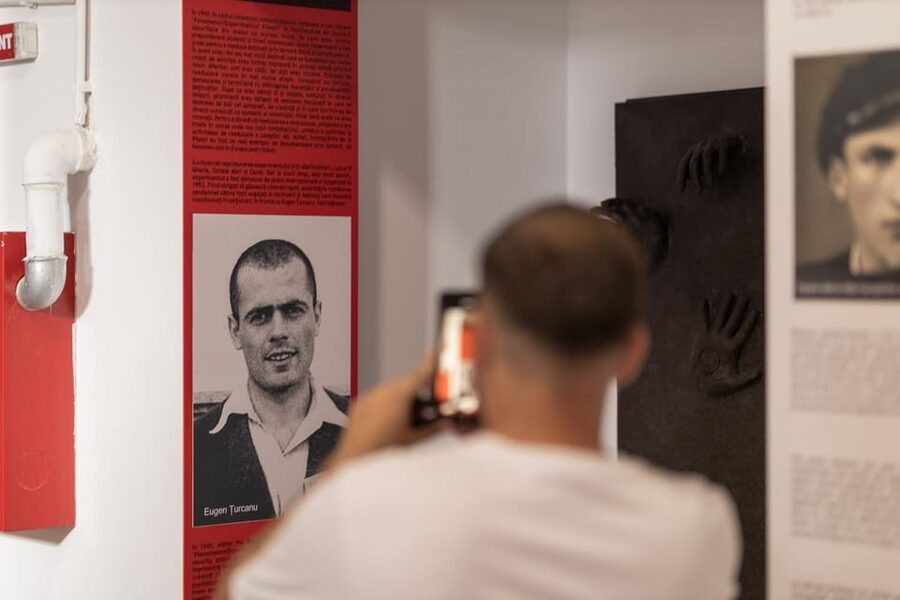
The ticket is valid for one day, but no fixed visit length is given. Because the museum is described as small, I would plan a short visit rather than a full-day outing.
Your actual time will depend on how closely you read the material, how long you spend with the interactive exhibits, and whether you stop at the café. Someone moving quickly may finish the displays in a limited amount of time. Someone who tries on clothing, reads the books, photographs objects, and asks questions may stay longer.
This flexibility is a strength. You can make the museum a focused stop during an Old Town day instead of building your schedule around it. It also reduces the risk of disappointment caused by expecting a large, complex institution.
The practical tip is to place it alongside other central Bucharest sights. The museum alone may not fill a day, but it can provide a useful historical counterpoint to the restaurants, streets, and older buildings around the Old Town.
The Main Limitation: A Small Collection
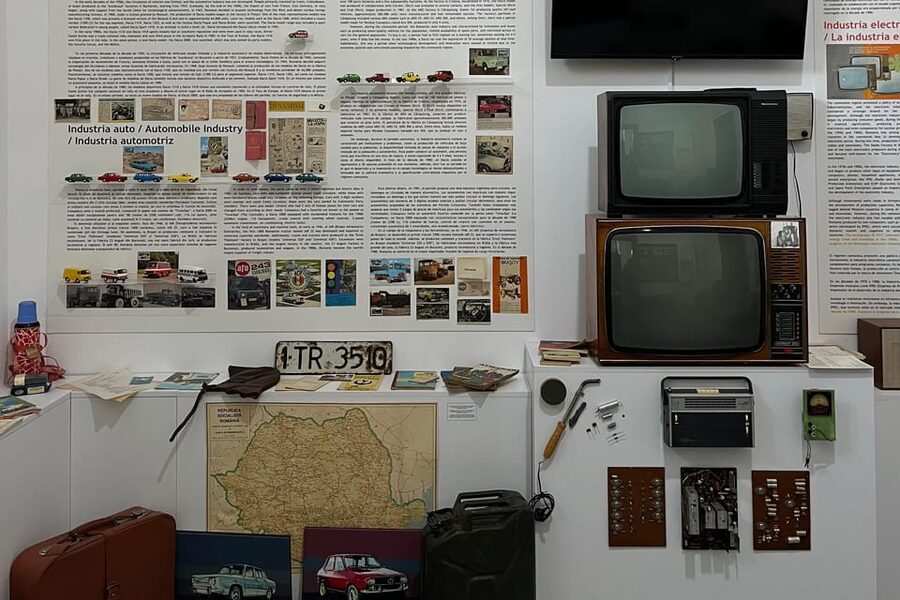
The museum’s size deserves honest attention. One visitor called it very small, and another found the collection too limited for the many years communism lasted. Those are fair concerns.
Romania’s communist period covered decades, so no small room can explain every part of politics and daily life. You may leave wanting more information about particular events, social groups, or regional differences. The displays offer an introduction, not a complete account.
I would not see this as a reason to dismiss the museum. A compact collection can be approachable, especially if you have only a little time or if this is your first contact with the subject. The problem comes when you expect the admission to buy a large number of rooms and an extensive archive.
The interactive design partly balances the limited quantity. You spend more time engaging with individual objects than you might in a larger museum filled with items behind glass. Still, the distinction is important when deciding how to spend your Bucharest budget.
Who Will Get the Most From This Visit?
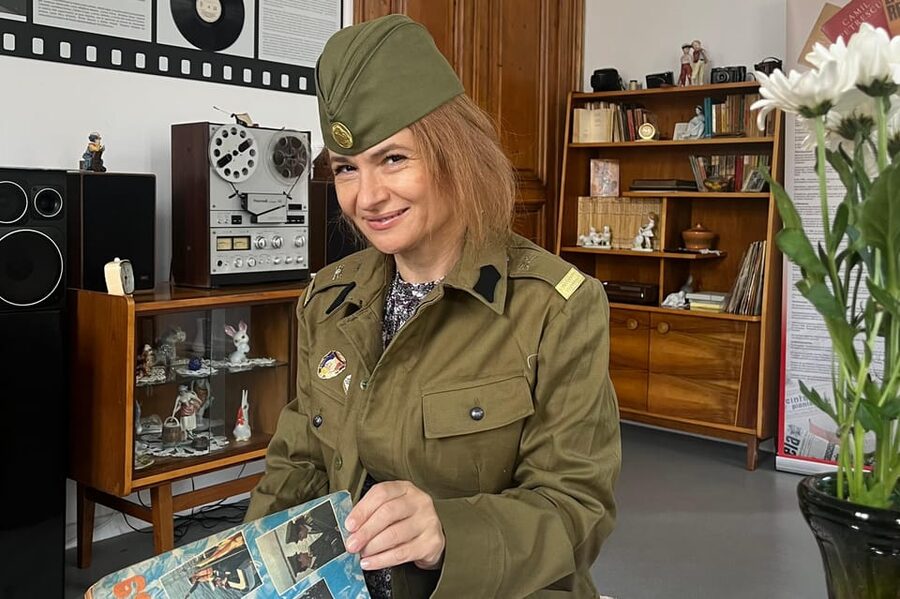
I would recommend the museum to you if you want a clear, approachable introduction to communist Romania and prefer exhibits you can interact with. It is also a good choice if you are already planning to walk through the Old Town and want a cultural stop that does not require a separate trip across the city.
Families may appreciate the clothing, books, objects, and photo opportunities. These details make the subject more concrete for younger visitors, though adults may need to provide extra context because the museum is not a full history course.
It also suits independent visitors who dislike fixed tours. You can move at your own speed and ask the guide only what interests you.
I would be more cautious if you are a specialist in twentieth-century European history or expect a large collection. You may find the museum too brief and want more documents, more rooms, and more background. The $9 price is reasonable for a compact interactive stop, but not if your only goal is a long, exhaustive museum visit.
Booking, Access, and Practical Details
You can cancel up to 24 hours in advance for a full refund. The reserve-now-and-pay-later option lets you keep your plans flexible and pay nothing at the time of booking.
At the museum, enter through the bar and show your online ticket. The guide is available for questions, but a guided tour is not included. Drinks at the café are also extra.
The museum is not suitable for wheelchair users. If accessibility is essential for your visit, confirm your plans carefully before booking.
The activity information does not provide a detailed language list. Check the current booking details if language support is important to you.
Should You Book the Museum of Communism?
Book it if you want a short, central, hands-on introduction to Romania’s communist period. The ability to try on clothes, read old books, inspect objects, take photographs, and ask a guide questions gives the visit more character than a display of photographs alone.
Skip it if you need a large museum with extensive collections or a formal guided presentation. At $9, it offers fair value for an interactive stop in the Old Town, but its compact size limits how much it can cover.
My advice is to add it to a day in central Bucharest, not make it the day’s only attraction. Visit the exhibits at your own pace, ask the guide about the points that puzzle you, and finish with a coffee or the house beer downstairs if you want a quiet pause. That approach matches what the museum does best: making a complicated period personal, direct, and easy to approach.
FAQ
Where is the Museum of Communism in Bucharest?
It is located right in Bucharest’s Old Town in the Bucharest-Ilfov area of Romania.
How much does admission cost?
The listed price is $9 per person.
How long is the ticket valid?
The ticket is valid for one day.
Is a guided tour included?
No. Guided tours are not included, but a guide is present and available to answer questions.
Can I ask the guide about daily life under communism?
Yes. The guide can answer questions about the political regime and people’s lives during communist Romania.
Can I interact with the exhibits?
Yes. You can try on clothing, read old books, handle selected objects, and take photographs.
Can I buy drinks at the museum?
Yes. The downstairs café sells specialty coffee, soft drinks, traditional alcoholic drinks, and the museum’s house beer. Drinks cost extra.
Where do I show my ticket?
Enter through the bar and show your online ticket there.
Is the museum wheelchair accessible?
No. The activity is not suitable for wheelchair users.
Can I cancel my booking?
Yes. You can cancel up to 24 hours in advance for a full refund. You can also reserve now and pay later to keep your plans flexible.
Just added in Bucharest
- Bucharest: Dealu Mare Winery Private Trip with Wine Tasting★ 4.9 · 6 reviews
- Winery touring & private wine tasting – one day private tour★ 5.0 · 3 reviews
- Village Museum Bucharest Guided Tour★ 5.0 · 6 reviews
- Transylvania Tour: Dracula’s Castle, Peles Palace & Brasov★ 5.0 · 19 reviews
- Transfer Airport Otopeni – Bucharest★ 5.0 · 2 reviews
- Private Transfer Bucharest Otopeni Airport (OTP) to/from Brasov★ 5.0 · 2 reviews
- Airport Henri Coanda (Otopeni) to Bucharest – Private Transfer – Driver★ 5.0 · 5 reviews
- Private Bucharest Otopeni Airport (OTP) Transfer★ 5.0 · 2 reviews
Communism and Ceausescu Tours, compared.


Bucharest Essential Tour: Old Town, Calea Victoriei & Communism
Read our review →
Communism in Bucharest – Landmarks, Museum & Communist Appetizers
Read our review →

Museum of Communism Ticket with Communist Coffee
Read our review →Browse the lists this tour appears in