
REVIEW · COMMUNISM AND CEAUSESCU TOURS
Bucharest: Museum of Communism Ticket with Communist Coffee
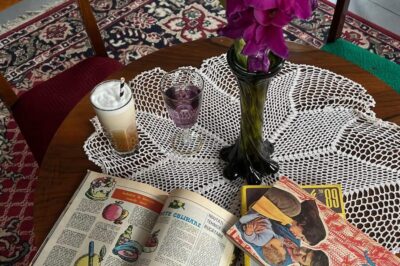
History tastes better with coffee. Bucharest’s Museum of Communism turns recent Romanian history into a hands-on visit, with old magazines, clothing, furniture, music, and a cup of nechezol, the coffee substitute associated with the 1980s. I like the chance to handle many exhibits, and I like having English-speaking staff nearby to answer questions. The main drawback is its small size: you may finish in 45 minutes if you only skim the displays.
This is not a grand national museum with endless galleries. It is a compact, private museum in Bucharest’s old town, built around everyday life under communism. I especially like the living-room setting, where you can sit on an old couch and drink from an original cup. Still, some displays may feel too general, and one visitor found the museum more like a series of posters than an interactive history lesson.
In This Review
- Key points to know before you go
- What the Bucharest Museum of Communism sets out to show
- Entering the small old-town museum
- Handling typewriters, magazines, and old clothing
- Why the English-speaking staff matter
- The communist living room and its cup of nechezol
- A visit that can feel playful, serious, or too simple
- Is the $10 ticket good value?
- How long should you allow?
- Who will enjoy this museum most?
- Small details that improve the visit
- Should you book the Museum of Communism with communist coffee?
- FAQ
- Where is the Museum of Communism experience located?
- How much does the ticket cost?
- How long does the museum visit take?
- What does the ticket include?
- What is nechezol?
- Is help available in English?
- Is the museum wheelchair accessible?
Key points to know before you go

- Taste 1980s nechezol: Your ticket includes a cup of Romania’s coffee substitute, served in the museum’s communist-era living room.
- Touch the past: You can type on an old typewriter, read original magazines, and try on old clothes.
- Plan about an hour: The museum is small, and a quick visit can take 45 minutes to one hour.
- Ask questions in English: An English-speaking host or guide is available inside the museum.
- Expect a private museum: The displays are personal and accessible, but some text may feel simple or broad.
- Check access needs: The experience is not suitable for wheelchair users.
What the Bucharest Museum of Communism sets out to show

The museum focuses on Romania’s recent communist period and its effect on Bucharest and ordinary Romanians. That focus matters because political history can feel remote when it is presented only through dates, speeches, and official buildings. Here, the subject comes through household objects and daily routines.
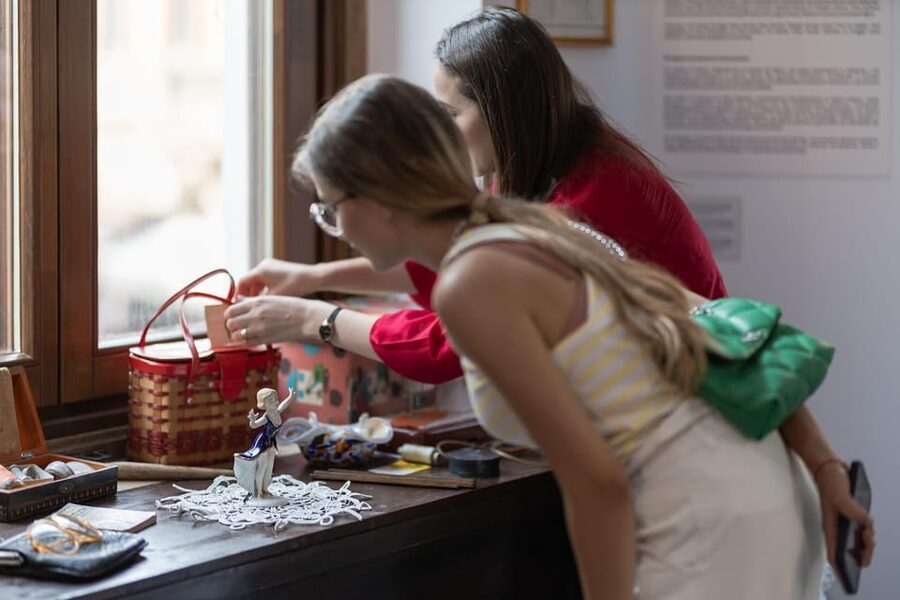
You are not simply walking past sealed cases. You can type on an old typewriter, turn through original magazines, and try on old clothing. These small actions give you a clearer idea of how people communicated, read, dressed, and spent time at home.
I find this approach useful for anyone who knows little about Romania’s communist years. A typewriter does not explain the whole political system, of course, but it gives you a physical starting point. You can then ask the staff why certain items mattered and how they fitted into daily life.
The museum also works well as a quick introduction before you visit other parts of Bucharest connected with the period. It does not try to replace a history book. Instead, it gives you objects, pictures, and conversation points that can make the city’s recent past easier to understand.
More communism history tours:
- The Real tour of Communism
★ 5.0 · 666 reviews - Life under Communism
★ 5.0 · 358 reviews - 3-Hour Guided Tour of Communist Bucharest
★ 4.9 · 303 reviews
Entering the small old-town museum
The museum is located in Bucharest’s old town, making it easy to fit into a day of sightseeing. It is a small private museum, so set your expectations accordingly. You will not find a huge collection or a full-day program here.
That compact size is both a strength and a weakness. I like museums that do not demand half a day when you only have a short gap between other plans. A 45-minute visit can give you a useful introduction, while a slower visit with questions and photographs may take closer to an hour.
If you read every poster carefully, you will spend longer. If you move quickly from room to room, you may finish in about five minutes, so your pace matters. I recommend slowing down for the objects and leaving time to speak with the staff. The museum makes more sense when you treat it as an experience rather than a room-by-room reading assignment.
The setting includes a small bar area and clean toilet facilities. There is no gift shop, so this is not a place to browse souvenirs after the visit. The emphasis stays on the rooms and the coffee ritual.
Handling typewriters, magazines, and old clothing
The museum’s strongest feature is its permission to interact with many of the exhibits. You can sit at an old typewriter and try it yourself. You can read original magazines rather than seeing only modern labels describing them. You can also try on old clothes, which adds a playful element to a serious subject.
These activities are especially useful if you are visiting with children, teenagers, or friends who do not usually enjoy museums. The photo opportunities and dressing-up element give the visit some energy. Music is also part of the atmosphere, according to the experience details, so the rooms are not limited to silent panels.
I would still keep the tone in mind. Communism caused real hardship, fear, restrictions, and shortages in Romania. Dressing up and posing with objects can help you connect with the period, but it should not turn the whole visit into a costume party. The best approach is to enjoy the interactive features while taking the historical material seriously.
The museum does not provide a fully detailed academic treatment of every issue. Some written explanations may feel simple, especially if you already know a lot about life in Eastern Europe from the 1950s through the 1990s. One critical assessment found that certain displays treated experiences common across those decades as if they were all specific evils of communism. That is a fair point to keep in mind.
Use the objects as conversation starters. If a caption seems broad, ask the English-speaking staff for more context. That is where the visit can become more useful than simply reading the walls.
Why the English-speaking staff matter
A host or greeter is available in English, and the staff can answer questions inside the museum. This is one of the most praised parts of the experience. The young guides have been described as highly committed, sharp, and deeply interested in Romania’s future.
That personal contact makes a real difference in a museum this size. A large institution may offer more material but less chance to stop and ask about an ordinary object. Here, you can point to something on display and ask how it was used, why it mattered, or what it says about the period.
No guide names are provided for the experience, so you should not book expecting a named private tour leader. Think of the staff as English-speaking people in the rooms who can help you understand the displays, rather than a formal scheduled lecture.
The quality of your visit will depend partly on how much you ask. If you prefer to walk silently through polished galleries, you may find the museum basic. If you enjoy a direct exchange with staff, the visit can feel much more personal.
More Museum Tours in Bucharest:
- Bucharest: Museum of Senses Entry Ticket
★ 4.2 · 364 reviews - Communism in Bucharest – Landmarks, Museum & Communist Appetizers
★ 5.0 · 111 reviews - Bucharest: Entry ticket at the Museum of Communism
★ 4.6 · 57 reviews - Bucharest: Dinner+Tour at Museum of Communism after closing
★ 4.9 · 46 reviews
The communist living room and its cup of nechezol
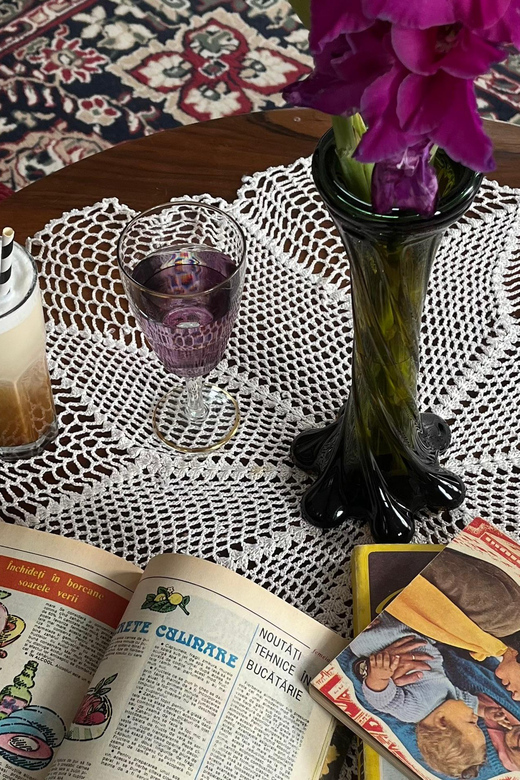
The ticket includes one cup of nechezol, a coffee substitute linked with Romania’s final communist years. During that period, imported coffee was available only in very small amounts. Nechezol appeared as a cheaper or more accessible alternative, and the museum explains the story behind it.
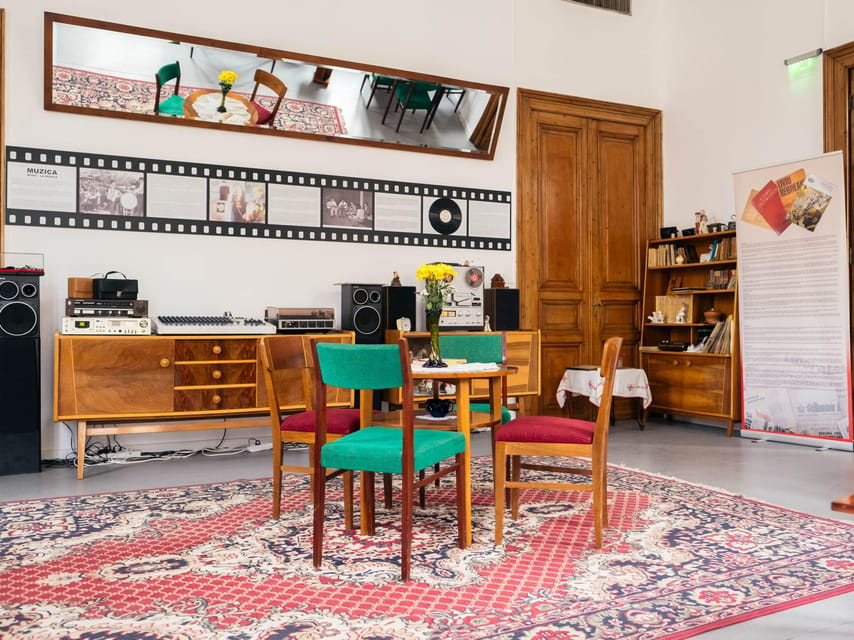
You drink it in a reconstructed communist living room, sitting on the old couch and using an original cup. This is the most distinctive part of the ticket. It takes a familiar modern habit, having coffee, and connects it to shortages and improvisation.
The taste may surprise you. One assessment found it quite enjoyable and difficult to distinguish from instant coffee. That will depend on your own taste, but the point is less about finding the finest coffee in Bucharest and more about trying something tied to a particular time.
I like that the coffee is included rather than offered as a separate extra. At $10 per person, the drink adds a memorable finishing touch and gives the visit a natural pause. You are not just reading about a shortage. You are sitting in a period-style room and sampling the substitute people used.
Do not expect a café visit in the usual sense. The coffee is part of the museum experience, not a reason to spend a long afternoon over several drinks. The museum has a small bar area, but the included cup is the central refreshment described here.
A visit that can feel playful, serious, or too simple
The museum’s tone changes depending on how you use it. The clothing, typewriter, music, and coffee make it playful. The subject itself is serious. The original magazines and household objects add a sense of ordinary life that official political history often misses.
For first-time visitors to Romania, this balance is helpful. You can learn the broad outline of the period without committing to a long lecture. You can also ask questions when a display catches your interest.
For someone already well read on Romanian communism, the museum may feel limited. The written material can be simple, and one visitor found the experience boring because there were many posters but not enough objects. Another person moved through the rooms in only five minutes. That contrast tells you exactly how to get the most from the visit: do not rush, and do not treat every poster as the whole attraction.
The interactive label also deserves a little caution. You can touch and use several exhibits, but the museum is not an elaborate digital attraction with constant activities. Its interaction comes from physical objects, clothing, music, the living room, and conversation with staff.
That distinction is important when you decide if the museum suits you. If you want screens, simulations, and a large collection, you may be disappointed. If you want to handle period objects and talk through what you see, you are more likely to enjoy it.
Is the $10 ticket good value?
At $10 per person, the ticket is reasonably priced for a short, unusual museum visit, especially because it includes entry and the cup of nechezol. The coffee alone is not worth the price, but it makes the visit more memorable and gives the experience a clear identity.
Value depends on your expectations. If you need a major museum to fill several hours, this is not the right choice. You could read the wall text quickly and leave in less than an hour. If you have a free hour in the old town and want something tied specifically to Bucharest and Romania, the price is easier to justify.
I would also count the English assistance as part of the value. A small museum with staff who welcome questions can teach you more than a larger collection with little explanation. The strongest comments about the experience praise the people working in the rooms, so make use of that opportunity.
The price also works well for a mixed group. History fans can read and ask questions. Less enthusiastic companions can try the clothes, type on the machine, listen to the music, and take photos. The coffee gives everyone a shared moment at the end.
How long should you allow?
The official validity is one day, but the museum visit itself is much shorter. Allow 45 minutes to one hour if you want to read some material, handle objects, speak with the staff, and drink the coffee without hurrying.
A fast visit can take only a few minutes. I would not recommend that unless you are simply checking the museum off your list. The displays need a little attention, and the staff interaction is one of the better reasons to stay.
You do not need to build an entire day around this activity. It works well before or after other old-town plans. The lack of a gift shop also means there is no extra browsing time at the end.
Because starting times can vary, check availability when you book. The ticket is valid for one day, and the booking terms allow cancellation up to 24 hours in advance for a full refund. You can also reserve now and pay later, which is useful if your Bucharest schedule is still changing.
Who will enjoy this museum most?
I would recommend it most to:
- First-time visitors who want a simple introduction to Romania’s communist period
- People interested in everyday objects and domestic life
- Couples and friends who enjoy unusual photo opportunities
- Families with older children or teenagers who prefer hands-on exhibits
- Anyone with a spare hour in Bucharest’s old town
- Visitors curious about nechezol and the shortages behind it
I would be more cautious if you already have advanced knowledge of Romanian communist history. The displays may not offer enough depth. You may also prefer a larger public museum with more documents, stronger academic framing, or a broader collection.
The museum is not suitable for wheelchair users. That is an important practical limitation, and you should choose another activity if step-free access is essential.
Small details that improve the visit
Go slowly enough to test the exhibits. The typewriter, magazines, clothing, and living room are the parts that separate this from a standard poster display.
Ask questions rather than assuming the labels tell the entire story. The English-speaking staff are available for this purpose, and personal explanations can add useful context where the text feels broad.
Save the coffee for a quiet moment. Sitting on the couch with the original cup is more enjoyable when you treat it as the closing scene of the visit, not something to drink while rushing through the rooms.
Bring a sense of proportion. The museum offers a short, hands-on look at recent Romanian life. It does not claim to provide every political detail, and you should not expect a specialist research center for $10.
Should you book the Museum of Communism with communist coffee?
Book it if you want a short and memorable introduction to Romania’s communist period, especially if you enjoy touching objects, trying on clothing, and asking questions. The nechezol tasting is a clever extra, and the staff are a major reason to spend time here.
Skip it if you want a large museum, a long formal tour, or detailed historical analysis. You may find the text too simple and the collection too small. For most visitors with an open hour in Bucharest’s old town, though, the $10 price is fair, and the old cup of communist coffee gives the visit a detail you are unlikely to forget.
FAQ
Where is the Museum of Communism experience located?
It is located in Bucharest, in the Bucharest-Ilfov area, within the city’s old town.
How much does the ticket cost?
The listed price is $10 per person.
How long does the museum visit take?
A typical visit can take about 45 minutes to one hour, although a very quick visit may take only a few minutes.
What does the ticket include?
The ticket includes entry to the Museum of Communism and one cup of nechezol coffee.
What is nechezol?
Nechezol is a coffee substitute associated with Romania’s final communist years, when imported coffee was available in very small amounts.
Is help available in English?
Yes. An English-speaking host or greeter is available in the museum, and you can ask questions about the exhibits.
Is the museum wheelchair accessible?
No. The experience is not suitable for wheelchair users.
Just added in Bucharest
- Bucharest: Dealu Mare Winery Private Trip with Wine Tasting★ 4.9 · 6 reviews
- Winery touring & private wine tasting – one day private tour★ 5.0 · 3 reviews
- Village Museum Bucharest Guided Tour★ 5.0 · 6 reviews
- Transylvania Tour: Dracula’s Castle, Peles Palace & Brasov★ 5.0 · 19 reviews
- Transfer Airport Otopeni – Bucharest★ 5.0 · 2 reviews
- Private Transfer Bucharest Otopeni Airport (OTP) to/from Brasov★ 5.0 · 2 reviews
- Bucharest Airport Transfer To Constanta Mamaia★ 5.0 · 3 reviews
- Airport Henri Coanda (Otopeni) to Bucharest – Private Transfer – Driver★ 5.0 · 5 reviews
Communism and Ceausescu Tours, compared.

Bucharest Essential Tour: Old Town, Calea Victoriei & Communism
Read our review →
Communism in Bucharest – Landmarks, Museum & Communist Appetizers
Read our review →

Browse the lists this tour appears in