
REVIEW · COMMUNISM AND CEAUSESCU TOURS
Bucharest: Private Communist Tour in a Romanian Vintage Car
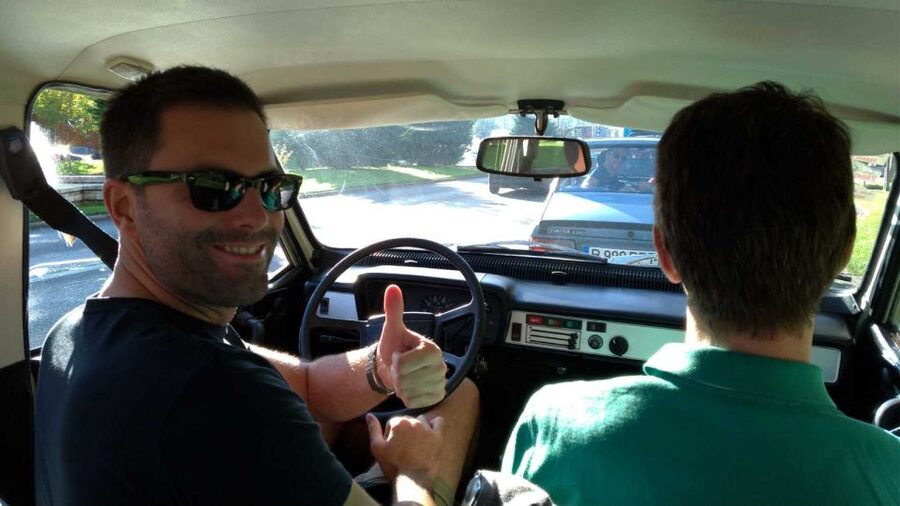
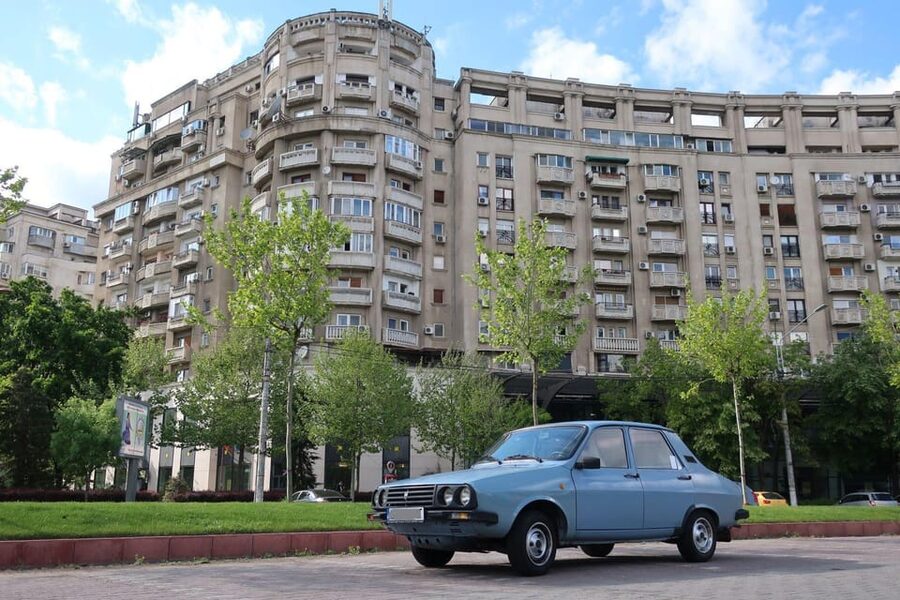
Old cars tell old stories. This private Bucharest tour makes the city’s communist past easier to understand by placing you inside a restored Dacia 1310, the sort of Romanian car that once filled the streets. I like the personal scale, with a private guide and no large group, and I like the chance to see major landmarks while hearing about daily life under Nicolae Ceaușescu. The main drawback is the car itself: it is a 35-year-old classic, not a modern vehicle, so passengers with back problems may find the ride uncomfortable.
I also appreciate the choice between riding with a private driver and taking the wheel yourself. Guides such as Cătălin, Dan, and Șerban have given this tour a strong reputation for clear explanations and personal stories. You should know that self-driving requires a valid license, and the tour is not suitable for children under 10, pregnant women, wheelchair users, or people with back problems.
In This Review
- Key things to know before booking
- Why a Dacia 1310 changes the Bucharest sightseeing experience
- Starting at Revolution Square
- Casa Radio and the unfinished side of communism
- Fântână and the city’s monumental presentation
- The Romanian Academy and the reach of official culture
- The Palace of Parliament and the price of grandeur
- Casa Ceausescu and a closer look at private life
- Casa Presei and the power of the printed word
- What the guide adds to the buildings
- Driving yourself or riding with a private driver
- Comfort, timing, and practical limits
- Is $124 per person good value?
- Should you book the Dacia communist tour?
- FAQ
- How long is the Bucharest vintage car tour?
- What kind of car will I ride in?
- Can I drive the vintage car myself?
- How many people can ride in one car?
- Is hotel pickup included?
- Which language is the tour offered in?
- Which landmarks are included?
- Are food and drinks included?
- What departure times are available?
- Who should not take this tour?
Key things to know before booking
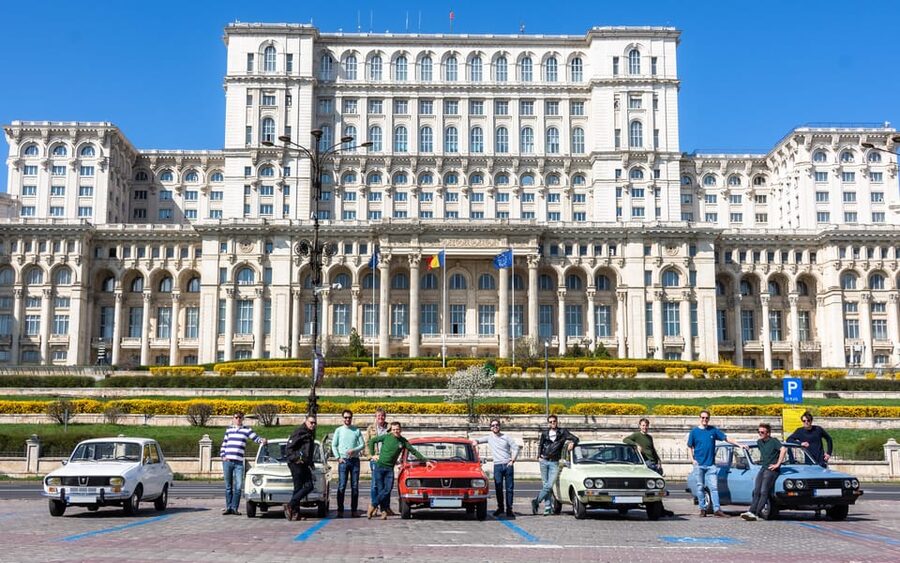
- A real Dacia 1310: You ride in a fully restored Romanian car from the communist era, not a modern vehicle dressed up for tourists.
- A private three-person experience: Each car carries up to three people, giving you more room for questions and conversation.
- A 30-kilometre city circuit: The route links Revolution Square, the Palace of Parliament, Casa Ceausescu, Casa Presei, and less familiar communist-era sites.
- Drive or be driven: You can take the wheel with a valid license, or leave the driving to a private driver.
- Personal stories matter: Guides draw on lived experience to explain shortages, daily routines, politics, and ordinary life during communism.
- Flexible departure times: Tours run daily at 10:00 AM, 2:00 PM, and 8:00 PM, with booking at least 48 hours ahead.
Why a Dacia 1310 changes the Bucharest sightseeing experience
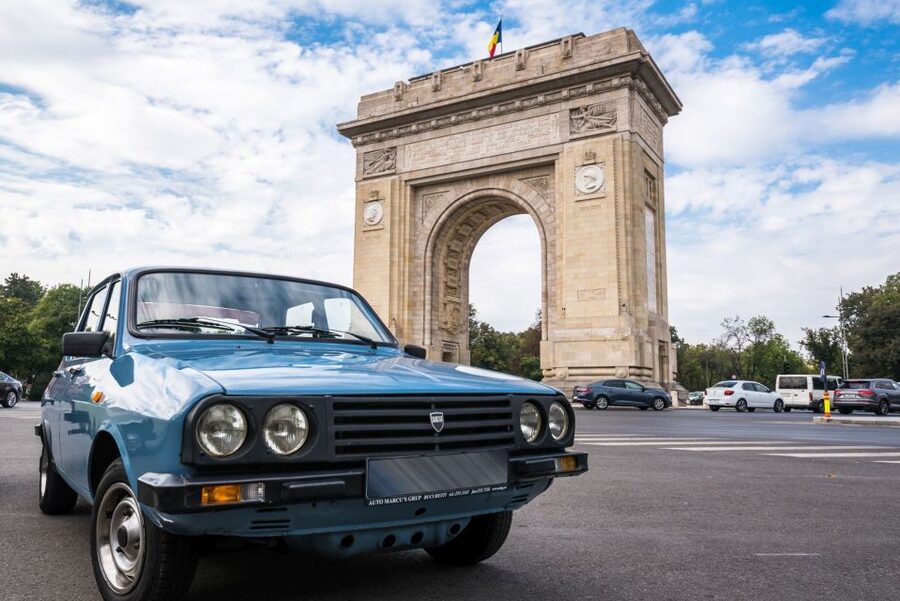
Bucharest has plenty of walking tours, but this one uses the city streets as part of the lesson. The Dacia 1310 was a familiar Romanian car during the 1970s and 1980s. Sitting inside one gives the tour a physical link to the period that a standard minibus cannot provide.
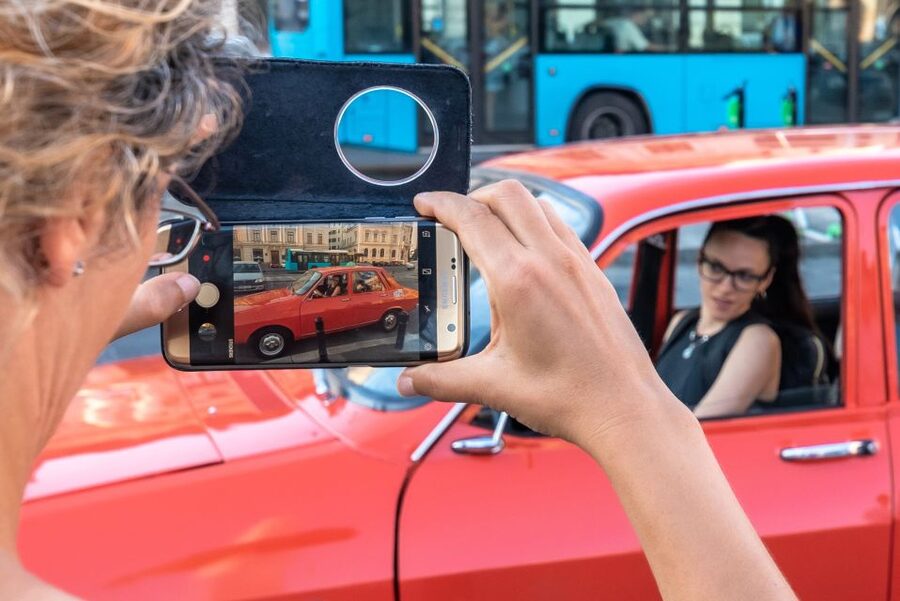
The car also draws attention. People on the pavement may wave, look over, or smile as you pass. That can feel slightly theatrical, but it is also part of the fun. You are not simply looking at communist-era Bucharest. You are moving through it in a vehicle that belongs to that time.
The private format makes the experience more useful for curious visitors. You can ask why certain boulevards were built so wide, how the government used grand buildings, or what ordinary life felt like behind the official slogans. The best parts of the tour are not only the photo stops. They are the links between buildings and personal experience.
The cars carry up to three people. That makes this a good choice for a couple, a small family with older children, or a few friends who want an intimate outing. Solo visitors can also book, though the per-person price becomes harder to justify than it is for a small private group.
More communism history tours:
- The Real tour of Communism
★ 5.0 · 666 reviews - Life under Communism
★ 5.0 · 358 reviews - 3-Hour Guided Tour of Communist Bucharest
★ 4.9 · 303 reviews
Starting at Revolution Square
Revolution Square gives the tour its first major historical reference point. It is one of Bucharest’s most important public spaces, and the guide spends about 30 minutes here explaining the location and its place in the end of communist rule.
This is a useful opening stop because it helps you connect the city’s grand avenues with political power. You will have time for photographs and a guided explanation rather than a quick drive-by. The stop also lets you get used to the car, the guide, and the pace of the day before setting off on the longer circuit.
If you have already taken a general Bucharest city tour, Revolution Square may be familiar. The difference here is the communist-era focus. Ask your guide to explain what happened in the square and how the surrounding buildings fit into the story of the period.
Casa Radio and the unfinished side of communism
The brief stop at Casa Radio lasts about 10 minutes. It presents a different side of Bucharest from the grand avenues and completed state buildings: the unfinished or altered projects that remain part of the city.
You should expect this to be a short photo and explanation stop, not a long visit inside a building. Its value comes from the contrast it provides. Communist-era construction was not only about monumental successes. It also left behind projects with complicated histories and uncertain futures.
This is one of the places where a private guide can add more than a printed description. You can ask direct questions about what the building was meant to do and why it matters today. The stop is short, so listen closely before the group returns to the car.
Fântână and the city’s monumental presentation
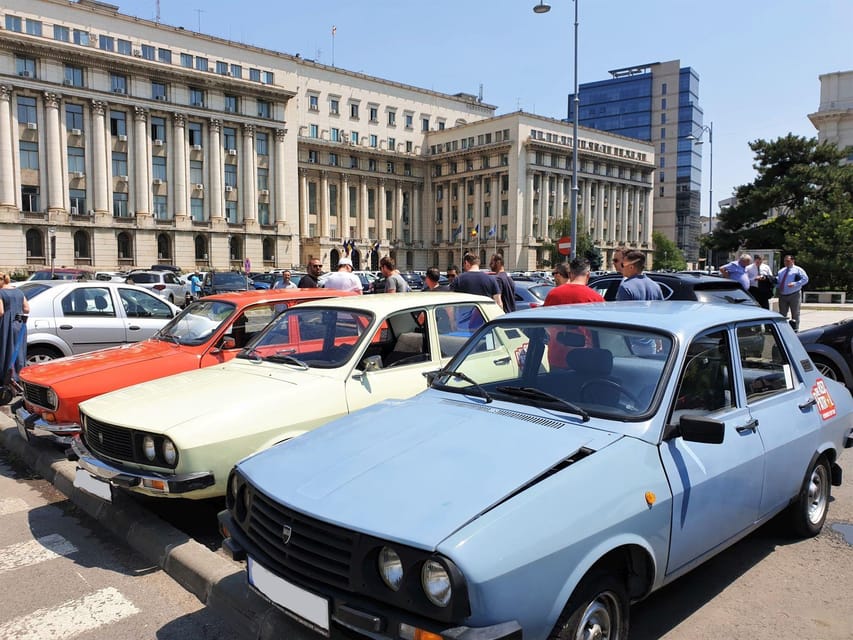
The itinerary includes a 10-minute stop at Fântână. The supplied information does not give a fuller description of this location, so you should treat it as a brief photo opportunity and a point of explanation within the wider communist route.
That short timing tells you something practical. This is not a museum visit with a long indoor presentation. It is a moving tour, built around a series of locations viewed from the street, with the guide adding context at each stop.
For visitors who enjoy architecture, public spaces, and visual details, these quick pauses break up the driving. If you prefer long visits at fewer sites, the pace may feel brisk.
A few more Bucharest days worth comparing
- Bucharest: Dracula’s Castle, Peles Castle, & Brasov Old Town
★ 4.5 · 17,858 reviews - Bucharest: Dracula Castle, Peles Castle & Brasov Old Town
★ 4.6 · 10,891 reviews - Bucharest: Dracula’s Castle, Peleș Castle & Brașov Day Trip
★ 4.5 · 5,919 reviews - Bucharest: Palace of Parliament Tickets and Guide
★ 4.3 · 3,182 reviews
The Romanian Academy and the reach of official culture
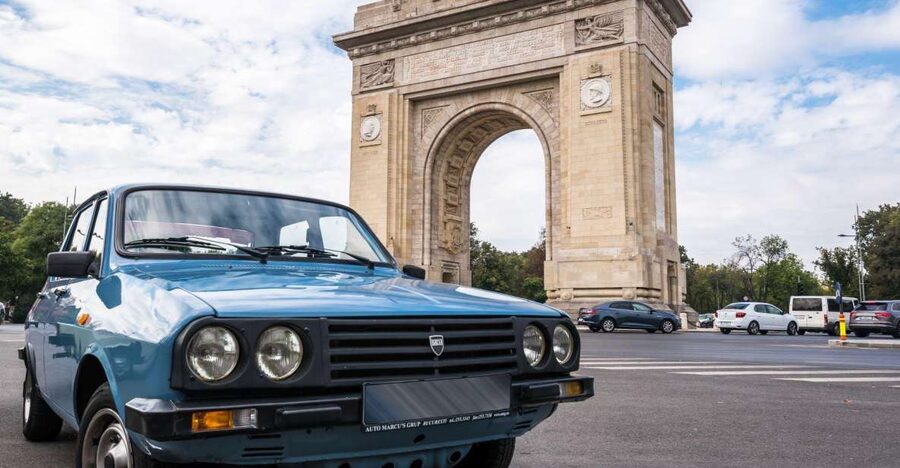
The 15-minute stop at Academia Română adds an institutional layer to the tour. The Romanian Academy is tied to the country’s intellectual and cultural life, and the guide uses the location to explain another part of Bucharest beyond government offices and party buildings.
I like this part of the route because it prevents the tour from becoming a simple parade of Ceaușescu’s grand projects. The communist period affected education, culture, public language, and professional life as well as streets and architecture.
You will have time to take photographs and hear a guided explanation. As with the other exterior stops, the experience is best for someone who wants context rather than a formal interior tour.
The Palace of Parliament and the price of grandeur
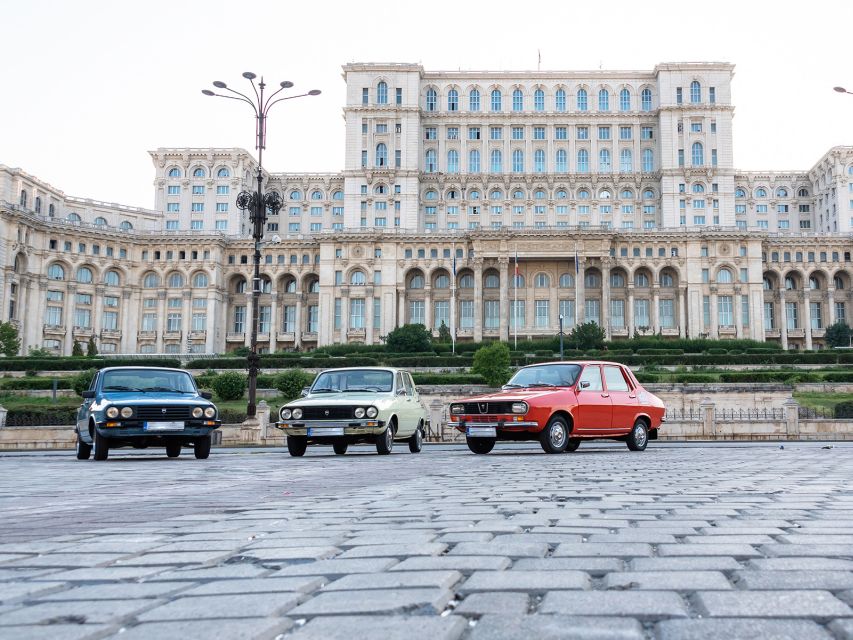
The Palace of Parliament, also known as Casa Poporului, is the largest and most striking stop on the route. The tour allows about 20 minutes for photographs and commentary.
The building is closely tied to Ceaușescu’s vision of power, control, and monumental urban planning. Its scale can be difficult to grasp from a single photograph. Approaching it in a small vintage car creates a sharp contrast: the modest Dacia represents ordinary transport, while the palace represents state authority and enormous public spending.
This is an exterior stop in the supplied program. Do not book this experience expecting a full interior visit to the Palace of Parliament. The focus is the building’s place in the city and its connection to the communist period.
The broad boulevards around the palace are also important. The route follows Victoria Socialismului Boulevard, described as Ceaușescu’s version of the Champs-Élysées. The wide road and monumental scale make more sense once your guide explains how the city was reshaped for official ceremonies and political display.
Casa Ceausescu and a closer look at private life

The 25-minute break at Casa Ceausescu is the longest stop after Revolution Square. It gives the tour a more personal angle by focusing on the former home associated with Nicolae and Elena Ceaușescu.
This stop should appeal to you if you want to understand the contrast between public ideology and private privilege. The grand boulevards and government buildings show the official face of the era. A residence offers a chance to consider how the ruling family lived apart from most Romanian citizens.
The program describes this as a break, photo stop, and guided visit. The supplied information does not confirm that an indoor house tour is included, so you should check the exact arrangements when booking if entering the property is important to you.
The extra time here is welcome. Twenty-five minutes allows the guide to explain more than a passing landmark would permit, and it gives you a chance to pause after several outdoor stops.
Casa Presei and the power of the printed word
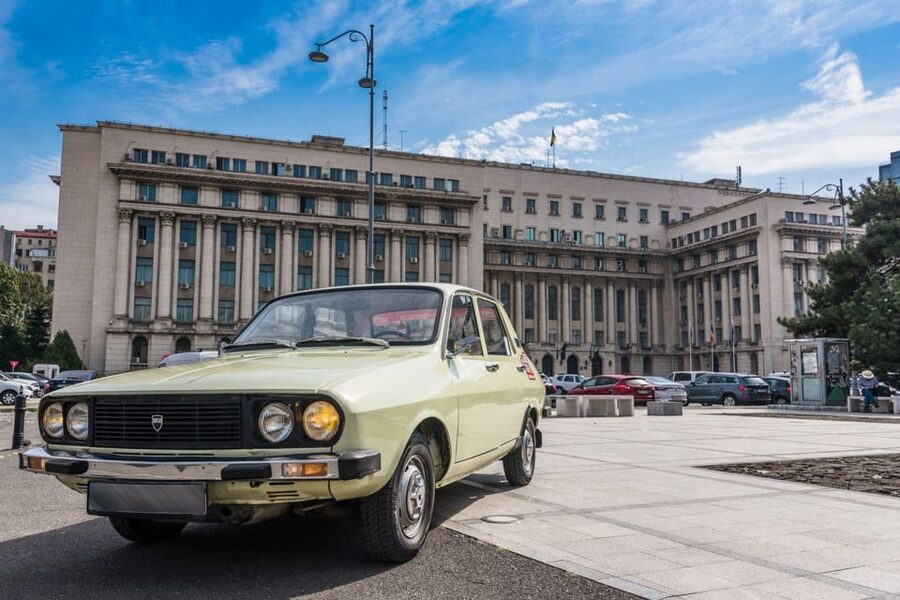
The final major stop is Casa Presei, or the House of the Free Press. The name itself carries irony in the context of communist Romania, and the building offers a direct way to discuss censorship, official media, and the role of newspapers in shaping public information.
The tour gives this stop about 20 minutes for photographs and explanation. It works well near the end because you have already seen the political centre, the palace, and the residence connected with the ruling family. Casa Presei adds the information system that helped present the official version of events.
The building also broadens the route geographically. You are not only circling the best-known central sights. You are seeing how communist planning extended across Bucharest.
What the guide adds to the buildings
The strongest part of this experience is likely to be the guide rather than any single structure. Cătălin has been praised for turning hotel pickup in an old Dacia into a full lesson about Bucharest. Dan and Șerban have also been singled out for friendly service and clear explanations, including tours delivered in German in at least one case.
The guide-led format lets you hear about the human side of the period. Expect stories about how an ordinary comrade lived, not only dates and official names. One guide has been described as using personal experience to create a vivid picture of communist Bucharest.
That personal element needs a little balance. A spoken account is shaped by memory and viewpoint. You should enjoy it as lived context, while also asking questions and keeping in mind that one person’s experience cannot represent every Romanian life.
Still, this is exactly where the tour earns its place. A building can show you scale and design. A guide can explain fear, routine, shortages, pride, humour, and adaptation. That combination gives the city more meaning.
Driving yourself or riding with a private driver
Self-driving is one of the unusual features. With a valid driving license, you can take the wheel of an authentic Dacia 1310 and experience Bucharest from the driver’s seat.
You should be comfortable with an older car before choosing this option. The information provided does not describe the transmission, controls, or driving requirements in detail, so ask the provider what to expect. You must bring your license on the day of the tour.
If you would rather concentrate on the guide and the streets, choose the private-driver option. This may be the better choice for first-time visitors, anyone who finds unfamiliar traffic stressful, or anyone who wants to take photographs while moving between stops.
The route covers about 30 kilometres and includes city driving, stops, and a total duration listed as 200 minutes. Other details describe the guided circuit as lasting about 2.5 to 3 hours, while the headline description calls it 3.5 hours. Allow roughly three to three and a half hours, depending on the day’s timing and traffic.
Comfort, timing, and practical limits
The Dacia is reported to be more comfortable than some people expect from a classic car, but it remains an older vehicle. The tour is specifically not suitable for people with back problems, pregnant women, wheelchair users, or children under 10.
Hotel pickup and drop-off in Bucharest are included. Water is provided in the car, along with a tour newspaper and a personalised gift. Food and drinks are not included, so eat before departure if you prefer not to wait until the end.
The three departure options give you some choice. A 10:00 AM start suits a full sightseeing day. The 2:00 PM departure works well after a morning museum visit. The 8:00 PM option could offer a different mood for the boulevards, though the supplied information does not promise special night lighting or a separate evening route.
Book at least 48 hours ahead. You can cancel up to 24 hours before departure for a full refund, and the reserve-now, pay-later option helps if your Bucharest schedule is still shifting.
Is $124 per person good value?
At $124 per person, this is not the cheapest way to see Bucharest. You are paying for a private experience, hotel transport, a local guide, a restored classic car, a personalised gift, water, and a route lasting about 200 minutes.
The value improves if three people share the car and care about the communist-era subject. You are not simply paying for transport between landmarks. You are paying for access to a small group setting, the choice to drive, and explanations that connect the buildings to daily life.
The price is harder to defend if you only want quick photographs of Bucharest’s main sights. A standard city tour will likely cover familiar landmarks at a lower rate. This tour makes sense when the Dacia and the communist focus are central to your interest.
The perfect audience includes first-time Bucharest visitors with limited time, history-minded couples, photographers who enjoy unusual vehicles, and anyone interested in how dictatorship shaped a capital city. It is less suitable if you want long indoor visits, a luxury car, or a relaxed meal stop.
Should you book the Dacia communist tour?
I would book this tour if you want Bucharest explained through both places and personal stories. The restored Dacia, small private group, hotel pickup, and access to major communist landmarks give the outing a clear identity that a standard sightseeing circuit lacks.
Choose the private driver if comfort and conversation matter most. Choose self-driving if operating an old Romanian car is the main attraction and you have a valid license.
Before paying, confirm the exact vehicle, the total time on the road, and whether Casa Ceausescu or any other site includes interior access. If those details suit your plans, this is a memorable and focused way to understand Bucharest’s communist past without treating it as just a collection of oversized buildings.
FAQ
How long is the Bucharest vintage car tour?
The activity is listed as lasting 200 minutes. The route description also refers to about 3.5 hours, while the guided circuit is described as lasting 2.5 to 3 hours. Plan for roughly three to three and a half hours.
What kind of car will I ride in?
You will ride in a fully restored Dacia 1310, an authentic Romanian classic car associated with the communist era.
Can I drive the vintage car myself?
Yes. Self-driving is offered, but you must bring a valid driving license on the date of the tour.
How many people can ride in one car?
Each car accommodates up to three people.
Is hotel pickup included?
Yes. Pickup and drop-off from your hotel in Bucharest are included.
Which language is the tour offered in?
The live guided tour is offered in English.
Which landmarks are included?
The route includes Revolution Square, Casa Radio, Fântână, Academia Română, the Palace of Parliament, Casa Ceausescu, and Casa Presei. It also passes along Victoria Socialismului Boulevard and other communist-era locations.
Are food and drinks included?
No. Food and drinks are not included, but water is provided in the car.
What departure times are available?
Tours operate daily at 10:00 AM, 2:00 PM, and 8:00 PM. Booking at least 48 hours in advance is required.
Who should not take this tour?
The tour is not suitable for children under 10, pregnant women, people with back problems, or wheelchair users.
Just added in Bucharest
- Bucharest: Dealu Mare Winery Private Trip with Wine Tasting★ 4.9 · 6 reviews
- Winery touring & private wine tasting – one day private tour★ 5.0 · 3 reviews
- Village Museum Bucharest Guided Tour★ 5.0 · 6 reviews
- Transylvania Tour: Dracula’s Castle, Peles Palace & Brasov★ 5.0 · 19 reviews
- Transfer Airport Otopeni – Bucharest★ 5.0 · 2 reviews
- Private Transfer Bucharest Otopeni Airport (OTP) to/from Brasov★ 5.0 · 2 reviews
- Airport Henri Coanda (Otopeni) to Bucharest – Private Transfer – Driver★ 5.0 · 5 reviews
- Private Bucharest Otopeni Airport (OTP) Transfer★ 5.0 · 2 reviews
Communism and Ceausescu Tours, compared.

Bucharest Essential Tour: Old Town, Calea Victoriei & Communism
Read our review →
Communism in Bucharest – Landmarks, Museum & Communist Appetizers
Read our review →
Browse the lists this tour appears in