
REVIEW · COMMUNISM AND CEAUSESCU TOURS
Life in Communism
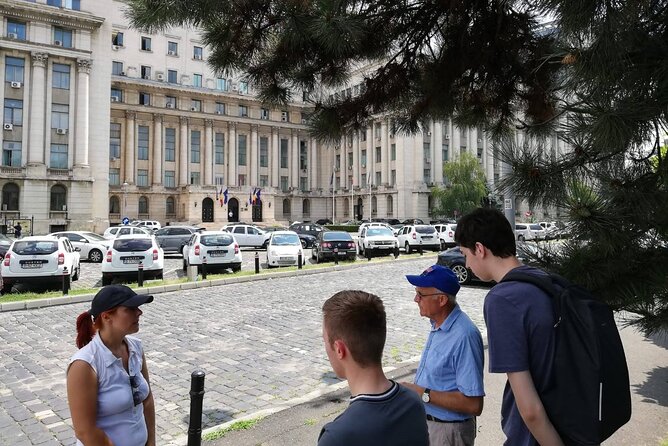
Communist Bucharest tells its story in concrete. This three-hour walk connects about 15 communist-era sites with clear explanations of nationalization, secret police, demolitions, architecture, and daily life. I like the small group limit of 15, which gives you a better chance to ask questions, and I like that the guides add personal memories rather than reciting dates alone. The main consideration is the physical effort: you will be on foot for roughly three hours, with only a short break.
The tour begins at the Patriarchal Cathedral and returns there, making it easy to fit into a day of sightseeing. Guides such as Daniela, Andreea, Augustin, and John have been praised for their clear English, personal stories, and ability to explain why communist decisions still shape Bucharest today. At $31.24 per person, the price is fair if you want context, not just photos of grand buildings.
In This Review
- Key points to know before booking
- Why communist-era Bucharest deserves three hours
- Starting at the Patriarchal Cathedral
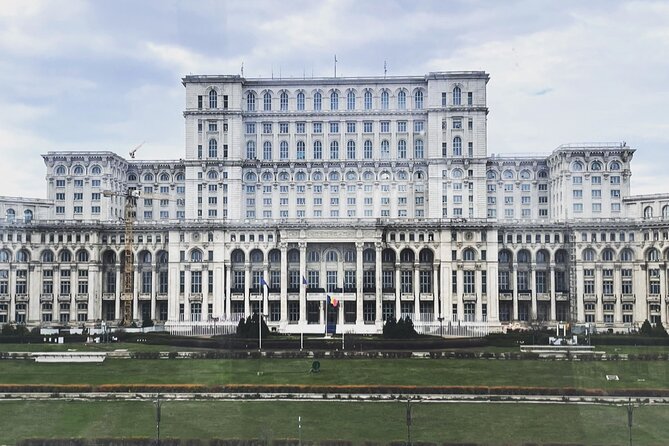
- The Palace of Parliament and the scale of power
- Calea Victoriei and the city before and after communism
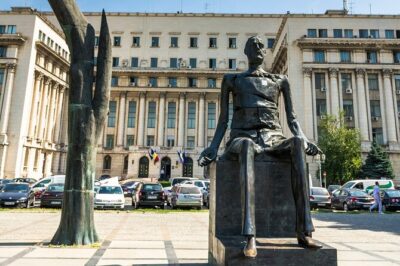
- Piața Revoluției and the end of the regime
- Personal stories make the politics easier to understand
- Communist-style snacks and the mid-tour break
- Price, group size, and the value of the format
- Who will get the most from this walk
- Practical details to keep in mind
- Should you book Life in Communism?
- FAQ
- How long does the Life in Communism tour last?
- How much does the tour cost?
- What language is the tour offered in?
- Where does the tour begin?
- Where does the tour end?
- How many places are visited?
- Are snacks included?
- Are drinks included during the break?
- What is the cancellation policy?
Key points to know before booking
- Around 15 stops explain one political period from several angles, including architecture, state control, demolitions, and ordinary life.
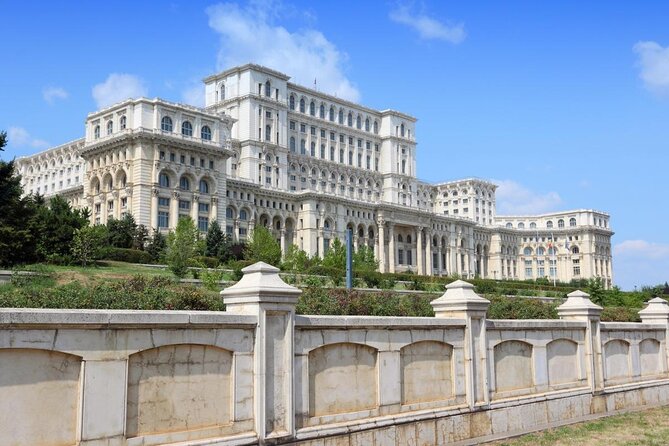
- The Palace of Parliament provides the most dramatic visual example of Nicolae Ceaușescu’s reshaping of Bucharest.
- Piața Revoluției connects the tour to the end of communism, making the walk about change as well as oppression.
- Small groups are capped at 15 people, a useful advantage for questions and personal discussion.
- Communist-style snacks are included, while drinks during the break are your own responsibility.
- The tour starts and ends at the Patriarchal Cathedral, with free cancellation available until 24 hours before departure.
Why communist-era Bucharest deserves three hours
Bucharest can feel like several cities placed on top of one another. Elegant prewar streets, grand state buildings, apartment blocks, churches, boulevards, and modern businesses all sit close together. Without guidance, it is easy to photograph the architecture while missing the decisions and human costs behind it.
This walk gives you a framework for reading the city. You learn how communism changed ownership, public space, construction, policing, and private life. The focus is not only on famous buildings. It is also on the system behind them.
That matters because Romania’s communist period was not a short footnote. The tour looks at the years when the state controlled property through nationalization, watched citizens through the Secret Police, and reshaped central Bucharest through large demolitions. You also consider how that period affects the city’s present.
I especially like the idea of visiting many smaller points instead of stopping at one monument and calling the subject finished. Around 15 objectives let the guide build a timeline. One place may show political power, another architectural change, and another the events that brought the regime down.
The activity is offered in English. The available ratings give it a perfect five out of five from 29 responses, with 100 percent recommending it. That does not remove the need to check your own interests and fitness, but it does point to a consistently strong guide-led experience.
More communism history tours:
- The Real tour of Communism
★ 5.0 · 666 reviews - Life under Communism
★ 5.0 · 358 reviews - 3-Hour Guided Tour of Communist Bucharest
★ 4.9 · 303 reviews
Starting at the Patriarchal Cathedral
The meeting point is the Patriarchal Cathedral at Aleea Dealul Mitropoliei 25. Starting here gives the walk a useful contrast from the first minute. You begin at a major religious site, then move into a discussion of a political system that sought strong control over public and private life.
The tour ends back at the same meeting point. I like this arrangement because you do not need to arrange a pickup across town or guess where the walk will finish. It also makes the activity easier to place near the start or end of a sightseeing day.
Bring comfortable shoes and plan for moderate physical activity. The duration is approximately three hours, and the route is experienced on foot. The information does not promise seating at each stop, so you should be ready to listen while standing.
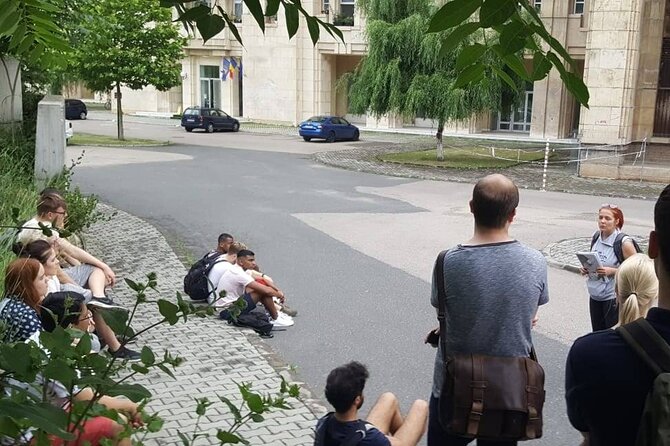
A small group can make a real difference here. With a maximum of 15 people, you are less likely to lose the guide’s voice in a crowd, and you have a reasonable chance to ask about subjects that interest you. That is valuable on a topic where personal questions often lead to the best explanations.
The Palace of Parliament and the scale of power
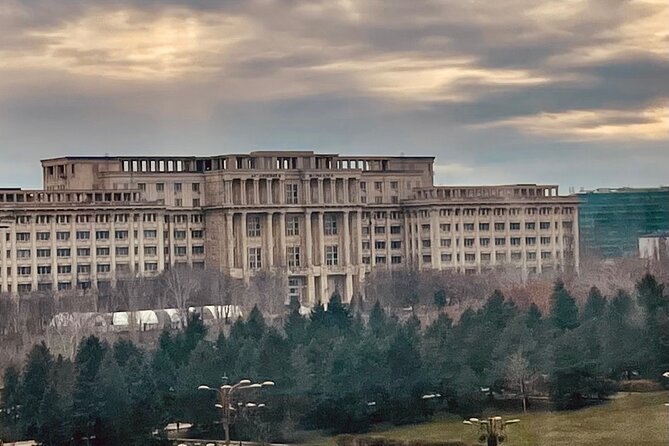
The Palace of Parliament is the tour’s most obvious symbol of communist ambition. It is also the clearest place to discuss the relationship between architecture and authority.
Here, the guide can help you look beyond the size of the building. The important question is not simply how impressive or excessive it appears. It is what had to happen to Bucharest for such a project to take shape.
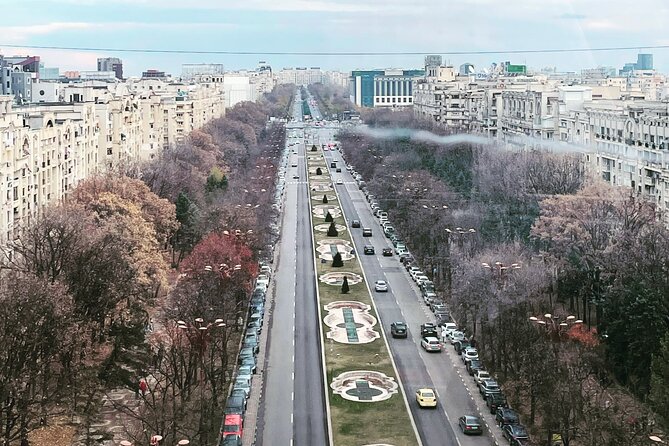
The tour connects this stop to the wider policy of demolitions. That gives the building a more serious meaning. You are not just examining a large government structure. You are considering the destruction and reshaping of parts of the city to create a new political center.
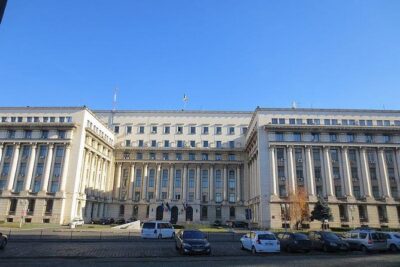
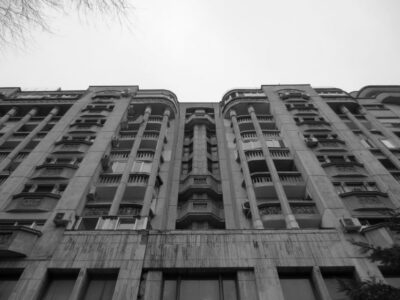
The stop also helps explain why Bucharest can feel visually uneven. Monumental communist construction exists beside older streets and religious buildings, producing the sharp contrasts that define much of central Bucharest. The guide’s role is to show you that this contrast is not random.
I would not book this walk expecting an interior tour of the Palace of Parliament. The supplied details describe a walking tour of exterior landmarks and communist-era objectives, not entry inside the building. If you want to visit the interior, treat that as a separate plan and check its own requirements.
Calea Victoriei and the city before and after communism
Calea Victoriei brings a different scale to the walk. Rather than focusing only on state power, this stop helps place communist change within the older structure of Bucharest.
A major city street can reveal how a regime uses existing urban space. The guide can point out how architecture, movement, and public life were affected by the period. You will be encouraged to compare what survived with what was replaced, controlled, or redirected.
This is one of the tour’s useful features: you do not spend the whole time looking at buildings that were created by the regime. You also see how communism altered a city that already had its own character and history.
The explanations are meant to cover architecture, people, and the present-day effects of the period. That wider focus makes Calea Victoriei more than a street stop. It becomes a way to understand why modern Bucharest does not fit into a simple category such as old city or communist city.
The exact order and discussion at each of the roughly 15 objectives can vary with the guide and group. That is normal for a walking tour. The main route is built around major communist changes, while the smaller stops fill in the story.
A few more Bucharest days worth comparing
- Bucharest: Dracula’s Castle, Peles Castle, & Brasov Old Town
★ 4.5 · 17,858 reviews - Bucharest: Dracula Castle, Peles Castle & Brasov Old Town
★ 4.6 · 10,891 reviews - Bucharest: Dracula’s Castle, Peleș Castle & Brașov Day Trip
★ 4.5 · 5,919 reviews - Bucharest: Palace of Parliament Tickets and Guide
★ 4.3 · 3,182 reviews
Piața Revoluției and the end of the regime
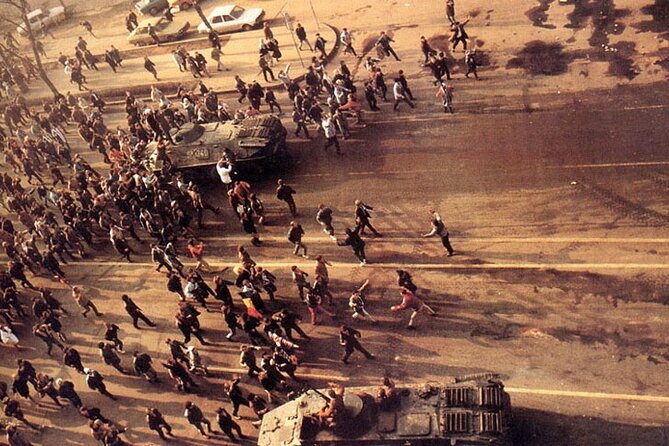
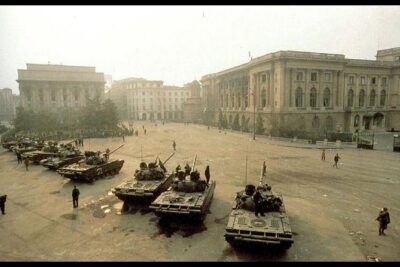
Piața Revoluției is the tour’s key stop for political change. Its place in the itinerary lets the guide move from the long years of communist rule toward the events that ended it.
This is where the tour’s timeline gains momentum. Earlier stops explain control, construction, and social change. Here, the subject becomes resistance, upheaval, and the transition to a different Romania.
A good guide does not reduce this period to a neat story with simple heroes and villains. Augustin, one of the guides praised for his careful research and nuanced presentation, was specifically appreciated for explaining the complexity of communism in Romania. That kind of approach is useful at a place tied to major political events.
Andreea has also been praised for an easy-to-follow English delivery, a clear voice, and personal experiences that help connect national events to everyday life. Daniela’s teaching style has been described as friendly and detailed, while John has added stories from his own experience. You cannot guarantee a particular guide unless the operator allows you to request one, but the range of positive comments suggests that the guiding team is a major part of the tour’s appeal.
Personal stories make the politics easier to understand
Political history can become a list of policies. The strongest feature of this walk is its effort to connect those policies with ordinary people.
The tour covers nationalization, which changed who owned property and businesses. It covers the Secret Police, which helps explain the climate of surveillance and fear. It covers demolitions, which show how government decisions affected homes, streets, and familiar parts of the city.
The personal stories matter because they show how these policies felt in daily life. Several guides bring their own experiences or family memories into the discussion. That personal touch does not replace historical facts, but it can make them easier to grasp.
I would ask questions as you go. The small group format is best used for practical human subjects: what people could buy, how people experienced state control, how the city changed, or how memories of communism influence Romania today. The exact answers will depend on your guide, but the format supports that kind of conversation.
The tour is also useful before independent sightseeing. After three hours, you will have a better sense of why certain buildings matter and why Bucharest’s streets look the way they do. You may find that later walks through the city become more rewarding because you know what clues to look for.
Communist-style snacks and the mid-tour break
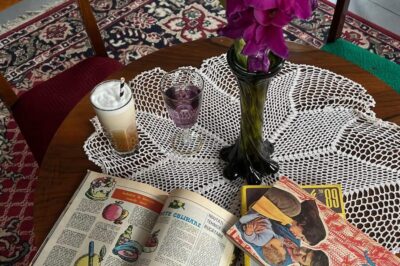
Snacks are included, described as communist-type snacks. This is a small feature, but it fits the subject well. Food can make an abstract period feel more familiar and gives the guide another way to discuss everyday life.
Do not expect a full meal. The tour lasts about three hours, and the snacks are an added taste of the period rather than a substitute for lunch.
There is also a short break in the middle of the walk. Drinks are not included, and you should pay for them yourself. The practical advice is simple: bring cash, especially since the instructions specifically suggest it. One person noted that the break was useful for warming up in cold weather, so the pause may be welcome in winter.
The break is also helpful because three hours on foot can feel long when you are concentrating on a serious subject. You get a chance to rest, buy a drink, and return to the walk with more attention.
Price, group size, and the value of the format

At $31.24 per person, this is not the cheapest way to spend three hours in Bucharest, but the value depends on how you like to explore. If you only want a quick introduction to the main sights, you could walk around central Bucharest on your own. You would not get the connected story, the historical interpretation, or the personal accounts.
The price makes more sense if you want a specialist subject handled by an English-speaking guide. You are paying for the route and for the explanations that turn separate buildings into a story about power and change.
The maximum group size is 15. That is small enough to feel more personal than a large coach excursion, while still keeping the price moderate. It also gives the guide room to adjust the explanation when people ask questions.
The tour is booked, on average, 22 days ahead. That does not mean you must reserve that early, but it is a useful sign that advance planning may be wise, especially if your Bucharest dates are fixed.
Who will get the most from this walk
I would recommend this tour to you if you want to understand modern Romania rather than simply collect landmark photos. It is a particularly good choice for first-time visitors who want a clear orientation before exploring Bucharest alone.
It should suit:
- People interested in twentieth-century European politics
- Visitors curious about how communism affected ordinary life
- Architecture fans who want context for demolitions and monumental construction
- English-speaking visitors who prefer a small group
- Anyone who enjoys personal stories alongside political history
- First-time Bucharest visitors who want an organized introduction
It may be less suitable if you dislike walking, prefer a relaxed sightseeing pace, or want to spend most of the time inside museums. The tour is focused on streets and landmarks, and the physical requirement is moderate.
Families and older visitors should consider their own stamina. Service animals are allowed, and the activity is near public transportation, but the information does not provide a detailed route profile or promise frequent seating.
Practical details to keep in mind
BucharestGuide operates the experience. Confirmation is received at booking, and the tour is offered in English with a mobile ticket.
The walk starts and finishes at the Patriarchal Cathedral. Allow time to find Aleea Dealul Mitropoliei 25 and arrive ready to begin on foot.
The price is $31.24 per person. Group discounts are available, though the amount and conditions are not specified, so check those details when booking.
Alcoholic beverages are not included. Drinks during the mid-tour break are self-supported, and cash is recommended. Communist-style snacks are included.
Free cancellation is available if you cancel at least 24 hours before the local start time. Cancellations made less than 24 hours before departure are not refunded, and changes within that same period are not accepted.
Should you book Life in Communism?
Book it if you want a serious, human explanation of how communism changed Bucharest. The combination of about 15 stops, the Palace of Parliament, Calea Victoriei, Piața Revoluției, personal stories, and a small group gives you more than a quick sightseeing loop.
I would make this one of my first Bucharest activities, especially if the city is new to you. You will leave with a clearer sense of how architecture, government policy, fear, daily life, and political change fit together.
Skip it if you want a short route with little discussion or if three hours of walking sounds tiring. For everyone else, the $31.24 price is reasonable, the format is practical, and the consistently strong guide feedback makes this one of the better ways to approach Romania’s recent past.
FAQ
How long does the Life in Communism tour last?
The walking tour lasts approximately three hours.
How much does the tour cost?
The listed price is $31.24 per person. Group discounts are available.
What language is the tour offered in?
The tour is offered in English.
Where does the tour begin?
The meeting point is the Patriarchal Cathedral at Aleea Dealul Mitropoliei 25, București, Romania.
Where does the tour end?
The activity ends back at the Patriarchal Cathedral, the starting point.
How many places are visited?
The walk visits around 15 objectives connected to Bucharest’s communist period. Named stops include the Palace of Parliament, Calea Victoriei, and Piața Revoluției.
Are snacks included?
Yes. Communist-type snacks are included.
Are drinks included during the break?
No. Drinks are self-supported, and cash is recommended.
What is the cancellation policy?
You can cancel for a full refund up to 24 hours before the local start time. Cancellations or changes made less than 24 hours before departure are not accepted for a refund.
Just added in Bucharest
- Bucharest: Dealu Mare Winery Private Trip with Wine Tasting★ 4.9 · 6 reviews
- Winery touring & private wine tasting – one day private tour★ 5.0 · 3 reviews
- Village Museum Bucharest Guided Tour★ 5.0 · 6 reviews
- Transylvania Tour: Dracula’s Castle, Peles Palace & Brasov★ 5.0 · 19 reviews
- Transfer Airport Otopeni – Bucharest★ 5.0 · 2 reviews
- Private Transfer Bucharest Otopeni Airport (OTP) to/from Brasov★ 5.0 · 2 reviews
- Private Bucharest Otopeni Airport (OTP) Transfer★ 5.0 · 2 reviews
- Bucharest Airport Transfer To Constanta Mamaia★ 5.0 · 3 reviews
Communism and Ceausescu Tours, compared.

Bucharest Essential Tour: Old Town, Calea Victoriei & Communism
Read our review →
Communism in Bucharest – Landmarks, Museum & Communist Appetizers
Read our review →
Browse the lists this tour appears in