
REVIEW · COMMUNISM AND CEAUSESCU TOURS
Timisoara: Grand Communism Tour
History can feel personal here. Timișoara’s Grand Communism Tour links political events to ordinary streets, homes, churches, and memories. I like the way it goes beyond central landmarks, and I especially value the small group of up to 10 people. The stories from guides such as Andrei, Roberta, and Sergiu add warmth and detail to a difficult subject.
The main drawback is the subject itself. This is not a light sightseeing outing, and the tour may feel heavy as it covers repression, resistance, deaths, and the fall of Nicolae Ceaușescu. You also pay 20 RON separately to enter the Revolution Memorial.
In This Review
- Key points to know before booking
- Why Timișoara’s communist past needs a full morning
- Starting at SCARTZ and the Communist Customer Museum
- Resistance in the 1950s and 1960s
- The Reformed Hungarian Church and the first spark of December 1989
- The former Communist Party headquarters
- The Cemetery of Revolution Heroes
- Ending at the Revolution Memorial
- The guides make the difference
- What the $70 price gets you
- Who will get the most from this tour
- Practical advice for a better morning
- Should you book the Grand Communism Tour?
- FAQ
- How long does the Timișoara Grand Communism Tour last?
- Where is the meeting point?
- What languages are available?
- How many people are in the group?
- Is transportation included?
- Is the Revolution Memorial entrance included in the price?
Key points to know before booking
- The route connects Communism with the 1989 Revolution, beginning at SCARTZ and ending at the Revolution Memorial.
- SCARTZ includes the Communist Customer Museum, an unusual stop in the basement of a club.
- Personal family stories give the history a human scale, especially when guides explain what daily life felt like.
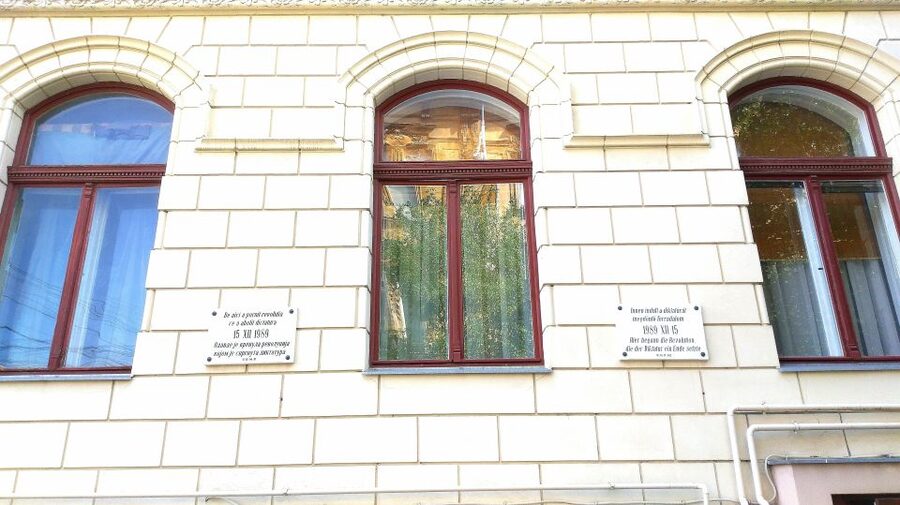
- The Reformed Hungarian Church is central to the tour, since the December 1989 uprising began there.
- Transport between stops is included, useful for covering several sites in 3.5 hours.
- The $70 price is strongest for history-minded visitors who want interpretation, not just photographs.
Why Timișoara’s communist past needs a full morning
Timișoara is often introduced through its squares, churches, baroque buildings, and cafés. Those sights matter, but they tell only part of the city’s story. This tour takes you into the political and social world that shaped modern Romania, then shows you where that world began to break apart.
The focus is Romania’s roughly 50-year communist period and the chain of events that led to the December 1989 Revolution. You will hear about Nicolae Ceaușescu, the country’s most notorious communist leader, but the tour does not treat history as one-man drama. It also looks at resistance in the 1950s and 1960s, state control, daily life, and the final days of the regime.
I like that balance. You are not simply taken from monument to monument. The guide explains how political decisions reached into homes and neighborhoods, then connects those experiences to the people who opposed the system.
The experience lasts 3.5 hours, long enough to build a clear story without turning into an all-day commitment. Because transportation is included between stops, you can cover more ground than on a standard walking tour. Still, expect time outdoors and enough movement that comfortable shoes are sensible.
More communism history tours:
- The Grand Tour of Communist Ages at Timisoara
★ 5.0 · 17 reviews - The Real tour of Communism
★ 5.0 · 666 reviews - Life under Communism
★ 5.0 · 358 reviews
Starting at SCARTZ and the Communist Customer Museum
The meeting point is in front of the Orthodox Cathedral. From there, the tour begins at the location of SCARTZ club, described as a misfit or alternative venue rather than a formal museum complex. That setting gives the opening a slightly unexpected feel. The subject is political history, but the first doorway is connected to contemporary cultural life.
In the basement, you visit the Communist Customer Museum. Its name points toward consumer culture and the practical side of life under Communism. This is important because political history can become too abstract when it stays at the level of leaders, dates, and official speeches. Objects and everyday details help you picture what people could buy, how they lived, and what was missing.
The museum is a compact stop, not a vast institution. That can be a benefit on a timed tour, since you get a focused introduction before moving into the city. You should not expect to spend hours examining displays. Instead, let the guide’s explanation do the work of connecting the items and setting to the larger period.
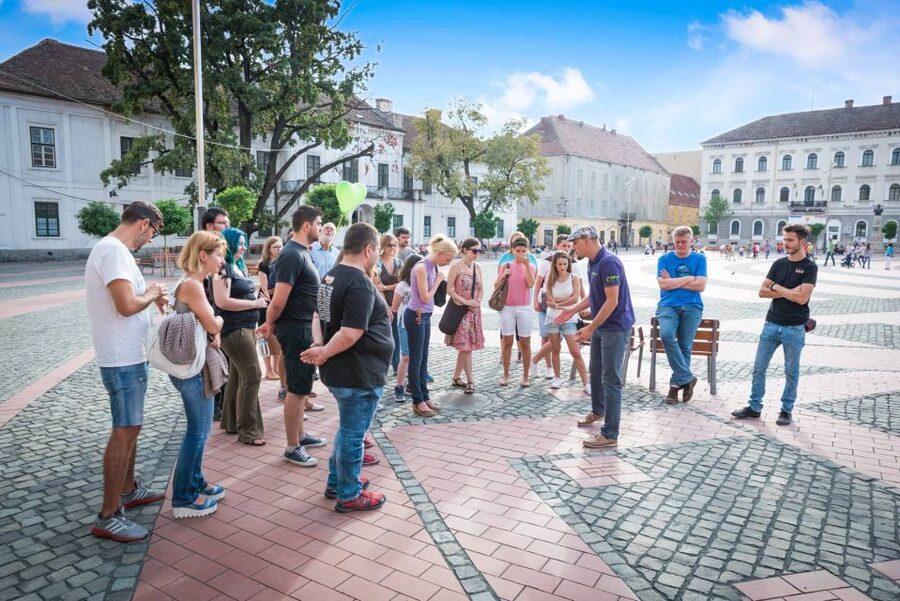
This is also a good moment to ask questions. The group is limited to 10, and that size should make it easier to hear the guide and raise a point without losing the thread. Andrei has been praised for clear English, an easy manner, and engaging storytelling. Roberta has also been singled out for explaining the period with authority and personal insight.
Resistance in the 1950s and 1960s
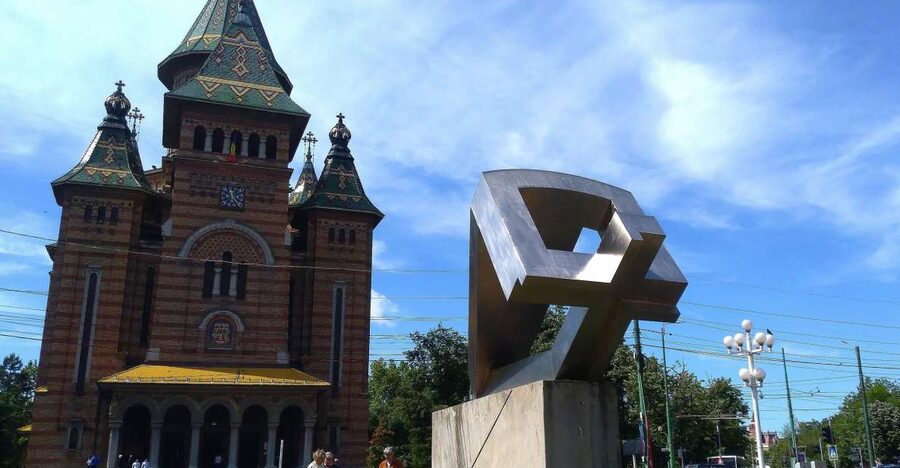
The next major stop is the Anti-Communist Resistance Movement Monument. Here, the tour shifts from the mechanics of the regime to the people who pushed back against it.
The timing matters. Many accounts of Romanian Communism rush straight to 1989, as if opposition appeared suddenly at the end. This stop corrects that view by covering resistance during the 1950s and 1960s. You learn that opposition existed long before the final uprising, even when it was harshly punished and difficult to sustain.
This part may be one of the most valuable sections for anyone who knows only the broad outline of Romanian history. The guide can explain how resistance fits into the larger political story, rather than leaving you with a simple picture of passive citizens waiting for change.
The monument itself is not just a photo stop. Its value comes from the account attached to it. Take time to listen before reaching for your camera. The meaning of the place is in the names, events, and human cost that the guide brings forward.
If you prefer cheerful sightseeing, this is where you may feel the tour’s serious tone most clearly. If you want a more honest picture of life under Communism, it is essential.
The Reformed Hungarian Church and the first spark of December 1989
The Reformed Hungarian Church is one of the most important stops because the uprising began there in December 1989. This gives the church unusual political importance. It is not only a religious building, but also a place tied directly to the opening moments of the Revolution.
The guide explains how local events around the church grew into a wider challenge to Ceaușescu’s government. You will hear about the Anti-Communist and Anti-Ceausescu Revolution of Timișoara and how the city became central to the end of the regime.
The stop also adds an ethnic and community dimension to the story. The church’s Hungarian connection matters, since the events around it were tied to a local community and a specific act of opposition. The tour helps you see the Revolution as something that began with people in a real neighborhood, not as a distant political event announced from a capital city.
I find this kind of place more useful than a general lecture. Standing at the location helps you understand how close history was to ordinary streets and buildings. You are looking at a site where decisions, fear, courage, and public pressure met.
The church stop also shows why a local guide matters. Dates alone cannot explain how a protest gained force. A good guide can fill in the links between the building, the people involved, and the political collapse that followed.
More Timisoara trips:
- The Classic Tour of Timisoara
★ 5.0 · 154 reviews - Weekly Guided Tour in English – Tuesday, Thursday, Saturday
★ 5.0 · 84 reviews - Timisoara All in One – Walking and Tram Tour
★ 5.0 · 72 reviews - Timisoara: Guided Walking Tour
★ 4.9 · 38 reviews
The former Communist Party headquarters
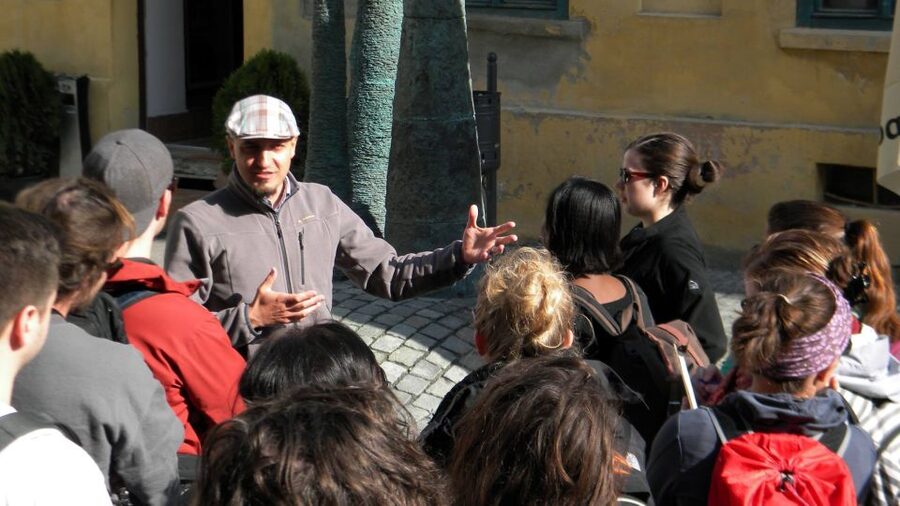
The route continues to the local headquarters of the former Communist Party. Here, the tour shifts toward the machinery of power. After hearing about resistance, you see the institution that represented the system being challenged.
This contrast is one of the route’s strengths. The tour does not present only memorials to victims or heroes. It also points out the places from which authority was exercised. That makes the political story easier to follow and gives the Revolution a physical setting.
You may find this stop less visually dramatic than the church or cemetery. Its importance is historical rather than decorative. Listen closely as the guide explains the role of local party structures and how power operated beyond Ceaușescu himself.
The experience works best if you arrive with patience for context. Some sites may look ordinary at first glance. The guide’s job is to explain why that ordinary-looking building mattered, and this is a good example.
The Cemetery of Revolution Heroes
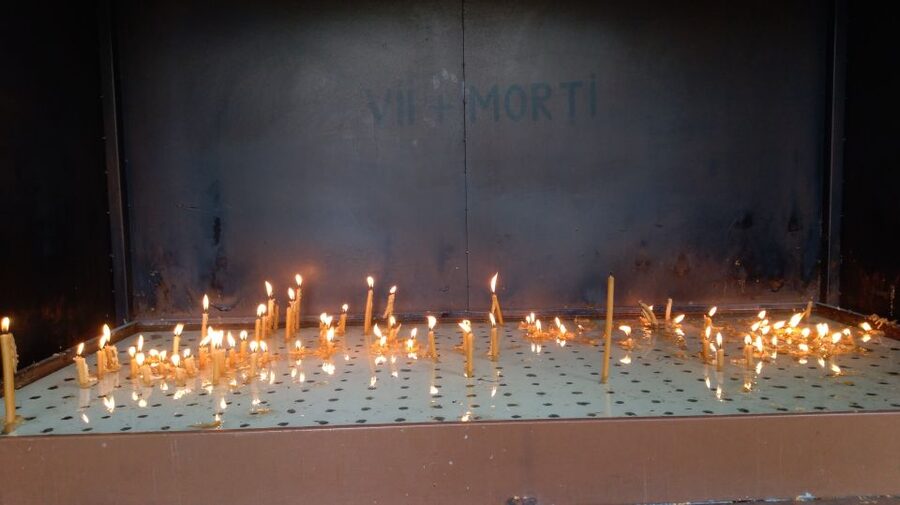
At the Cemetery of Revolution Heroes, the story reaches its most painful point. This is where you learn about the final events that helped bring Ceaușescu’s regime to an end and about the people who died during the Revolution.
The cemetery gives the tour a personal scale. Political change can sound neat in a textbook: protests begin, the government falls, a new era starts. A cemetery makes clear that the change involved real families and real losses.
Expect a quiet, reflective stop rather than a fast explanation. The guide discusses the final days and the human cost behind the political outcome. This may be difficult for some people, particularly if you prefer to keep holiday sightseeing light. That is a fair reason to choose another kind of tour, but it is also why this experience feels more substantial than a simple city orientation.
The cemetery is also a useful place to consider the difference between national history and local memory. Timișoara was not just a backdrop to events elsewhere. The city’s residents faced the danger directly, and the memorial landscape keeps that local role visible.
Ending at the Revolution Memorial
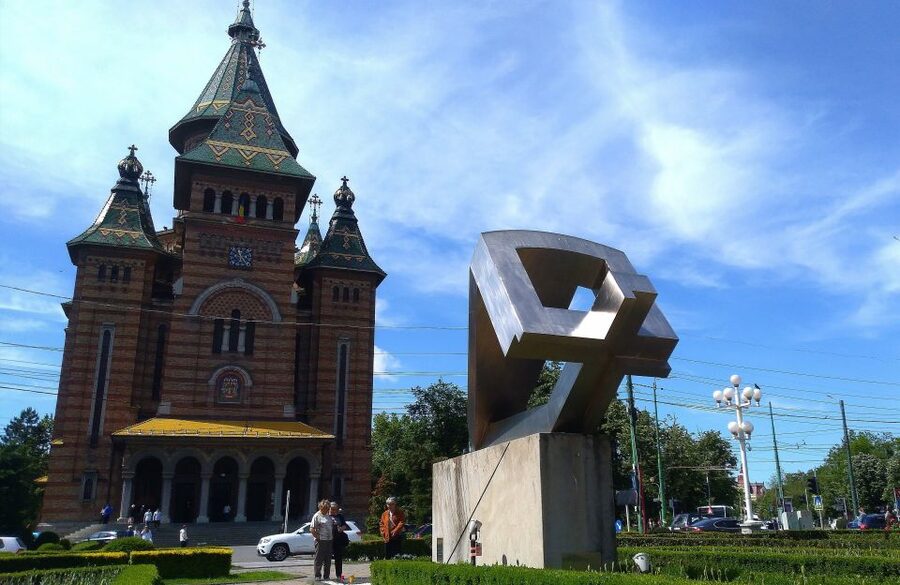
The final stop is the Revolution Memorial of Timișoara, dedicated to the people who opposed Ceaușescu and helped bring down his regime. The visit gives the tour a clear ending, moving from the roots of resistance to the people honored after the Revolution.
Admission costs 20 RON and is not included in the tour price. This is a small extra charge, but you should budget for it rather than assume every stop is covered by the $70 fee.
The memorial is best understood after the earlier stops. By the time you arrive, you have heard about the communist period, resistance in the 1950s and 1960s, the church where the 1989 uprising began, the former party headquarters, and the cemetery. The memorial then acts as the final piece of the story.
I would not rush this stop. If you have questions about the timeline or the people involved, this is a natural place to ask them. The tour’s strength is its sequence, and the memorial gains meaning because the guide has built that sequence carefully.
The guides make the difference
A history tour lives or dies by its guide. Here, the feedback points to strong performances from Andrei, Roberta, and Sergiu.
Andrei has been praised for fluent English, clear explanations, personal stories, and a relaxed style. His time studying in the Netherlands also helped him connect with people from different backgrounds. That detail may sound small, but it suggests a guide who can explain Romanian history to visitors without assuming they already know the local context.
Roberta has been praised for her command of the subject and for sharing the experience of a family that lived through the communist period. That kind of family connection can add emotional weight, especially when the discussion turns to daily life and the final days of the regime.
Sergiu has led the tour in a professional and engaging way, including in Italian according to one experience. The listed tour languages are English and Romanian, so you should confirm the language available for your date if that matters to your booking.
The strongest praise has focused on storytelling, personal anecdotes, and clear delivery. That is exactly what you need here. The topic includes political terms and a long timeline, but a guide who uses family memories and ordinary examples can make the period easier to understand.
What the $70 price gets you
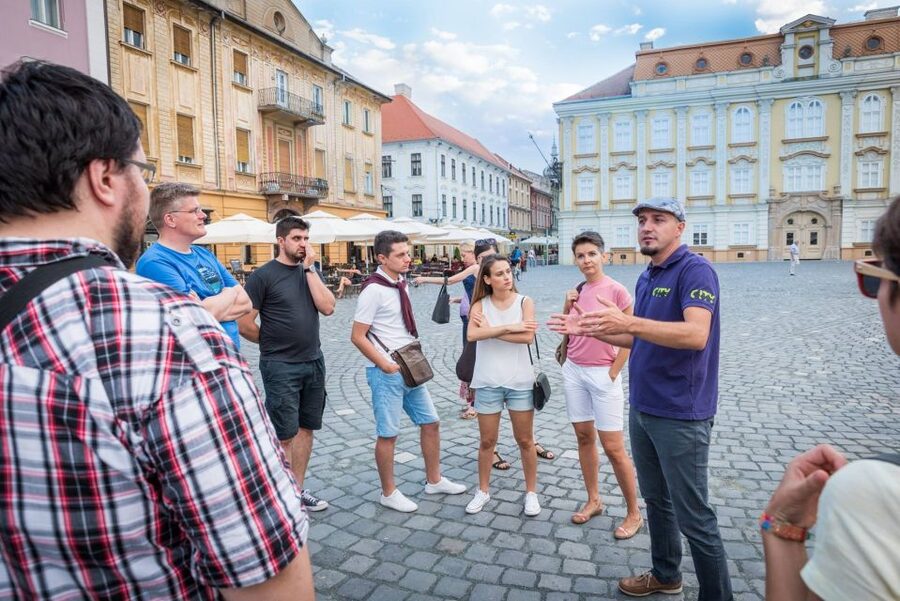
At $70 per person, this is not the cheapest way to see Timișoara. You are paying for a specialist subject, a 3.5-hour route, a live guide, and transport between several locations. The group size is capped at 10, which gives the experience a more personal feel than a large coach outing.
The value depends on your priorities. If you want a broad introduction to Timișoara’s architecture, you can find less expensive ways to walk through the center. If you want to understand the city’s role in Romanian Communism and the 1989 Revolution, the price is easier to justify.
Transport matters because the route covers sites beyond one compact square. You avoid working out the connections yourself, and you can focus on the story instead of watching the clock or checking directions.
The separate 20 RON memorial fee is modest, but it is worth noting when you plan your budget. Nothing in the provided details suggests that food, drinks, or other personal expenses are included, so plan for the tour as a history experience rather than a package with extras.
Free cancellation up to 24 hours before the start and the reserve-now, pay-later option also reduce the risk of booking early. Those terms are useful if your Romania plans are still shifting.
Who will get the most from this tour
I would choose this tour if you care about modern European history, political change, memorials, or the personal side of travel. It should also suit anyone who has already seen Timișoara’s main central sights and wants to understand what happened beyond the postcard view.
The small group is a good match for people who like asking questions. It is also useful if you want a guide who can adjust explanations to your background. The English and Romanian options make the tour accessible to a broad audience, but confirm the language when you book if you need a specific one.
Families with older teenagers may find the subject educational, though the discussion of repression and deaths is serious. People seeking nightlife, food, or architectural sightseeing should choose a different tour, or pair this with one of those activities.
You should also allow mental space for the subject. This is a history lesson told through sites of suffering and courage. The reward is a clearer understanding of why Timișoara matters in Romania’s modern story.
Practical advice for a better morning
Meet in front of the Orthodox Cathedral and arrive with enough time to find the guide. Since the tour moves between sites, wear comfortable shoes and keep your schedule open for the full 3.5 hours.
Bring questions. Personal memories and family stories are among the most useful parts of the experience, and a small group gives you a better chance to ask about daily life, resistance, or the Revolution.
Do not judge a stop only by how it looks. Several locations may appear ordinary until the guide explains what happened there. The former party headquarters is a good example: its value comes from its role, not from a grand display.
Keep 20 RON ready for the Revolution Memorial. The admission is separate, and the memorial serves as the final part of the route.
Should you book the Grand Communism Tour?
Book it if you want Timișoara to make sense beyond its handsome center. The combination of SCARTZ’s Communist Customer Museum, the resistance monument, the Reformed Hungarian Church, the former party headquarters, the cemetery, and the Revolution Memorial creates a strong historical arc.
I especially like the personal storytelling, the small group, and the fact that the tour visits places where events actually happened. The $70 cost is fair for a focused, guide-led experience with transport, though it is harder to justify if you only want a quick city overview.
Skip it if you want a carefree sightseeing outing or if political history is not your interest. For everyone else, this is one of the more useful ways to understand Timișoara’s role in the fall of Ceaușescu’s regime.
FAQ
How long does the Timișoara Grand Communism Tour last?
The tour lasts 3.5 hours.
Where is the meeting point?
Meet in front of the Orthodox Cathedral.
What languages are available?
The tour is offered with a live guide in English or Romanian. Confirm the available language for your chosen date if needed.
How many people are in the group?
The group is limited to 10 participants.
Is transportation included?
Yes. Transportation between the tour stops is included.
Is the Revolution Memorial entrance included in the price?
No. Admission to the Revolution Memorial costs 20 RON and is paid separately.
Just added in Timisoara
- Bite your way through Timisoara – Timisoara’s Street Food Tour★ 5.0 · 14 reviews
- Timişoara: Private Walking Tour with Local Guide★ 5.0 · 1 review
- Timisoara Downtown Dream Tour★ 5.0 · 5 reviews
- The Grand Tour of Communist Ages at Timisoara★ 5.0 · 17 reviews
- The Jewish Heritage Tour of Timisoara★ 5.0 · 9 reviews
- Nera Gorge National Park – Private Day Tour from Timisoara★ 4.5 · 4 reviews
- Hiking back in time: The Remote Villages of Banat★ 5.0 · 2 reviews
- One Day in Transylvania – Departure from Timisoara★ 5.0 · 16 reviews
Communism and Ceausescu Tours, compared.
Bucharest Essential Tour: Old Town, Calea Victoriei & Communism
Read our review →
Communism in Bucharest – Landmarks, Museum & Communist Appetizers
Read our review →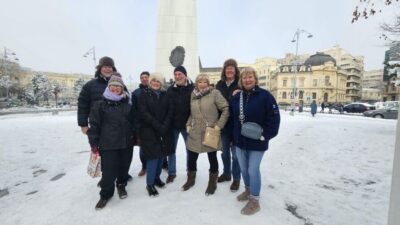

Browse the lists this tour appears in